Pre-engineered components designed for direct integration with commercial storefronts and high-rise facades in Toronto.
The Greater Toronto Area (GTA) continues to represent one of North America's most dynamic construction corridors. Due to rapid urbanization, stricter energy conservation regulations, and changing weather trends, building design in Ontario now demands high performance. Central to this evolution is the integration of heavy-duty, highly engineered aluminium doors and storefront systems. Understanding structural thermal breaks, material optimization, and global logistics has become crucial for real estate developers, commercial architects, and facade engineers.
Toronto's climate is characterized by extreme seasonal temperature fluctuations, with winter temperatures dropping below -20°C and summer temperatures rising above 30°C. In response to these conditions, the Ontario Building Code (OBC), specifically Supplementary Standard SB-10, enforces strict limits on building envelope heat loss. As a result, standard aluminum profiles without proper thermal engineering are no longer viable for modern construction.
High-performance aluminium doors must utilize advanced polyamide thermal breaks (polyamide 6.6 with 25% glass fiber reinforcement). These thermal barriers isolate the exterior aluminum profile from the interior, dramatically reducing thermal bridging. This engineering reduces structural heat loss, prevents condensation, and ensures stable indoor temperatures, helping projects comply with ASHRAE 90.1 energy metrics.
Modern building projects face compressed timelines and rising domestic raw material costs. Consequently, sourcing architectural components directly from leading global manufacturers like Jiangsu Guoxin Glass Co., Ltd. offers a significant competitive advantage. Chinese factories have developed optimized ecosystems that integrate primary aluminum extrusion, automated CNC machining, surface finishing (anodizing and powder coating), and advanced glass processing in a single facility.
Toronto's high-rise construction requires materials that can withstand high wind loads and structural pressures, particularly along the Lake Ontario shoreline. Aluminium door profiles must be calculated according to wind pressure metrics outlined in NBC (National Building Code of Canada). Factors such as alloy composition (6063-T5 or 6063-T6 aluminum alloys), section depth, and wall thickness are carefully calculated to resist deformation under high winds.
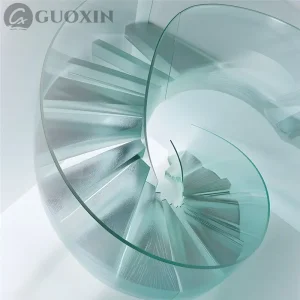
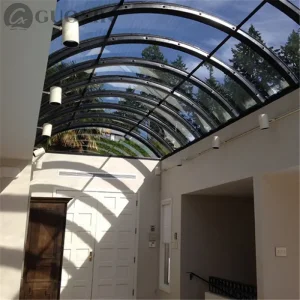
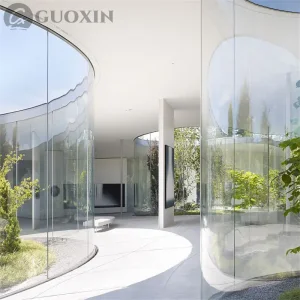
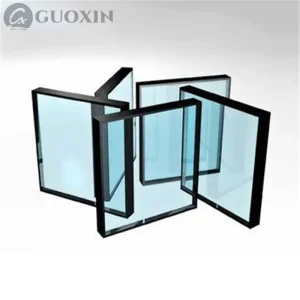
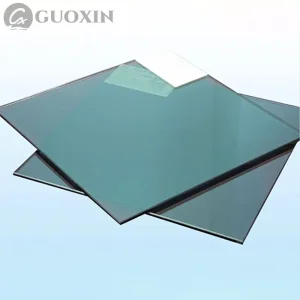
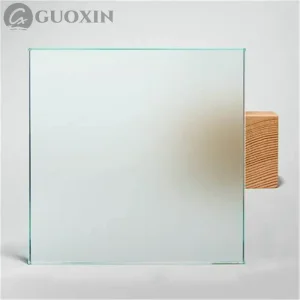
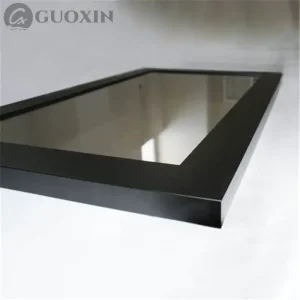
Advanced glass processing designed for integration into robust, architectural-grade aluminium doors and windows.
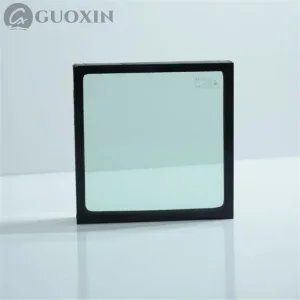
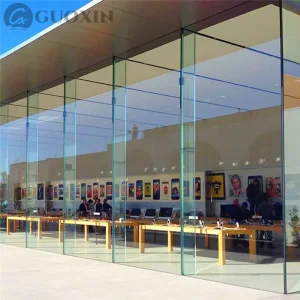
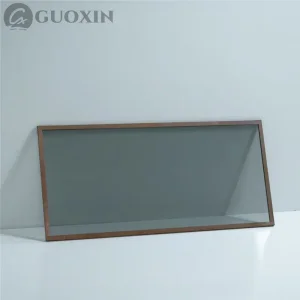
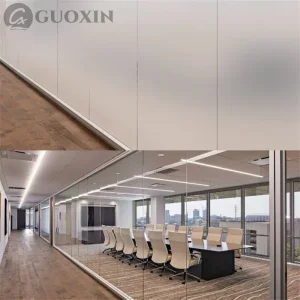
Engineered to meet strict structural and environmental requirements in commercial construction.
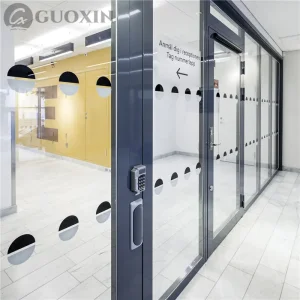
Our integrated systems combine structural aluminum frames with high-performance architectural glass to deliver unified building solutions:
Our products are engineered to address specific architectural and environmental demands in the Toronto region:
Acoustic Isolation: With Toronto's densification, transit-oriented developments near the Union Station Corridor or main arterial routes require high Sound Transmission Class (STC) ratings. Combining multi-layer acoustic PVB laminated glass with thick insulated air spaces reduces noise penetration in busy urban zones.
Condensation Control: During severe winter weather, typical interior humidity can cause condensation on metallic profiles. Our warm-edge spacer technology and thermally broken framing isolate cold surfaces, preventing interior frost formation.
Founded in 2006, Jiangsu Guoxin Glass Co., Ltd. has established a strong, 20-year track record in the architectural glass and window industry. Our company specializes in the research, development, and high-volume fabrication of advanced aluminum windows, fireproof glass systems, laminated structural safety glass, and energy-efficient insulated glass products.
Our modern production facility features automated CNC cutting tables, high-capacity tempering lines, automated insulated glass unit (IGU) assembly systems, and advanced cleanrooms for structural lamination. These resources allow us to manufacture high-precision products designed to meet the strict demands of international construction projects.
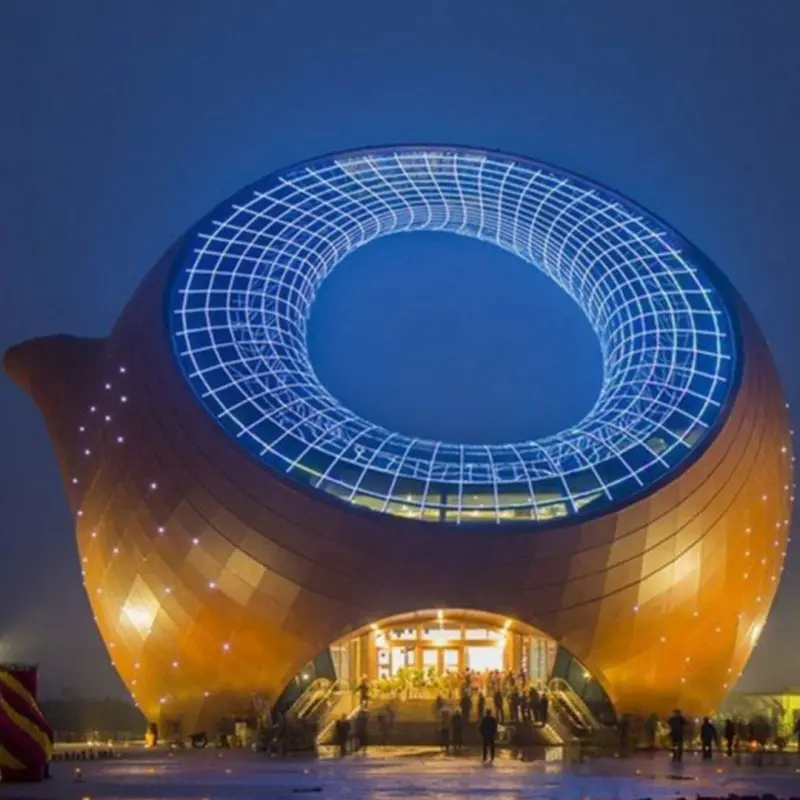
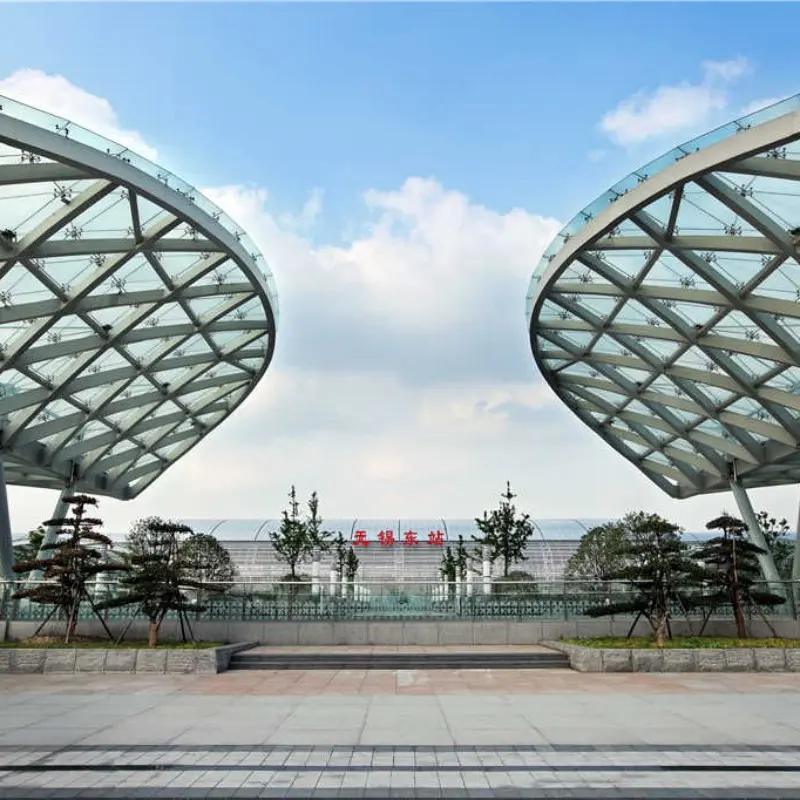
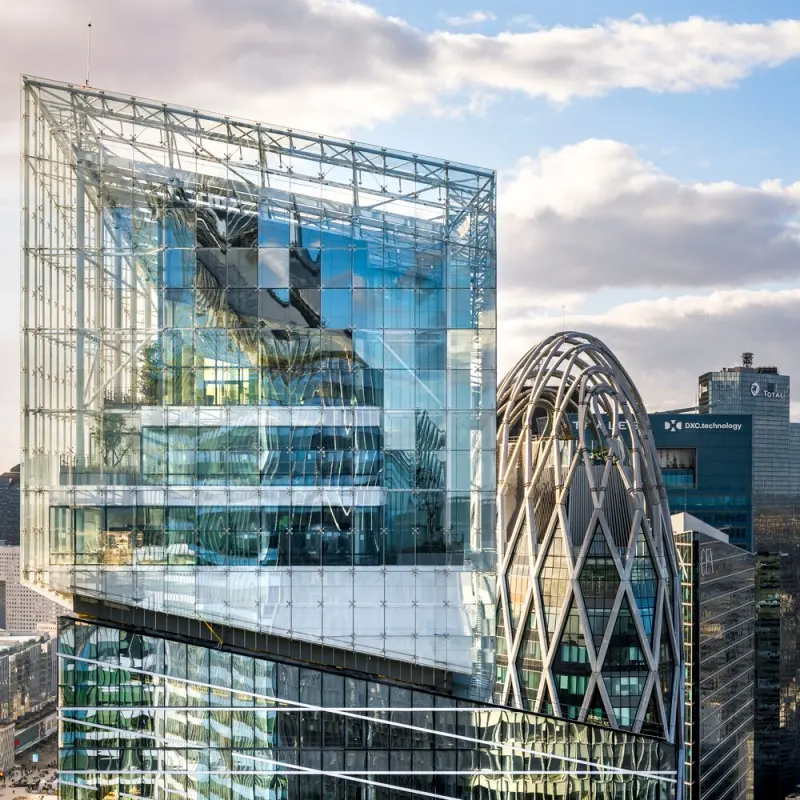
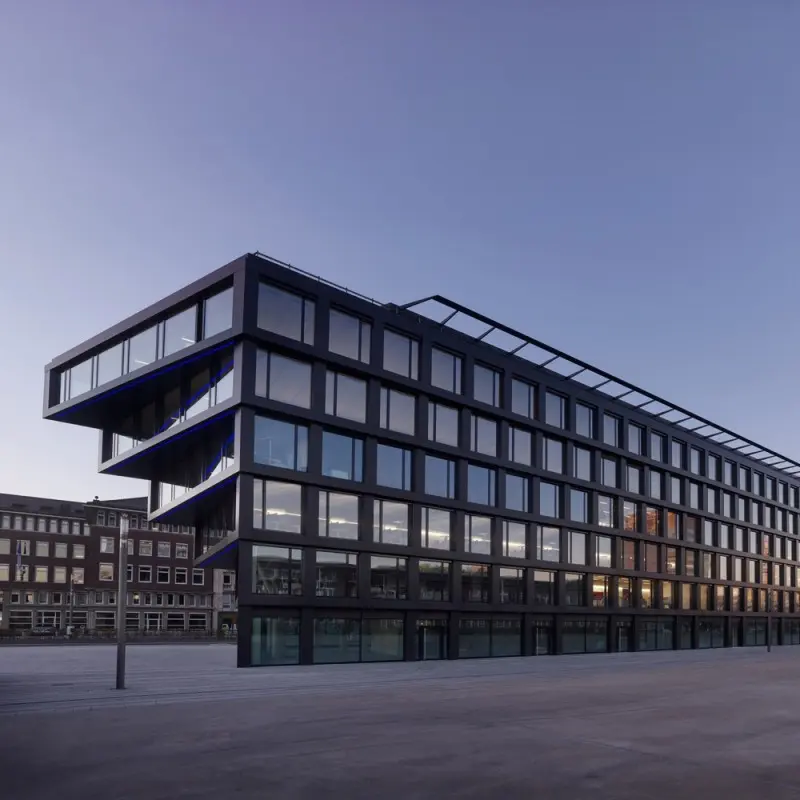
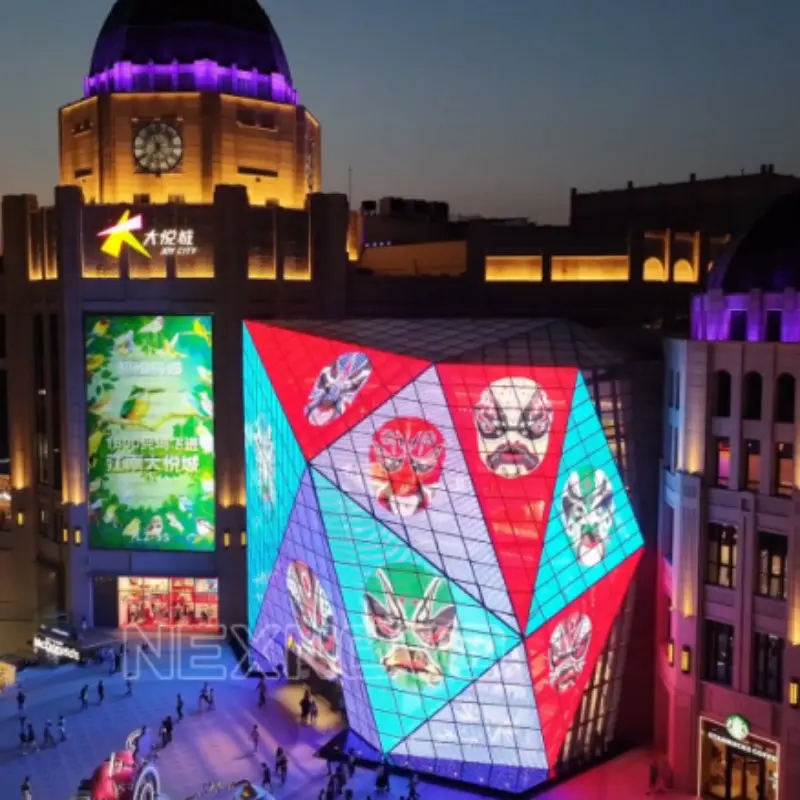
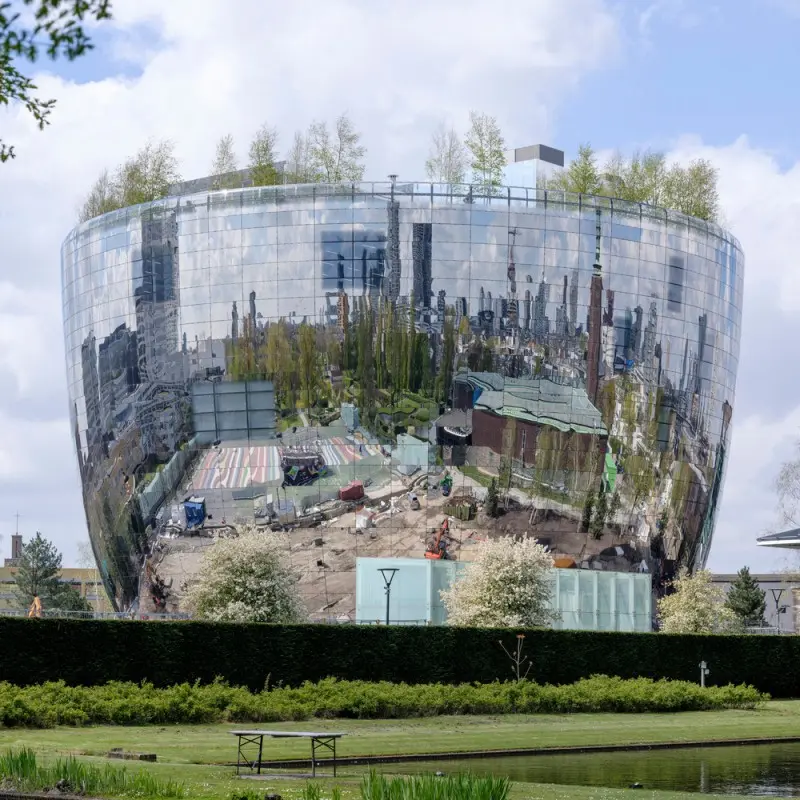
Send Inquiry NowProving our performance metrics through landmark structures across international regions.


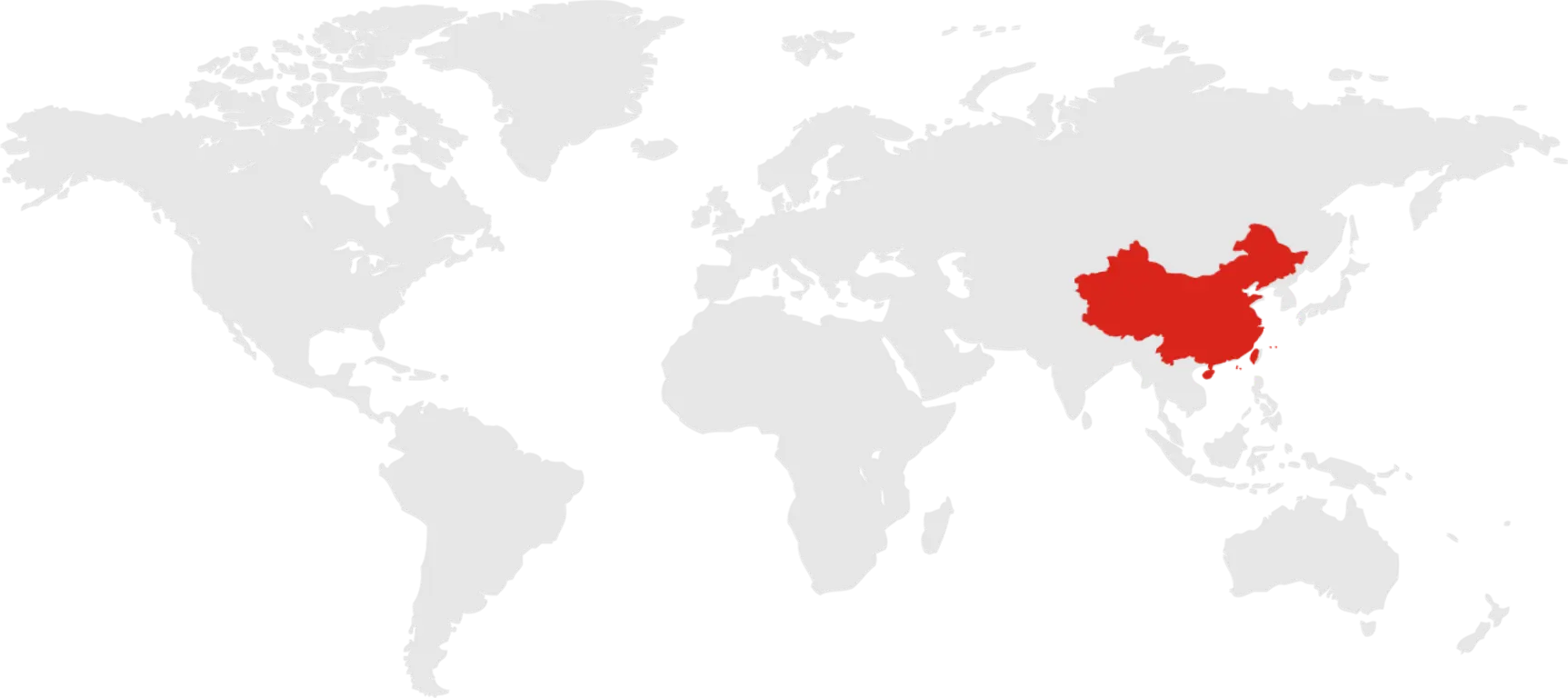
Exporting structural building components from China to North America requires careful planning, strict quality control, and robust logistics packaging. Because structural glass components are fragile and heavy-duty aluminum frames are prone to surface wear, our shipping procedures prioritize product integrity throughout transit.
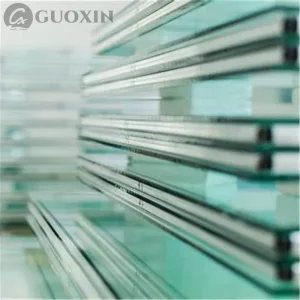
To prevent structural defects or surface scratches, all door systems are packaged to withstand maritime environments. Frames are wrapped in protective polyethylene film, reinforced at the corners, and secured inside custom-designed crates. Glass elements are separated by cork pads and packed in heavy-duty, IPPC-compliant wooden A-frames. This layout absorbs vibrations and prevents shifts during shipping and rail transit to Toronto.
Our logistics team prepares all necessary customs documentation, including certified test reports, safety declarations, and bills of lading. By coordinating closely with local brokers at Canadian ports of entry (such as the Port of Montreal or Port of Vancouver for rail transfer to Toronto), we ensure smooth clearance and minimize potential delivery delays.
Supplying high-performance architectural glass and custom aluminium framing to projects worldwide.
Essential technical and logistical details for designers, procurement managers, and developers.
Thermal break profiles utilize a low-conductive polyamide barrier to isolate the outer and inner aluminum frames. In Ontario's cold winters and hot summers, this design reduces energy loss, prevents condensation, and helps buildings comply with Supplementary Standard SB-10 of the Ontario Building Code.
Our architectural glass products are fabricated and certified under rigorous standards, including the SGCC (Safety Glass Certification Council) program, and comply with CAN/CGSB specifications for laminated and tempered safety glass. We provide certified performance datasheets, including U-factor, solar heat gain coefficient (SHGC), and visible light transmittance (VLT) measurements, for all custom orders.
The standard production cycle is 25 to 35 days, depending on custom profile requirements. Ocean shipping and rail transport to the Toronto intermodal terminal typically take between 30 and 40 days. We recommend initiating procurement 10 to 12 weeks before structural installation begins on-site.
Yes. Our engineering department works with client-provided CAD drawings to customize profile dimensions, wall thicknesses, reinforcement zones, and glazing parameters (such as Low-E, smart glass, or fire-resistant components) to meet your project's specifications.
We use heavy-duty, IPPC-certified wood crates and steel-reinforced A-frames. High-density cork spacers are placed between the glass panes to absorb vibrations, and the entire assembly is secured with tension bands to prevent movement during transit.
Explore our full range of certified high-performance glass products and custom door frames.

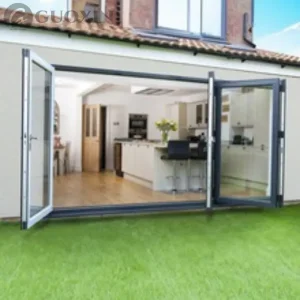
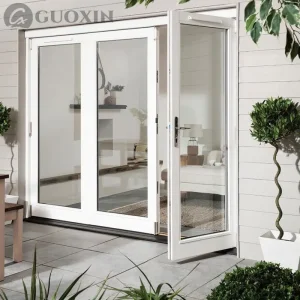
Submit your project specifications, CAD drawings, and performance requirements to receive a detailed quote from our engineering team.
 Guoxin