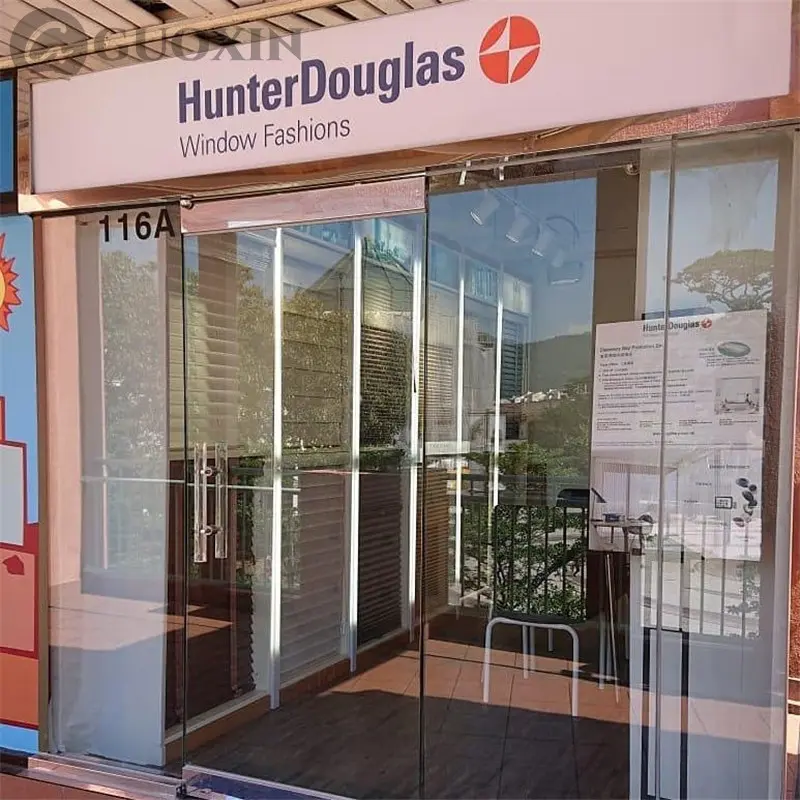
High-Quality Bullet Proof Glass Suppliers, Factories

Short Description:

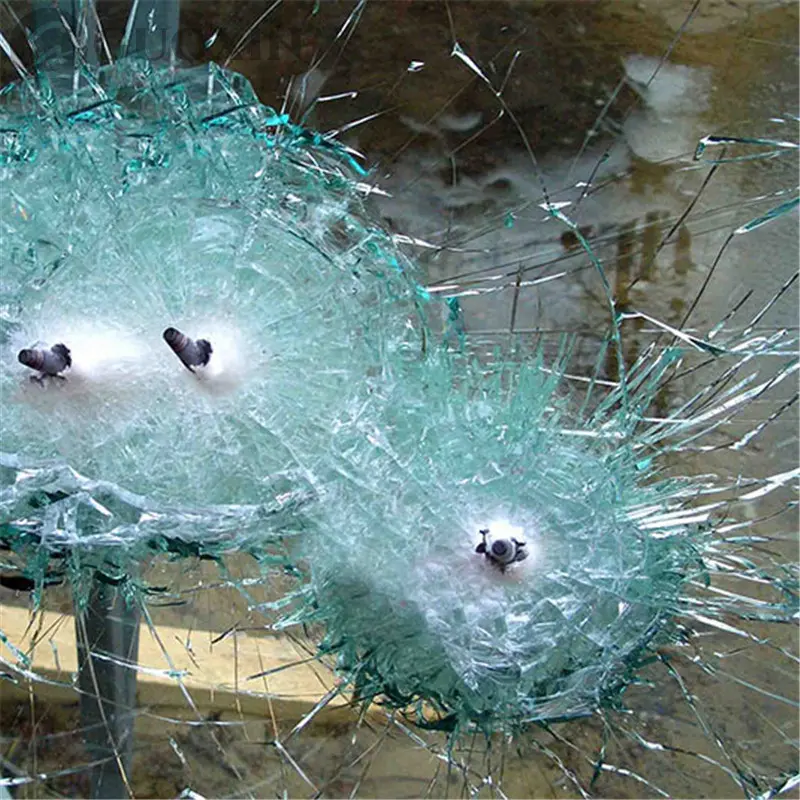
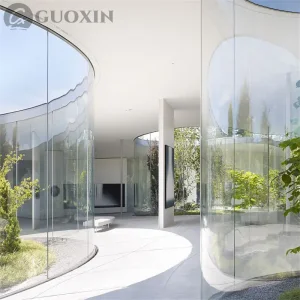
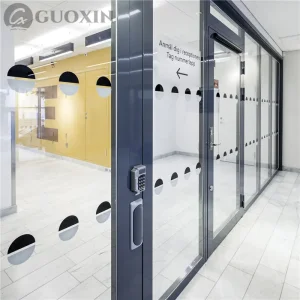
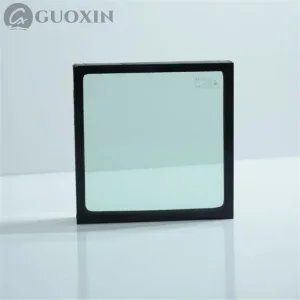
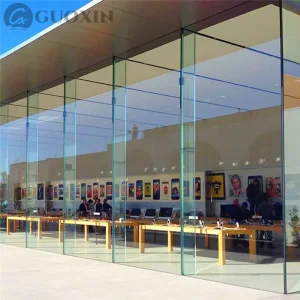
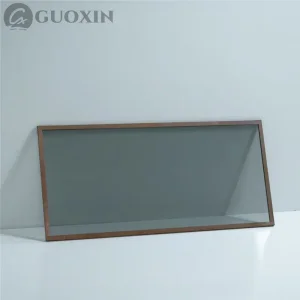
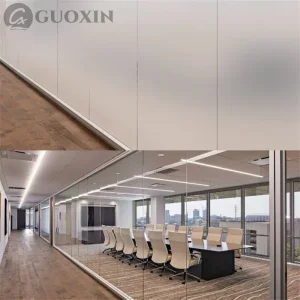
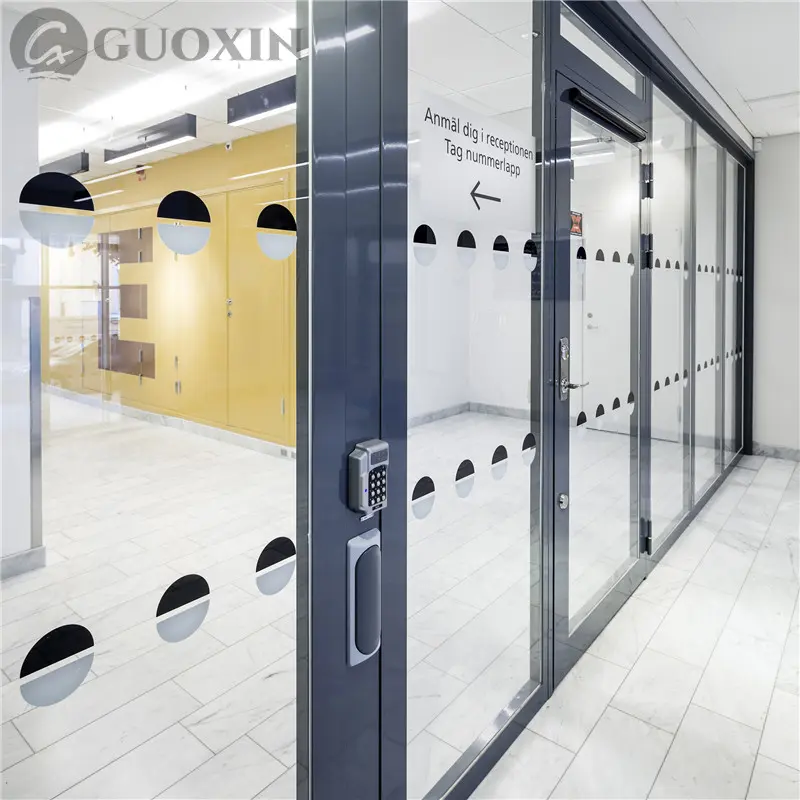
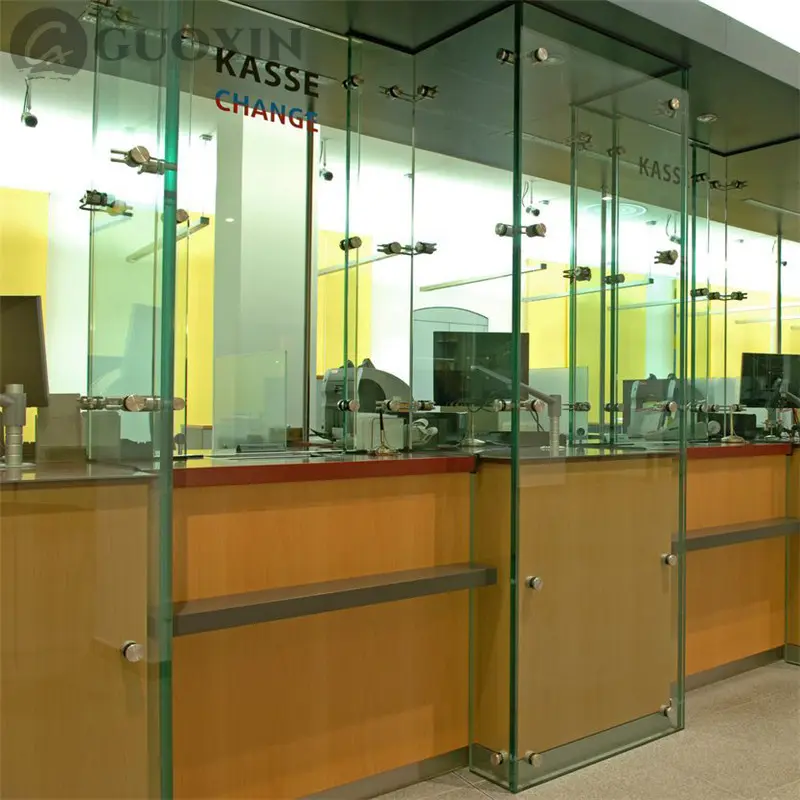
The bulletproof/bullet resistant glass is a multi-purpose protective glass for vehicles and buildings that require an extra level of security like bank and villa.

The main advantages of bullet  proof  glass:

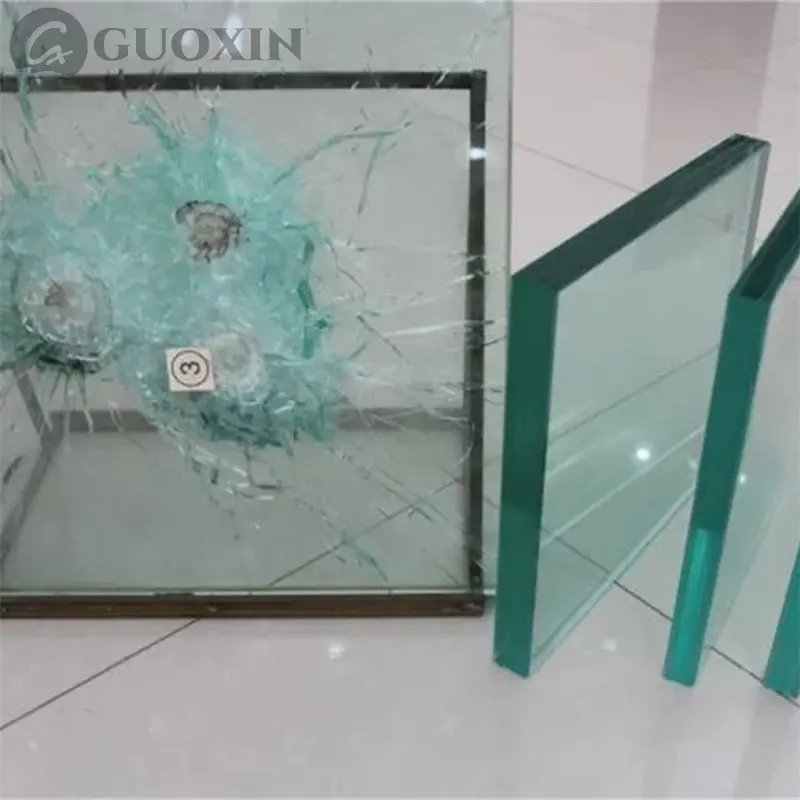
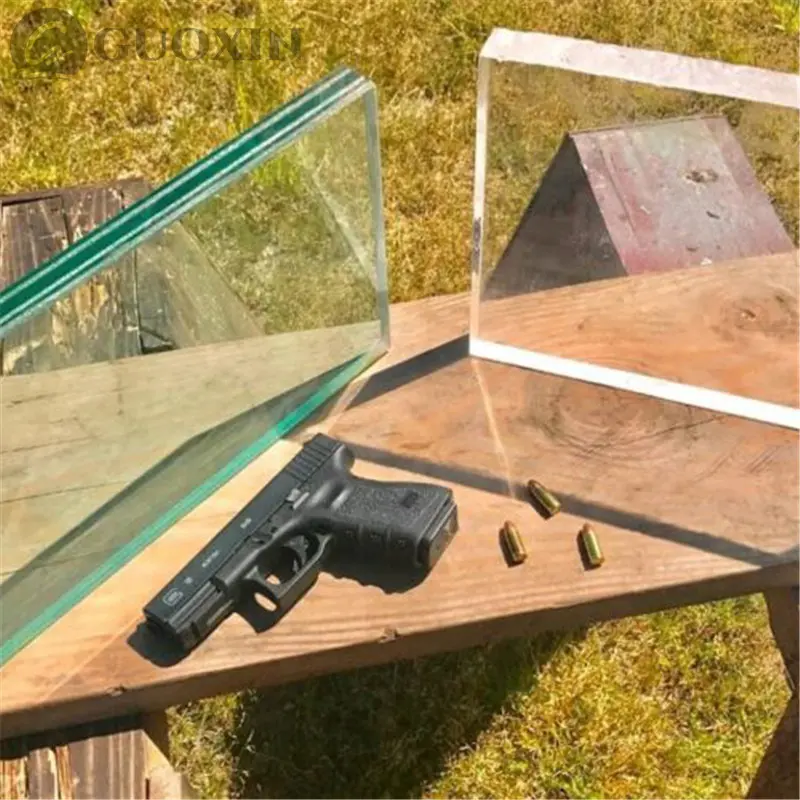
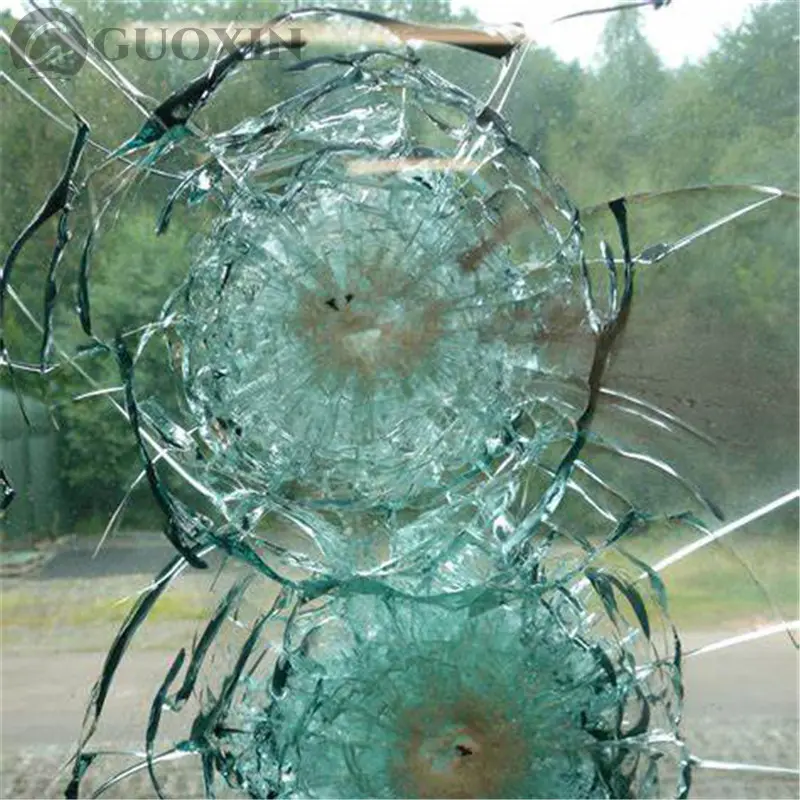
Depending on the firing weapon and glass thickness, it can sustain one or more rounds of bullets.

Product Description

Security Applications & Uses

When security is non-negotiable, bullet proof glass provides tailored solutions to counter evolving threats. From retail stores to military installations, its multi-tiered defense system ensures unmatched safety across diverse environments.

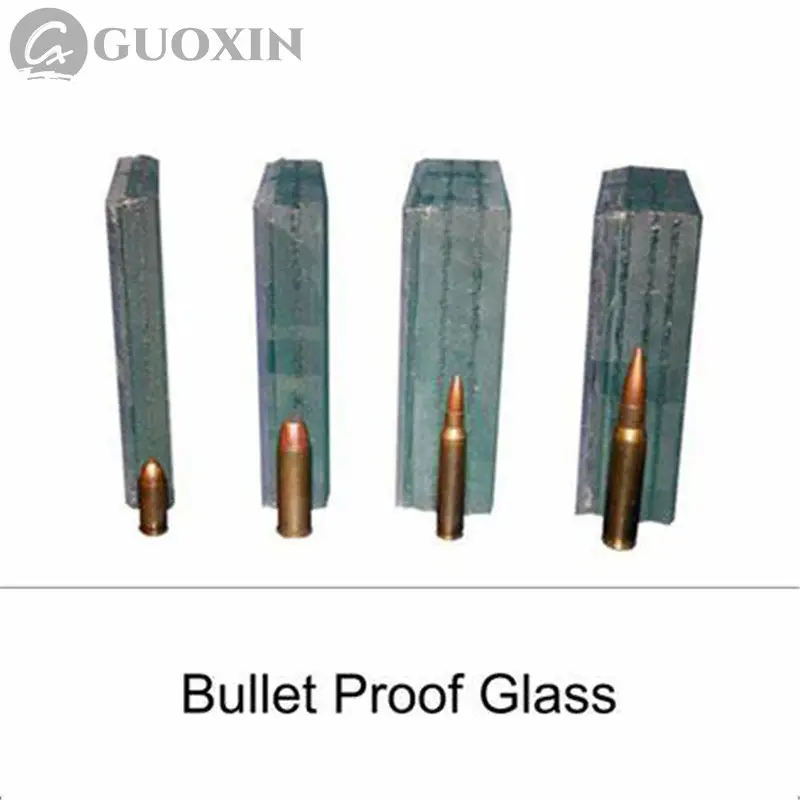
Level 1: Small Handgun Defense

Designed to stop 9mm and .38 caliber rounds, Level 1 glass safeguards petrol stations, pharmacies, and retail spaces. Its lightweight composition maintains visibility while creating a critical barrier against opportunistic attacks.

Level 2: Large Caliber Resistance

Upgraded to withstand .357 Magnum, Level 2 glass secures financial institutions and corporate offices. The reinforced interlayer absorbs impact energy, preventing penetration without compromising structural integrity.

Level 3: High-Powered Handgun Protection

For government facilities and high-risk buildings, .44 Magnum Level 3 glass deflects armor-piercing rounds from super-powered handguns. Its multi-layered design combines polycarbonate and tempered glass for superior threat mitigation.

Level 4-8/B7: Military-Grade Defense

The pinnacle of protection, B7-rated and Level 4-8 glass neutralizes assault rifles and automatic weapons. Deployed in embassies and military installations, this technology features advanced SGP interlayers for blast resistance and long-term durability.

Future-proof your security strategy: With customizable thicknesses and threat-specific ratings, bullet proof glass is the gold standard for protecting lives and assets in an uncertain world.

Product Specifications

Various types of material are used to manufacture bulletproof glass that offers a different level of protection. These levels range from level 1 (protecting against 9mm bullets) to level 10 (capable of sustaining .50 BMG bullets).

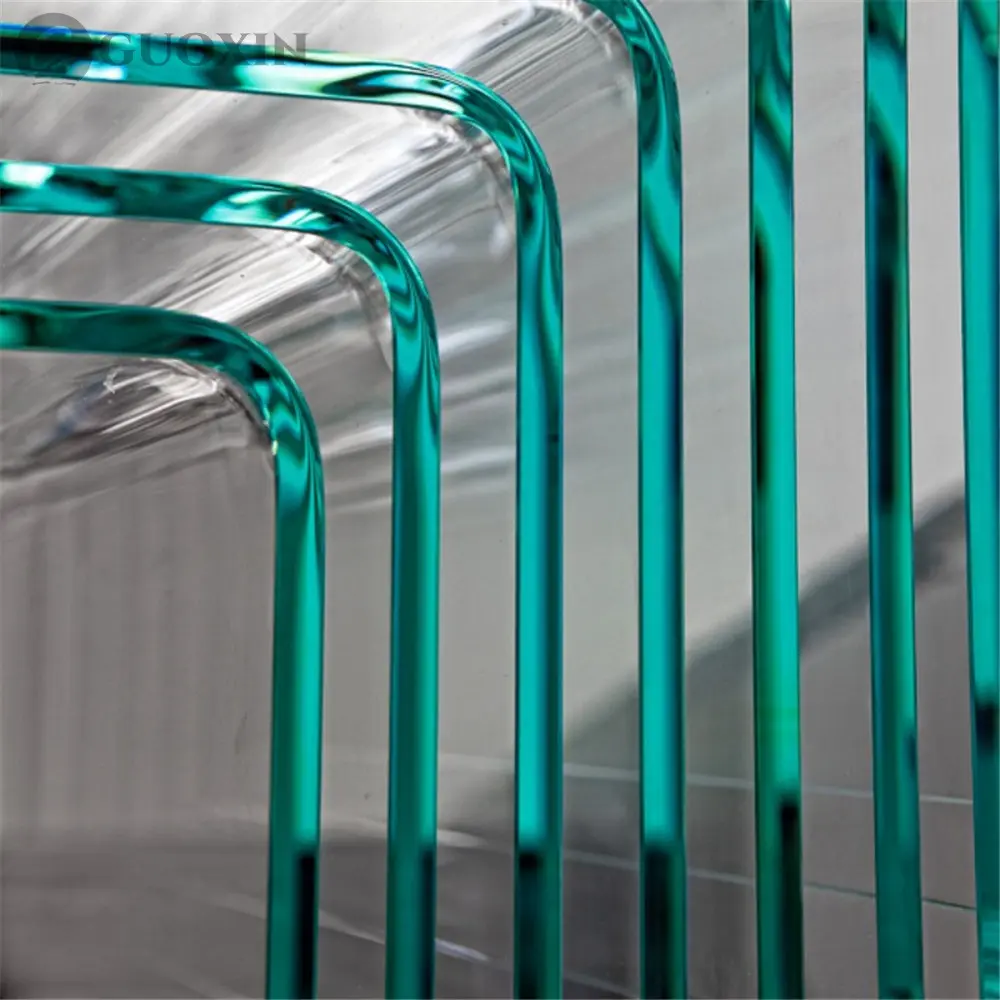
The two most common types of resins used for bullet-resistant glass are acrylic and polycarbonate plastic. Polycarbonate has become the most popular choice for achieving the utmost level of protection and durability.
Frequently Asked Questions

1. What materials are used in bulletproof glass?
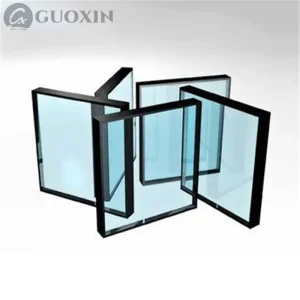
Most bulletproof glass is made using layers of tempered glass combined with interlayers of polycarbonate, acrylic, or SGP (SentryGlas Plus) resins to absorb impact energy.
2. How are the different levels of protection defined?
Protection levels (Level 1 to Level 8/B7) are defined by the glass's ability to stop specific calibers, from small handguns (9mm) to high-powered assault rifles and automatic weapons.
3. Is polycarbonate better than acrylic for security?
Yes, polycarbonate is generally preferred for higher security levels because it is tougher, more flexible, and provides superior resistance against high-velocity impacts compared to acrylic.
4. Where is Level 3 bulletproof glass typically installed?
Level 3 glass is commonly used in high-risk environments like government buildings, high-end jewelry stores, and police stations where protection against .44 Magnum rounds is required.
5. Can bulletproof glass withstand multiple shots?
Yes, most certified bulletproof glass is designed to withstand a specific number of shots within a designated area, depending on its rating and the caliber of the weapon used.
6. Does bulletproof glass lose its effectiveness over time?
High-quality bulletproof glass with advanced interlayers like SGP is designed for long-term durability; however, physical damage or delamination over many years can affect its performance.

Related Products