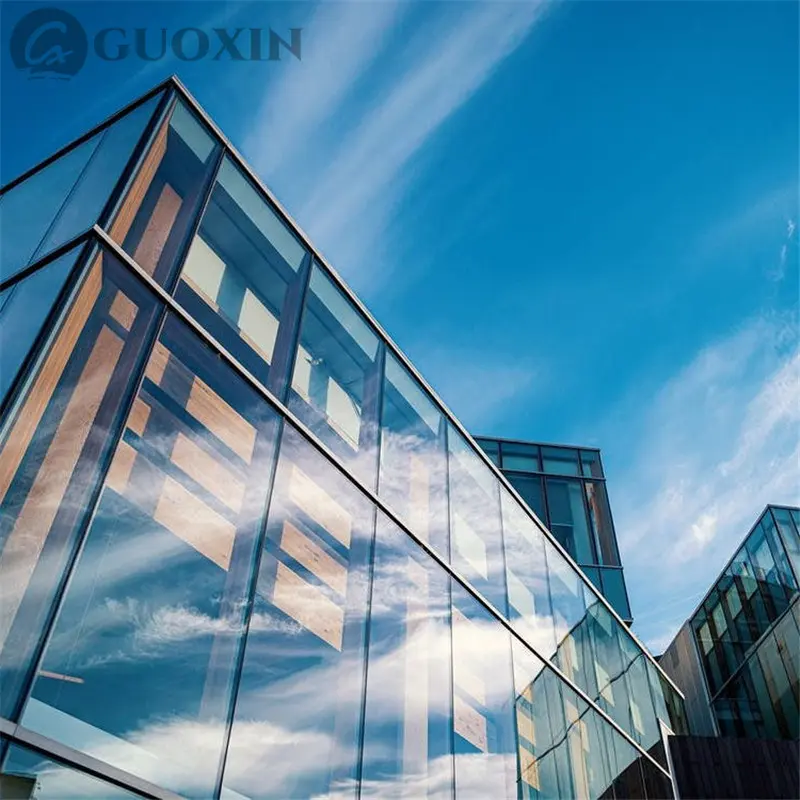
Custom Low-E Glass Manufacturers, Suppliers

Short Description:

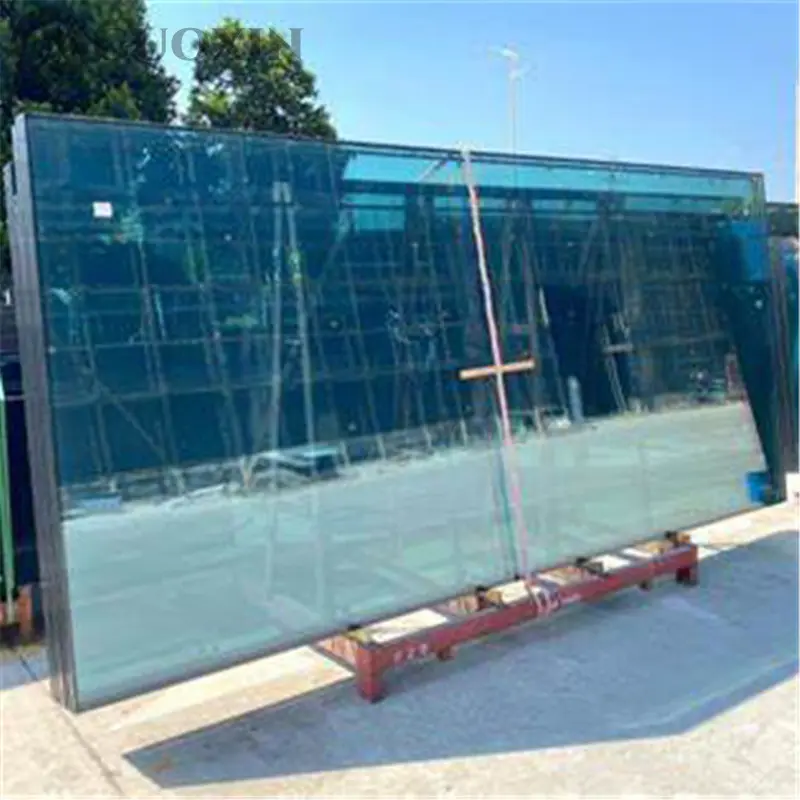
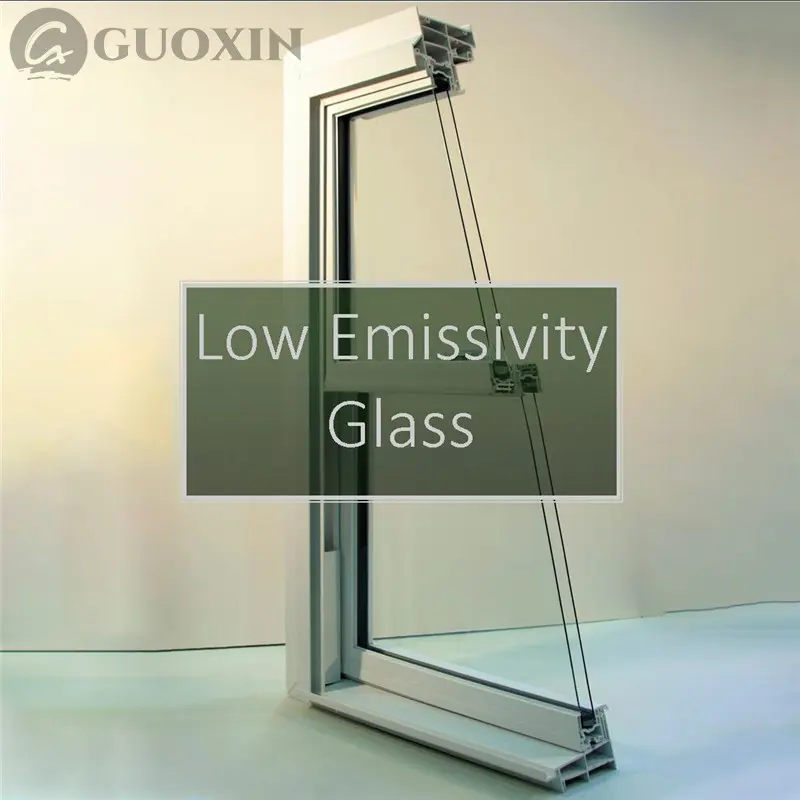
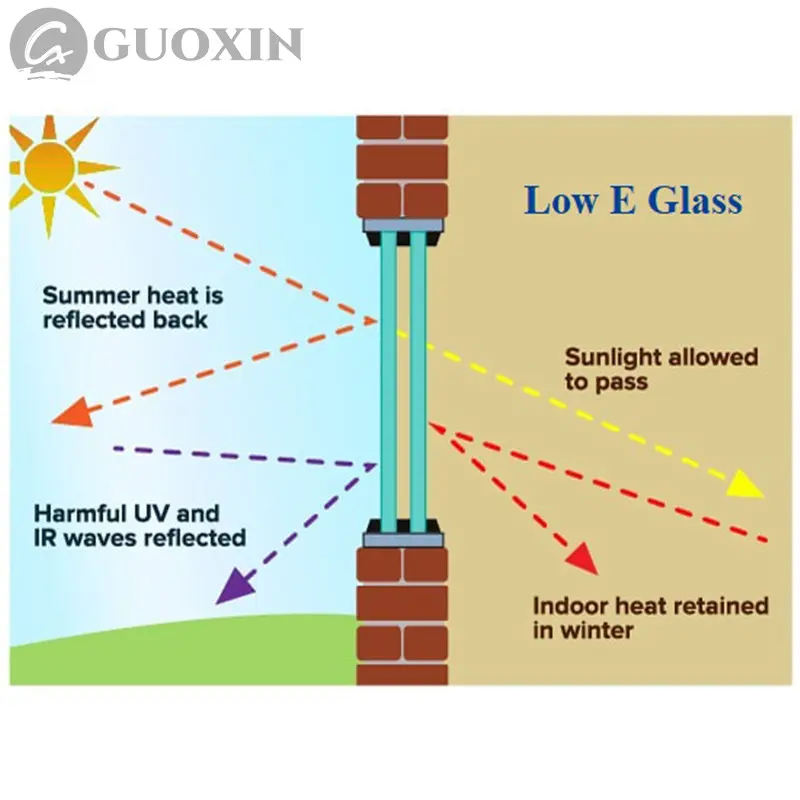
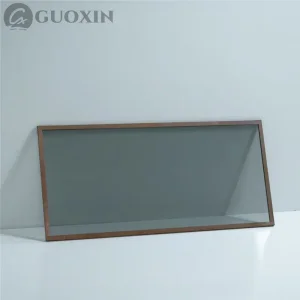
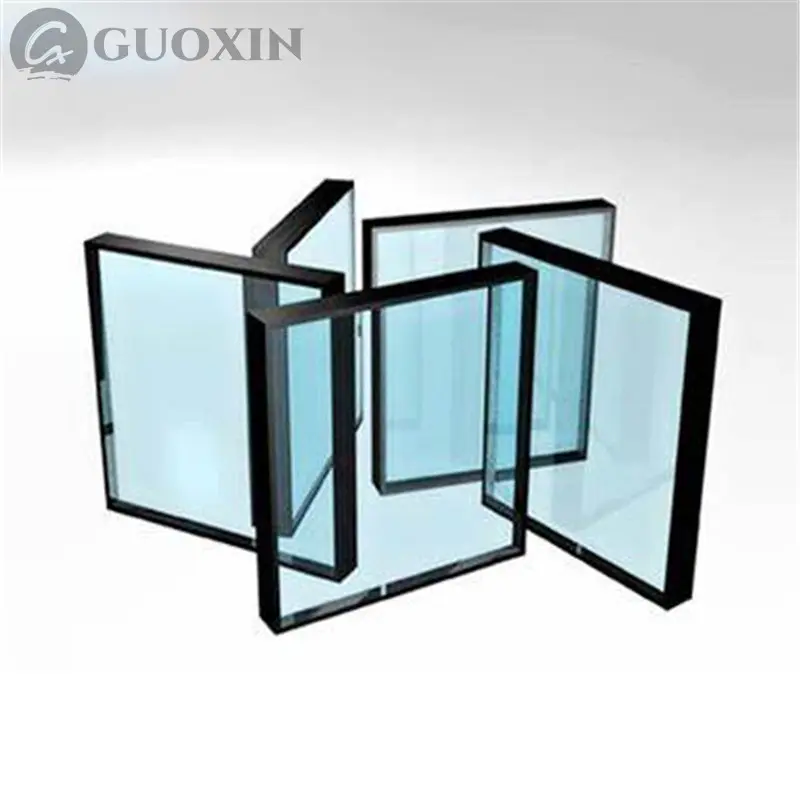
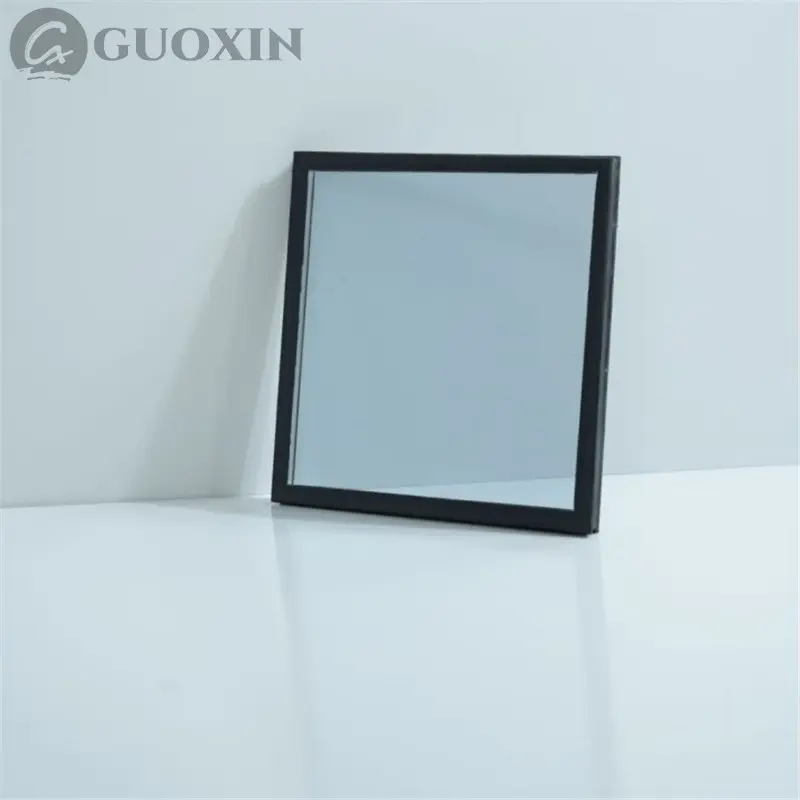
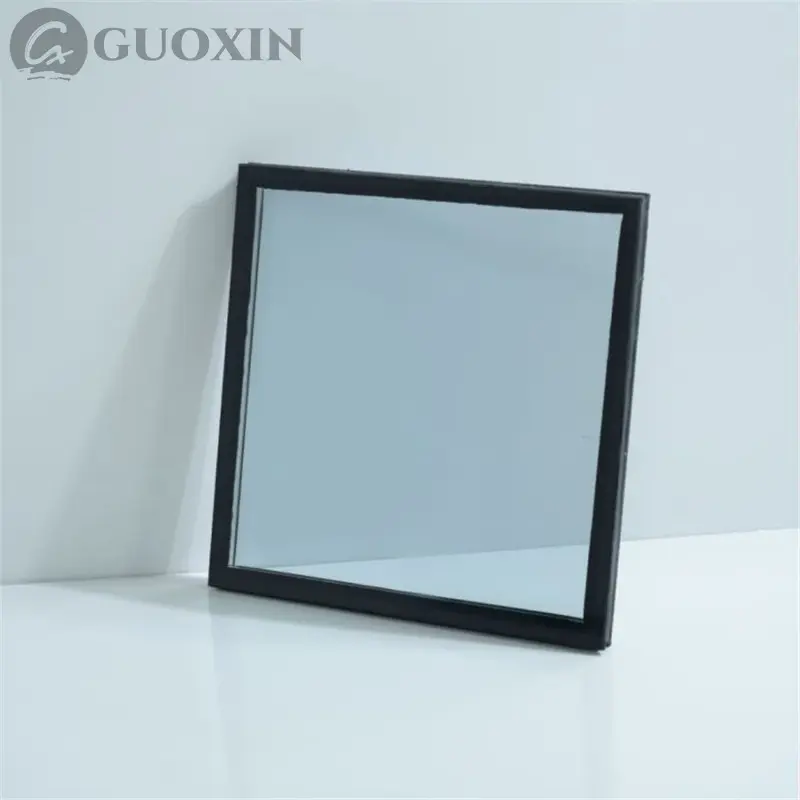
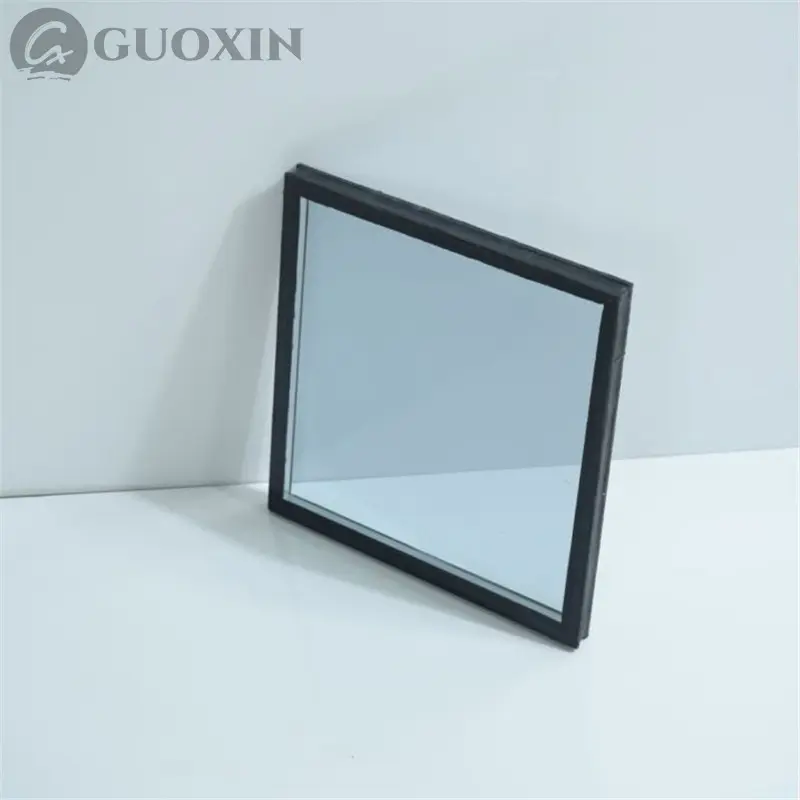
Low-emissivity glass, commonly referred to as Low-E glass, is coated with a thin film that is both silver and metal-oxide based. This unique coating allows the glass to exhibit a variety of colors. Its primary function is to lower the U-value of the glass, selectively reduce the shading coefficient, and thereby significantly enhance the energy-saving capabilities of the glass.

The main advantages of Low-E glass:

Low-E glass is used in architecture to maintain coolness in summer and warmth in winter, offering superior insulation. As a type of coated glass, it minimizes heat transfer due to temperature differences between indoors and outdoors.

Product Description

Detailed Features

Transmission Capabilities

Low-E glass encompasses two primary types: high transmission Low-E glass and sun shading Low-E glass. High transmission Low-E glass features a shading coefficient of Sc≥0.5, which minimally reduces the transmission of sunlight. In contrast, sun-shading Low-E glass has a shading coefficient of Sc<0.5, significantly reducing the transmission of sunlight.

Silver Film Structure

Silver content in film structure categorizes Low-E glass into single, double, and triple-silver types. Double-silver Low-E glass was developed for applications requiring high light transmission and low shading coefficient. Typically, double-silver Low-E glass offers greater visible light transmissivity than single-silver, while triple-silver provides even higher transmissivity. Double-silver Low-E glass is versatile for most applications.

Uses

  • 1

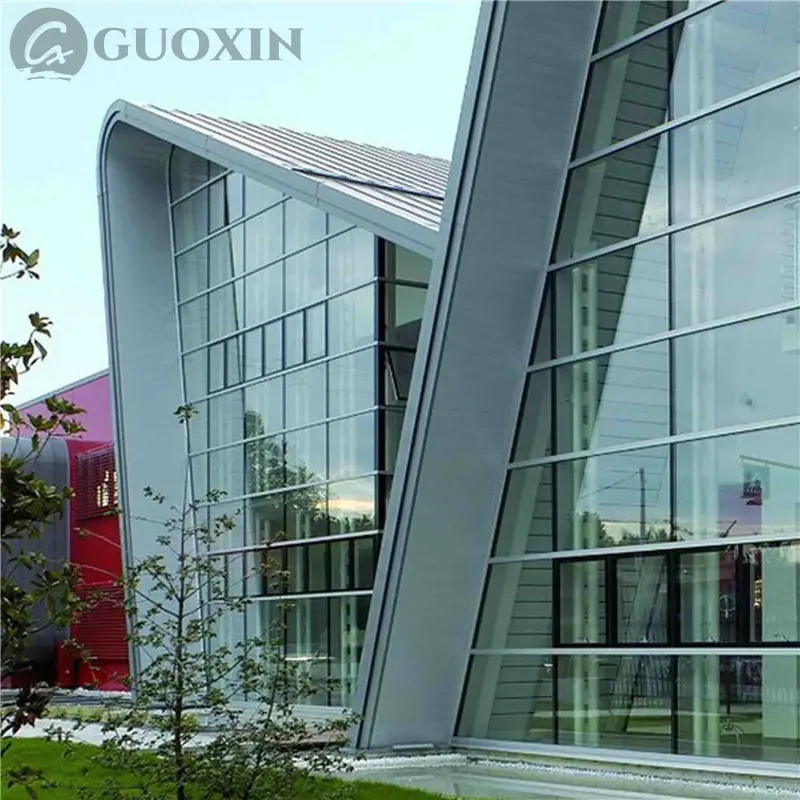
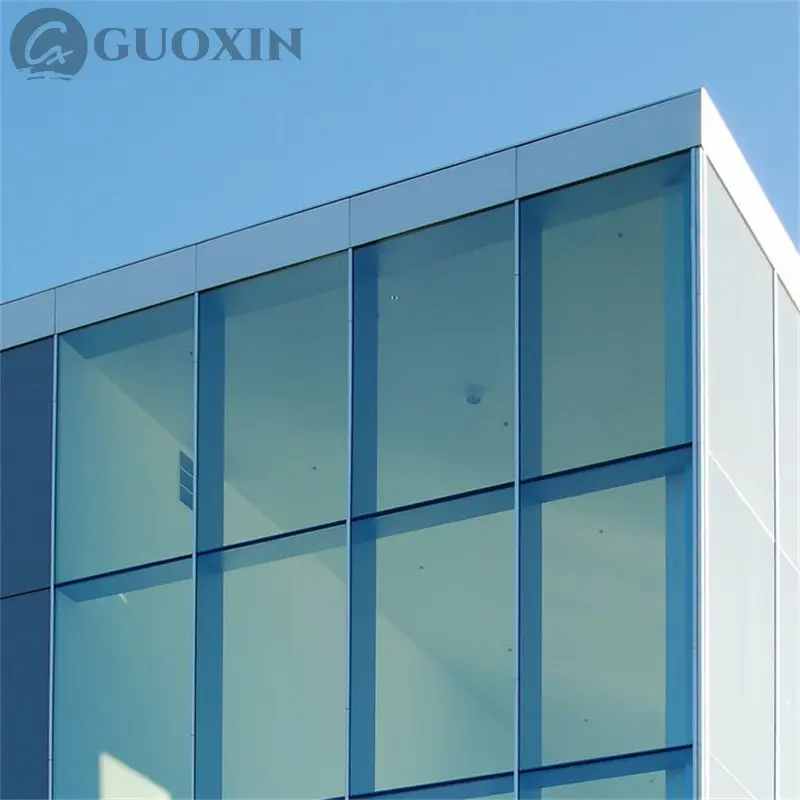
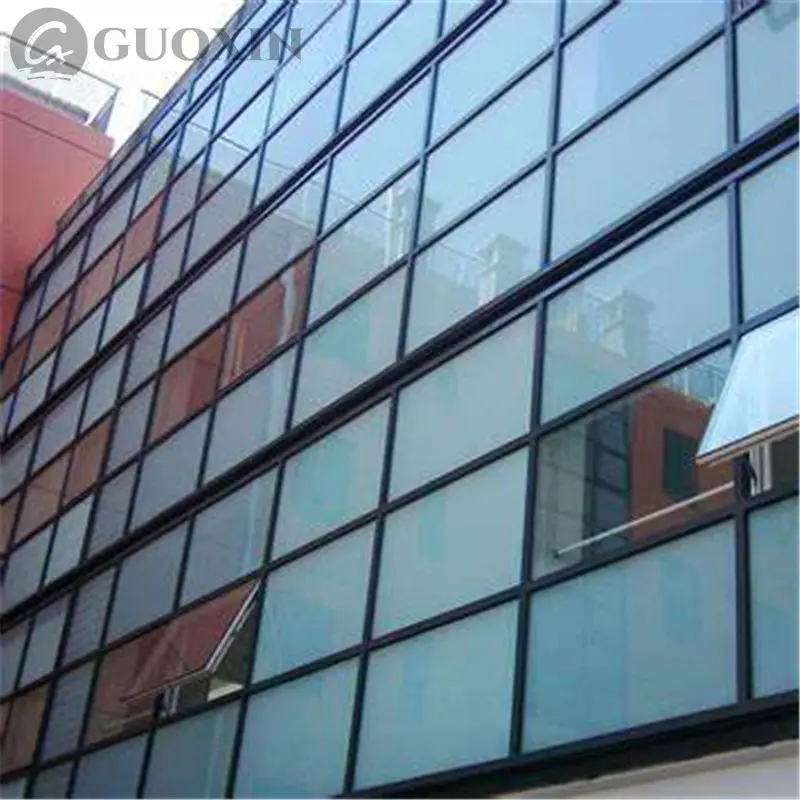
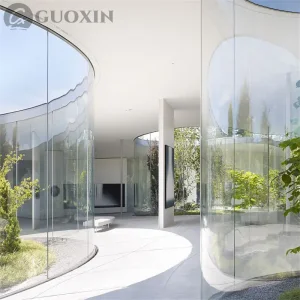
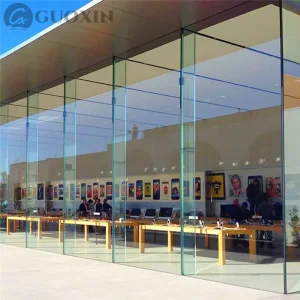
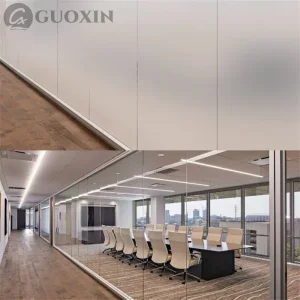
    Utilized as a glass facade or curtain wall, it is extensively applied in regions of high, medium, and low latitudes, effectively preventing external heat from penetrating indoors during the summer months.

  • 2

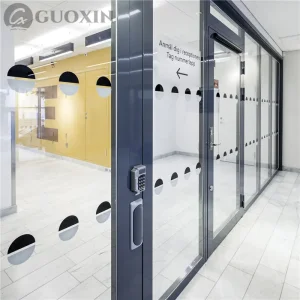
    Used as windows and doors in buildings, it significantly diminishes the radiation from indoor heat transfer to the exterior, thereby achieving the desired energy-saving benefits.

  • 3

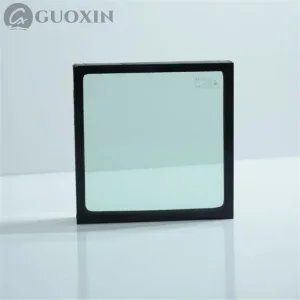
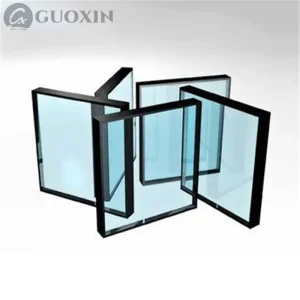
    It can be processed into Low-E laminated glass and Low-E insulated glass, finding widespread application in modern architectural construction.

Product Specifications

Available low E glass types Online low E glass, Offline low E glass
Online Low e Color Clear
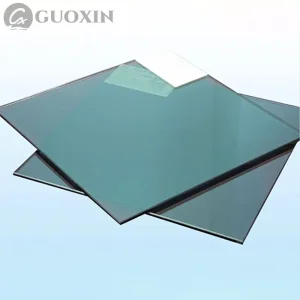
Offline Low e Color Clear low E coated glass, blue low E coated glass, gray low E coated glass, color can be customized
Thickness available 4mm, 5MM, 6MM, 8MM, 10MM low E glass
Processing services tempered, laminated, insulated, drilled holes, cut notches, beveled edges, safety corners, etc.
Size customized sizes
Glass function energy saving; UV protection, etc.
Delivery 3~10 days after deposit received. Urgent services are available.

description2

Frequently Asked Questions

What are the primary differences between online and offline Low-E glass?
Online Low-E glass has a hard coating applied during the float glass production process, resulting in high durability. Offline Low-E glass features a soft coating deposited via vacuum sputtering after the glass is made, offering higher thermal performance and more customizable color options such as clear, blue, and gray.
How does double-silver Low-E glass compare to single and triple-silver options?
Double-silver Low-E glass is engineered to balance high light transmission with a low shading coefficient. It generally provides better visible light transmission than single-silver glass, while triple-silver glass offers the highest transmissivity. Double-silver remains the most versatile option for most structural projects.
What is the distinction between high transmission and sun shading Low-E glass?
High transmission Low-E glass has a shading coefficient (Sc) of 0.5 or higher, allowing natural sunlight to pass through easily while retaining indoor heat. Sun shading Low-E glass has an Sc of less than 0.5, blockading a significant amount of direct sunlight heat from entering the building.
Where is Low-E glass typically utilized in modern architecture?
It is widely used in glass facades, curtain walls, doors, and windows across all latitudes to manage indoor temperatures. It is also processed into laminated or insulated glass configurations to enhance energy savings and UV protection.
What customized processing services can be performed on the Low-E glass?
The glass can undergo various professional processing services including tempering, laminating, insulating, drilling holes, cutting notches, beveling edges, and applying safety corners to meet specific project guidelines.
What color and thickness options are available?
Online options are available in clear. Offline options include clear, blue, and gray coatings, with colors customizable upon request. Available thicknesses include 4mm, 5mm, 6mm, 8mm, and 10mm.

Related Products