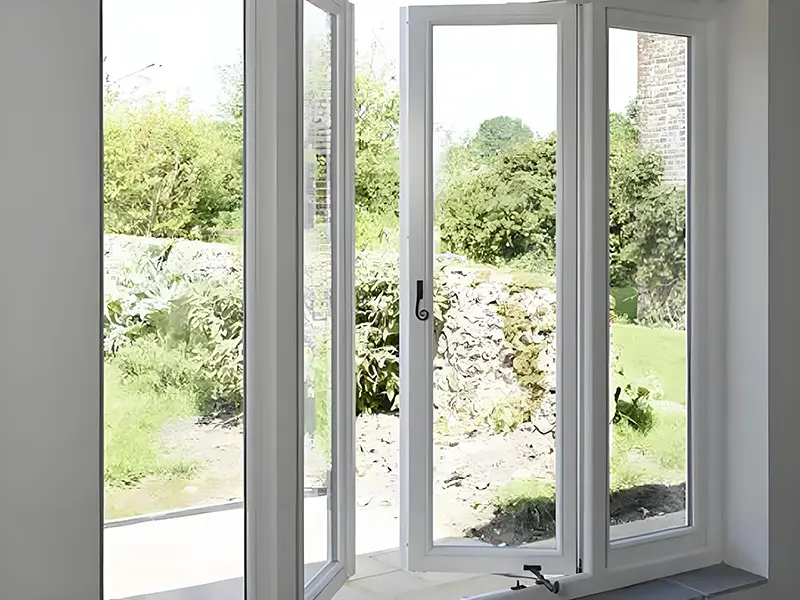
Explore our high-performance glass portfolio engineered to meet demanding structural, thermal, and architectural specifications worldwide.
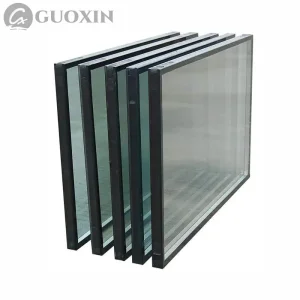
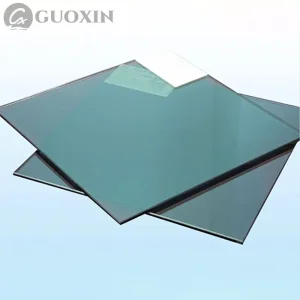
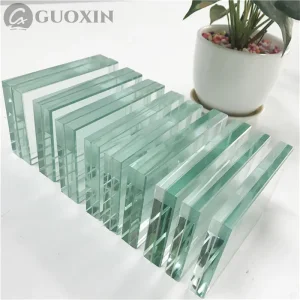
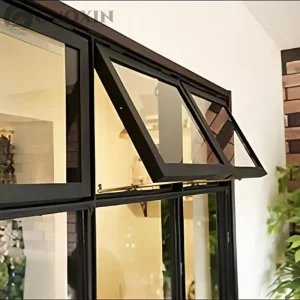
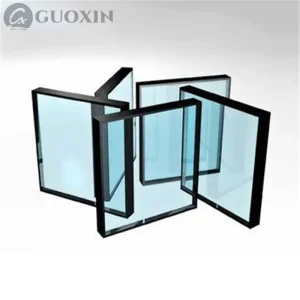
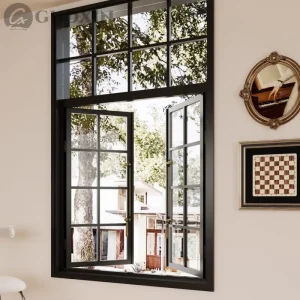
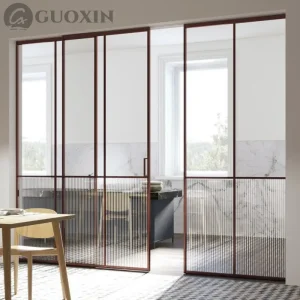
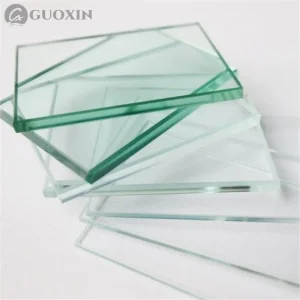
Founded in 2006, Jiangsu Guoxin Glass Co., Ltd. has established a stellar two-decade track record as a pioneering force in the global architectural glass manufacturing sector. Our persistent commitment to excellence drives our intensive R&D, structural engineering, and worldwide logistics network. We specialize in producing premium aluminum framing windows, advanced fireproof glass systems, highly secure laminated structures, and industry-leading double/triple insulated glass assemblies.
Leveraging state-of-the-art automated production, Guoxin Glass meets the strictest international performance requirements, offering customized solutions that minimize operational emissions while magnifying the aesthetic boundary of modern projects.
Our intelligent assembly installations handle multi-level processing profiles with superior technical capability.

The Physics and Engineering Dynamics of Premium Insulated Glazing Units (IGUs) in High-Performance Building Facades.
Modern building envelope design is undergoes a foundational transition from simple atmospheric isolation barriers to active thermodynamic performance interfaces. The evolution of Insulated Glass Units (IGUs) stands at the center of this transition. Today's global architecture relies heavily on custom insulated glass assemblies to minimize operational energy consumption, limit carbon emissions, and guarantee occupant thermal comfort. By trapping dry air or noble gases (such as Argon or Krypton) between two or more lites of high-performance glass, insulated assemblies introduce a complex multi-barrier thermal break that restricts heat conduction, convection, and radiative transfer.
To accurately assess IGU efficiency, structural specifiers look closely at three main metrics: the Thermal Transmittance (U-Value), the Solar Heat Gain Coefficient (SHGC), and Visible Light Transmittance (VLT). Achieving the right balance among these variables requires a deep understanding of thin-film sputter deposition technology, spacer thermal bridging, and gas retention over time. Modern double and triple glazing systems achieve U-values under 1.1 W/m²K, which translates to a drastic reduction in heating and cooling demands compared to traditional monolithic glass configurations.
Urban centers around the world are enforcing increasingly strict energy codes, driving structural glass innovations forward. Across Europe and North America, standards like the EU's Energy Performance of Buildings Directive (EPBD) and ASHRAE 90.1 are shifting triple-glazing from a premium option to a regulatory baseline. This pressure has fueled the adoption of advanced Low-Emissivity (Low-E) coatings, which utilize ultra-thin, vacuum-deposited metallic layers to reflect long-wave infrared radiation while letting short-wave visible light pass through. The latest double-silver and triple-silver Low-E options allow architects to achieve high visible light transmission without compromising thermal performance.
Another major trend is the rise of smart, responsive glazing systems. By integrating Polymer Dispersed Liquid Crystal (PDLC) or electrochromic layers, insulated assemblies can adjust their light transmission dynamically in response to electrical stimuli or ambient sunlight. This minimizes glare and solar heat gain in real-time, reducing the load on HVAC systems. Additionally, the industry is increasingly focused on the circular economy and structural weight reduction. Manufacturers are exploring thin-glass double and triple IGUs that combine high-performance thermal insulation with lighter profiles, lowering transport emissions and structural load requirements.
Procuring glass for large-scale commercial developments involves navigating complex logistical, regulatory, and technical requirements. Global developers face three primary challenges: long-term gas retention, structural sealing integrity, and strict adherence to international safety standards. An IGU is only as durable as its dual-seal border. The primary seal—typically composed of polyisobutylene (PIB)—must block moisture ingress and gas egress at a molecular level. The secondary seal, using structural silicone or polysulfide, provides the necessary mechanical strength to resist wind loads, thermal expansion, and mechanical stresses.
To avoid premature failure, condensation, or glass bending, procurement teams must verify that products carry certifications like IGCC/IGMA (North America), EN 1279 (Europe), and ISO 9001:2015. Additionally, the choice of spacer bar is critical. Traditional aluminum spacers act as thermal bridges, creating cold spots along the glass perimeter that can lead to condensation and energy loss. Modern specifications favor composite warm-edge spacers made of stainless steel and insulating polymers, which improve edge temperatures and overall U-values. The table below compares typical IGU spacer configurations:
In structural applications, a one-size-fits-all approach is rarely effective. Skyscrapers like the 450-meter-tall Nanjing Zifeng Tower face extreme wind loads and rapid pressure changes at higher elevations. To address this, the curtain wall utilizes heavy-duty insulated assemblies featuring custom glass thicknesses (typically 8mm or 10mm outer lites paired with laminated safety inner lites). These custom combinations are engineered to withstand strong wind pressures while delivering superior acoustic insulation. For high-humidity locations or projects in extreme cold, integrating triple-insulated units with argon gas and dual warm-edge seals prevents perimeter condensation and stops cold air drafts near large-format glass surfaces.
Acoustic performance is another major consideration for urban infill projects. Combining lites of different thicknesses—such as an 8mm tempered pane with a 6mm tempered pane—breaks up sound waves across different frequencies, reducing noise transmission. Adding a PVB or SGP acoustic inter-layer to one of the lites further improves sound dampening, creating quiet indoor environments even next to busy transportation routes or industrial centers.
The future of architectural glass lies in achieving extreme thermal resistance while maintaining thin, lightweight profiles. The most promising technology in this space is Vacuum Insulated Glass (VIG). By replacing the gas-filled cavity with a narrow vacuum gap (typically 0.1mm to 0.2mm) kept open by tiny support pillars, VIG eliminates conductive and convective heat transfer almost entirely. This allows a double-pane VIG unit to match the thermal performance of a thick triple-glazed unit, all while maintaining the slim profile of single-pane glass—making it an excellent choice for retrofitting historical facades.
Simultaneously, the industry is moving closer to net-zero carbon float glass production. Manufacturers are exploring alternative fuels like green hydrogen and installing carbon capture systems on melting furnaces to reduce the embodied carbon of architectural glass. By combining these low-carbon glass options with next-generation low-emissivity coatings and durable structural inter-layers, the next generation of insulated glass will help buildings become active, energy-generating structures rather than passive energy consumers.
Real-world validation of Guoxin Glass's engineering capabilities in high-profile international structures.
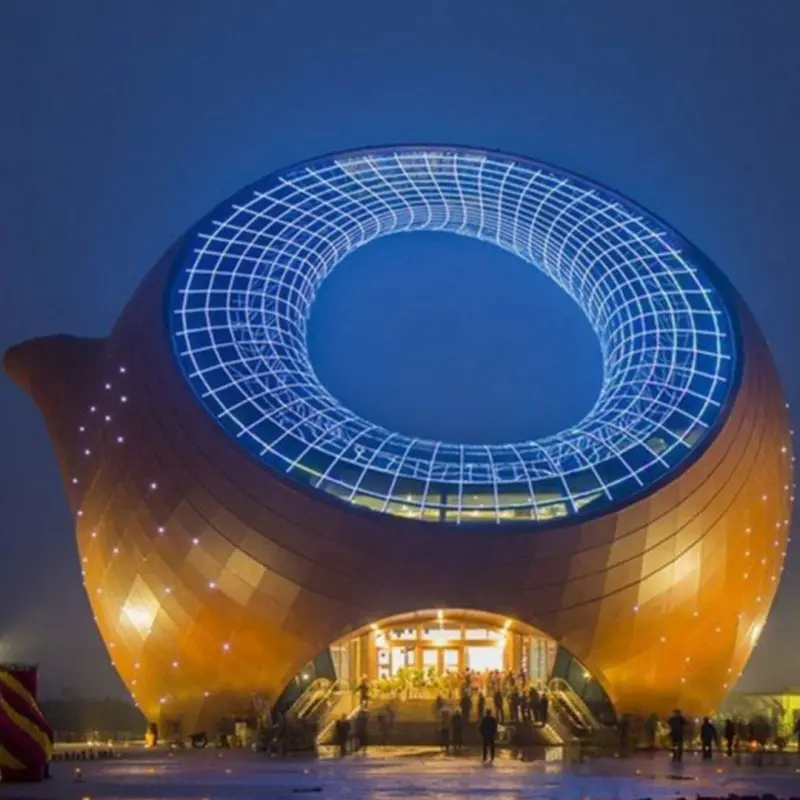
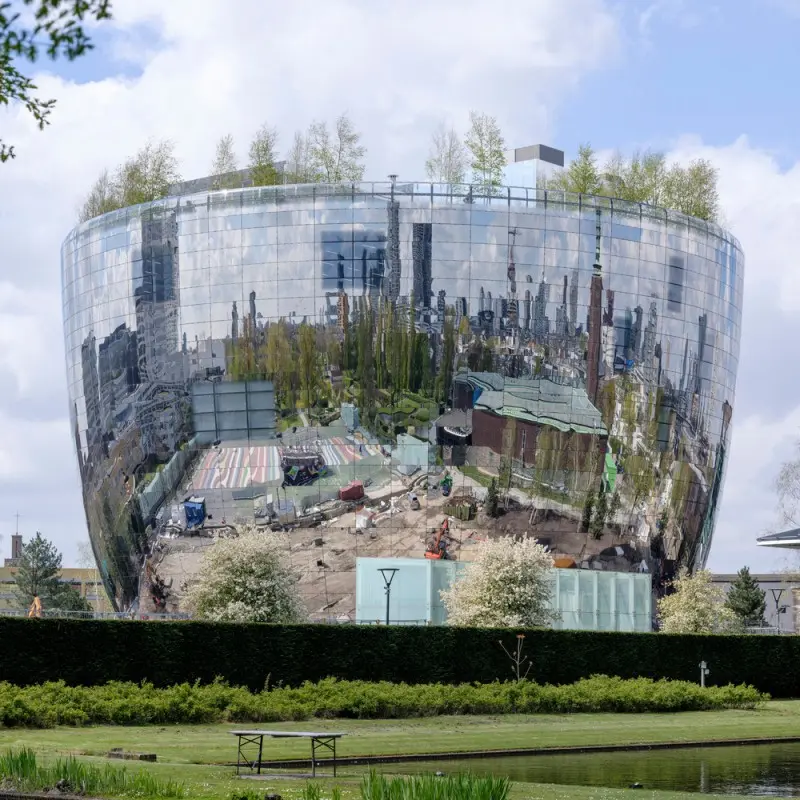
Awarded the Guinness World Record as the largest purple clay pot-shaped building. Standing 38.8 meters high, its complex double-curved dome features custom-cut artistic stained glass and aluminum framing systems manufactured by Guoxin.
A 450-meter-tall skyscraper featuring office spaces, shopping complexes, and luxury hotels. The building utilizes our custom double-seal, gas-filled Insulated Glass Units throughout its unitized curtain wall to withstand high wind loads and limit thermal transfer.
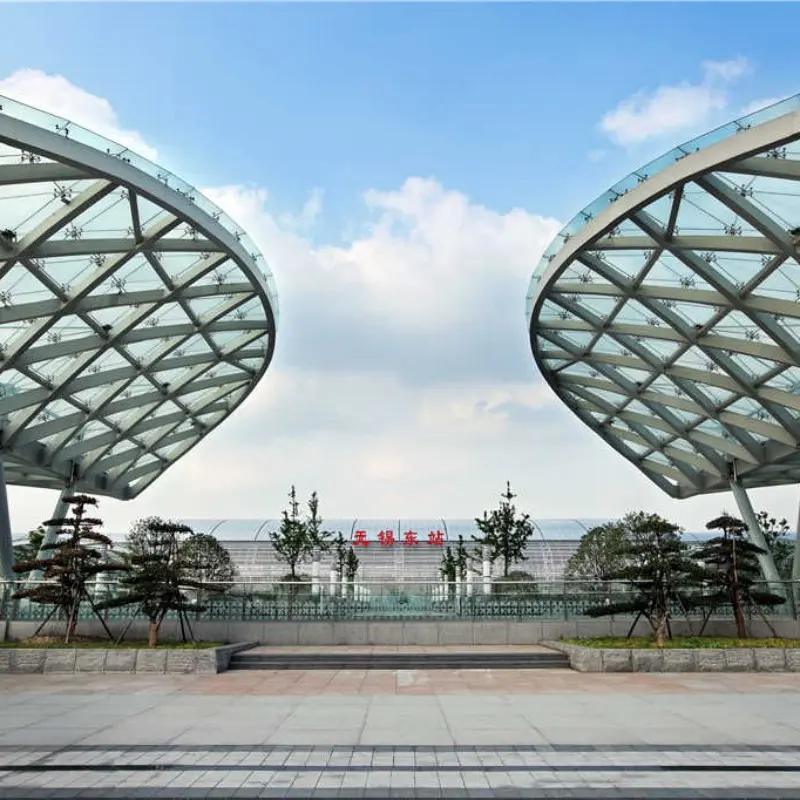
Renovated using thousands of square meters of our high-strength laminated glass panels. This major double-sided elevated transit hub relies on Guoxin products to guarantee passenger safety and maintain acoustic insulation.
A visual gallery showcasing our structural glazing, windows, doors, and art glass installations across global projects.
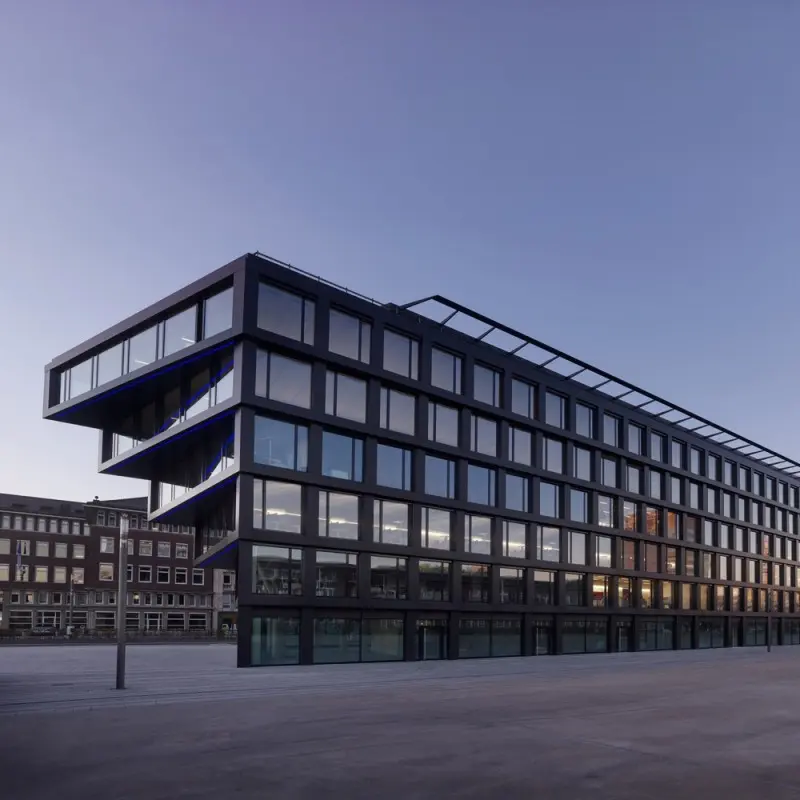
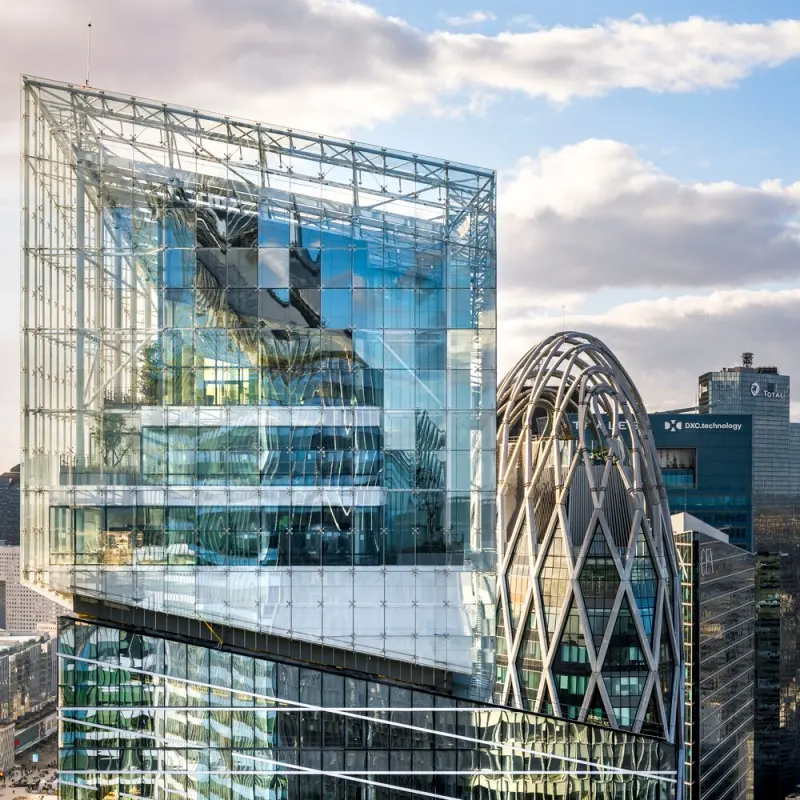
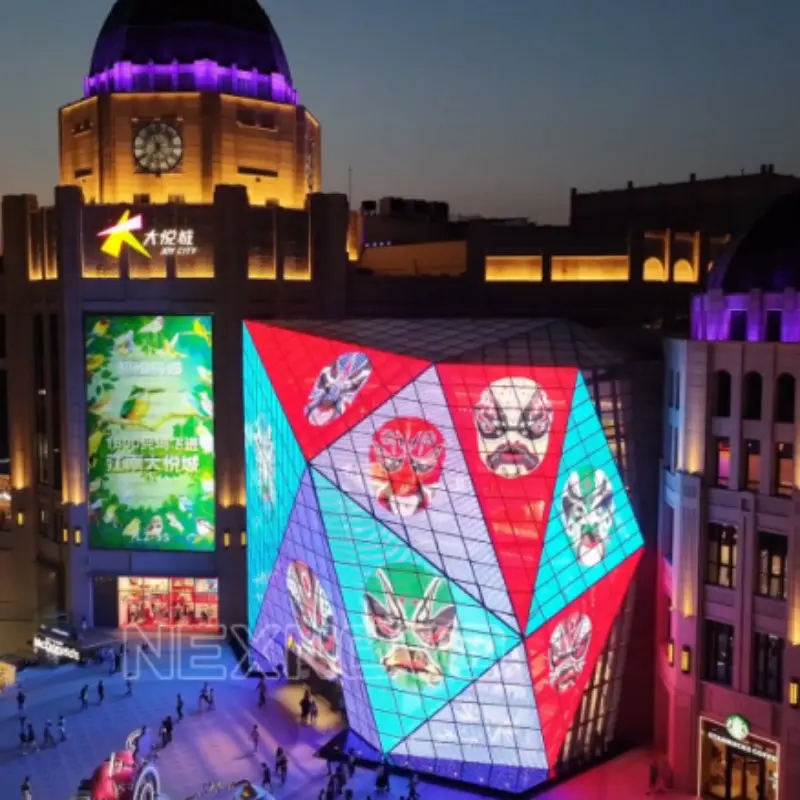
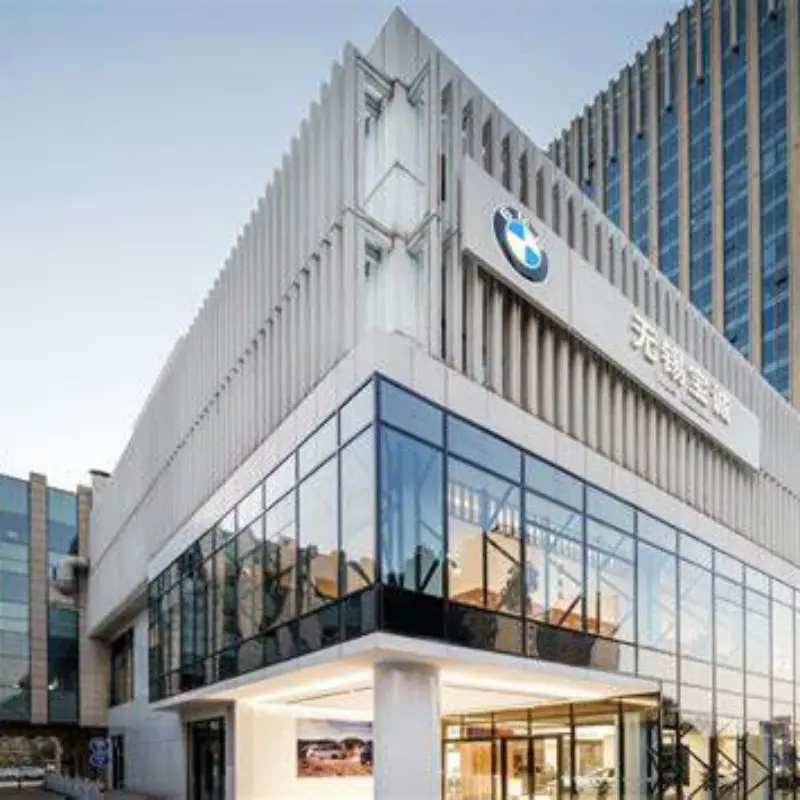
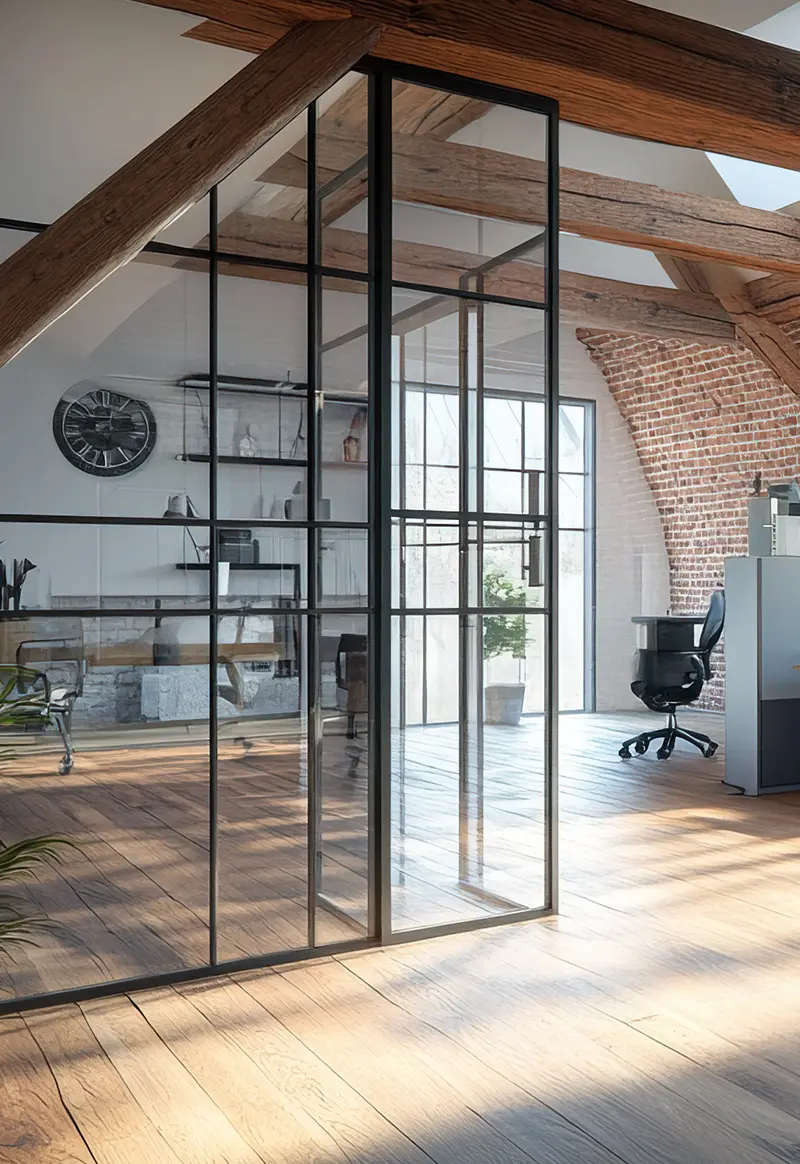
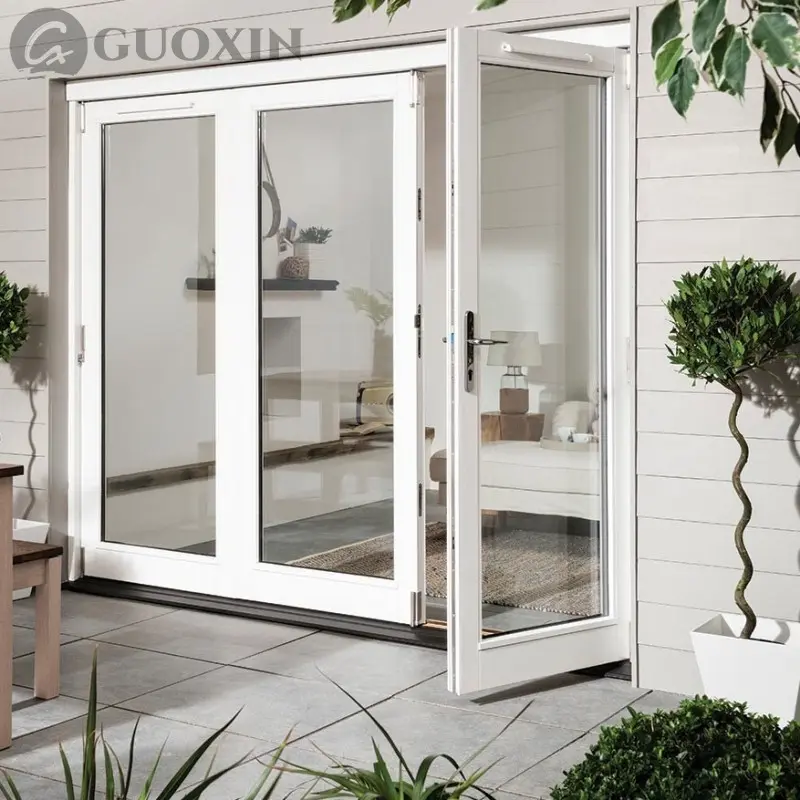
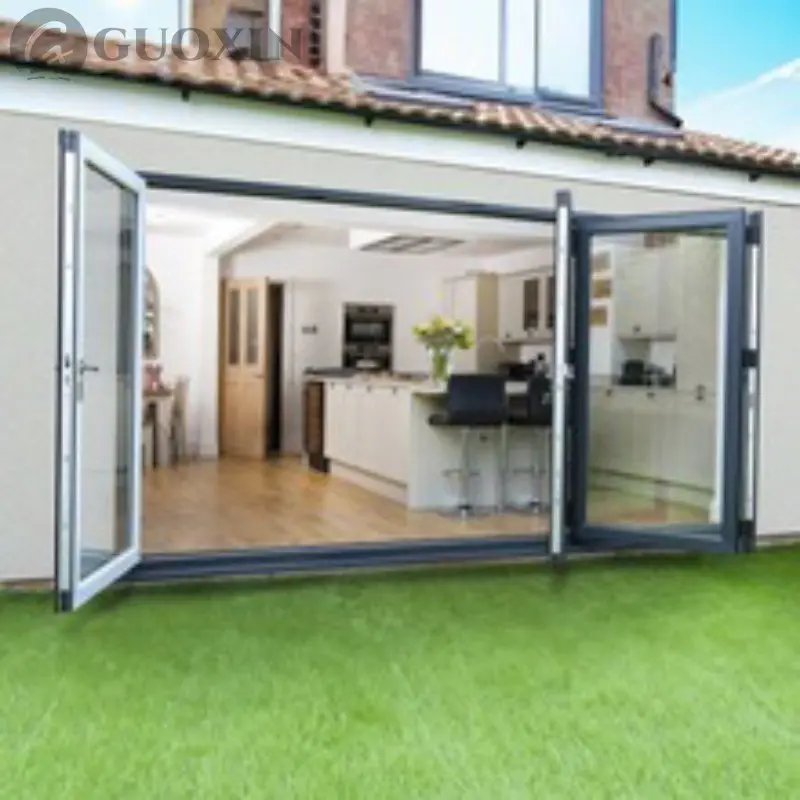
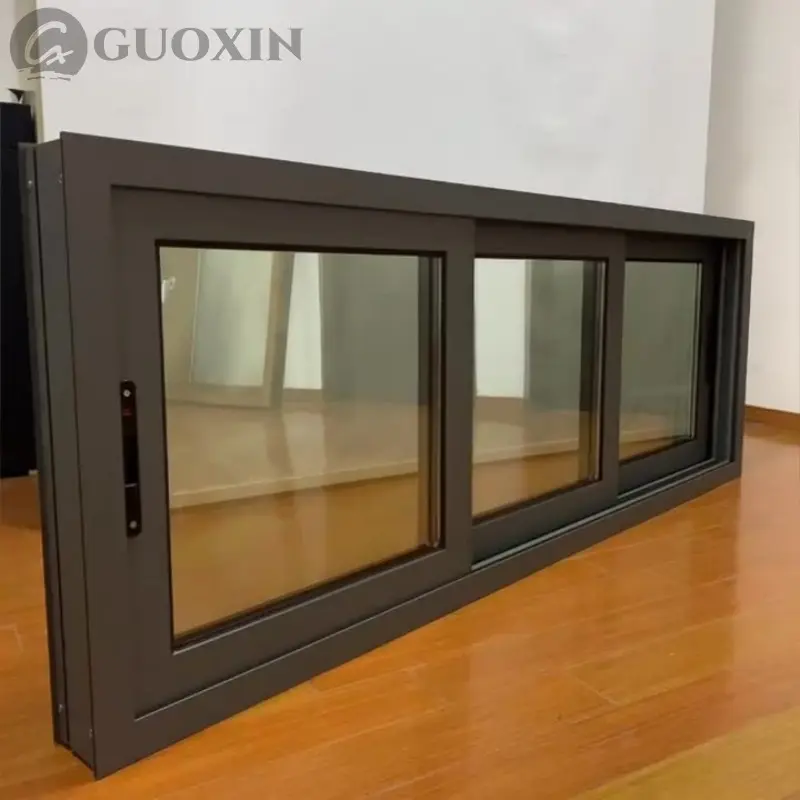
Combining heavy-duty thermal-break profiles with premium insulated double or triple glazing systems.
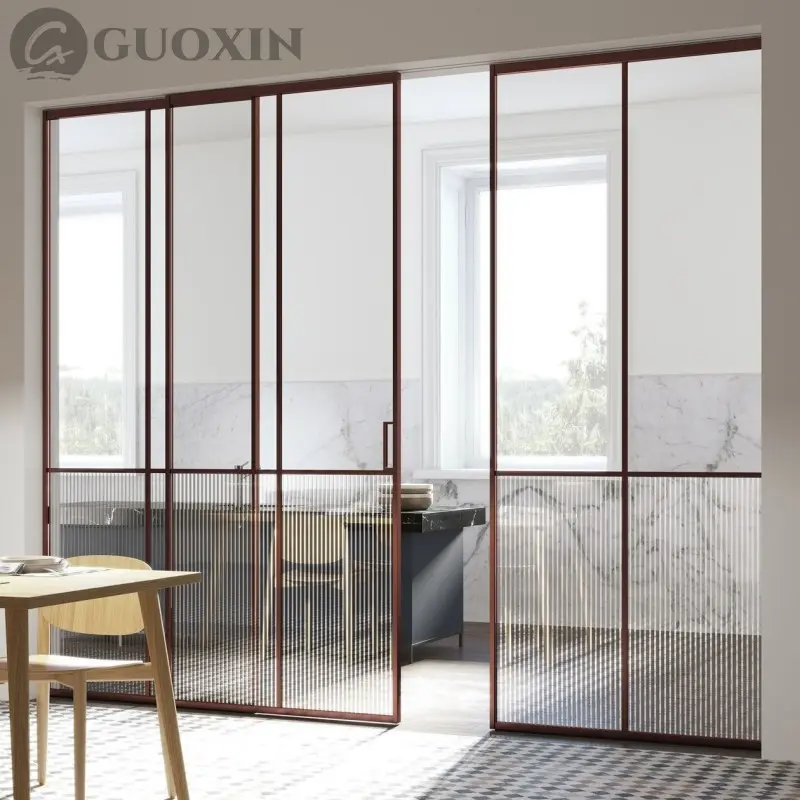
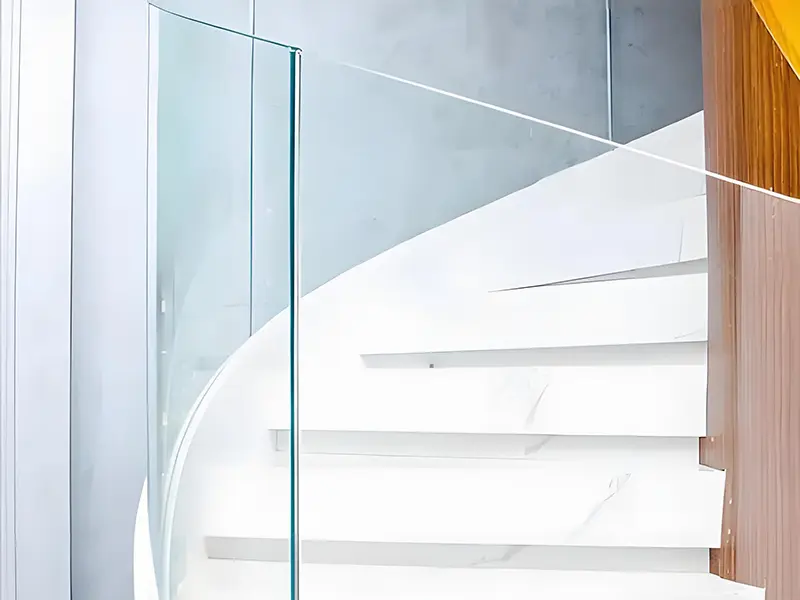
The ultimate safety, shielding, and curved structural glasses favored by architectural designers globally.
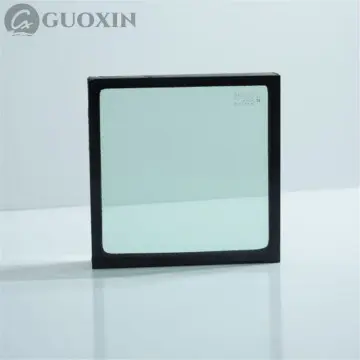

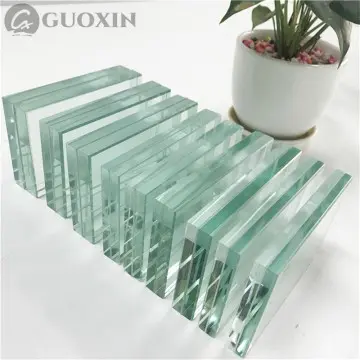
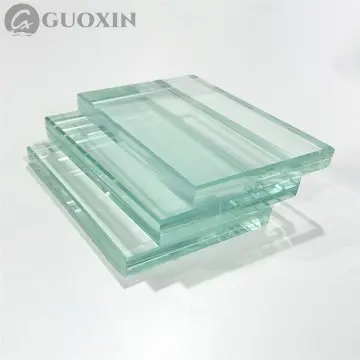
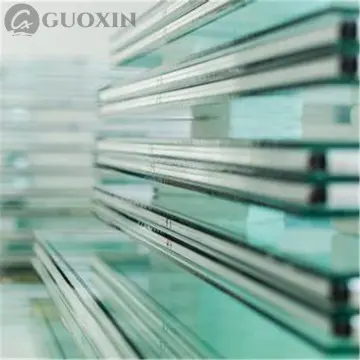
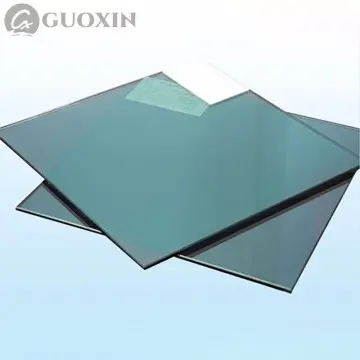
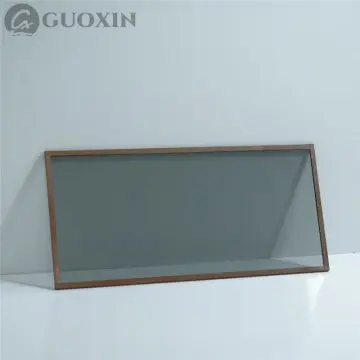
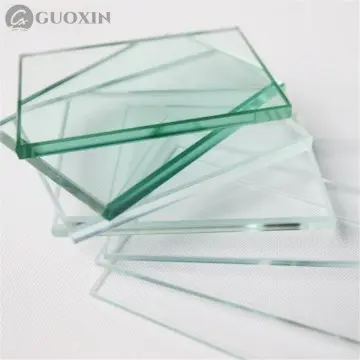
Guoxin Glass follows a simple philosophy: Quality First, Customer First, and Credit-Based. We provide end-to-end design and manufacturing support, delivering customized architectural glass profiles engineered to meet strict structural and energy-efficiency standards globally.
Consult an Engineer / Request Custom QuoteStay informed with the latest tech articles, product comparisons, and structural safety updates from Guoxin Glass.
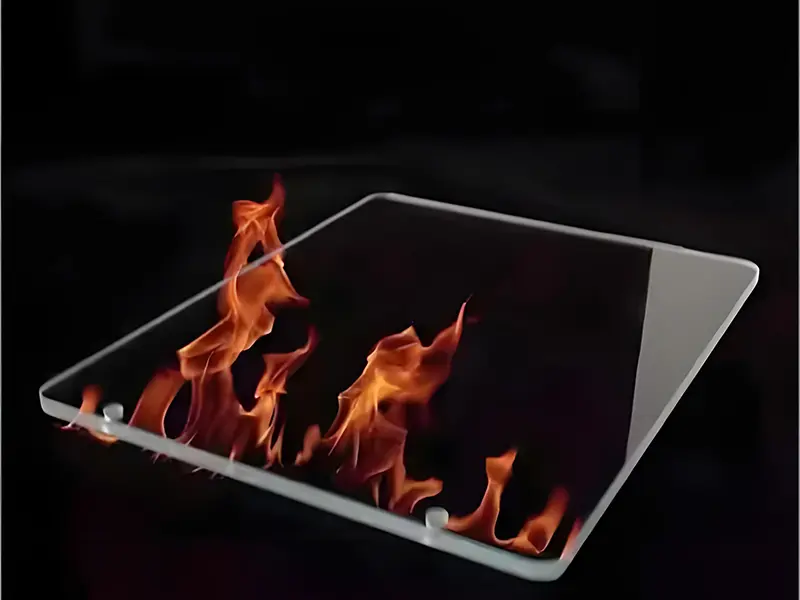
To help you pick compliant, cost-effective and safe glass for your projects, we’ll break down the differences between fireproof glass, fireproof coating glass, and standard float variants...
We receive many customer inquiries every day - which type of construction glass is both practical and safe? In fact, laminated safety configurations are indispensable in modern designs...
Most builders and developers face a common choice when purchasing casement systems: choosing between thermal-break aluminum and plastic steel profiles for long-term reliability...
Guoxin Glass operates in strict compliance with the ISO 9001:2015 international quality management framework. Every insulated glass unit, laminated structure, and fireproof glass panel undergoes strict quality checks before shipping.
Our QA systems monitor critical steps including low-emissivity coating adhesion, spacer warm-edge assembly, primary and secondary seal extrusion, and gas-fill concentration analysis.
Request Compliance Documentation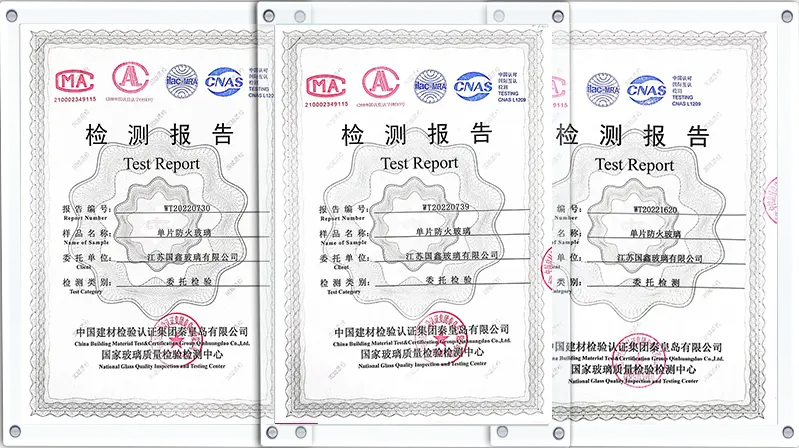
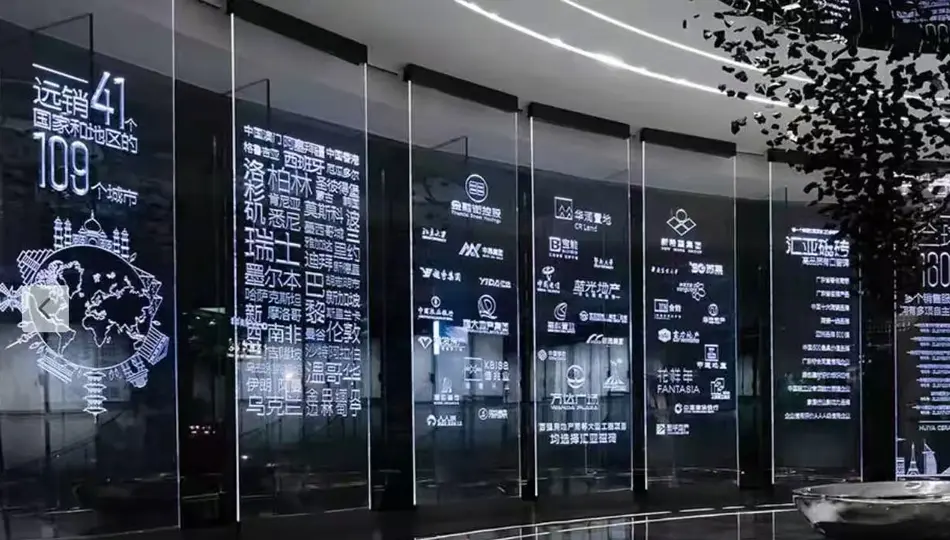
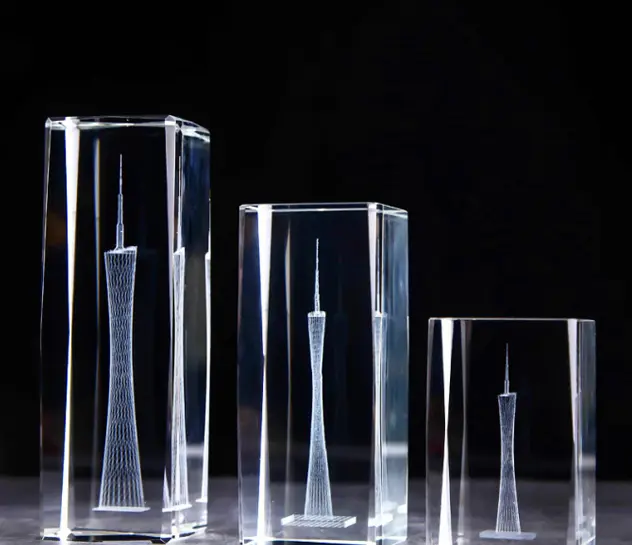
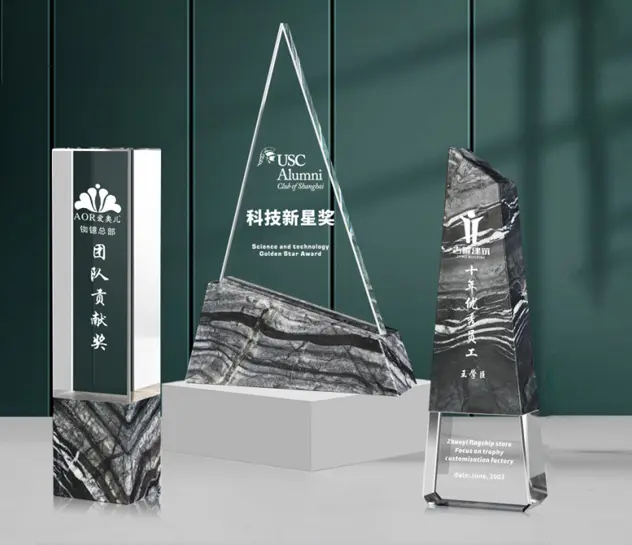
Combining structural performance with custom designs using advanced laser engraving and etching technologies.
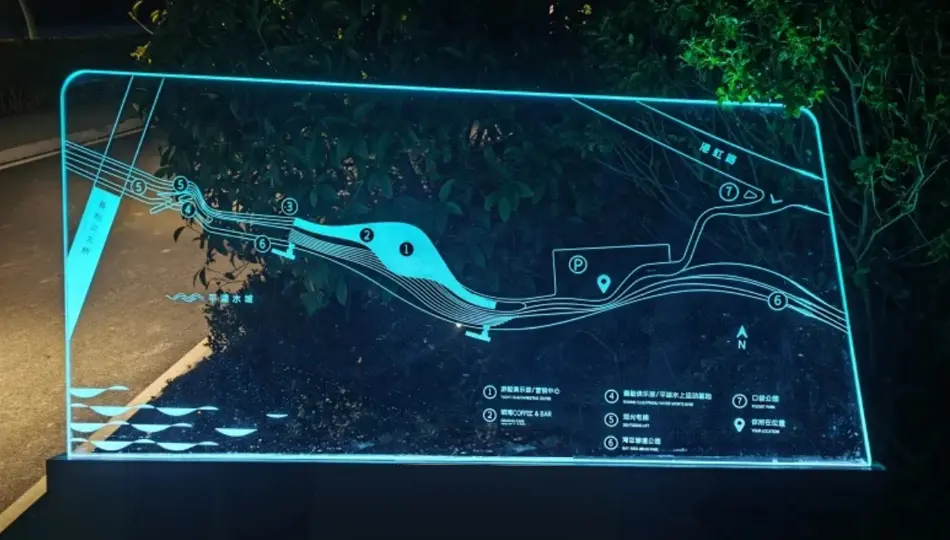
Answering common design and engineering questions about high-performance glazing assemblies.
Browse our advanced functional, safety, and customizable architectural glass product range.
 Guoxin