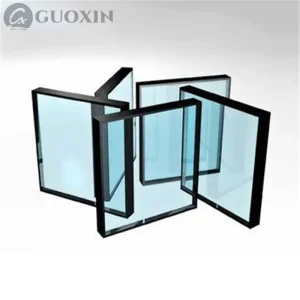
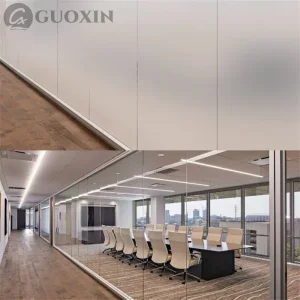
Explore our industrial range of precision-manufactured safety glass and custom fenestration configurations tailored for demanding architectural standards.
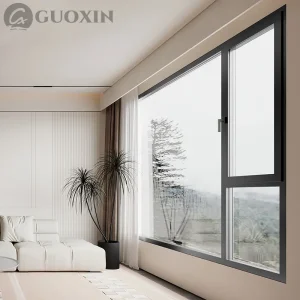
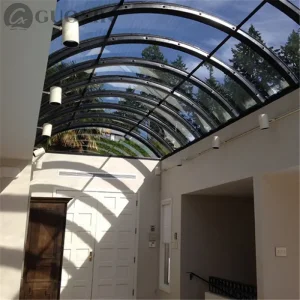
An authoritative resource detailing materials science, industrial execution, and mechanical optimization for facade design.
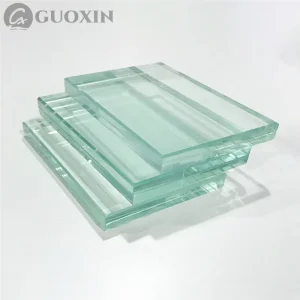
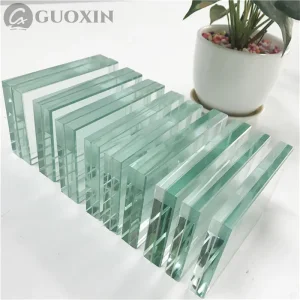
Laminated glass is a composite structural material consisting of two or more panes of glass permanently bonded together by one or more polymeric interlayers. Under mechanical loading or impact, the glass layers absorb energy through fracture, while the polymer interlayer maintains the structural integrity of the composite, prevents fragmentation, and retains load-bearing capacity even after glass breakage. This failure mode represents a paradigm shift in architectural safety, shifting glass from a brittle, hazardous material to a predictable and ductile component of structural glass design.
The manufacturing process involves cleanroom assembly where temperature and humidity are strictly controlled to prevent micro-contamination of the interlayers. The glass plates are subjected to high-pressure washing using deionized water, alignment with the chosen polymer interlayer, pre-pressing through heated rollers (to expel trapped air), and finally, high-temperature, high-pressure autoclaving (typically at 135°C to 145°C and 1.2 MPa to 1.4 MPa). This complex thermo-mechanical cycle completes the chemical bonding process, resulting in optical clarity and structural cohesion.
Did you know? The adhesion level between the polymer interlayer and the glass surface is critical. If adhesion is too high, the glass fractures without absorbing energy via interlayer deformation. If adhesion is too low, the interlayer can delaminate under wind load or thermal stress, reducing performance.
The choice of interlayer dictates the performance profile of the laminated glass assembly under stress. Two primary polymer classes dominate modern specification practices: Polyvinyl Butyral (PVB) and SentryGlas Plus (SGP), an ionoplast copolymer developed by DuPont (now Kuraray).
Polyvinyl Butyral (PVB): PVB is the industry standard for general architectural safety, noise insulation, and solar control. Standard PVB possesses excellent elongation properties (often >250%) and high toughness. However, it is relatively soft and exhibits viscoelastic behavior, meaning its shear modulus drops rapidly with rising temperatures. Under sustained loading or high temperatures, PVB behaves more like a fluid, meaning the structural connection between glass plies is reduced, and the design must calculate each ply independently. Additionally, PVB is sensitive to moisture at exposed edges, potentially causing delamination over time.
Ionoplast (SGP): SGP represents a major technological leap for structural applications. SGP is up to 100 times stiffer and has 5 times the tear strength of standard PVB. Because SGP maintains high shear stiffness even at elevated temperatures (up to 50°C), it creates a truly structural composite. The glass plies work in union, reducing structural deflection and allowing for thinner glass makeups. Crucially, SGP exhibits excellent edge stability, resisting weather and moisture-induced delamination, making it the premier choice for open-edge glass balustrades, structural canopies, and high-wind hurricane zones.
Post-breakage retention ensures the glass stays anchored, preventing dangerous shards from falling into public spaces.
Specially engineered acoustic PVB dampens the coincidence resonance effect, providing high Sound Transmission Class (STC) ratings.
Integrating Low-E glass or solar-control PVB filters out infrared light, reducing overall cooling demands in modern buildings.
The demand for laminated glass is rising, driven by changing global climate profiles, updated building codes, and architectural trends prioritizing natural light. In urban centers, land constraints push buildings higher, exposing glazed facades to extreme wind loads and seismological activity. Laminated glass acts as a resilient structural shield against these forces.
Furthermore, energy efficiency codes like the EU’s Energy Performance of Buildings Directive (EPBD) and ASHRAE standards in North America require highly insulated building envelopes. High-performance laminated glass, when combined with multi-cavity insulating glass units (IGUs) and Low-Emissivity (Low-E) coatings, optimizes the balance between daylight transmission and thermal performance. This reduces solar heat gain while retaining internal temperatures, supporting the shift toward Net-Zero Energy Buildings (NZEB).
The laminated glass industry is adopting advanced manufacturing technologies. Key areas of development include:
Founded in 2006, Jiangsu Guoxin Glass Co., Ltd. has established a 20-year track record of innovation and quality in the structural glass manufacturing sector. Our focus includes high-strength laminated glass, insulated glass, fireproof systems, and aluminum windows/doors.
Equipped with state-of-the-art convection tempering furnaces, advanced cleanrooms, and automated laminating lines, we deliver architectural glass solutions that comply with strict international regulatory bodies.
Our production facility houses multiple advanced production lines, each equipped with precision glass processing technology.
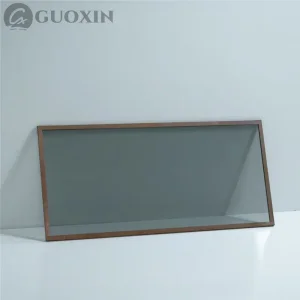
Precision-milled frame structures engineered for thermal performance, structural rigidity, and compatibility with thick laminated and insulating glass units.


Combining heavy-gauge aluminum profiles with multi-layered safety glass for advanced security and insulation.
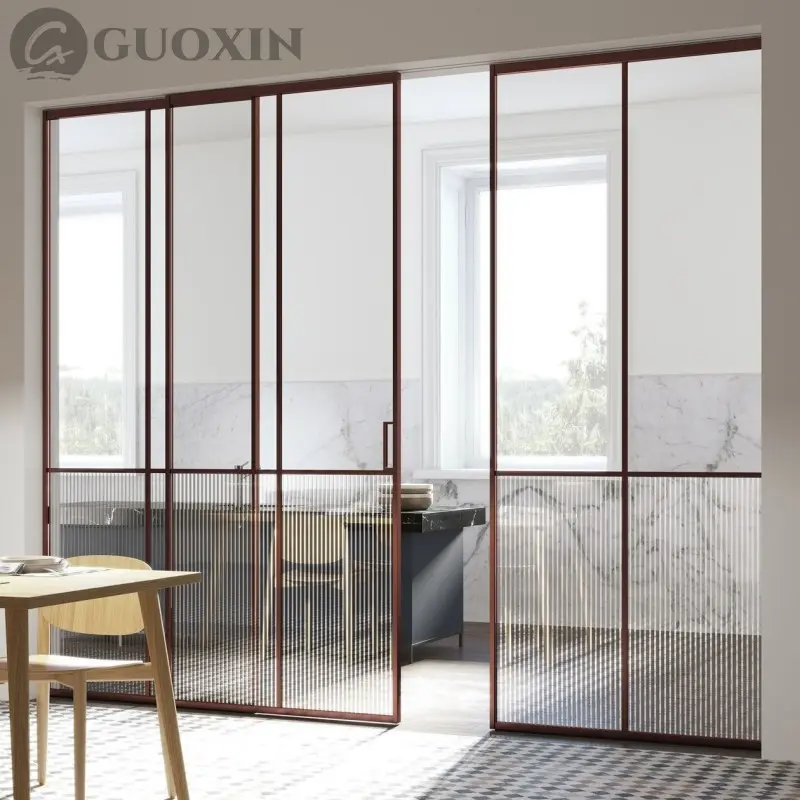
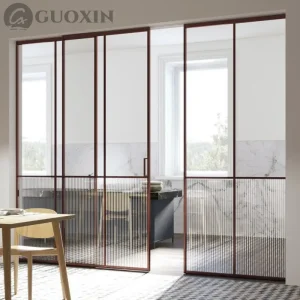
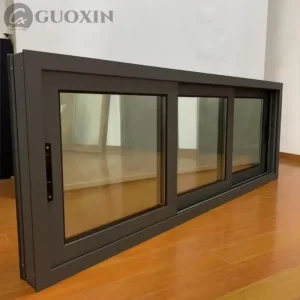
Double and triple-track sliding configurations with heavy-gauge aluminum framing.
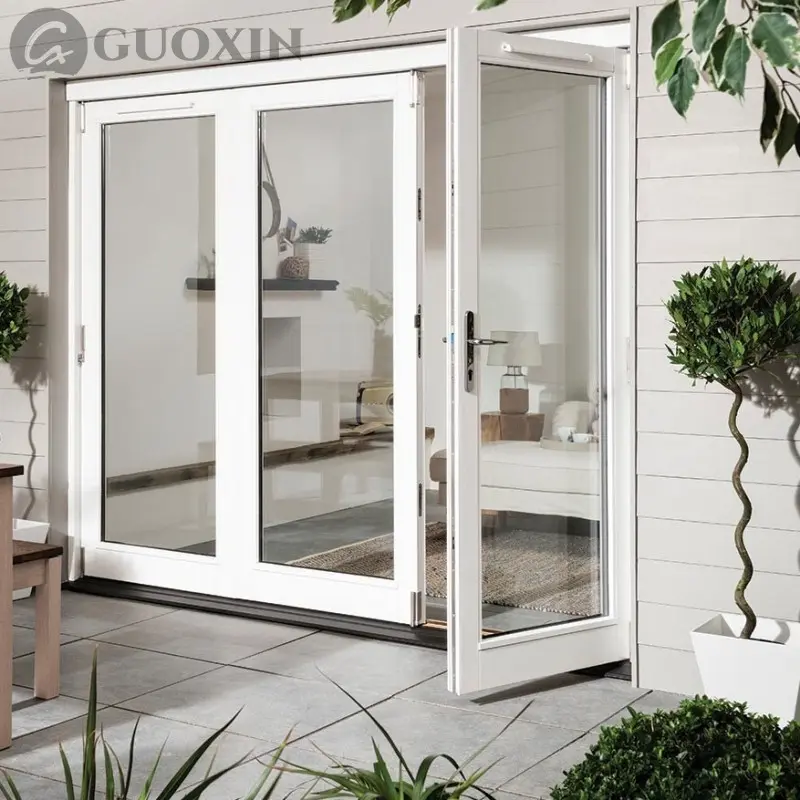
Heavy-duty swing door configurations with multi-point locking mechanisms.
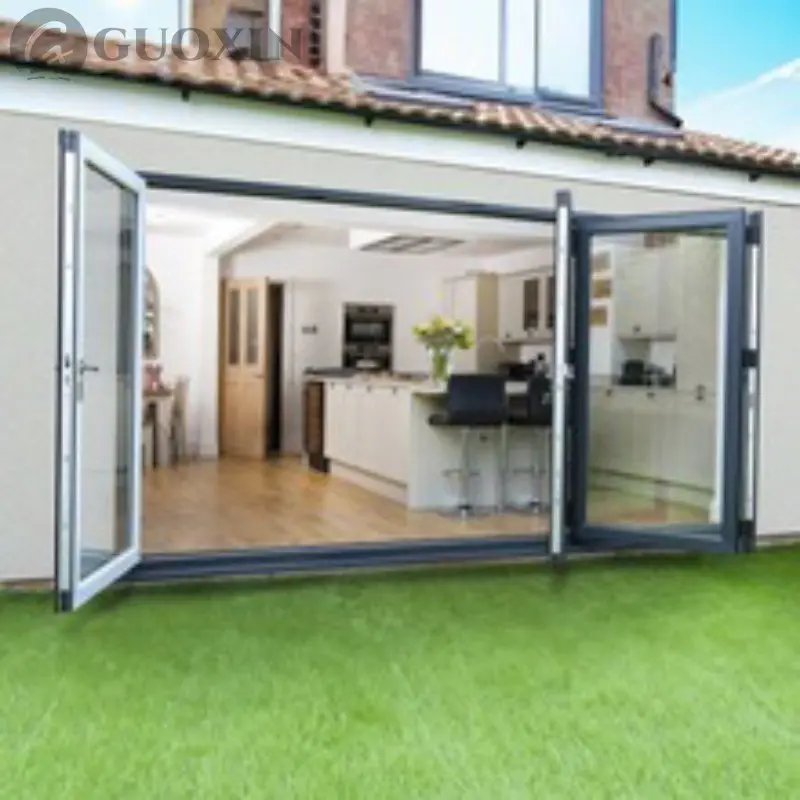
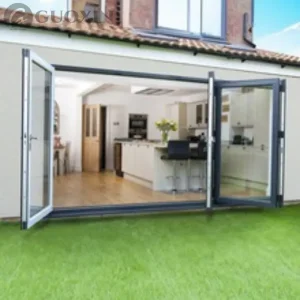
Bi-folding structural profiles designed to optimize space utilization.
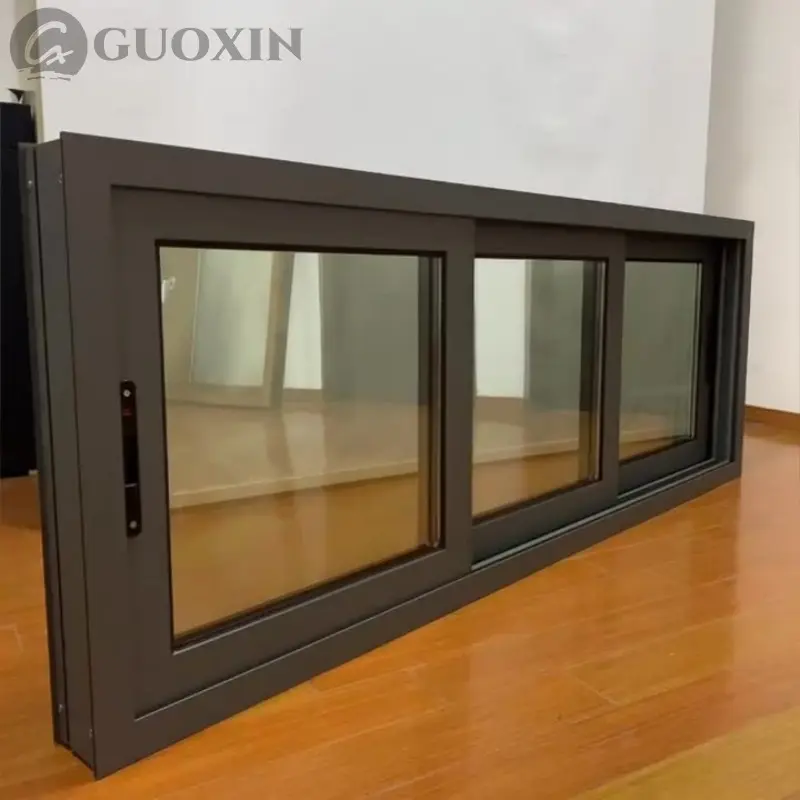
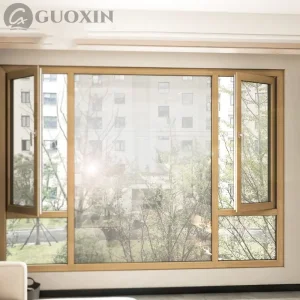
Thermally broken aluminum designs for energy-conscious buildings.
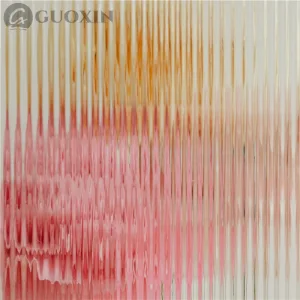
Utilizing high-frequency internal laser cladding and sub-surface engraving technology for decorative glass installations.
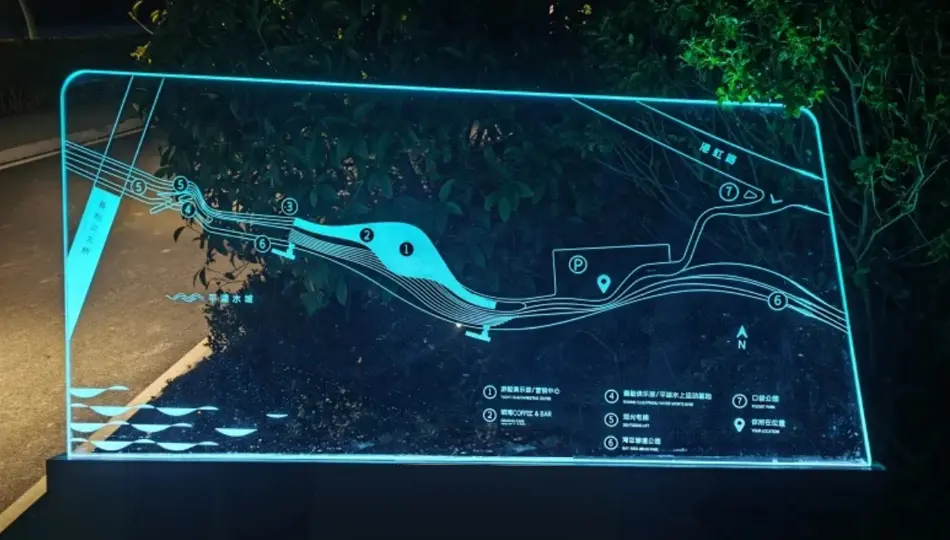
Public art installations and high-impact structural glass structures.
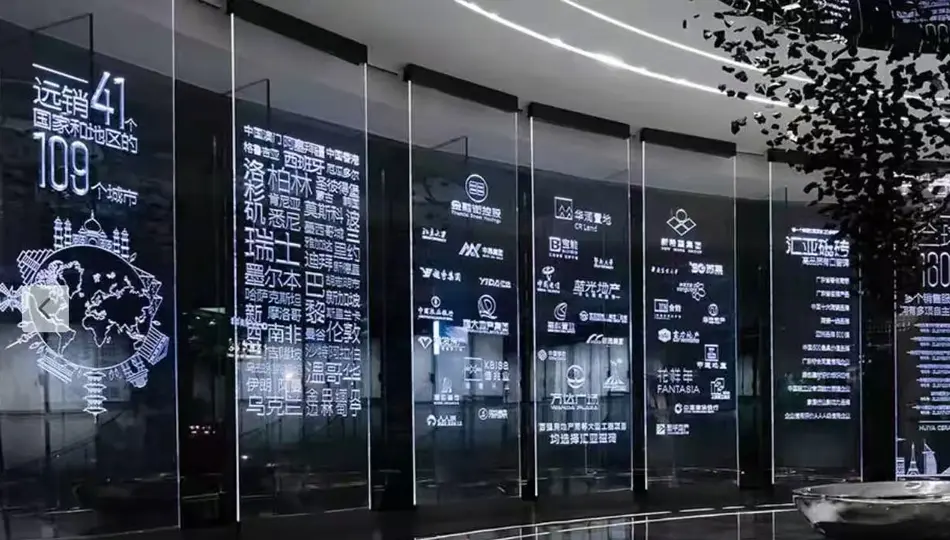
Custom internal laser micro-patterns etched without compromising outer structural surfaces.
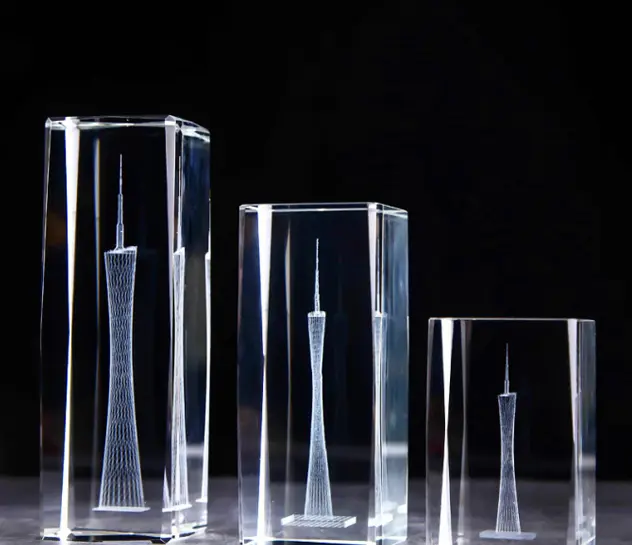
Refined custom design options for interior styling and architectural accents.
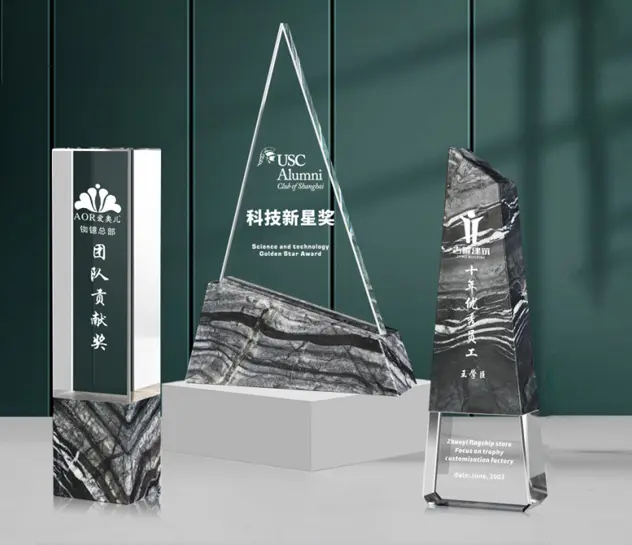
Heavy-mass laser engraved display products for premium recognition events.

Architectural panels tailored to custom thickness, sizes, and shape specifications.
Explore our most frequently specified structural products for commercial developments worldwide.
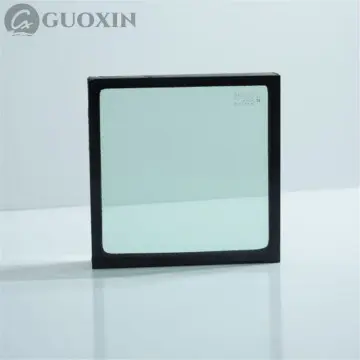
Specially treated plies with fire-retardant gel interlayers.

Bent safety glass panels for curved facades and structural corners.
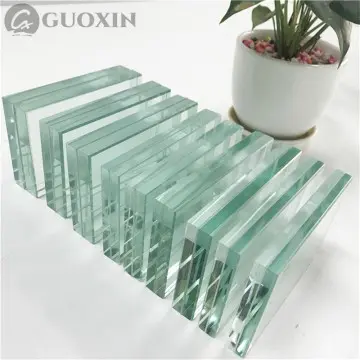
High-rigidity ionoplast laminate for structural canopies and balustrades.
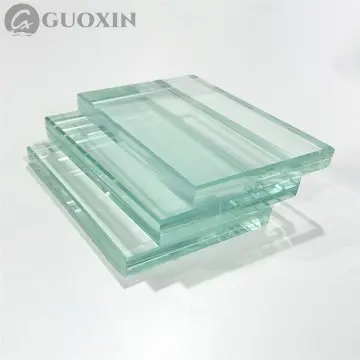
Standard safety laminates featuring UV blocking and acoustic dampening.
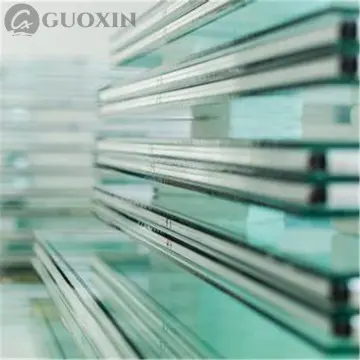
Engineered composition tailored to specific structural load cases.
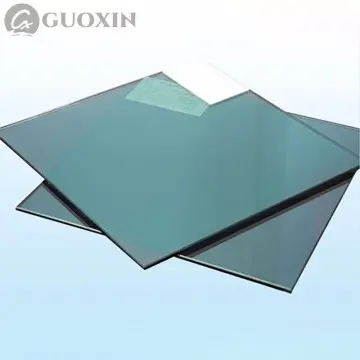
Metal-oxide coated glass that reduces glare and solar heat gain.
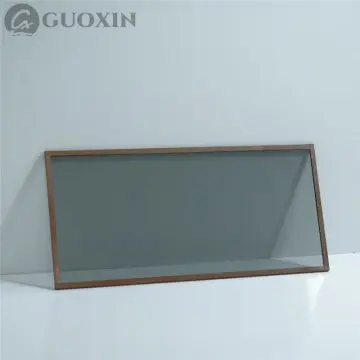
Leaded glass composites optimized for medical X-ray protection.
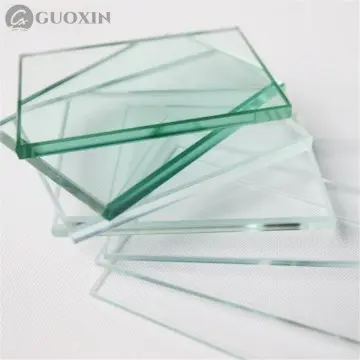
High-convection tempered panels with balanced surface compression stress.
From custom glass makeups to specialized hardware systems, our design and engineering team works to meet your structural requirements. We run full-scope testing on all custom laminates, confirming structural strength under wind, impact, and thermal stress.
"Quality First, Customer First, and Credit-Based."
A showcase of structural glass installations utilizing our high-performance glazing products.
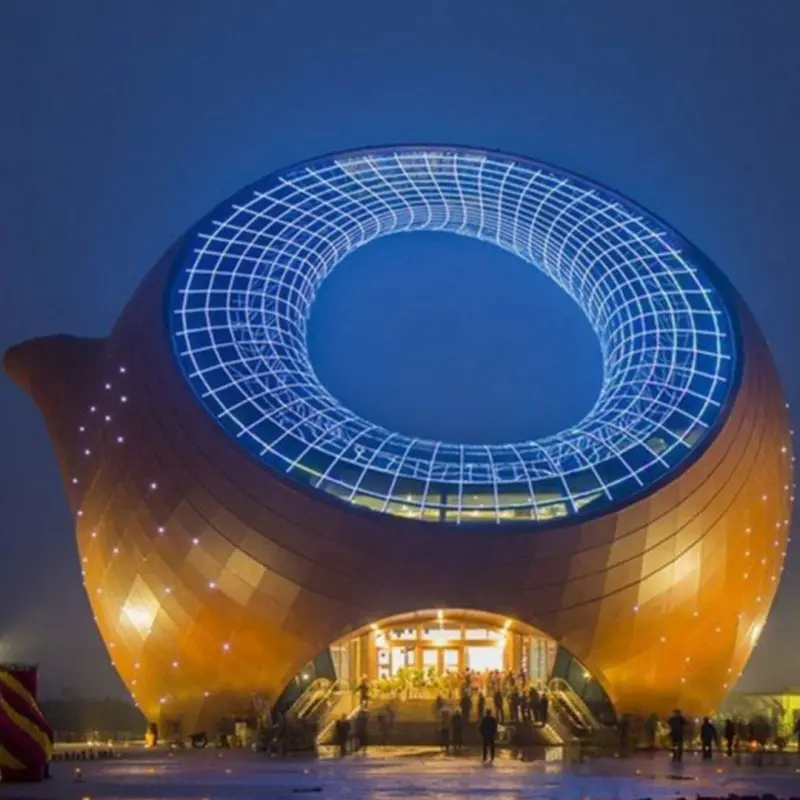
The world's largest purple clay pot shaped building, standing 38.8 meters high. Outfitted with custom-tempered structural safety glass panels.
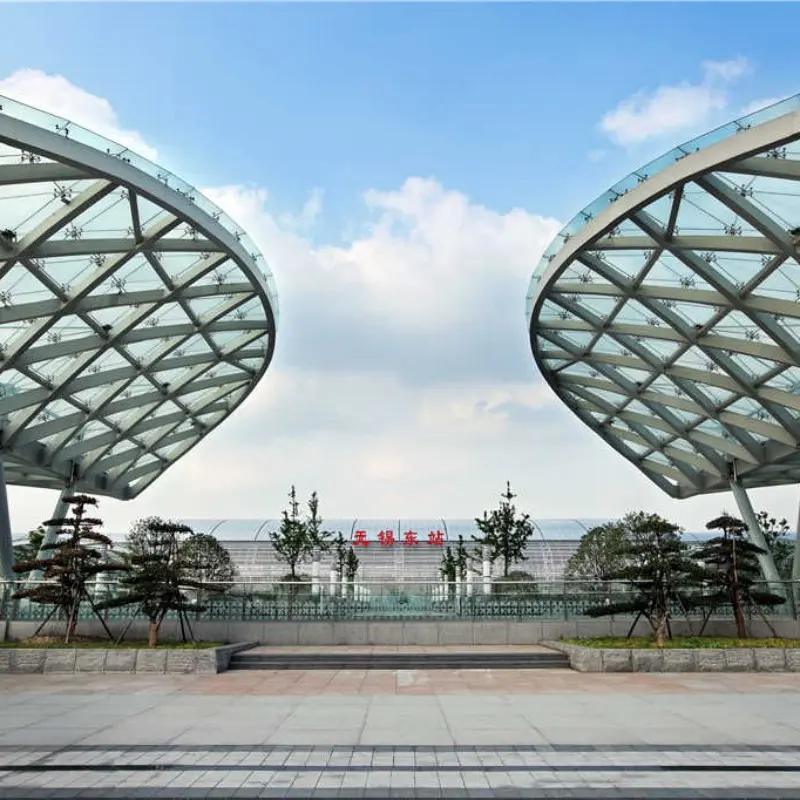
Renovated using thousands of laminated glass units. High post-breakage strength and daily capacity of over 120,000 passengers.

Standing 450 meters tall. Features a high-performance insulated glass curtain wall designed to handle high wind pressures.
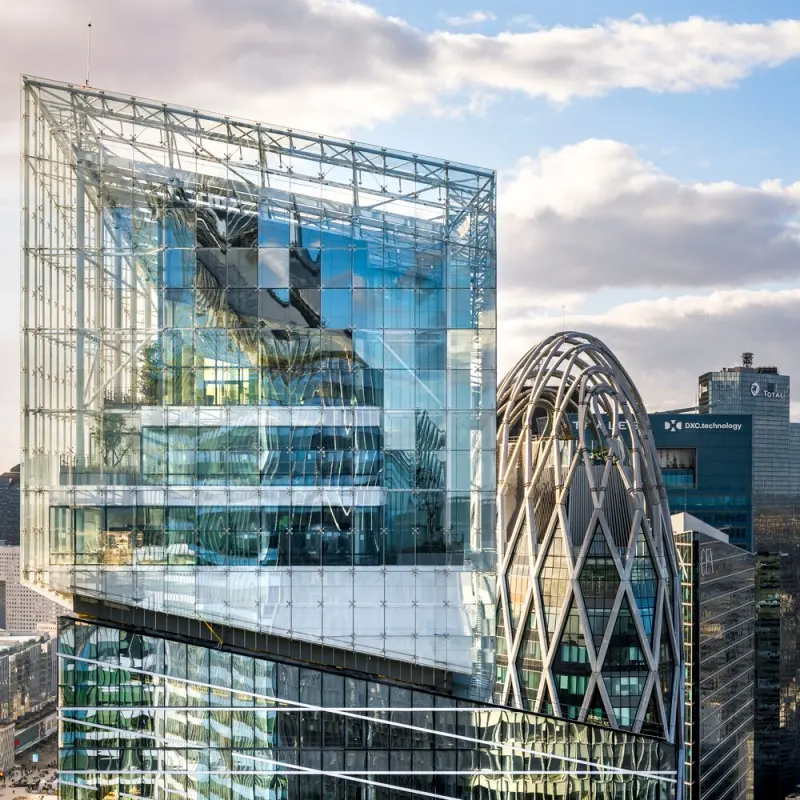
Integrating triple-insulated solar control glass units to optimize thermal performance and sound dampening.
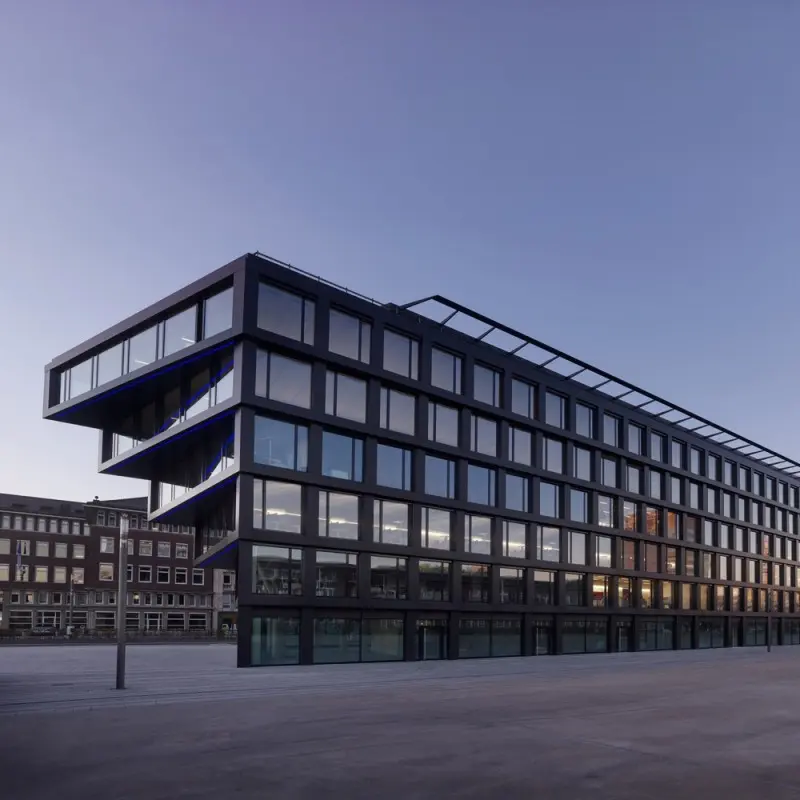
Utilizing predictive daylight algorithms alongside dynamic structural glass to limit artificial lighting demand.
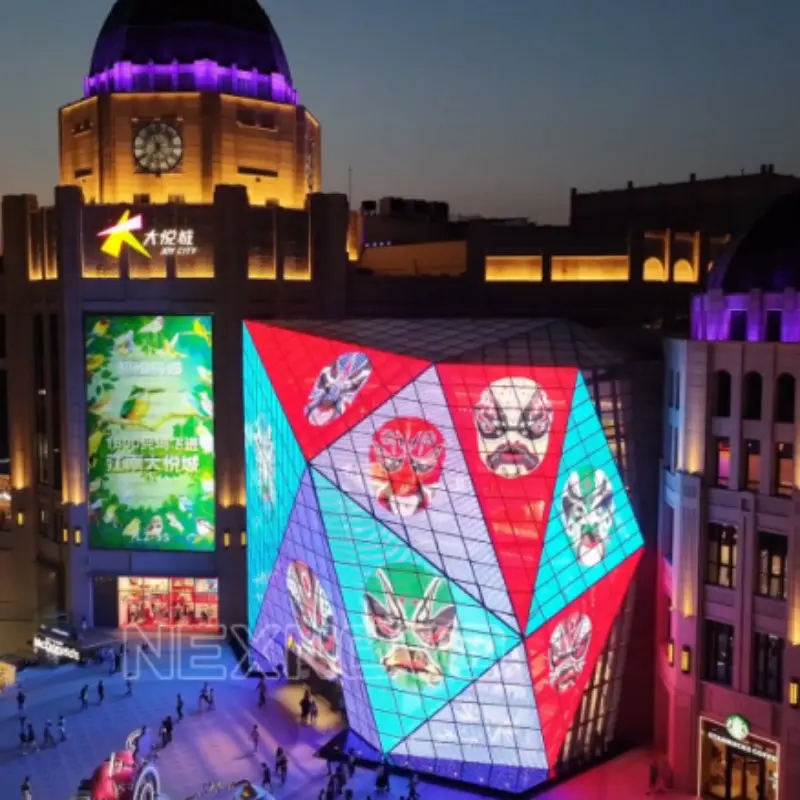
A commercial retail project featuring smart switchable safety glass facades for integrated dynamic design.
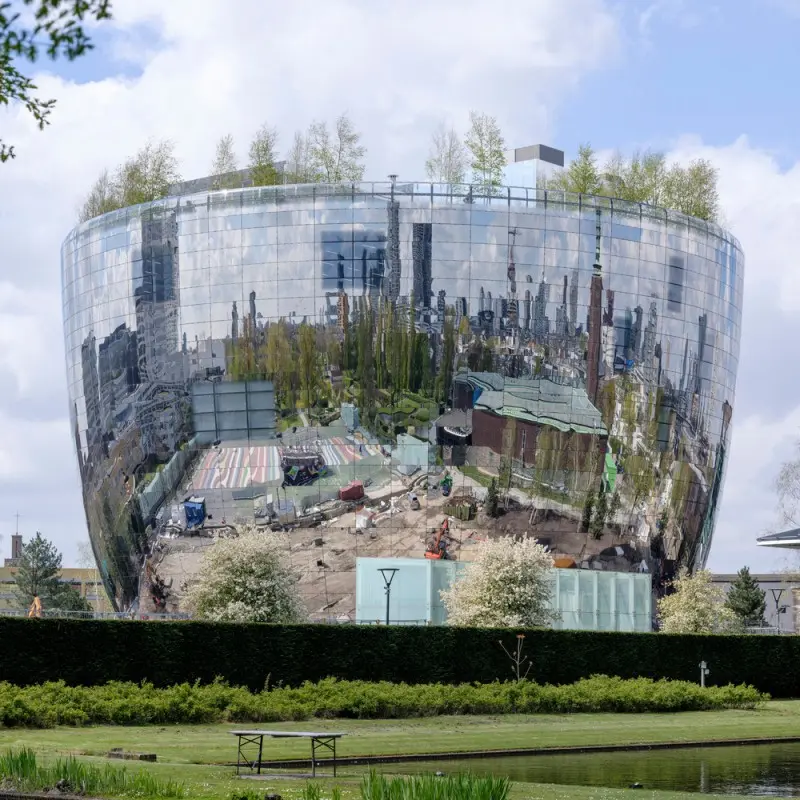
Features a 15,000 square meter double-curved reflective glass facade, blending the building into the surrounding park.
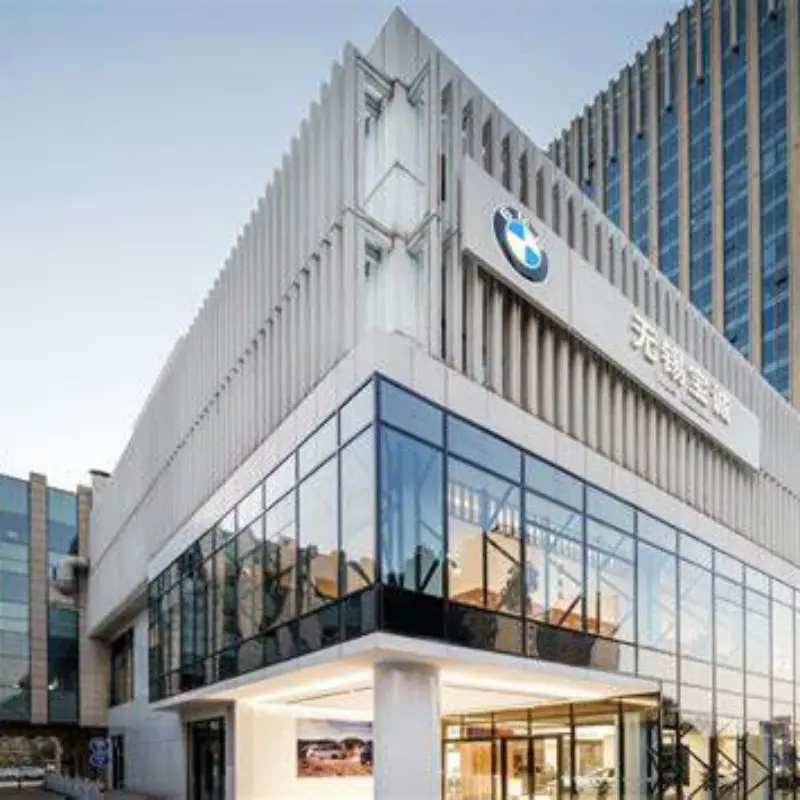
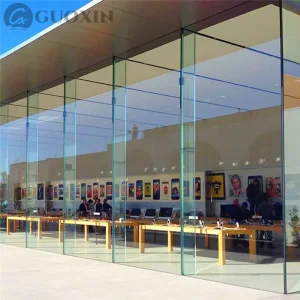
Commercial storefront using jumbo safety glass panels to maximize internal daylighting and display visibility.
Our manufacturing facilities follow strict international standards to ensure product quality and reliability. We run comprehensive quality checks, including pummel tests, high-temperature bake tests, and impact testing, on every batch of laminated glass.
Read Certification Details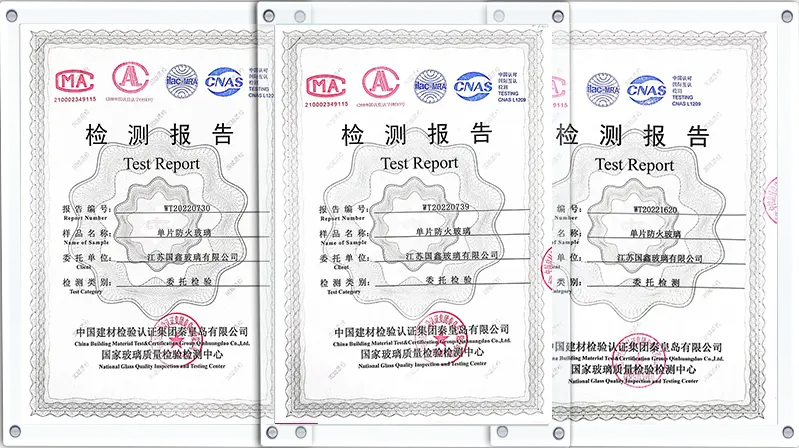
Real-world product placement demonstrating optical clarity, structural fitment, and edge stability.
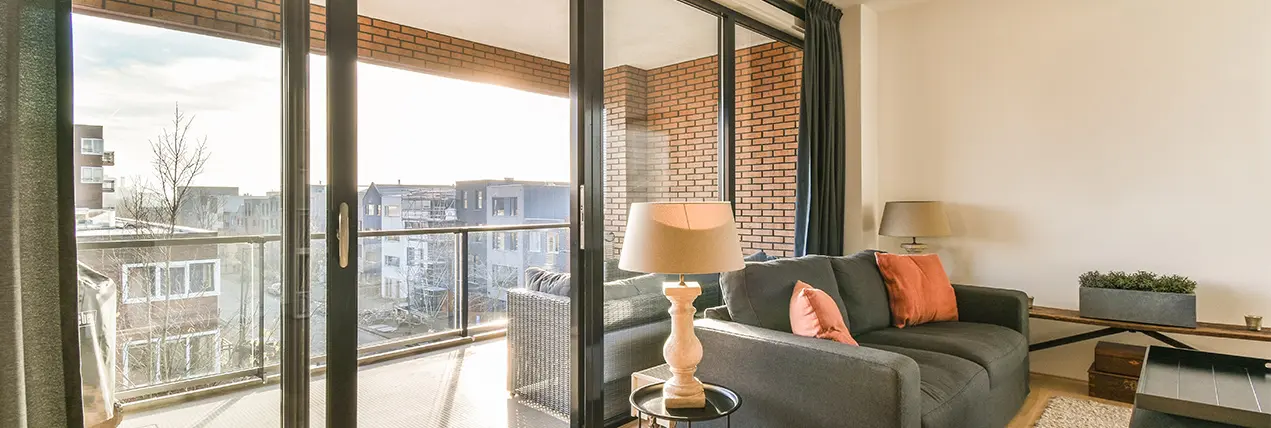


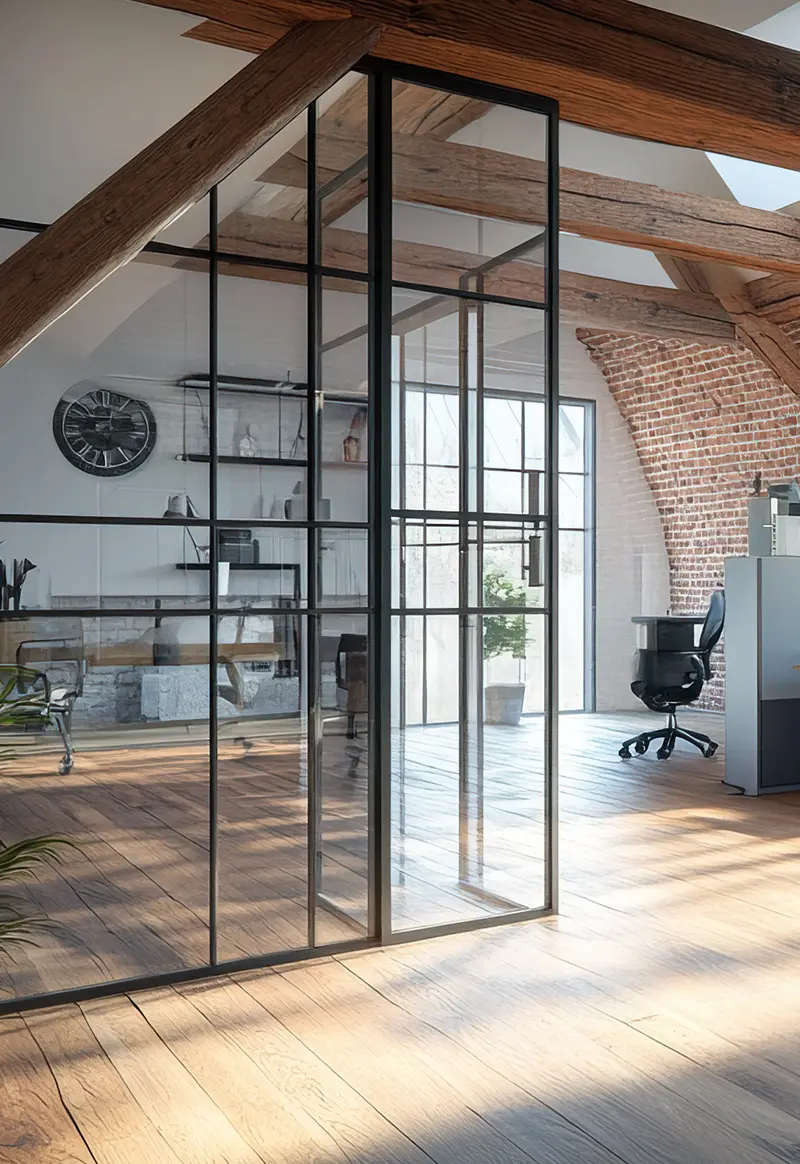
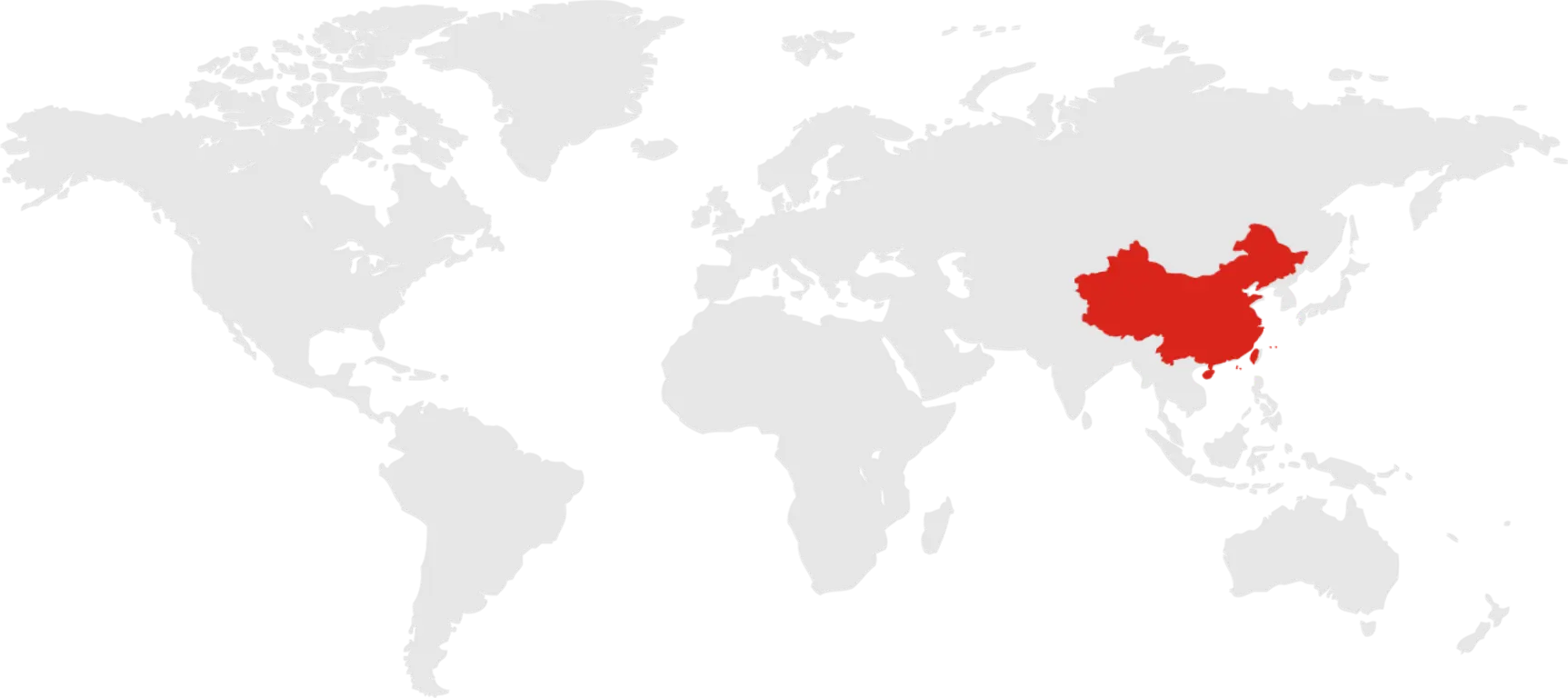
We supply safety glass products to developers, facade engineers, and residential contractors in over 30 countries. Our logistics network ensures safe transit for fragile, high-value structural components.
Keep up with the latest structural testing standards, engineering guidelines, and updates from the manufacturing sector.
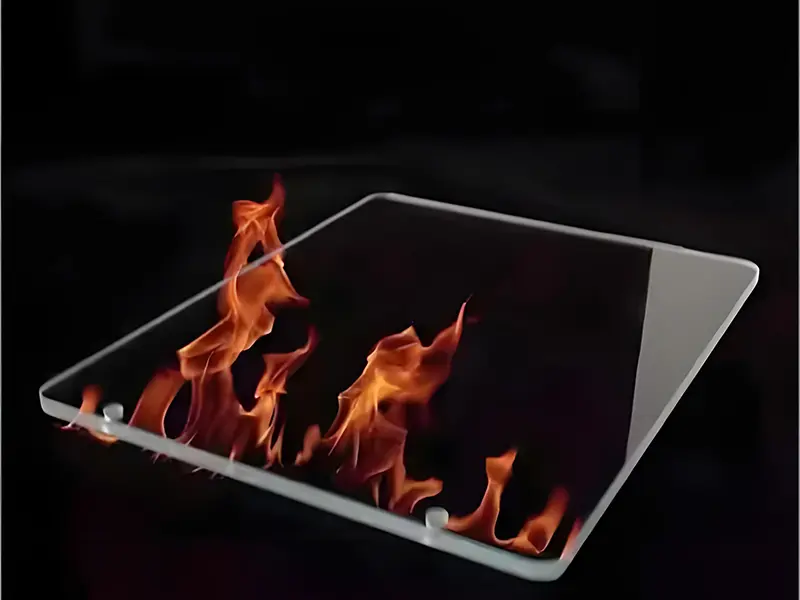
Understand the differences in composition, thermal shock resistance, and test profiles for fire-rated glazing compared to standard safety glass.
Learn More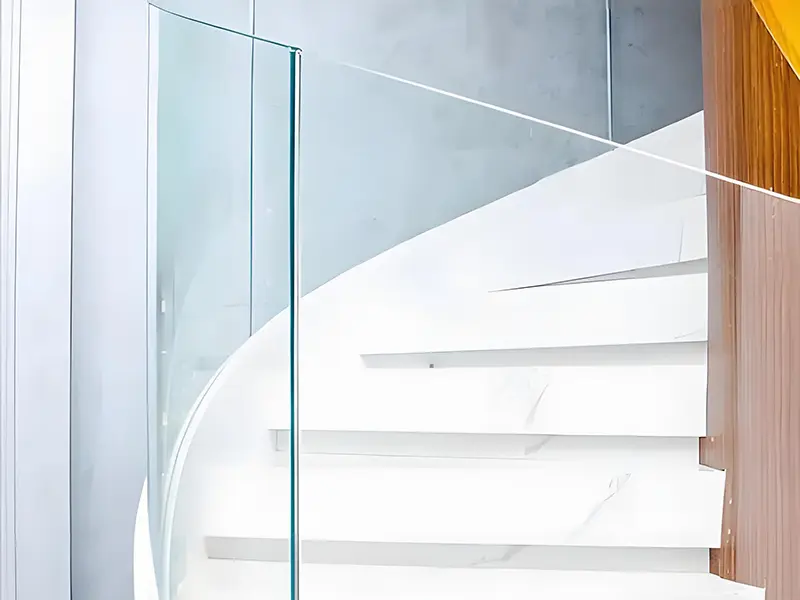
An in-depth review of energy absorption, sound transmission reduction, and post-breakage safety profiles under wind load events.
Learn More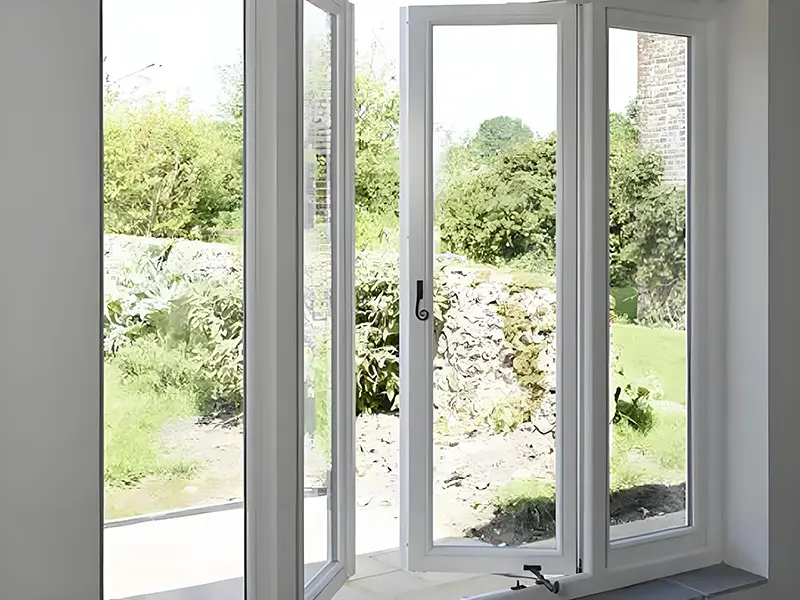
Evaluating cost-performance, structural durability, U-value ratings, and long-term wind resistance of window frame materials.
Learn MoreAuthoritative answers to common questions about specification, manufacturing limits, and compliance for safety glass.
Explore our architectural options, featuring smart switchable panels, radiation shielding, and thermally optimized systems.
 Guoxin