Architectural-grade solutions engineered to withstand structural wind loads and extreme coastal environments of the Greater Sydney Region.
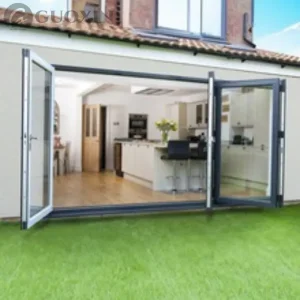
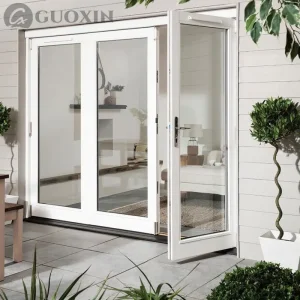
The Greater Sydney construction landscape, spanning from the dense high-rise commercial corridors of the Sydney CBD and Parramatta to the corrosive, wind-swept coastal properties of the Northern Beaches and Eastern Suburbs, imposes unique challenges on building envelopes. Aluminium doors and window frames installed across New South Wales (NSW) are governed by rigorous performance parameters. For any project to pass certification, all external aluminium joinery and integrated structural glazing must demonstrate strict compliance with Australian Standard AS2047 (Windows and external glazed doors in buildings) and AS1288 (Glass in buildings - Selection and installation).
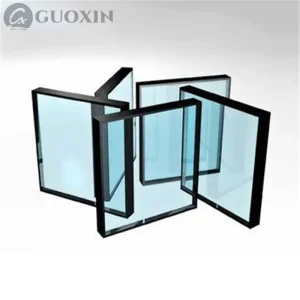
Crucially, Sydney developers are facing the implications of the updated National Construction Code (NCC 2022) Section J, which mandates significant improvements in building fabric thermal performance. Aluminium, while structurally robust and aesthetically versatile, is highly conductive. Consequently, the adoption of advanced Thermal Break Technology (polyamide insulating strips isolating the interior and exterior aluminium profiles) has shifted from a premium option to a structural necessity. These systems, combined with high-performance double-glazed units (IGUs) utilizing soft-coat Low-E glass, effectively lower the overall U-value, helping structures hit stringent energy targets.
Jiangsu Guoxin Glass Co., Ltd. has established a formidable global track record, supplying tier-1 commercial developments with precision-manufactured architectural glass and framing systems.
Why Sydney developers, commercial builders, and facade engineers are moving towards direct-from-manufacturer procurement models.
Modern Chinese factories utilize computerized extrusion lines capable of handling custom alloy profiles (typically 6063-T5 or 6063-T6 aluminium). Advanced 5-axis CNC machining centers perform cutting, drilling, and milling operations with sub-millimeter tolerances. This ensures that when the modular components land at Port Botany, on-site assembly and dry-glazing run seamlessly, reducing local labor overheads which can be prohibitively high in Sydney.
By operating unified manufacturing complexes like Jiangsu Guoxin, we process the glass and construct the aluminium frame under one quality management protocol. Raw glass is cut, polished, tempered, or laminated (using high-tensile PVB or DuPont SentryGlas structural interlayers), and then immediately glazed into our custom aluminium frames. This eliminates the risk of structural misalignment, seals leaking, or moisture ingress inside double-glazed units (IGUs).
Our proximity to major deep-water commercial ports in China permits direct, containerized container shipping routes (FCL/LCL) to Sydney. Steel frame packaging models guarantee that heavy structural glazing panels and pre-assembled aluminium folding or sliding doors arrive in pristine condition, with zero deflection or cosmetic damage, ready for installation.
Procuring directly from the source bypasses complex domestic wholesale and retail markups in the Australian market. This allows developers to allocate resources to premium specifications—such as triple-silver Low-E coatings, electrochromic smart glass, or structurally glazed curtain walls—while keeping total project costs well within commercial feasibility limits.
State-of-the-art production lines integrated with advanced thermal barrier technologies and structural safety glass configurations.

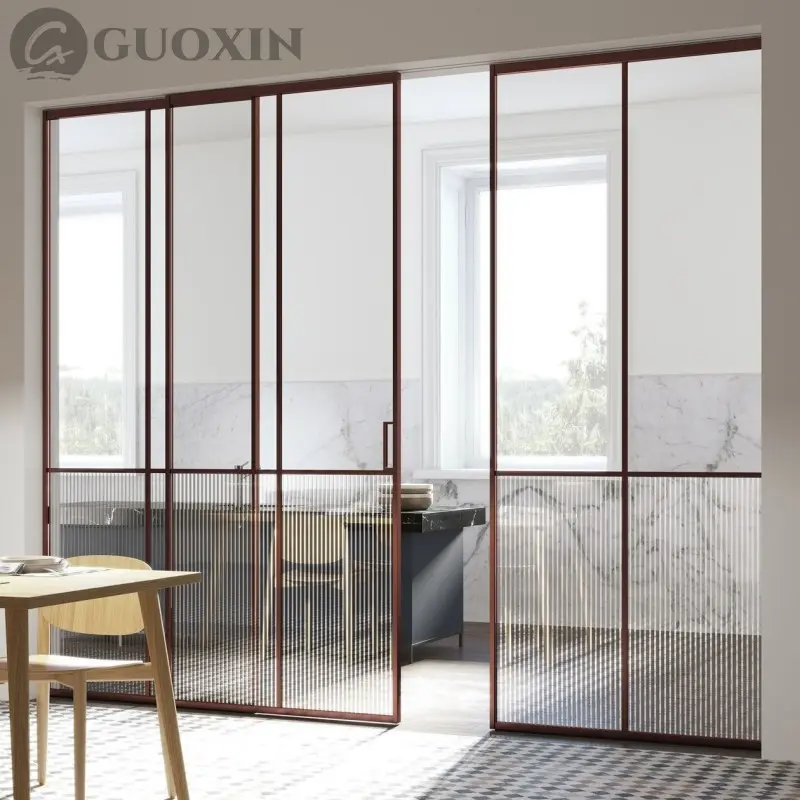
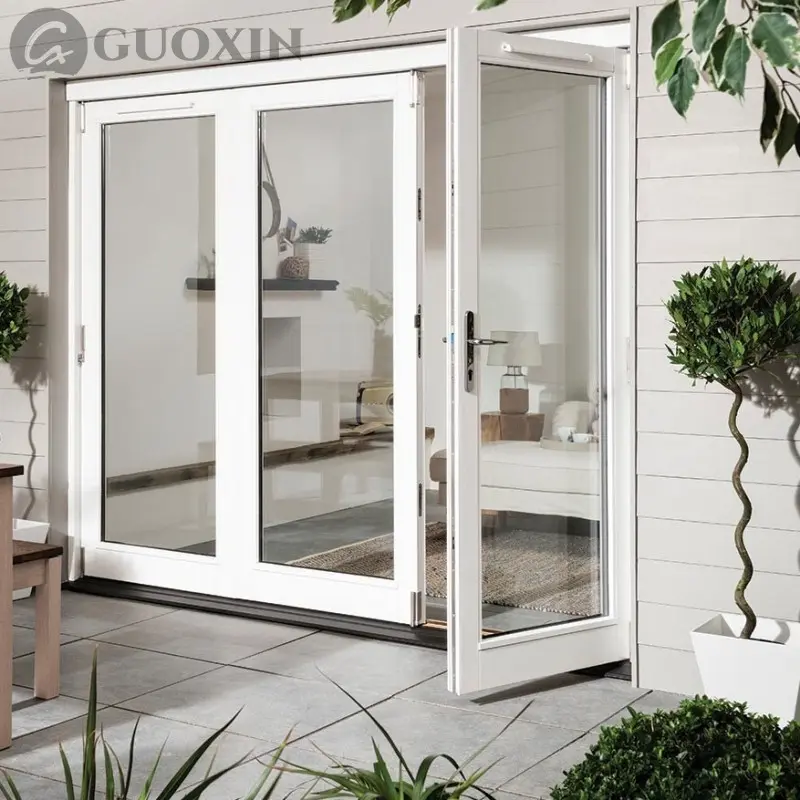
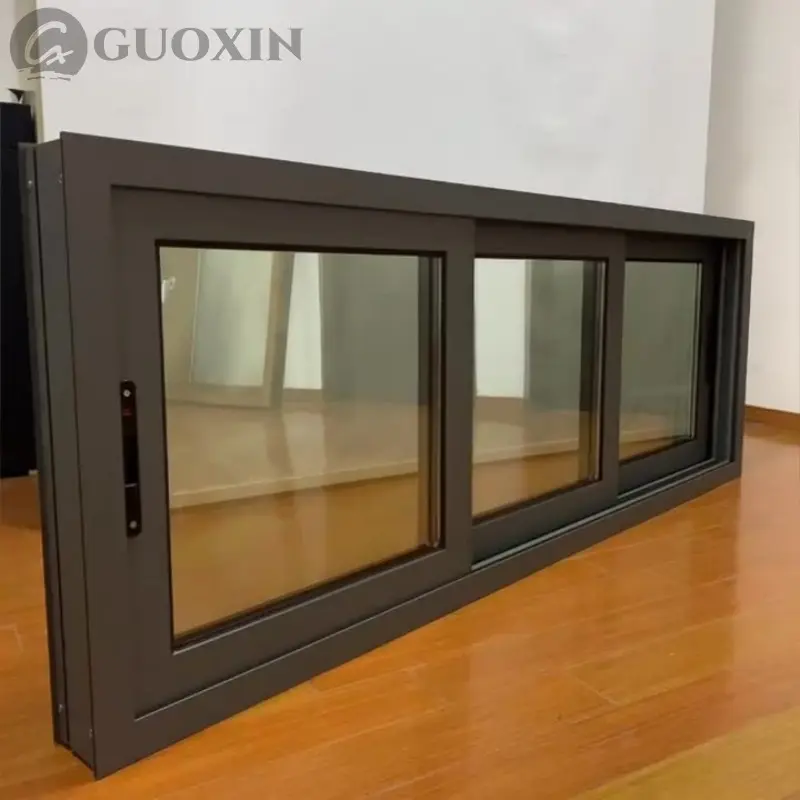
Thermally broken structural designs for high-rise, commercial, and residential applications. Fully compatible with multi-point locking mechanisms and heavy-duty rollers.

Engineered fire barriers conforming to AS1530.4. Provides integrity and insulation (FRL ratings) to limit radiant heat transfer during building emergencies.
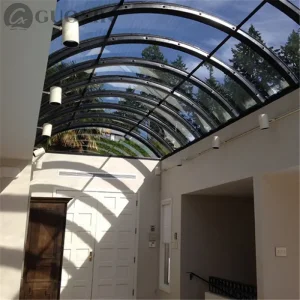
High impact resistance using PVB/SGP interlayers. Essential for overhead glazing, balustrades, and cyclone-prone facades in high-density areas.
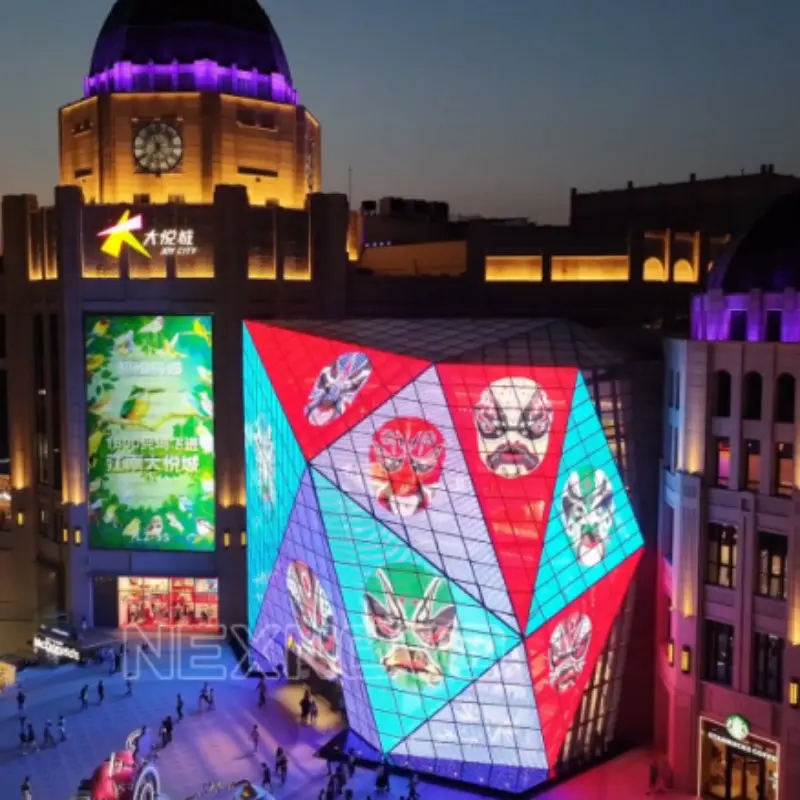
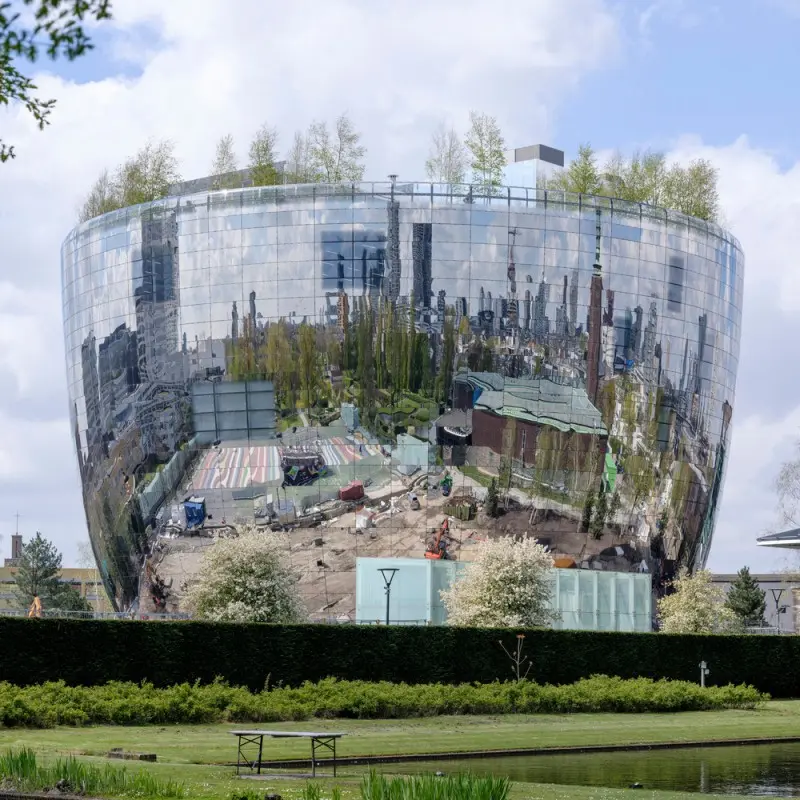
Our capacity to deliver tailored architectural systems is proved by landmark constructions worldwide.
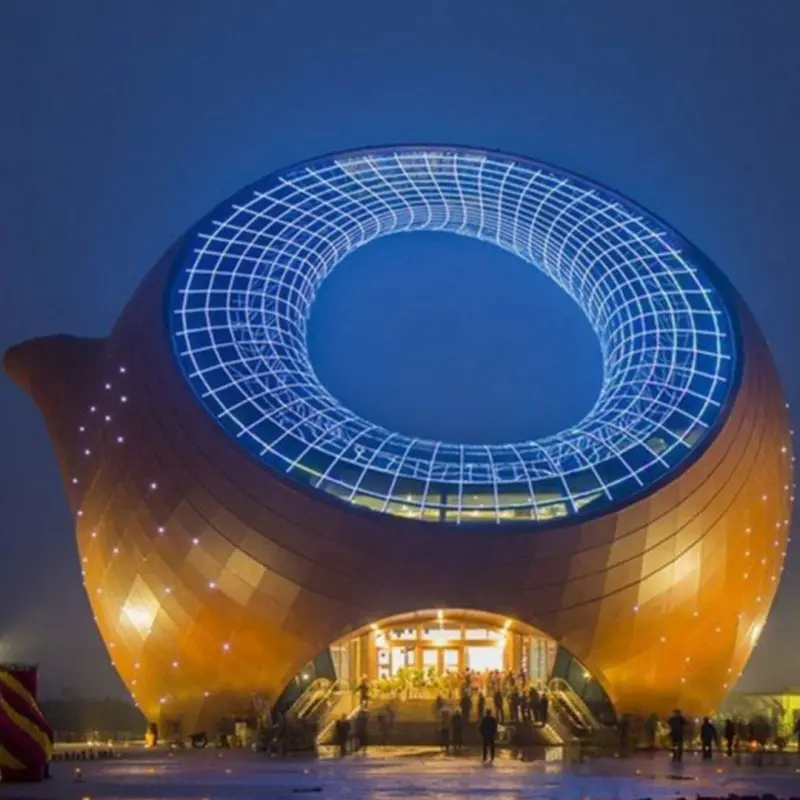
Recognized as a monumental geometric feat, this 38.8-meter structure integrates complex, multi-angled aluminium frames with custom stained artistic safety glass, proving our high-end engineering capabilities.
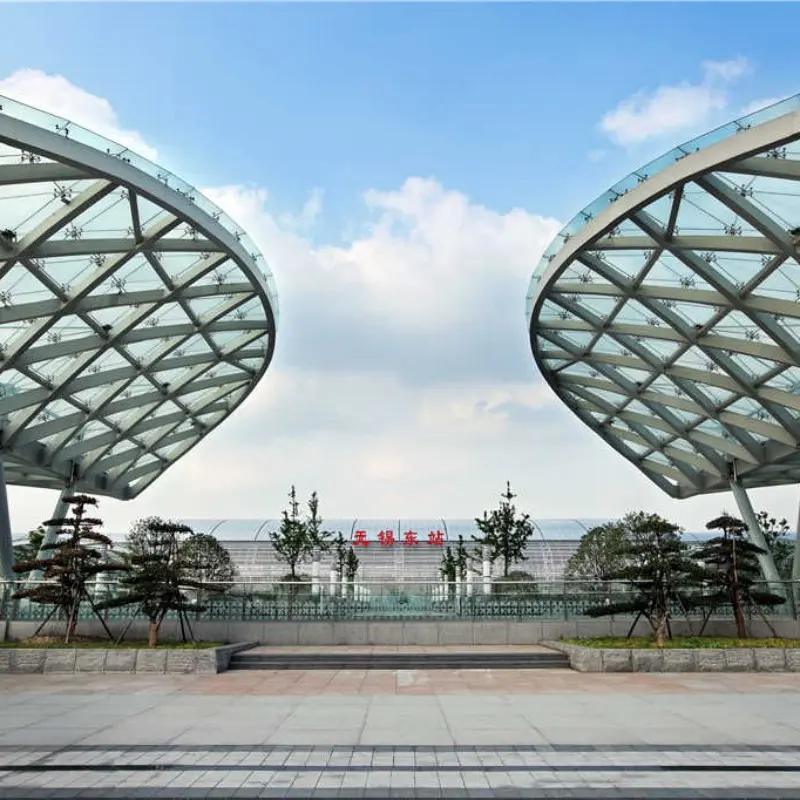
Handling intense passenger volumes, this public infrastructure utilizes thousands of panels of our high-grade laminated glass, meeting rigid durability and impact safety standards equivalent to AS1288.

Standing as the 7th tallest skyscraper globally, the Zifeng Tower utilizes our specialized double-glazed insulated units for the curtain walls to manage wind loads and reduce thermal heat gain.
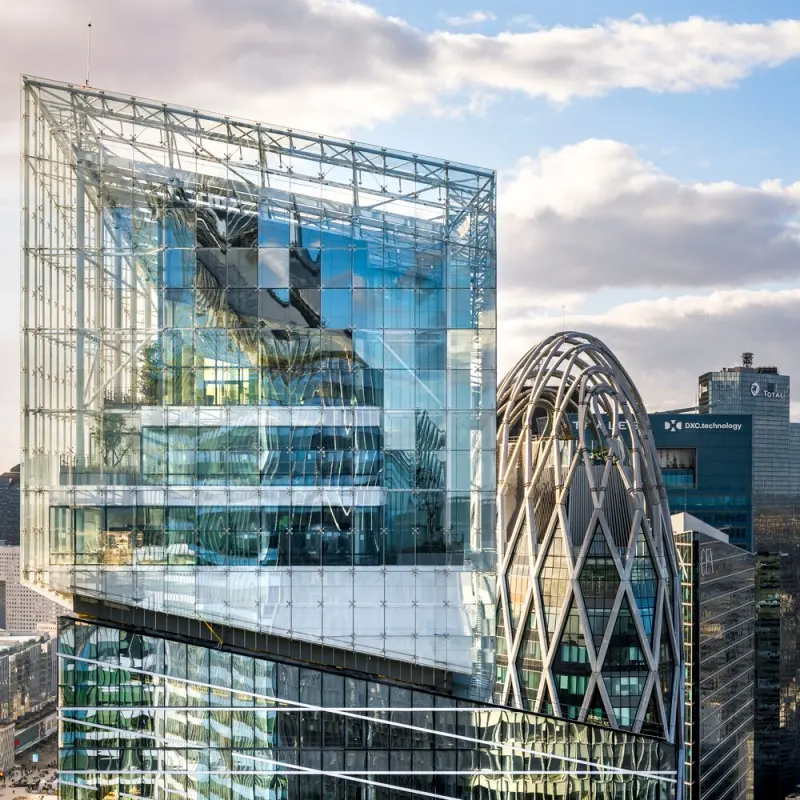
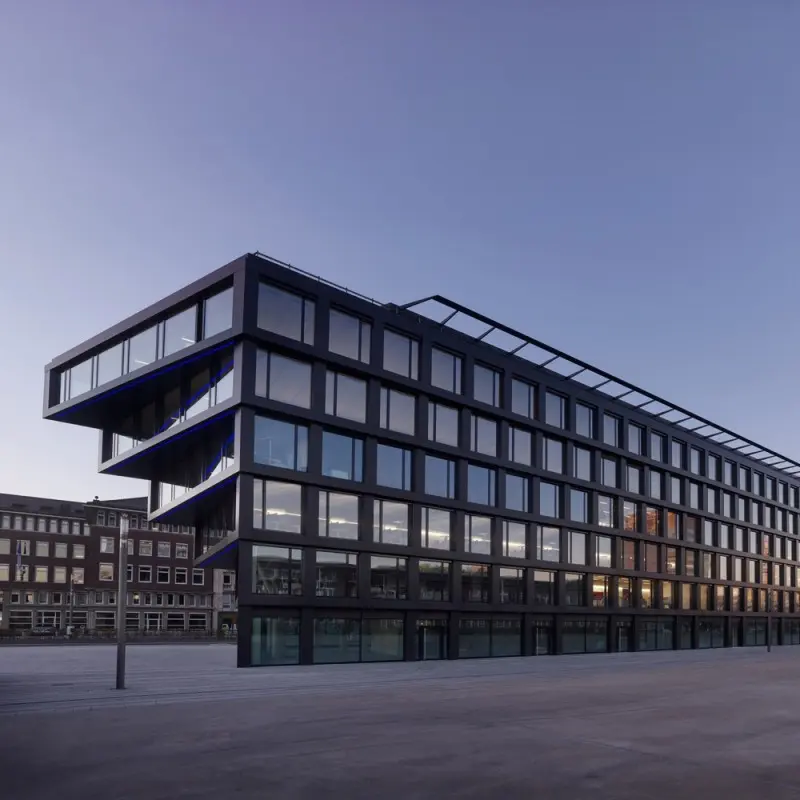
"Quality First, Customer First, and Credit-Based" is the foundation of our manufacturing philosophy. We customize frame extrusion designs, gaskets, locks, and glazing units to match exactly the wind load pressures, U-value benchmarks, and visual tolerances outlined in your architectural drawings.
Watch our production walk-through to see our raw materials management, tempering ovens, laminating clean rooms, and automated quality-control inspection lines.
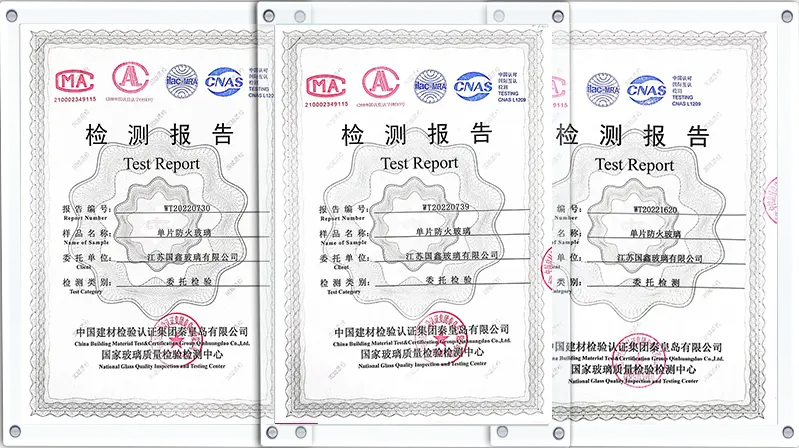
Our production facilities and quality control protocols strictly operate under the ISO 9001:2015 standard, ensuring complete product traceability, automated glass stress-testing, and raw material validation reports for every production run destined for Australia.
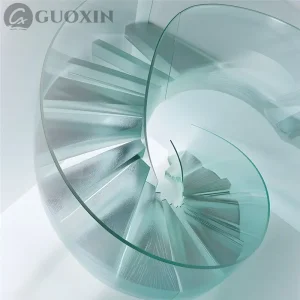
Configure your window systems and doors with our diverse, high-performance structural glass products.
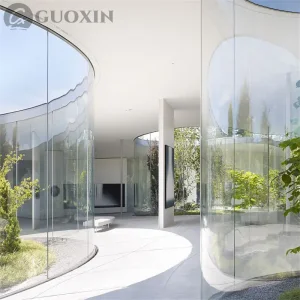
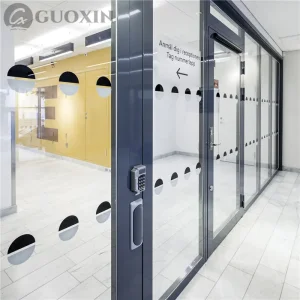
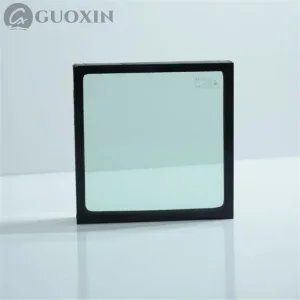
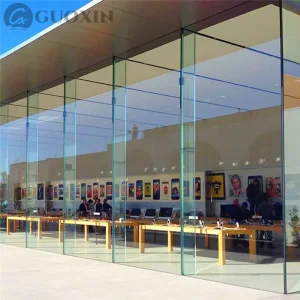
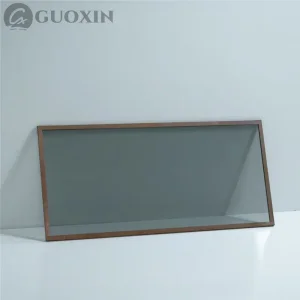
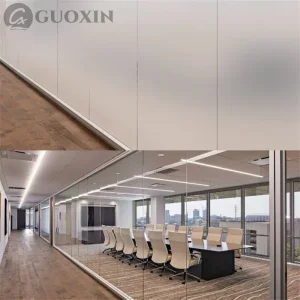
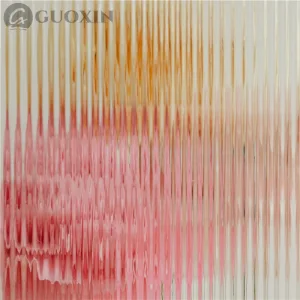
Ensuring that structural glass and framing systems meet strict standards of durability and performance before dispatch.
Before volume manufacturing commences, prototype sections of our structural aluminium door frames and glazed units are subjected to static and dynamic pressure load chambers. We verify that under peak wind load pressure profiles (such as those experienced during major East Coast Low pressure events in Sydney), deflection rates remain well within the limits defined by AS2047. This safeguards building envelopes against structural failure and dynamic air leakage.
To assist architects and energy rating professionals in meeting National Construction Code (NCC) Section J requirements, we provide comprehensive thermal performance datasheets. These list system U-values (UW) and solar heat gain coefficients (SHGC) tested and calculated under NFRC methodologies. Sourcing soft-coat double or triple silver Low-E configurations enables developers to target optimal glazing ratios without compromising overall building energy compliance.
Laminated structural safety glass profiles are subjected to heat-soak testing protocols designed to identify and eliminate raw glass batches containing nickel sulfide (NiS) inclusions. This drastically lowers the probability of spontaneous glass breakage post-installation. Interlayer adhesion testing is performed on every batch of PVB/SGP to prevent edge delamination, ensuring durable performance under high humidity and coastal salt spray conditions.
Sydney commercial installations require robust security systems. Our aluminium door systems are integrated with heavy-duty EPDM sealing gaskets and multi-point locksets. This not only resists forced entry attempts but also ensures excellent weather tightness against driving rain, verified under structural water penetration pressure tests of up to 600Pa.
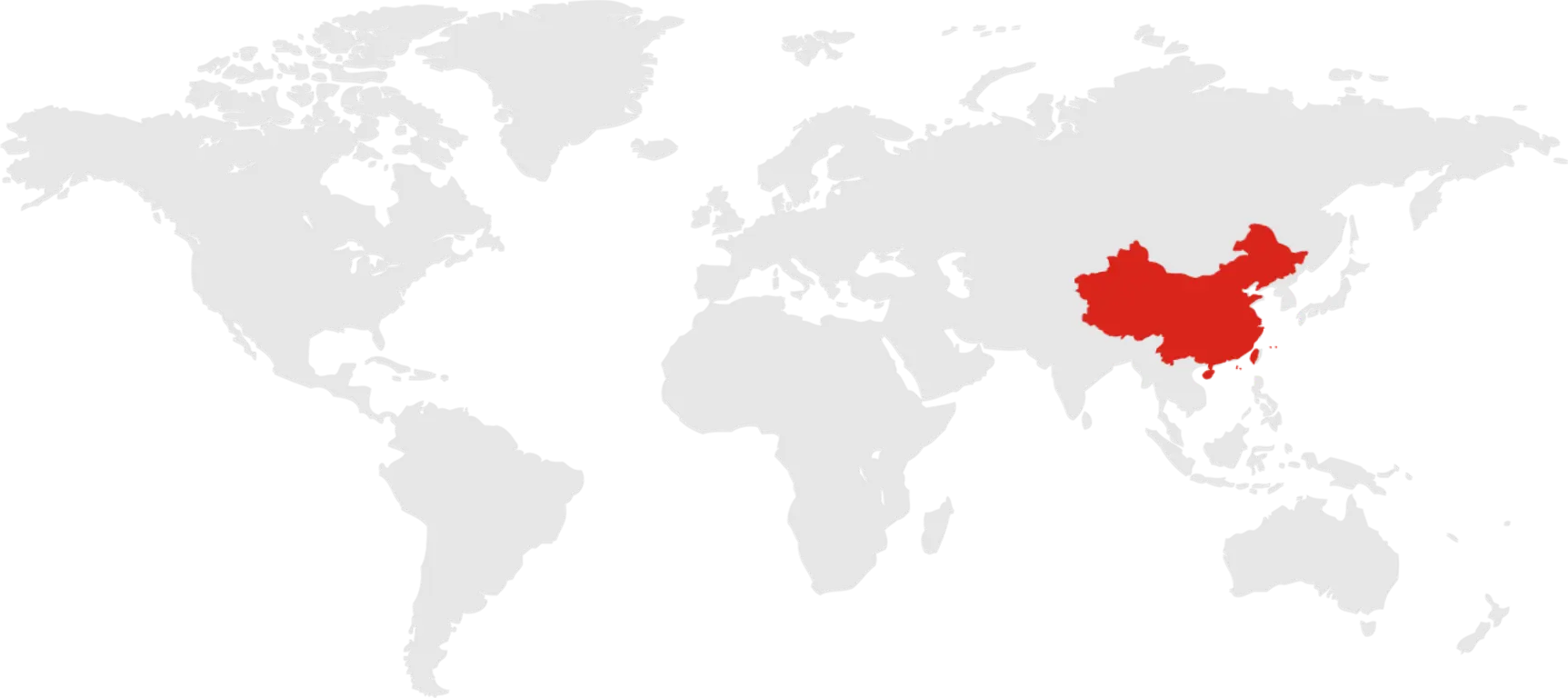
From Sydney to Seattle, Berlin to Tokyo, our high-performance architectural systems are selected by discerning developers and builders worldwide.
Get authoritative answers on import logistics, Australian standards compliance, technical values, and customization options.
Yes. All architectural aluminium frames and structural glass panels exported to Australia are manufactured to meet or exceed AS2047 (for frame deflection, water resistance, and air infiltration) and AS1288 (for glass thickness, type selection, and safe installation parameters). We work closely with Australian certifiers and provide testing reports to streamline structural inspections.
Depending on the glazing option selected, our thermally broken aluminium frames paired with double-glazed, argon-filled, high-performance soft-coat Low-E glass can achieve complete assembly U-values (Uw) as low as 1.5 to 2.2 W/m²K. We can customize the profile insulating strip and glass coatings to hit the exact target values specified in your Section J report.
For projects situated within 5 kilometers of the shoreline, we recommend marine-grade anodized finishes (20 to 25-micron thickness) or high-performance architectural powder coatings compliant with AAMA 2605 (such as Interpon or Dulux exterior fluoropolymer coatings). These chemical configurations provide robust resistance to salt-water corrosion and UV degradation.
The standard manufacturing timeline is 4 to 6 weeks, depending on system complexity and raw extrusion runs. Sea freight transit from major Chinese shipping hubs to Port Botany typically adds 2 to 3 weeks. We provide end-to-end shipping container tracking and handle commercial documentation to ensure smooth customs clearance.
Yes, we offer complete OEM/ODM customization. You can choose from standard RAL color charts, select premium hardware brands (including German-engineered multi-point locks and heavy-duty rollers), and customize sash profiles to match your project's aesthetic and structural requirements.
Whether you are designing a high-end coastal residence in Bondi or engineering a commercial office development in Parramatta, our structural engineering team is ready to analyze your drawings and offer a competitive, compliant quotation.
Send Inquiry Now Guoxin