 Guoxin
1 / 5
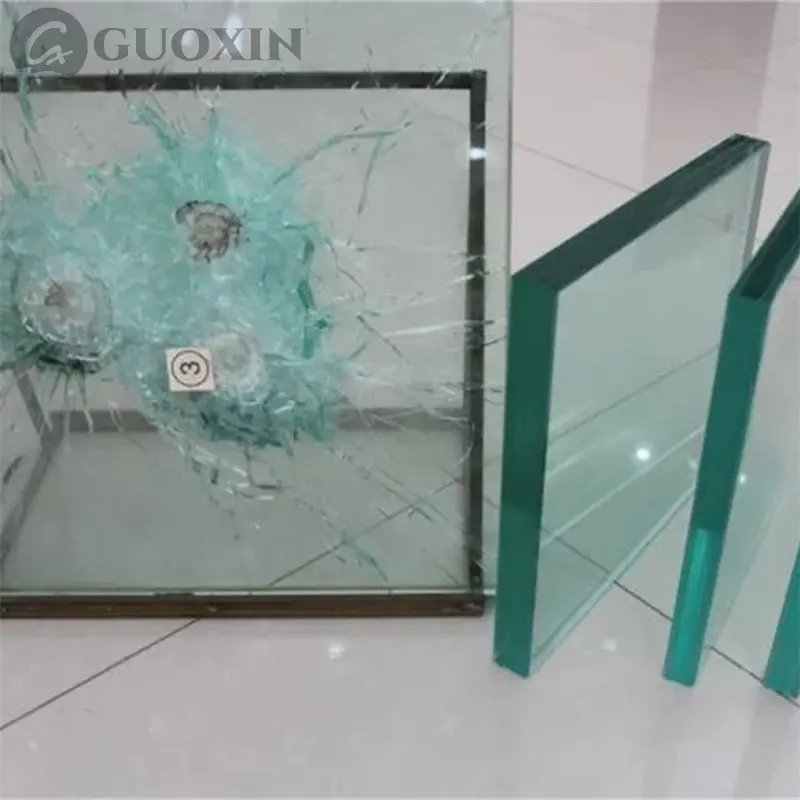
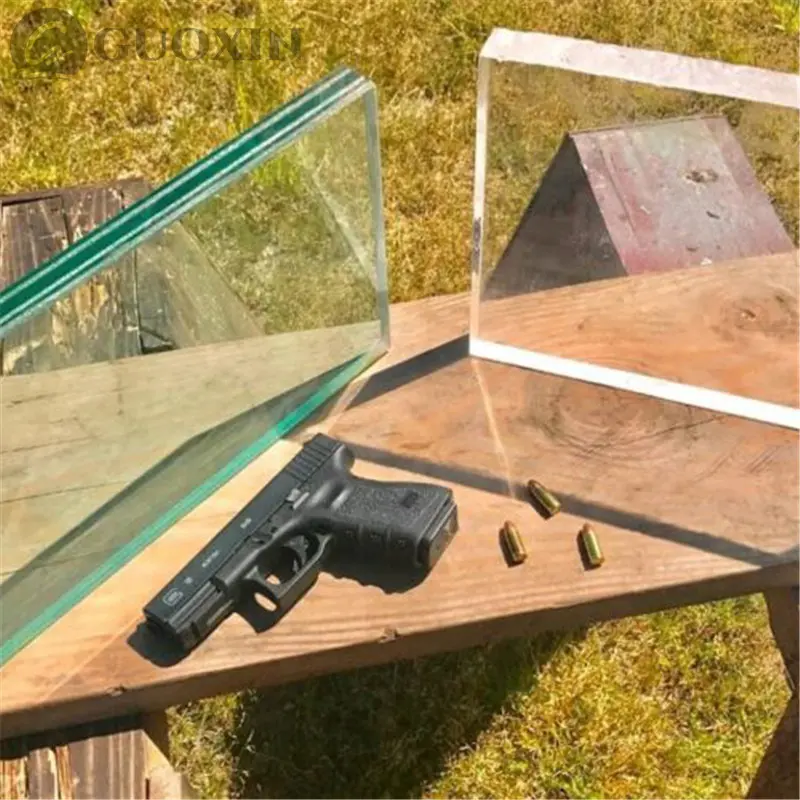
When security is non-negotiable, bullet proof glass provides tailored solutions to counter evolving threats. From retail stores to military installations, its multi-tiered defense system ensures unmatched safety across diverse environments.
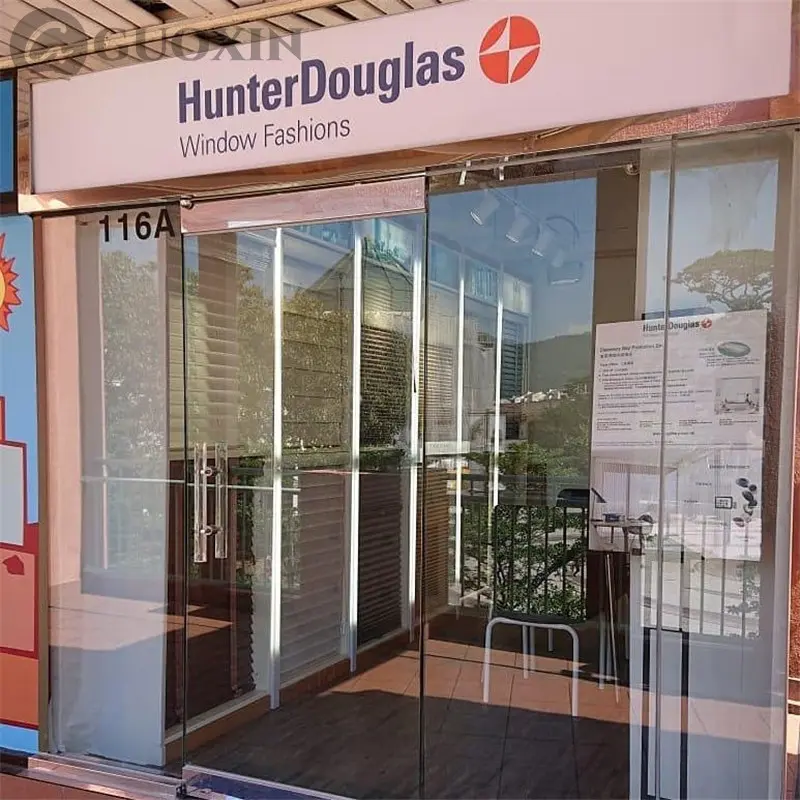
Designed to stop 9mm and .38 caliber rounds, Level 1 glass safeguards petrol stations, pharmacies, and retail spaces. Its lightweight composition maintains visibility while creating a critical barrier against opportunistic attacks.
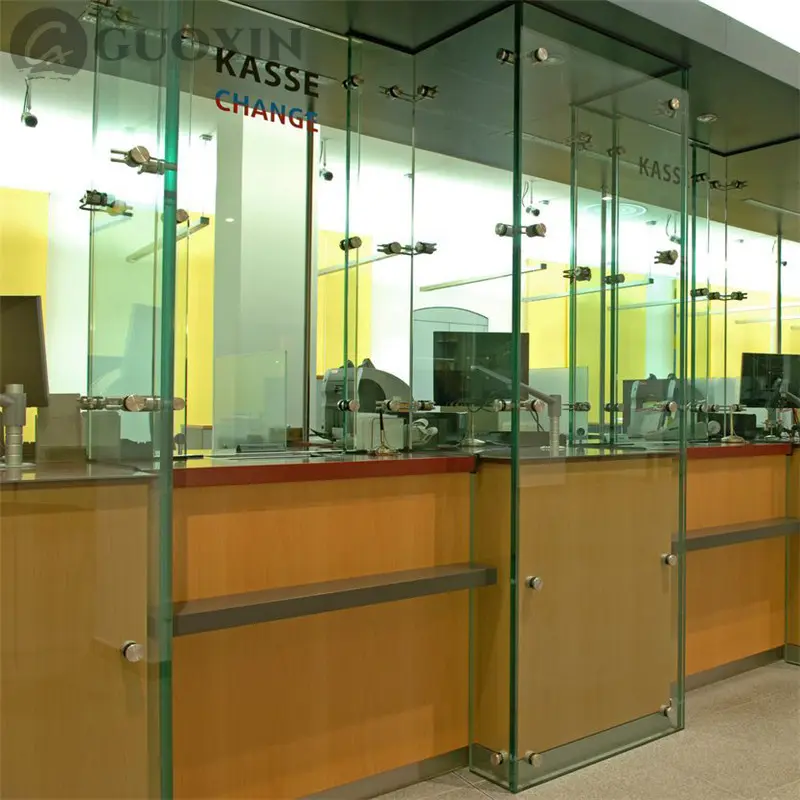
Upgraded to withstand .357 Magnum, Level 2 glass secures financial institutions and corporate offices. The reinforced interlayer absorbs impact energy, preventing penetration without compromising structural integrity.
For government facilities and high-risk buildings, .44 Magnum Level 3 glass deflects armor-piercing rounds from super-powered handguns. Its multi-layered design combines polycarbonate and tempered glass for superior threat mitigation.
The pinnacle of protection, B7-rated and Level 4–8 glass neutralizes assault rifles and automatic weapons. Deployed in embassies and military installations, this technology features advanced SGP interlayers for blast resistance and long-term durability.
Invest in bullet proof glass to future-proof your security strategy. With customizable thicknesses and threat-specific ratings, it's the gold standard for protecting lives and assets in an uncertain world.
Various types of material are used to manufacture bulletproof glass that offers a different level of protection. These levels range from level 1 that can protect against 9mm bullets to level 10 that can sustain some 50 BMG bullets.
There are two most common types of resins used for bullet-resistant glass, acrylic and polycarbonate plastic. However, polycarbonate has become the most popular bulletproof glass material that gives the utmost level of protection.


Bullet proof glass is typically made from multiple layers of glass and polycarbonate plastic bonded together with resin interlayers. Polycarbonate has become the most popular material due to its superior impact resistance and optical clarity.
Bullet proof glass is rated from Level 1 to Level 10 (or B1–B7 in European standards). Level 1 protects against 9mm rounds, while higher levels such as Level 4–8/B7 are designed to withstand assault rifles, automatic weapons, and even some 50 BMG rounds at the highest ratings.
Bullet proof glass is used across a wide range of environments including petrol stations, pharmacies, retail stores, banks, corporate offices, government buildings, embassies, and military installations — each requiring a specific protection level based on the threat assessment.
Yes. Bullet proof glass can be manufactured in customizable thicknesses to meet specific security requirements. The thickness generally increases with the protection level, ranging from lightweight panels for retail use to heavy-duty configurations for military-grade applications.
Modern bullet proof glass is engineered to maintain high optical clarity. While some slight distortion may occur in very thick configurations, most commercial and security-grade panels offer excellent transparency suitable for windows, partitions, and vehicle screens.
Acrylic bullet proof glass is lighter and more scratch-resistant, making it suitable for lower-level protection needs. Polycarbonate is significantly tougher and more impact-resistant, offering higher protection levels. Polycarbonate has become the preferred choice for high-security applications due to its superior performance against powerful ballistic threats.