Engineered structural systems tailored for high-wind-load zones and extreme weather exposure across the Mumbai metropolitan region.
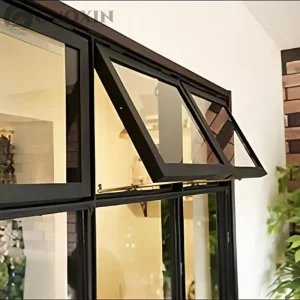
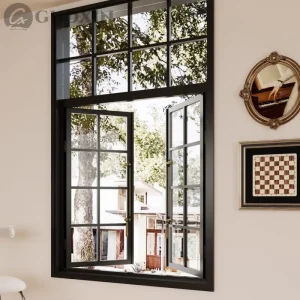
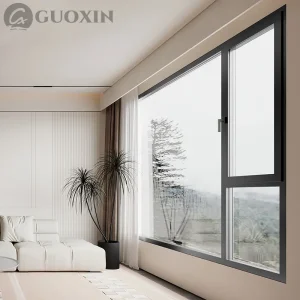
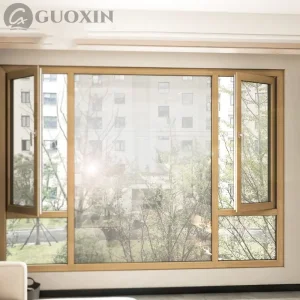
Mumbai, as India's financial capital and one of the most densely populated coastal cities globally, presents a unique set of challenges for contemporary civil engineering and architectural envelope design. The geographical footprint of the Mumbai Metropolitan Region (MMR)—bordered by the Arabian Sea to the west—exposes structures to sustained high-velocity marine winds, persistent salinity, and intensive, localized precipitation cycles during the southwest monsoons. This macro-environmental stress demands structural glazing and aluminium framing elements that transcend basic cosmetic utility, transitioning into highly engineered structural barriers.
In recent decades, Mumbai's skyline has shifted rapidly towards high-rise and super-tall vertical profiles in commercial zones such as the Bandra-Kurla Complex (BKC), Lower Parel, Worli, and emerging corporate corridors in Navi Mumbai. Structurally, these developments must reconcile extreme dynamic wind pressures (often exceeding 2.5 kPa to 3.0 kPa at elevated levels as per IS 875 Part 3 wind load standards) with the thermal demands of a tropical wet-and-dry climate (Köppen classification: Aw). Traditional wooden and unreinforced PVC frame profiles prove structurally deficient and subject to rapid ultraviolet degradation and thermal expansion under these conditions. Consequently, high-tensile, thermal-break aluminium alloy frames (specifically utilizing 6063-T5 or 6063-T6 architectural grade tempers) have become the default benchmark for commercial real estate developers, municipal authorities, and structural consultants.
The installation of window and curtain wall systems in coastal microclimates like Marine Drive, Worli Sea Face, and Versova requires meticulous material selection to mitigate corrosion damage. The atmosphere in these zones contains elevated levels of sodium chloride aerosols, combined with ambient humidity levels frequently exceeding 85%. This environment accelerates galvanic and filiform corrosion in non-treated metallic systems. Our manufacturing process integrates specialized Surface Treatment Protocols, including Qualicoat-certified powder coating (minimum thickness of 60–80 microns) and Class 2/Class 3 anodizing finishes. These surface treatments create an inert barrier against chloride attack, ensuring structural durability and gloss retention over multi-decadal lifecycles.
Our state-of-the-art production facility houses multiple advanced production lines, each equipped with cutting-edge technology.

High-grade aluminum profiles with precision thermal insulation barriers engineered for residential and commercial complexes.
View Details →
Interlayer-gel filled fire protection glass providing advanced heat insulation barriers for localized commercial compliance.
View Details →
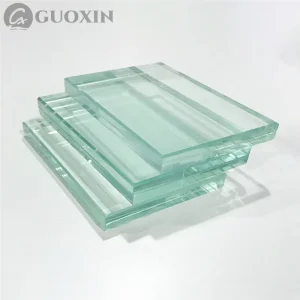
Multi-layered PVB and SGP architectural glass offering excellent structural security and wind pressure resistance.
View Details →
Double and triple glazed systems utilizing argon filling and warm edge spacers to optimize building energy metrics.
View Details →
High-security composite laminates engineered to resist physical intrusion and impact for executive protection.
View Details →We custom-develop profile dies and glass specifications to match local wind calculations and project specifications.
Consult EngineersAt the global level, architectural fenestration is undergoing a significant transformation driven by strict energy codes, carbon neutrality goals, and localized climate adaptation initiatives. In the European Union and North America, building directives require low structural thermal transmittance values (U-values below 1.2 W/m²K for window systems). Achieving these performance levels requires the integration of high-performance thermal breaks—specifically multi-chambered polyamide struts (such as Technoform or equivalent glass-fiber reinforced polyamide structures)—which thermally isolate the exterior aluminum profile from the interior frame, effectively preventing heat transfer.
In emerging megacities across Asia and South America, the focus is on reconciling high thermal efficiency with structural wind-load performance. In tropical and subtropical climates, external heat gain is dominated by solar radiation rather than ambient conduction. Consequently, the macro trend points towards combining high-strength aluminum alloys with Double Glazed Units (DGUs) containing solar control low-emissivity (Low-E) coatings. These specialized coatings selectively filter infrared light while allowing high visible light transmittance (VLT), keeping interior temperatures cooler and reducing air conditioning loads in dense urban settings.
As an established manufacturing entity founded in 2006 with two decades of operational experience, Jiangsu Guoxin Glass Co., Ltd. has developed specialized production facilities to serve this global market. Operating out of our ISO 9001:2015 certified production plants, we run multiple extrusion, anodizing, powder-coating, and advanced glass processing lines. Our architectural processing portfolio includes high-temper tempering ovens, autoclave-based PVB/SGP lamination systems, and automated gas-filled insulated glass unit assembly lines. This integrated production model allows us to maintain direct quality control over both the structural aluminium profile and the glass infill, ensuring overall system integrity.
Advanced profile configurations with remarkable precision, efficiency, and engineering values.
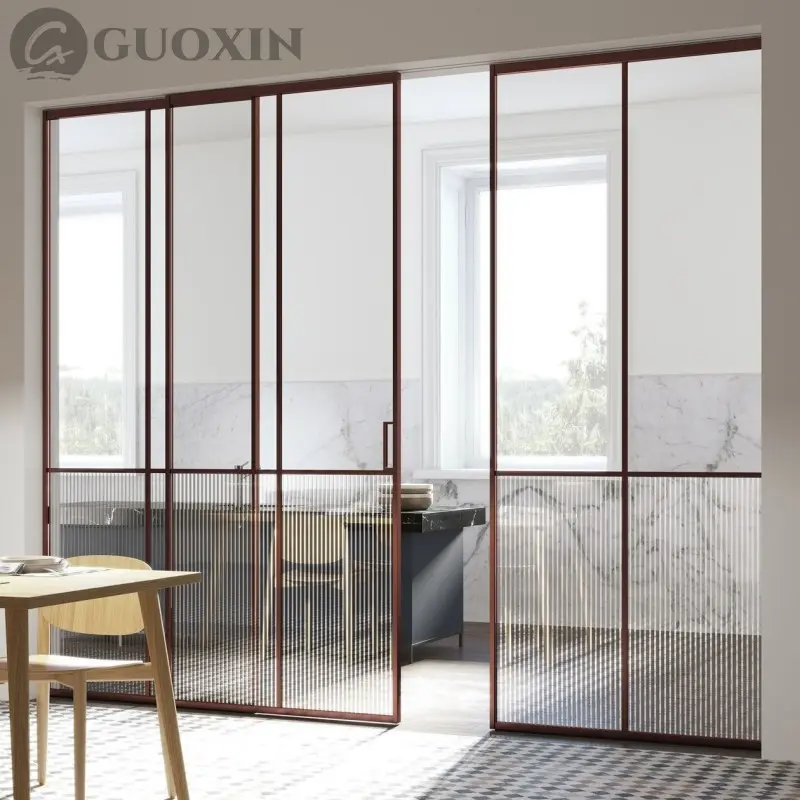
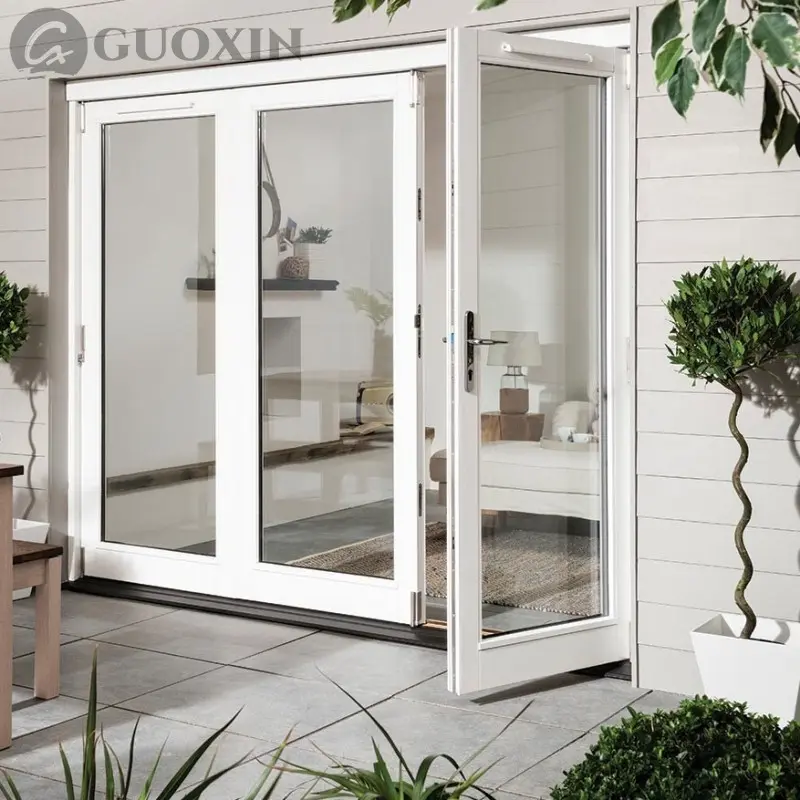
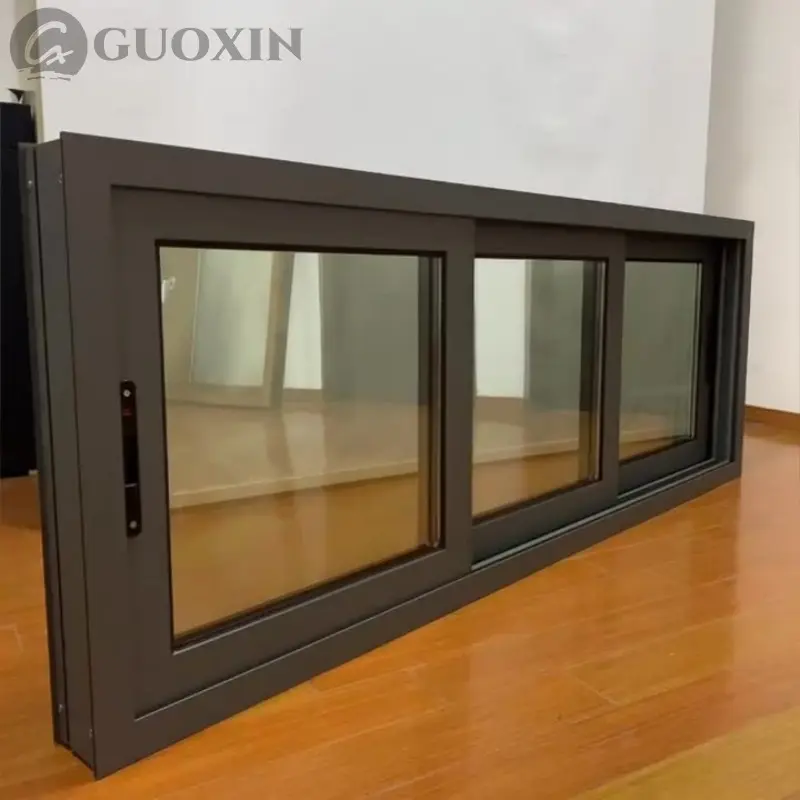
Importing structural building materials for use in India, and specifically in Mumbai, requires strict adherence to localized compliance frameworks. First-tier real estate developers and municipal planners require compliance with the National Building Code of India (NBC 2016), as well as structural glass standards such as IS 16231 (which governs the selection and installation of glass in buildings for safety and energy efficiency). Furthermore, wind-load capacity calculations must align with IS 875 (Part 3), which accounts for factors like local topography, wind velocity, and structural height parameters.
To serve the Mumbai market, we offer a comprehensive technical compliance suite:
Standard architectural windows typically experience failure in Mumbai due to insufficient anchoring, low-quality perimeter sealant joints, or structural frame deflection under wind loads. To prevent these failures, we recommend using concrete-embedded structural sub-frames. The window frame is mounted to the sub-frame using high-grade stainless steel fasteners (SS316 to prevent galvanic corrosion with the aluminium profile) and sealed with structural silicone sealants. For glazing, high-wind zones require toughened laminated glass (PVB or SGP interlayers). In the event of glass breakage, the interlayer holds the fragments together, maintaining the building envelope and preventing water ingress.
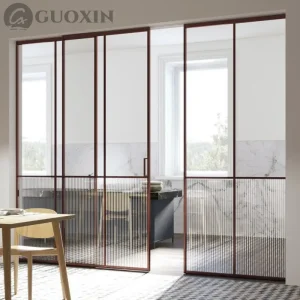
Precision-etched, laminated, and decorated glass solutions for landmarks and premium commercial spaces.
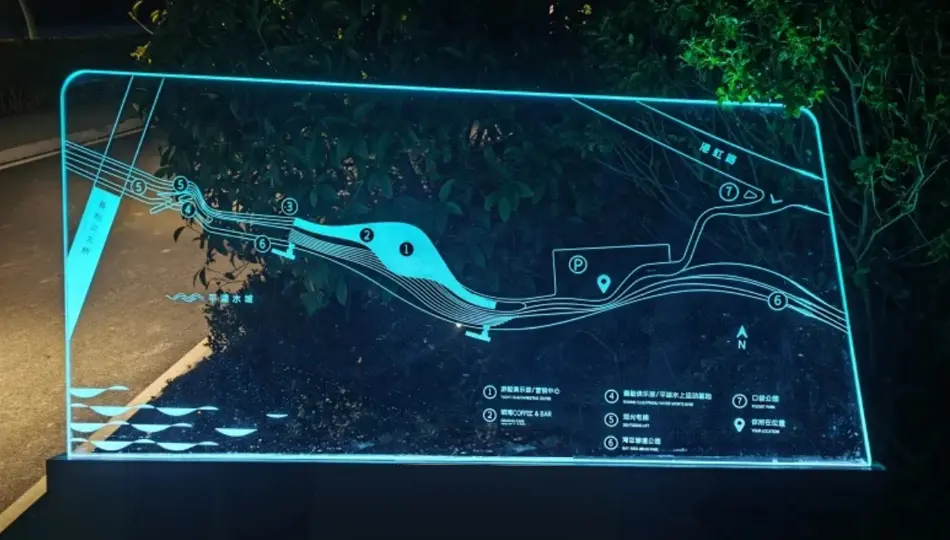
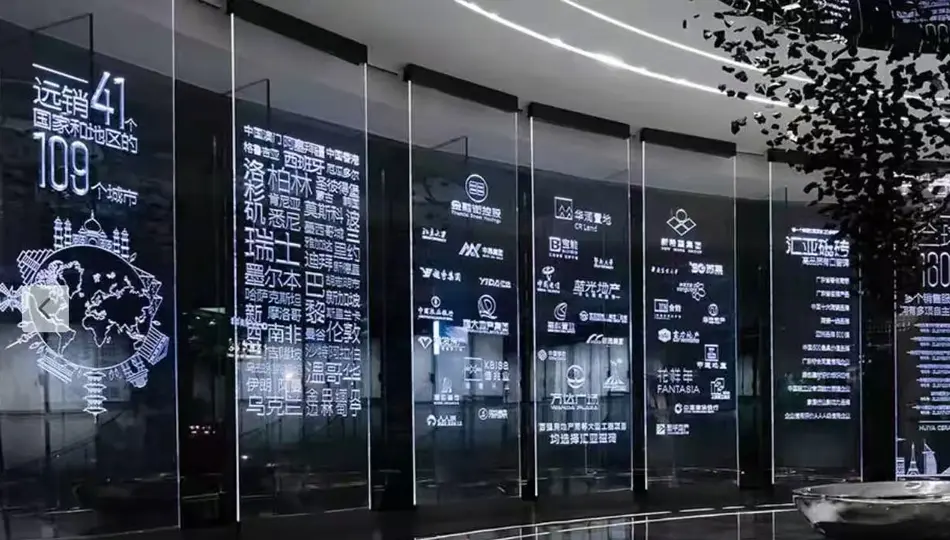
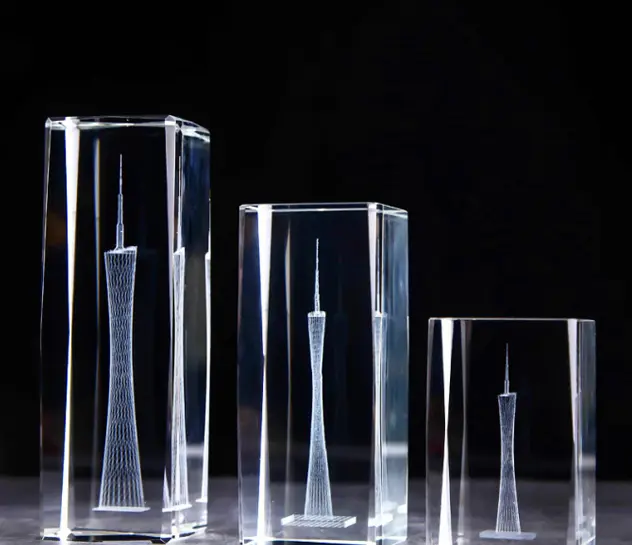
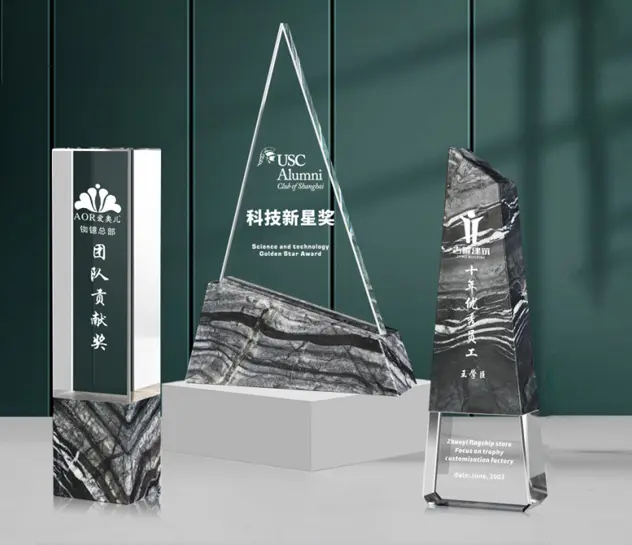

We support complex specifications, oversize panels, custom cutting, drilling, and edge-polishing.
Send Custom InquiryArchitectural designs in Mumbai have evolved to reflect the city's unique geography, demanding distinct fenestration features based on location and application:
Urban ambient noise in metropolitan Mumbai often reaches levels between 75 dB and 85 dB due to heavy traffic, construction, and high population density. Sustained exposure to these noise levels can impact occupant well-being. Our acoustic-rated window profiles use asymmetric glass layer thicknesses (for example, 6mm glass + 12mm air gap + 8mm glass) combined with PVB interlayers. This design disrupts sound wave transmission across different frequencies, reducing indoor noise levels by up to 40-45 dB (Rw rating).
Commercial and residential developments engineered with our high-durability architectural systems.
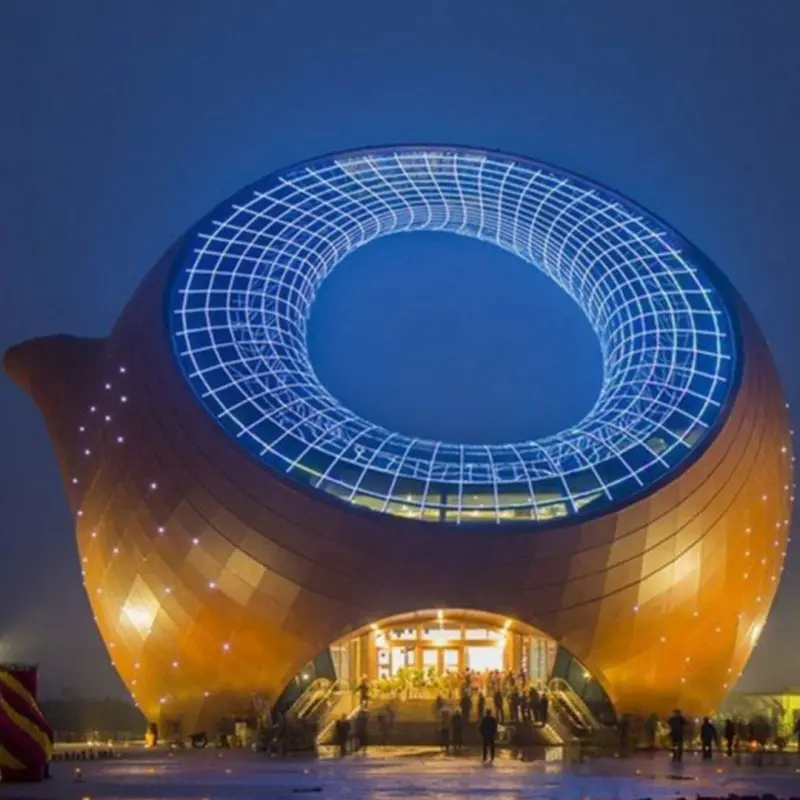
A landmark corporate office building featuring a bespoke, curved structural glazing system. The project uses custom insulated low-E glass panels with reinforced aluminium framing to withstand coastal wind loads and reduce solar heat gain.
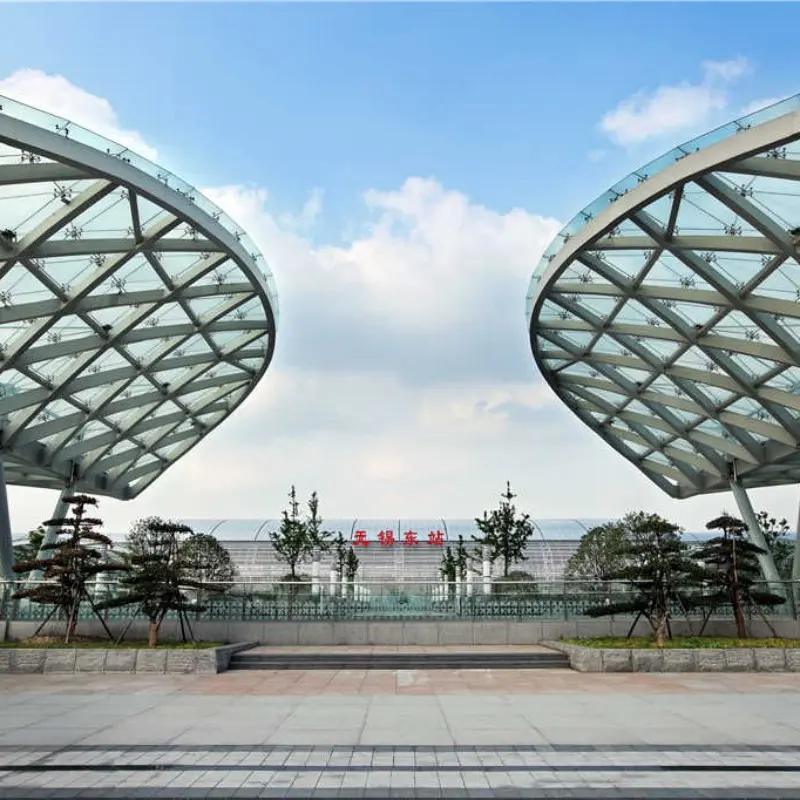
An airport infrastructure project requiring high acoustic insulation and structural safety. Built using heavy-duty, PVB-laminated double-glazed panels and reinforced aluminum frame extrusions to ensure occupant safety and comfort.

A luxury residential high-rise project exposed to severe marine environment conditions. Designed with hurricane-resistant sliding window profiles and corrosion-resistant hardware finishes to prevent salt spray degradation.
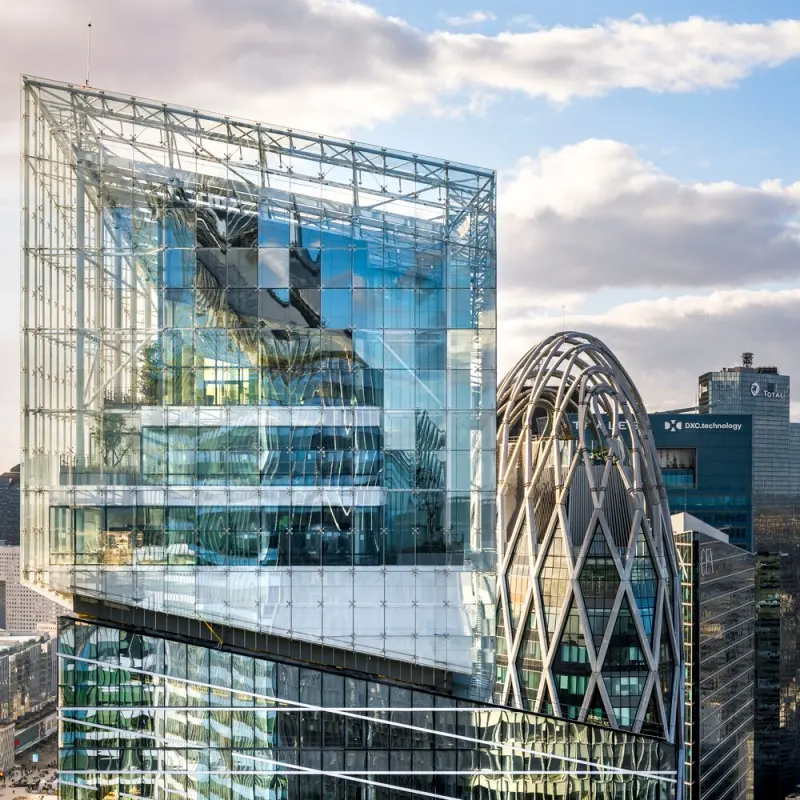
An IT park development featuring a large curtain wall facade. The design balances high visible light transmission with solar control coatings to optimize energy efficiency and lower HVAC operating costs.
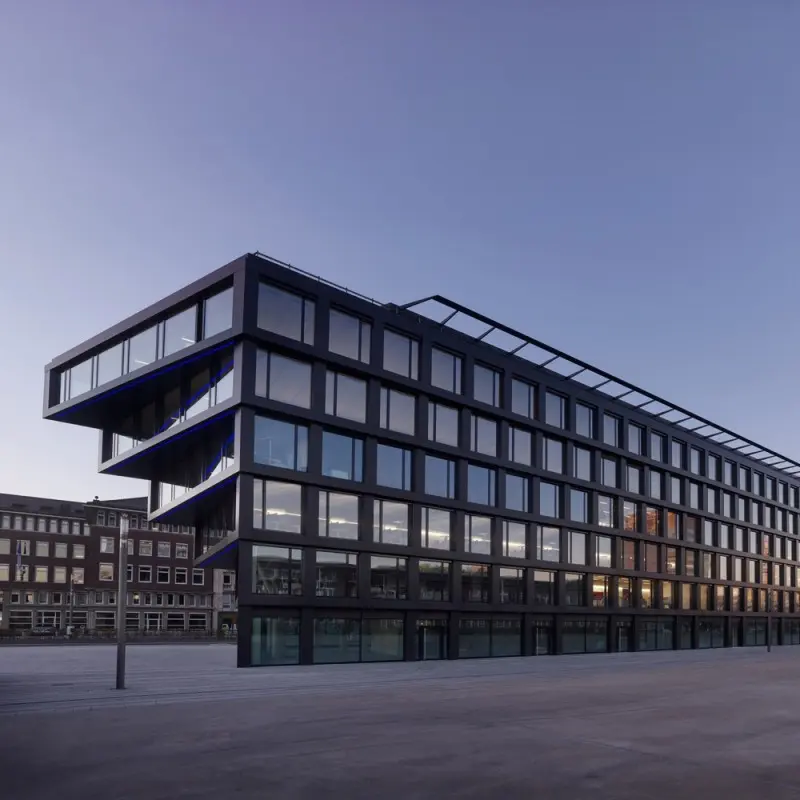
A modern commercial facility built to high environmental standards. Features automated sunshade glass configurations and thermal break aluminium window frames to achieve IGBC (Indian Green Building Council) gold certification.
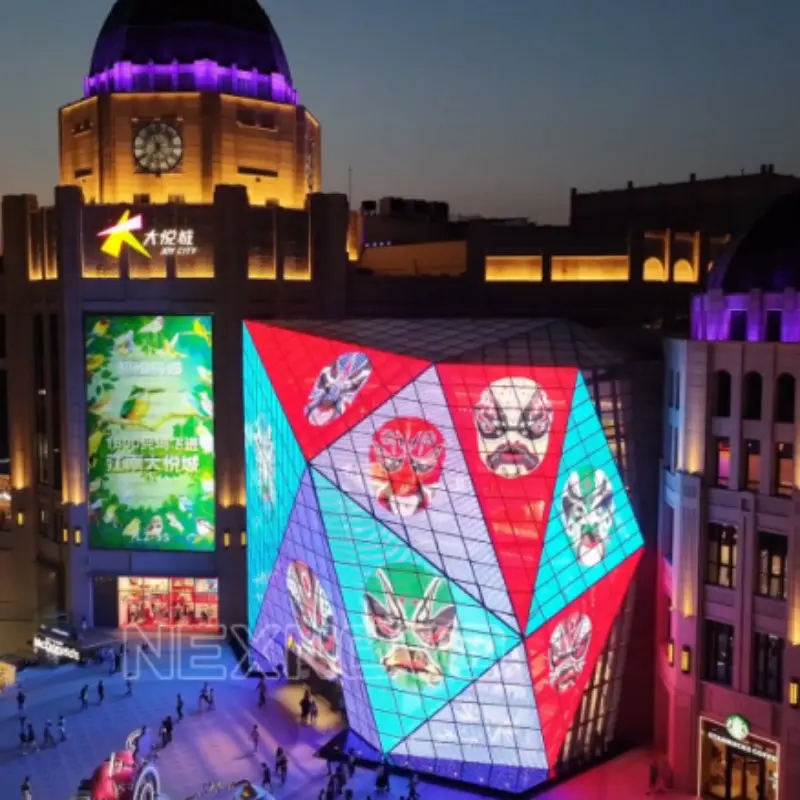
A high-traffic retail development utilizing large-format safety glass panels. The shopfronts use heavy-duty laminated glass and reinforced framing systems to manage daily thermal expansion and mechanical loads.
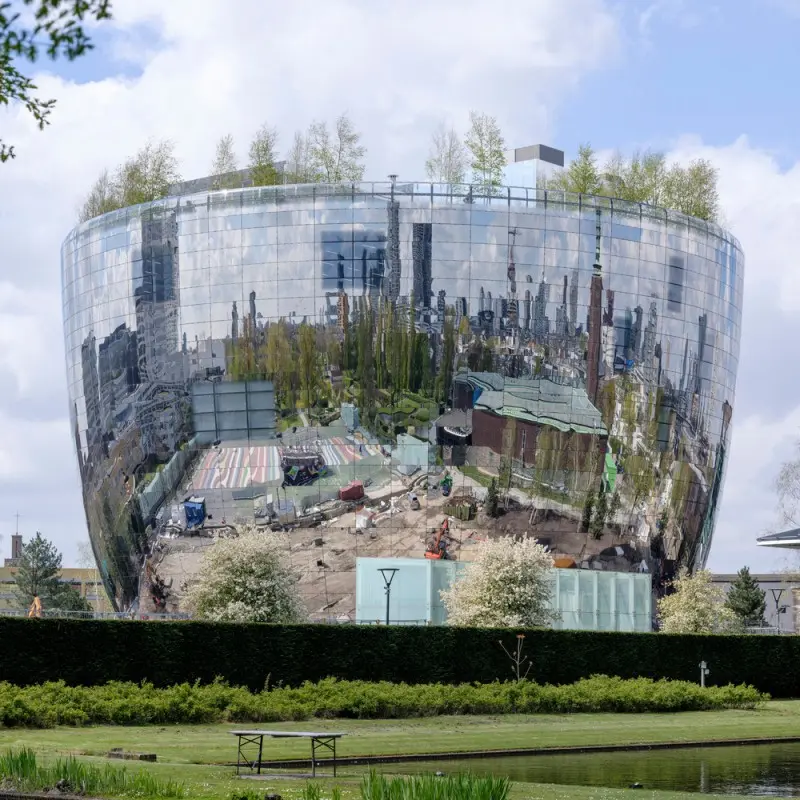
A residential high-rise complex utilizing integrated tilt-and-turn windows. The profiles feature multi-point locking systems and EPDM seals to prevent rainwater ingress and leakage during the heavy monsoon season.
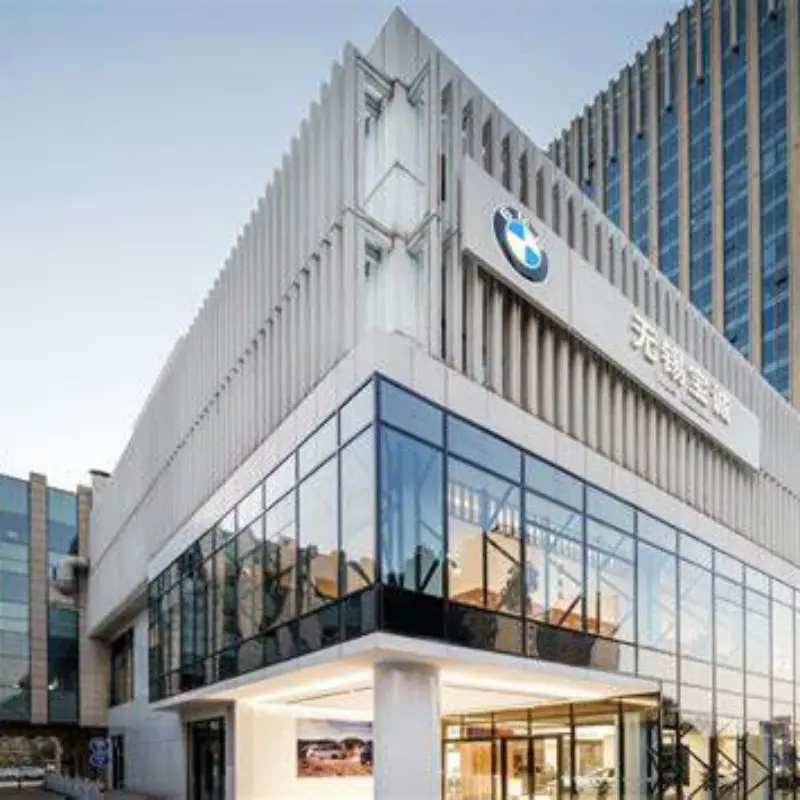
A retail display space featuring oversized glass panels for maximum product visibility. Built using custom-processed jumbo glass and slim-profile structural glazing support to create a clean, modern aesthetic.
We collaborate with local Indian structural consultants to provide site-specific shop drawings, wind load calculations, and seismic engineering support.
Request Technical ConsultAs building efficiency standards become more stringent globally, our product design department continues to research and integrate advanced architectural technologies:
Jiangsu Guoxin Glass Co., Ltd. operates with a core focus on "Quality First, Customer First, and Credit-Based" principles. We provide tailored profile designs, custom powder coating options, and dynamic glass processing configurations to meet project specifications in India and globally.
Send Inquiry NowExplore our complete line of architectural glass and custom aluminium window configurations engineered for demanding environments.
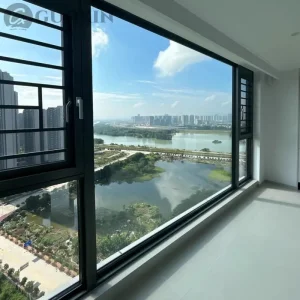
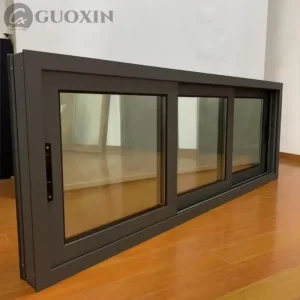
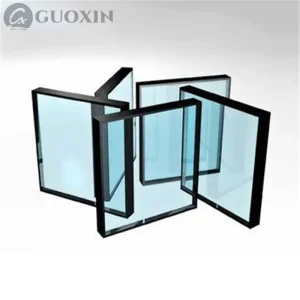
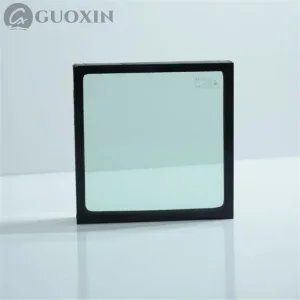
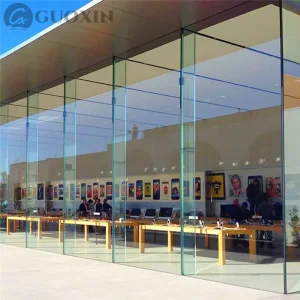
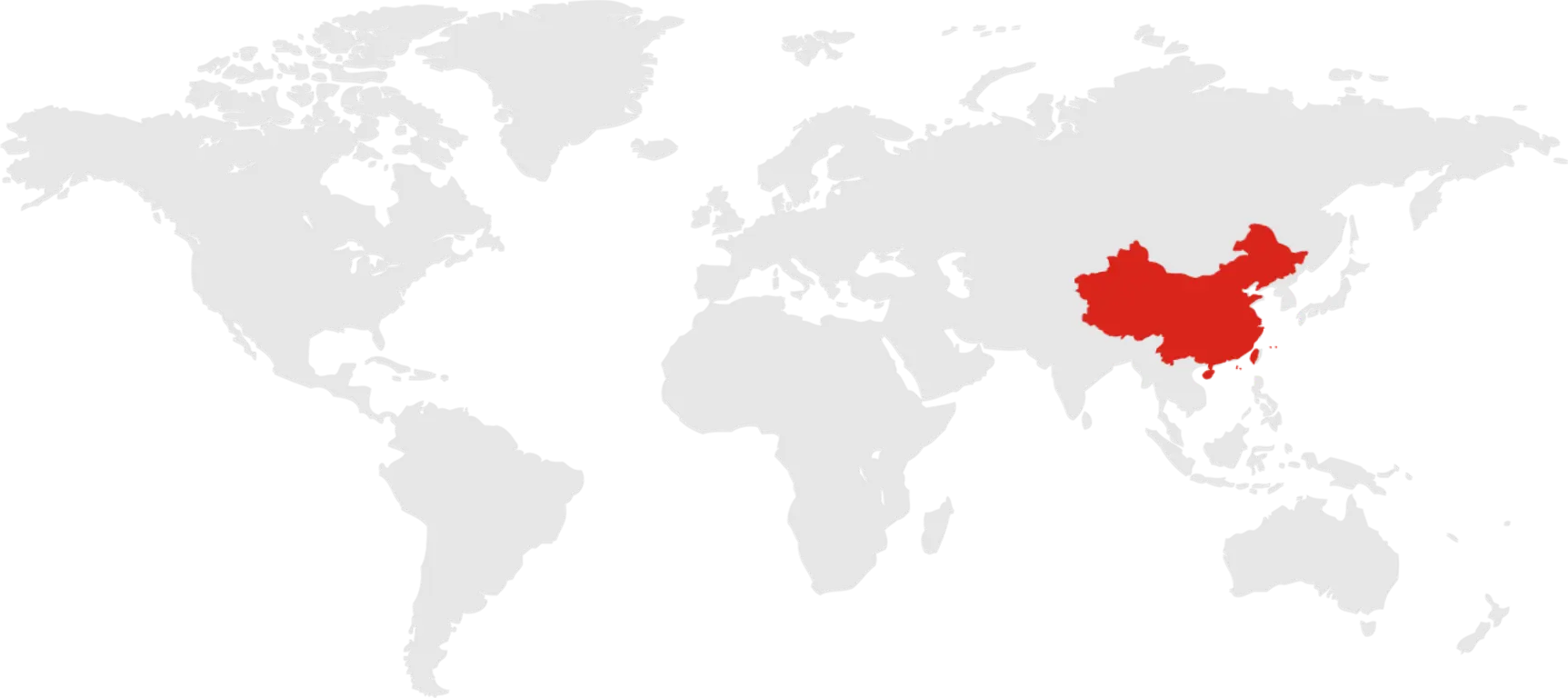
Our engineering services and product shipments support projects in major international markets and regions.
Our manufacturing and processing lines maintain ISO 9001:2015 certification for quality management, alongside national and international structural glazing standards.
Read the Announcement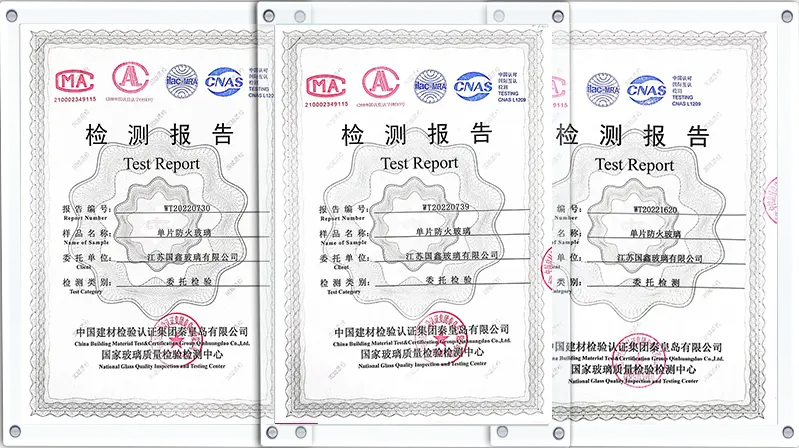
Every batch undergoes structural testing and inspection prior to overseas dispatch.
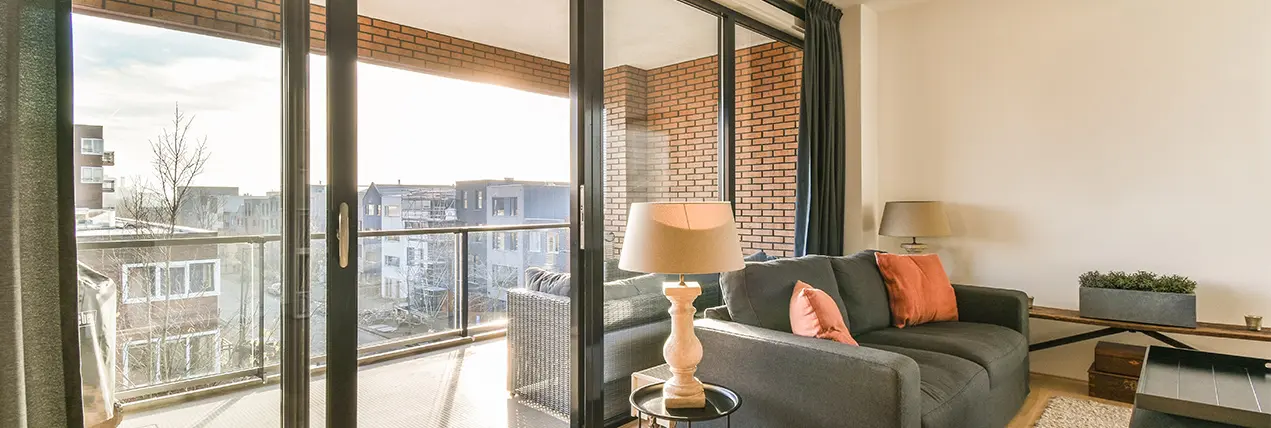


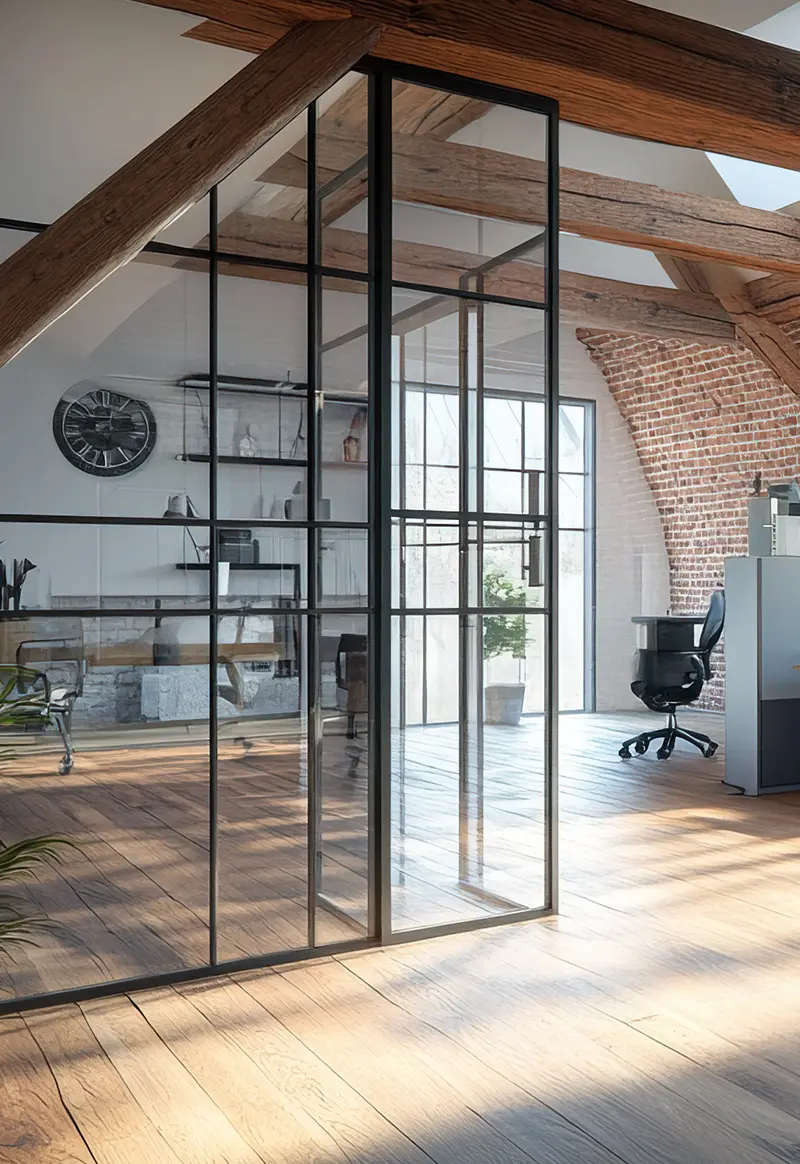
Technical insights, engineering comparisons, and design trends from our structural experts.
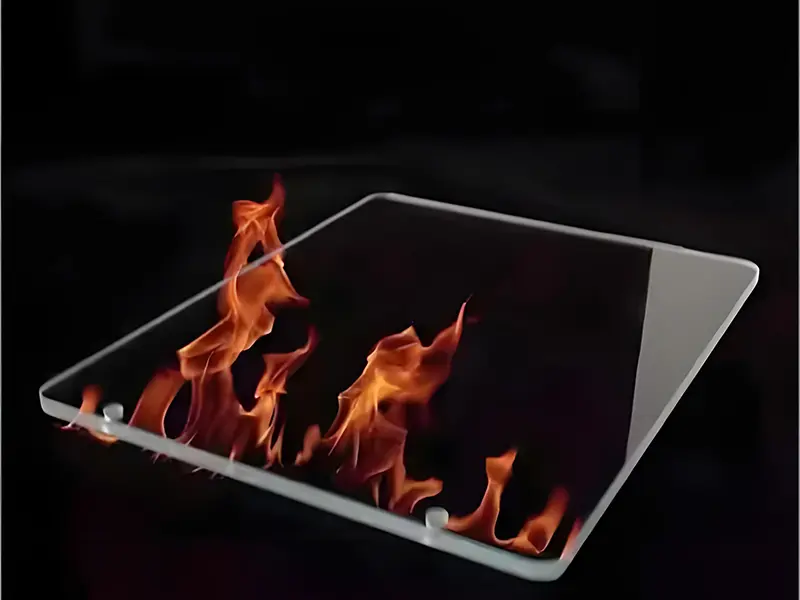
An analysis of performance differences, thermal stress ratings, and local building code compliance for fire protection glass.
Learn More →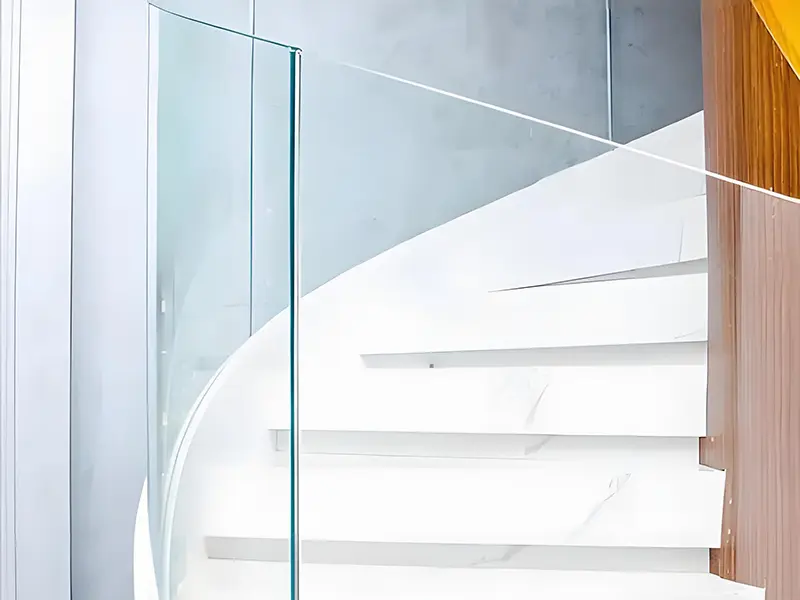
Evaluating PVB and SGP interlayers for structural safety, impact resistance, and mitigating breakage risks in high-rise towers.
Learn More →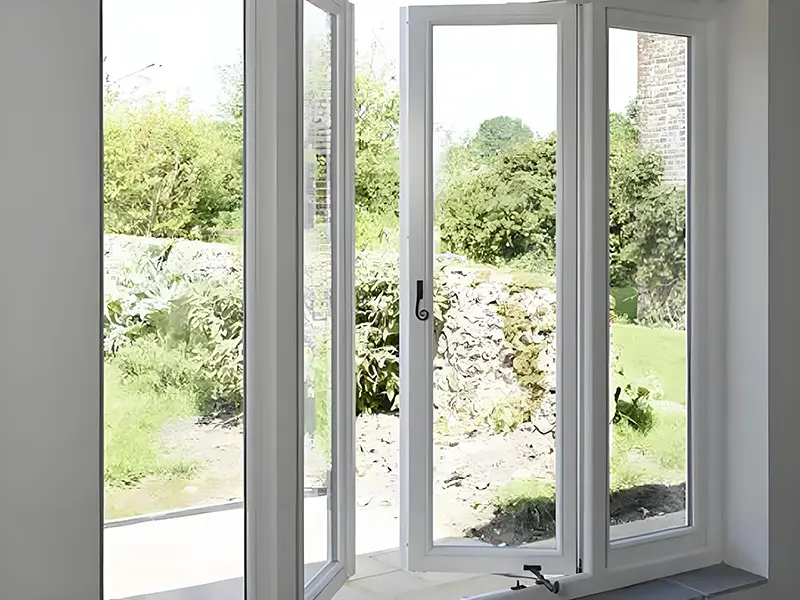
A comparison of mechanical strength, thermal conductivity, corrosion resistance, and cost efficiency in coastal microclimates.
Learn More →Technical advice and compliance clarifications regarding aluminum window and glass systems for the Mumbai market.
We recommend architectural-grade aluminum alloys 6063-T5 or 6063-T6. These alloys offer the necessary tensile strength and structural rigidity to handle high wind pressures, while also supporting precise surface treatment finishes like powder coating and anodizing.
Our systems utilize multi-chambered EPDM gaskets, multi-point locking hardware, and dedicated internal drainage channels. These design features work together to direct water away from the interior and maintain sealing performance under dynamic pressures up to 600 Pa.
We recommend using Double Glazed Units (DGUs) with low-emissivity (Low-E) coatings. These coatings selectively filter out solar infrared radiation while keeping visible light transmittance high, helping to lower building energy costs.
Yes. Our structural calculations, profile wall thicknesses, and glass laminates are engineered to align with IS 875 (Part 3) for wind loads and IS 16231 for architectural safety glass applications.
We offer customized extrusion profiles (OEM/ODM) along with surface finishes including Qualicoat powder coatings, PVDF coatings, and anodized treatments to protect against high humidity and salt spray.
Get in touch with our engineering team for customized design drawings, wind-load calculation sheets, and a manufacturing quotation.
 Guoxin