Premium OEM and customized protective solutions designed for commercial infrastructures and strict regulatory compliance.
Strategic structural analysis for institutional procurement managers, EPC contractors, and real estate developers.
Modern commercial real estate requires high performance in sustainability, safety, and operational excellence. The deployment of fire-rated glazing systems and safety glass is central to this effort, shaped by international and regional fire safety codes. In jurisdictions under the National Fire Protection Association (NFPA) or the International Building Code (IBC), architects must use materials that meet strict flame, smoke, and heat transmission restrictions. Specifically, standards such as NFPA 251, ASTM E119, and UL 263 require building elements to maintain structural integrity and limit heat transfer to prevent flame spread.
For international procurement departments, finding reliable OEM suppliers and factories in China is essential to managing construction costs while meeting these standards. Global fire regulations now emphasize passive protection systems. High-quality fire-resistant glass is no longer just a partition, but a load-bearing barrier that provides 30 to 120 minutes of protection (EI / E class ratings). This gives building occupants time to evacuate and helps prevent damage to adjacent structures.
We configure OEM glass products to meet EN 13501, BS 476, and NFPA criteria, ensuring compliant imports across global jurisdictions.
By streamlining raw materials supply and manufacturing pipelines, we offer highly competitive pricing without sacrificing material density or structural safety.
Every production batch undergoes hose stream tests, high-temperature furnace cycling, and mechanical stress verification under strict lab monitoring.
Our state-of-the-art production facility houses multiple advanced production lines, each equipped with cutting-edge technology.

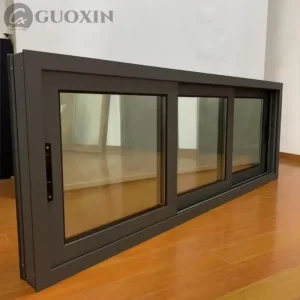
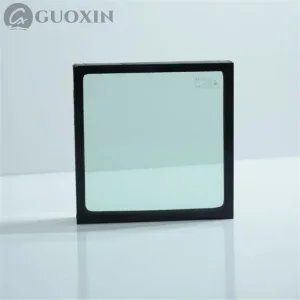
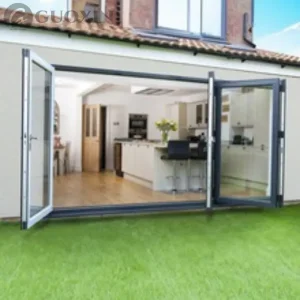
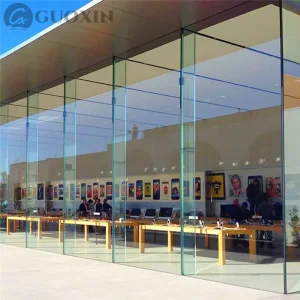
Engineered for high wind load, thermal insulation, and seamless integration with contemporary building facades.
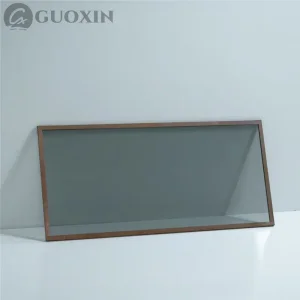
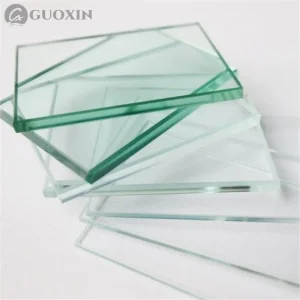
Advanced fire-resistant glazing certified under international standards for integrity and thermal insulation.
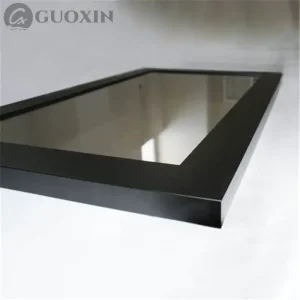
High impact resistance utilizing premium interlayer sheets to prevent shattering and provide fall protection.
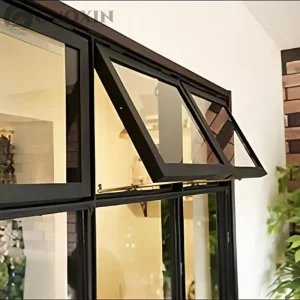
Energy saving, noise reduction, and structural ballistic defense custom configured for critical safety needs.
Leading enterprise in the glass industry with a stable and successful track record spanning two decades.
Jiangsu Guoxin Glass Co., Ltd. was founded in 2006 and has since grown into a leading enterprise in the glass industry, with a stable and successful track record spanning two decades. Our company has accumulated a wealth of experience in the research and development, production, and marketing of aluminum windows, fireproof Glass, laminated glass, and insulated glass. This expertise has allowed us to innovate and produce high-quality products that meet the diverse needs of our customers.
By integrating advanced manufacturing equipment with rigorous quality testing, we ensure that our building solutions comply with both aesthetic designs and demanding international safety standards.
Combining fire protection, thermal insulation, acoustic comfort, and solar control in commercial structures.
As commercial buildings become taller and more complex, designing building envelopes is no longer just about aesthetics. Modern design requires balancing thermal insulation, structural resilience, and fire safety. The transition from simple single-layer tempered sheets to multi-functional insulated glazing units (IGUs) highlights this shift. In dense urban areas, a building envelope must also serve as a barrier against external environmental factors, such as extreme weather, noise pollution, and industrial hazards.
Our macro industry solutions focus on integrating safety features. For example, our fireproof glass can be combined with Low-E coatings, solar reflective films, or switchable smart glass components. This creates a multi-layered unit that limits heat gain in summer and loss in winter, while maintaining its fire protection capabilities. Additionally, for locations near high-traffic areas or industrial facilities, combining fire protection with laminated PVB or SGP interlayers helps meet wind-load and safety requirements.
Engineered to prevent the chimney effect in vertical shafts and elevators, limiting the spread of fire and toxic smoke across floors.
For chemical and power plants, we provide impact-resistant, non-browning radiation shielding glass alongside robust fireproof partitions.
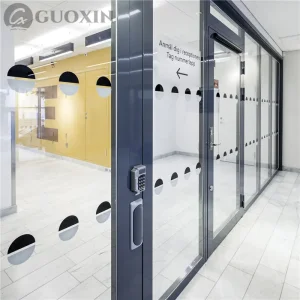
Specially customized for universities, municipal spaces, and transport hubs where large crowds require proven architectural safety barriers.
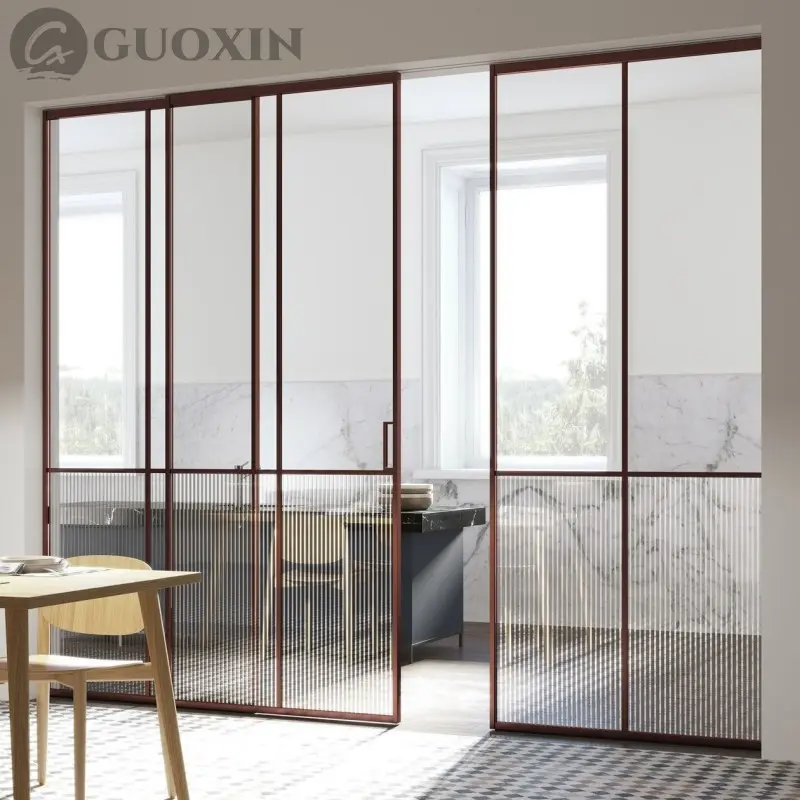
This allows us to produce a wide variety of high-quality glass doors and windows with remarkable precision and efficiency.
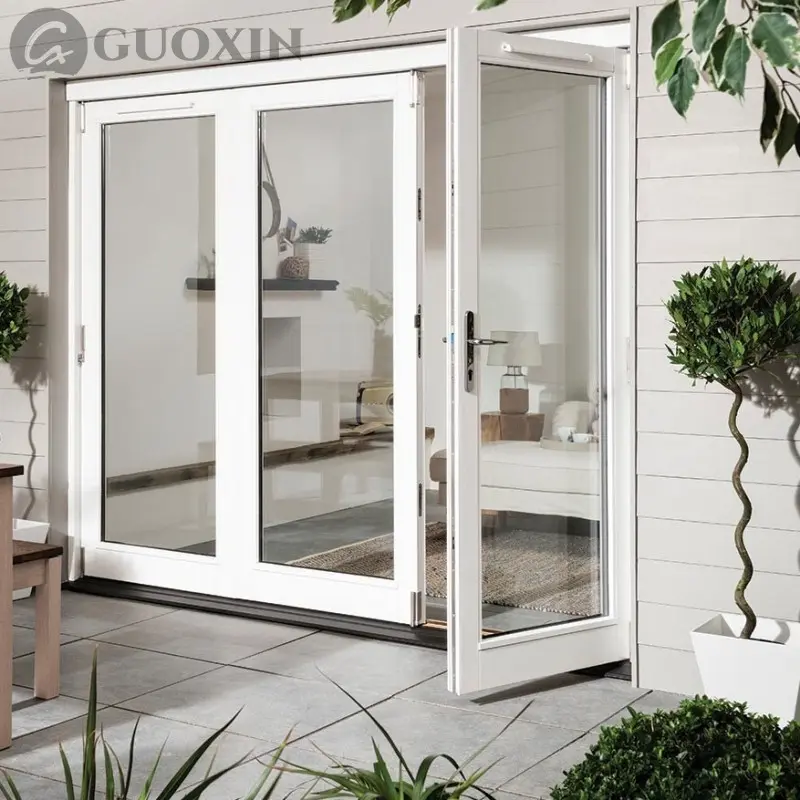
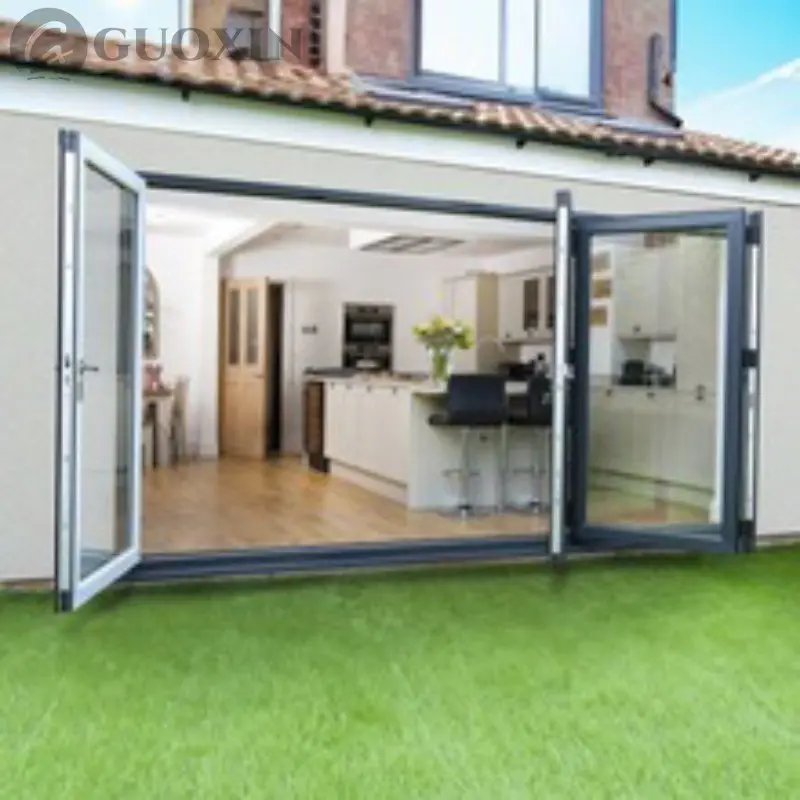
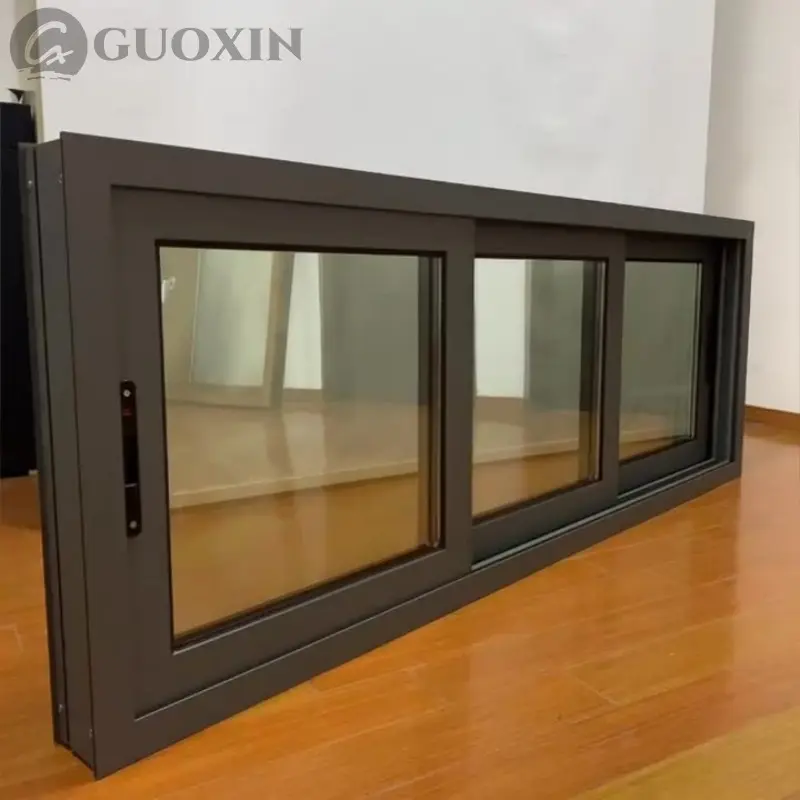
Continuous evolution of chemistry, physics, and manufacturing limits in architectural safety glass.
The technology behind fireproof glazing has evolved from basic wire glass to advanced composite materials. Standard wire glass often had limited impact strength and was prone to breakage under stress. Today, monolithic borosilicate glass and multi-layered gel-filled intumescent laminates are the industry standard. These modern systems react to intense heat by forming an opaque barrier that blocks thermal radiation, keeping temperatures on the unexposed side low.
Our production lines focus on key manufacturing parameters, such as chemical tempering processes and the formulation of polymer interlayers. Monolithic fireproof glass uses precise chemical exchange treatments that replace sodium ions with larger potassium ions. This creates surface compression that helps the glass withstand thermal shock. For projects requiring fire insulation (EI Class), we use custom liquid gel formulations that remain clear under normal conditions but expand into a dense foam when exposed to fire, blocking thermal transmission.
| Technology Class | Primary Fire Resistance Mechanism | Typical Duration Ratings | Optimal Project Application |
|---|---|---|---|
| Monolithic Borosilicate | Low coefficient of thermal expansion, resists high temperature changes without cracking. | 30 to 60 Mins (Class E) | Exterior curtain walls, high-temperature industrial viewpoints. |
| Multi-layered Intumescent | Clear interlayer gel expands into a thick, opaque thermal shield to block radiant heat. | 60 to 120 Mins (Class EI) | Escape corridors, interior partitions, server rooms. |
| SGP Laminated Shielding | SentryGlas Plus interlayers provide post-breakage strength and mechanical security. | Acoustic/Safety focused | High-security bank vaults, public facades, hurricane zones. |
| Smart Privacy Glazing | Electrochromic and PDLC films integrated with thermal insulation. | Acoustic/Solar focus | Conference rooms, luxury office facades, medical institutions. |
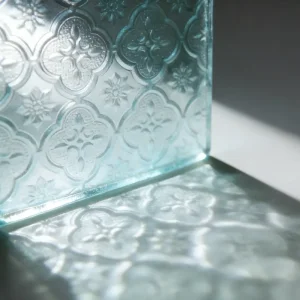
Decorative and structural artistic customizations for urban spaces, public landscapes, and brand landmarks.
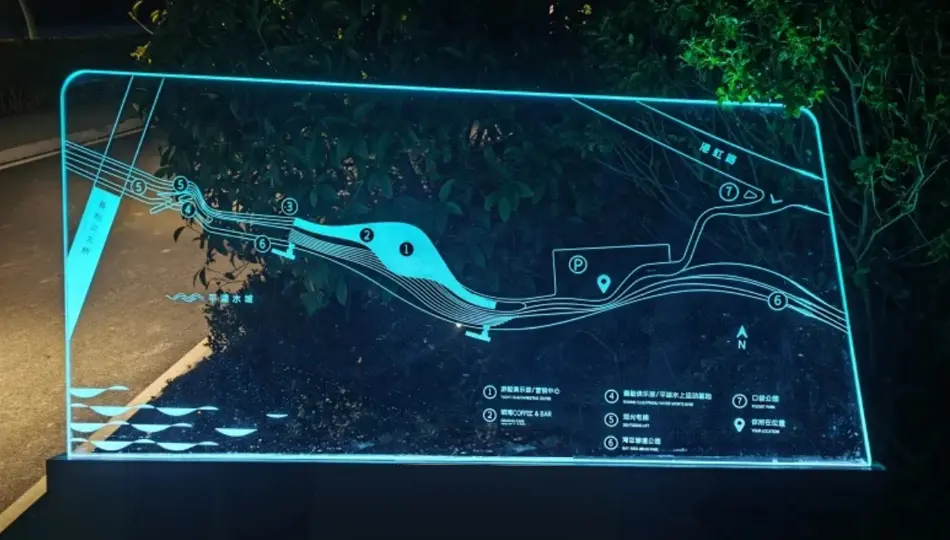
Durable public works combining decorative relief art with safety-tempered bases.
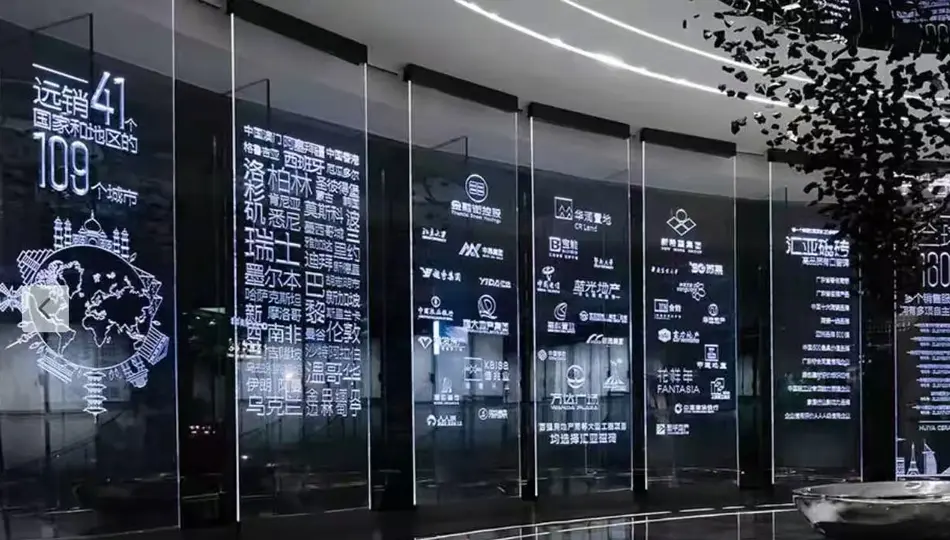
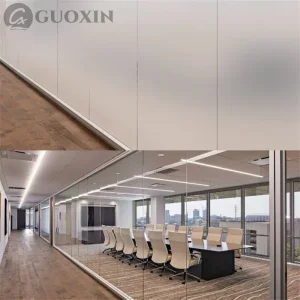
Interior design dividers, corporate branding, and architectural focal points.
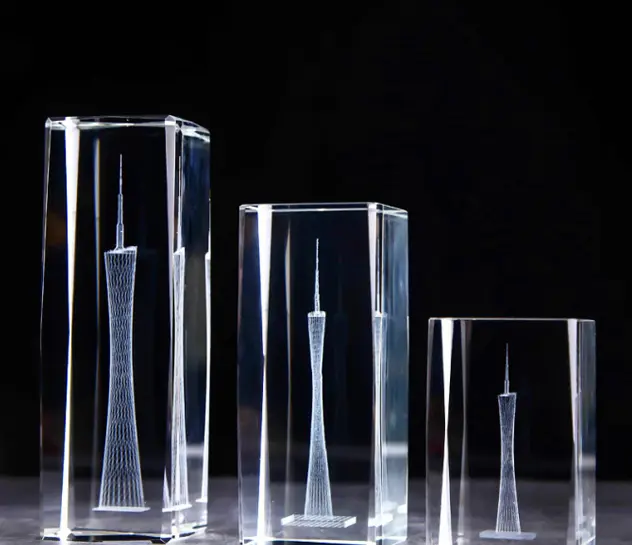
Trophies, medals, and decorative ornaments customized using 3D laser engraving technology.
How we ensure global compatibility with national building authorities, testing labs, and inspector guidelines.
Exporting glass systems requires strict compliance with local building regulations. Each region has specific testing standards, and a product that is certified in one country may not be accepted in another without proper documentation. In North America, the International Building Code (IBC) requires that fire-rated glazing undergo tests like ASTM E119 or UL 9, which includes a hose stream test. This test applies high water pressure to the glass after fire exposure to verify its durability under thermal shock and pressure changes.
In Europe, standards are organized under EN 13501-2, which classifies products into three main categories: Class E (Integrity - preventing flames and hot gases), Class EW (Integrity and Radiation control), and Class EI (Integrity and full thermal insulation). Our OEM factory configurations are set up to produce and document components according to these specific standards. We provide third-party test reports, factory audit trails, and ISO 9001 compliance logs to simplify the approval process with local building officials.
Products tested for UL 9, UL 10C, ASTM E119 compliance, including full hose-stream testing resistance.
Fully certified under EN 12150, EN 14449, and EN 13501 fire classification systems with E, EW, and EI grades.
Compliant with GB 15763 and civil defense requirements, suited for high-temperature and coastal environments.
A selection of major reference projects where our advanced structural glass and engineering support were implemented.
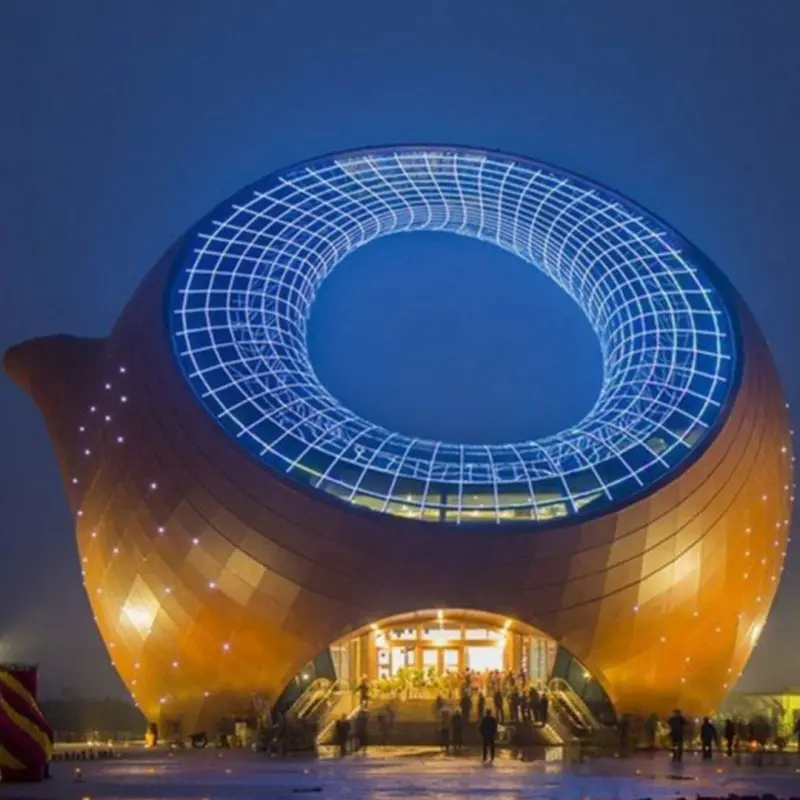
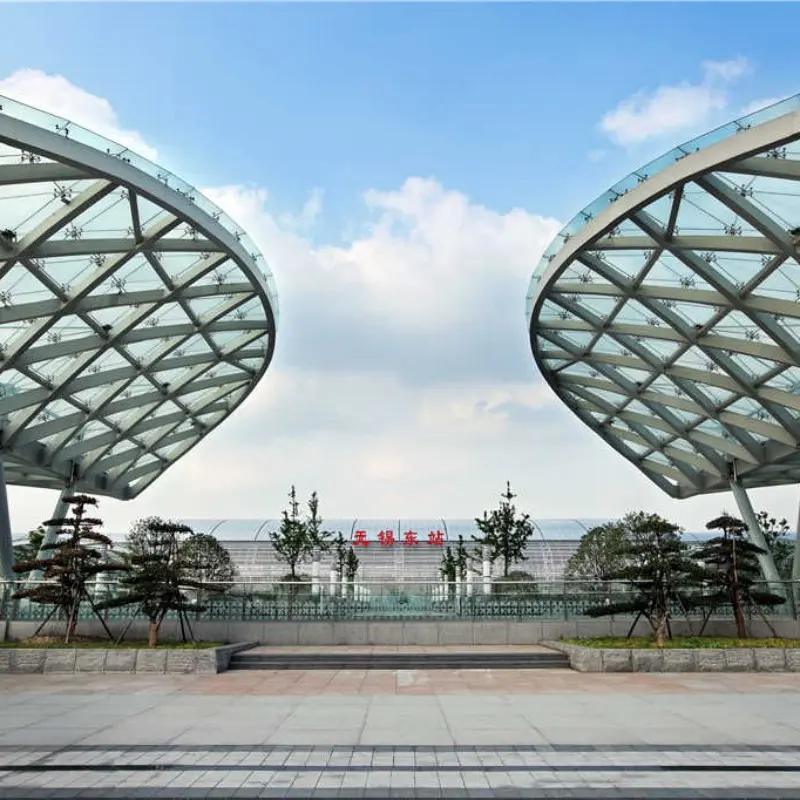

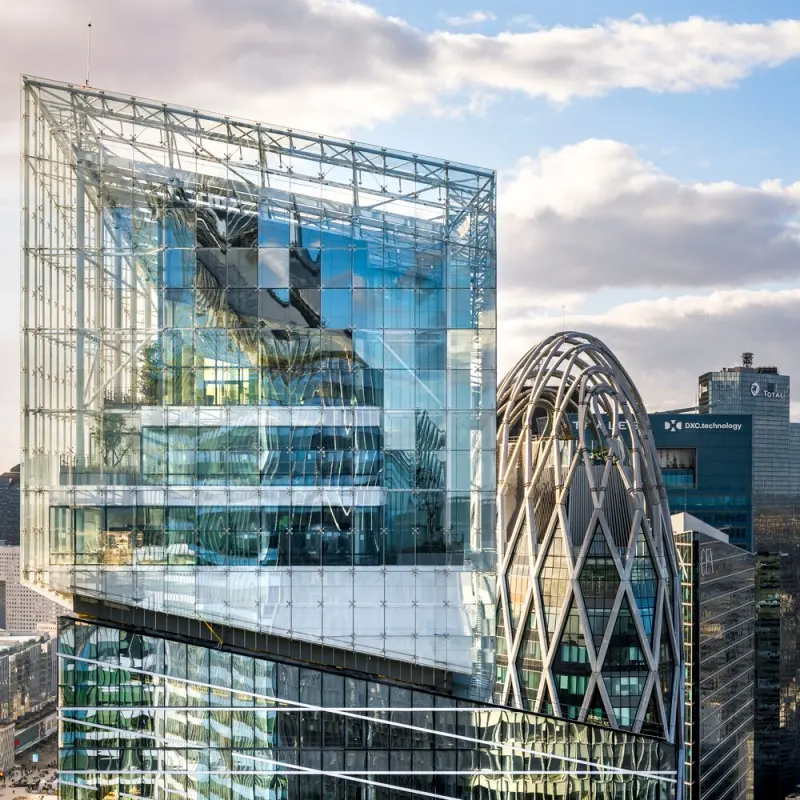
Quality First, Customer First, and Credit-Based Manufacturing Pipelines.
Jiangsu Guoxin Glass Co., Ltd. provides customized design and manufacturing services for global commercial projects. By using advanced daylighting and thermal efficiency calculations, we help optimize your project's performance. Our systems are designed to minimize solar glare while maximizing natural light, reducing reliance on artificial lighting and HVAC cooling.
Whether you need custom-shaped architectural glass, bulletproof structural panels, or highly specialized fireproof partitions, our engineering team is here to assist from design to final delivery.
Our commitment to reliable performance and compliance with global safety standards.
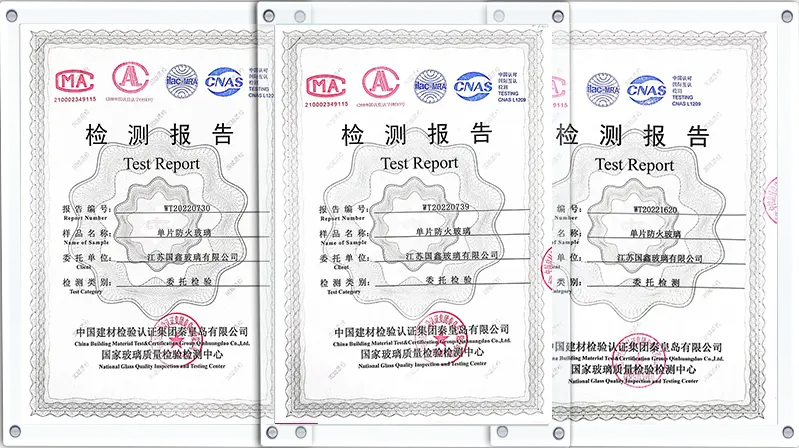
Standardized quality management systems tracking raw materials procurement through to final product testing.
Tested and certified for import and installation across the European Economic Area.
Full tracking and compliance reports for international engineering, procurement, and construction (EPC) companies.
As a leading source manufacturer in China, we take pride in supplying top-notch glass doors and windows to customers around the globe.
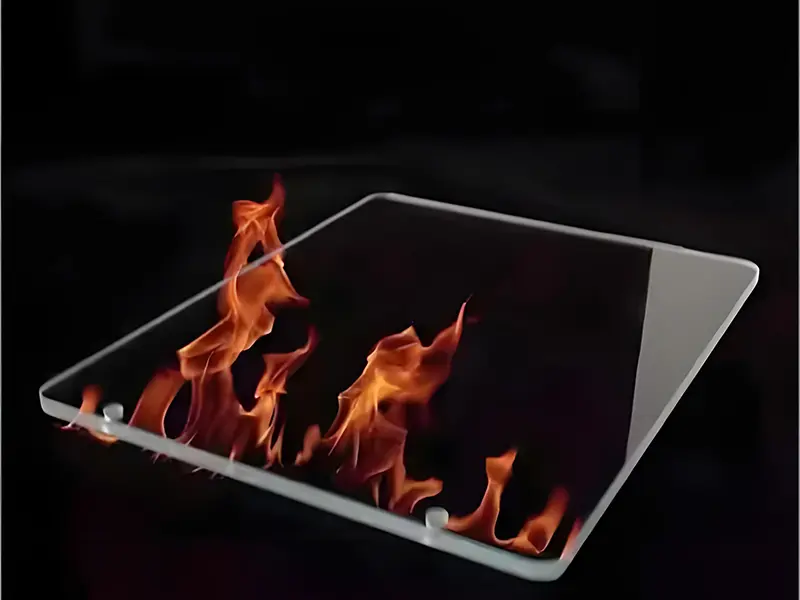
To help you pick compliant, cost-effective and safe glass for your projects, we’ll break down the differences between fireproof glass, fireproof materials glass, fireproof coating glass...
Learn More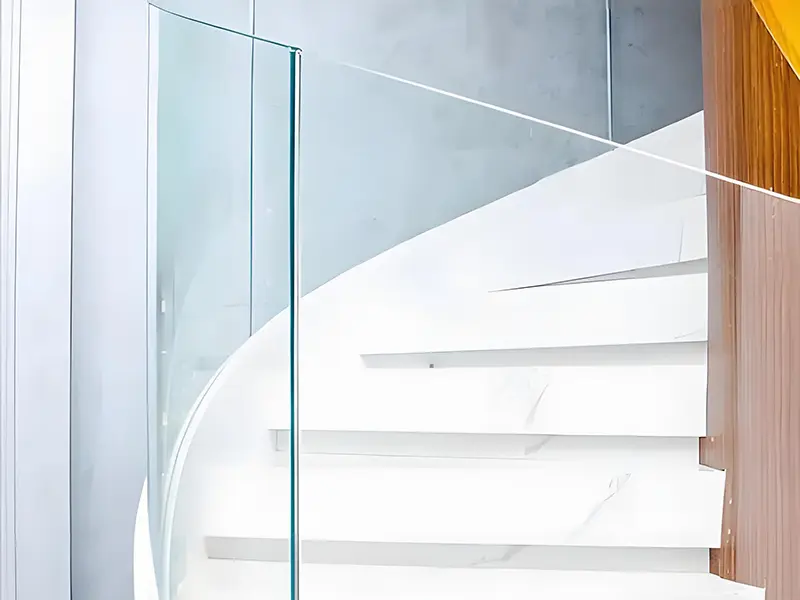
I receive many customer inquiries every day - which type of construction glass is both practical and safe? In fact, glass has long been indispensable in modern buildings.
Learn More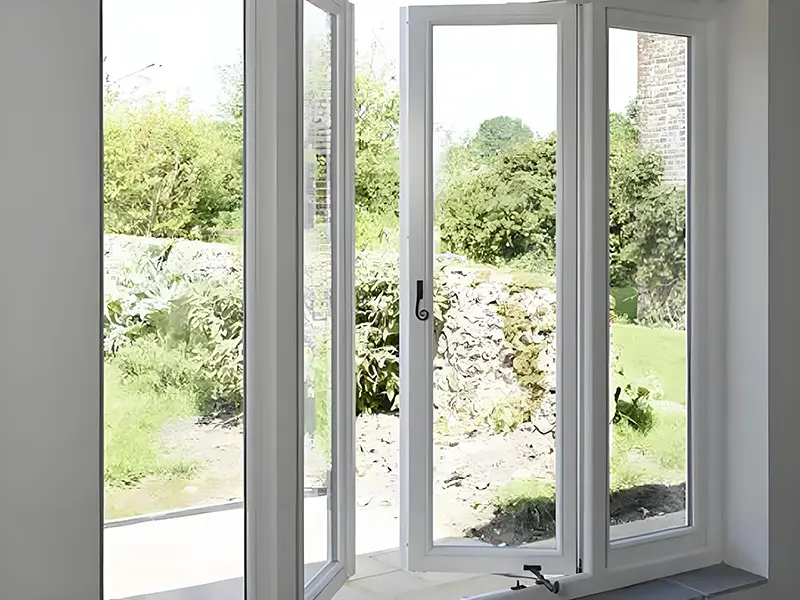
Most homeowners struggle with a common question when purchasing casement windows: should they choose broken bridge aluminum or plastic steel materials?
Learn MoreAnswering common technical questions on fire-resistant ratings, installation guidelines, and OEM customization.
Further structural glass options, including specialty privacy glass, impact barriers, and energy-efficient window systems.
 Guoxin