Explore our foundational range of specialized performance glass, custom design architectures, and thermal break systems.
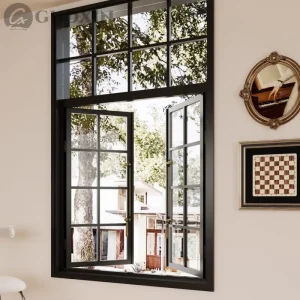
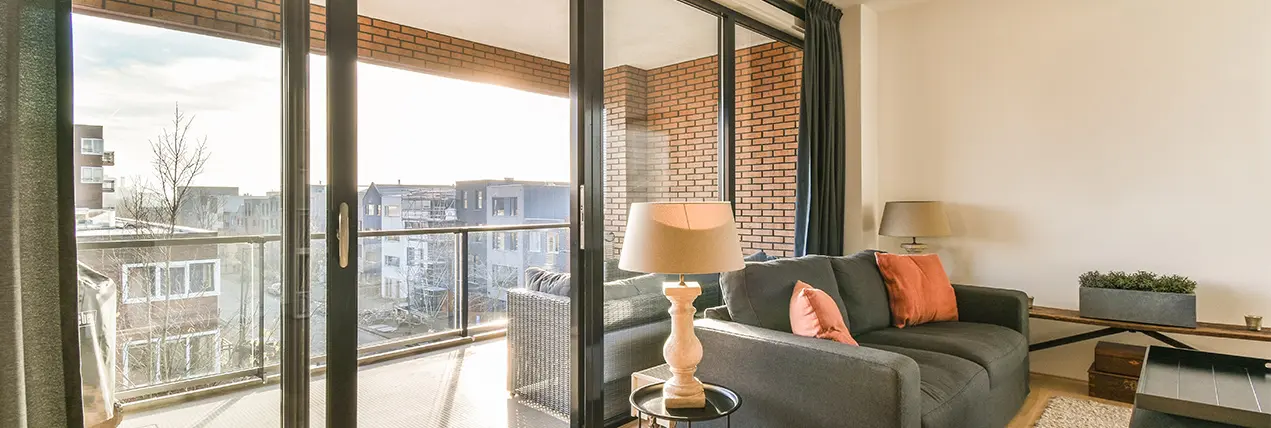
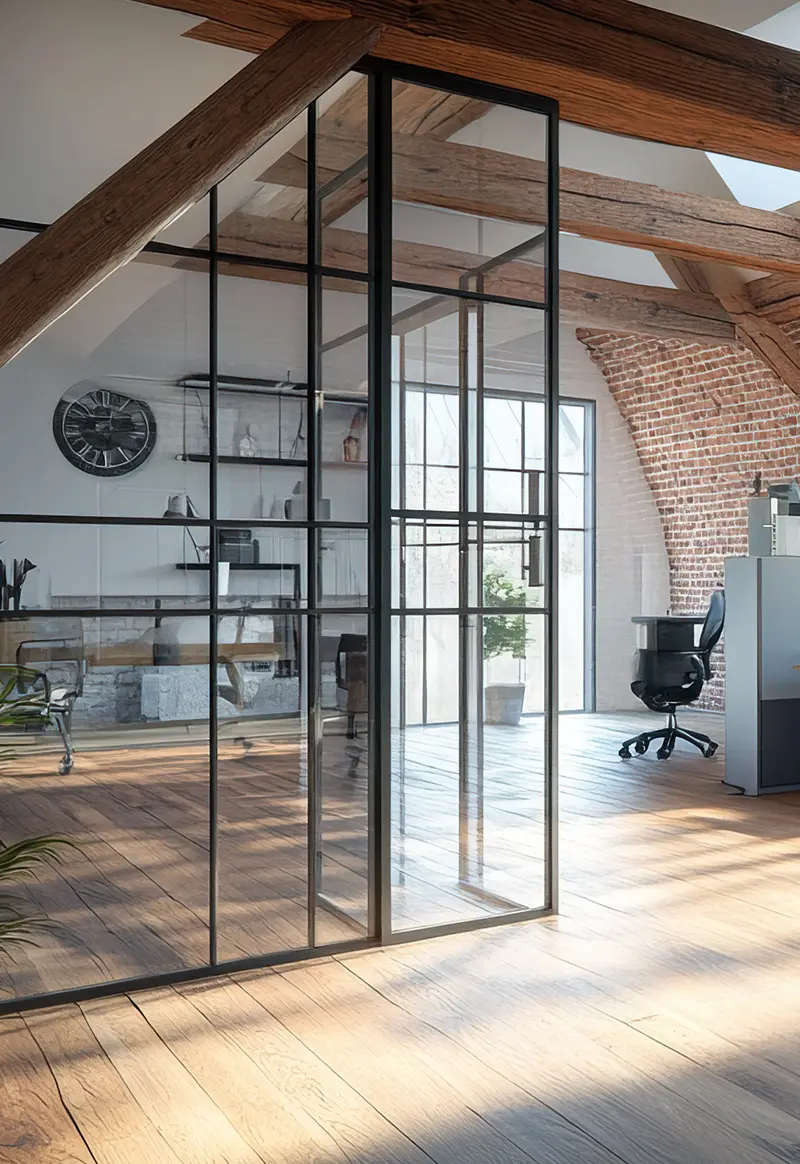
In modern architectural engineering, windows are no longer merely passive openings; they are critical system components that determine the energy profile, structural safety, and operational longevity of a building. High-Quality French Aluminium Windows represent the pinnacle of this synthesis, combining high-grade 6063-T5/T6 extruded aluminium profiles with multi-cavity thermal break designs and specialized high-performance glass configurations. As leading global manufacturers and suppliers, we recognize that different projects demand distinct physical capabilities. Whether it is structural resistance in high-rise coastal developments or strict acoustic separation in urban multi-family residences, our system windows offer customizable, data-verified properties.
By leveraging advanced polyamide thermal break technology (reinforced with glass fiber), our French window assemblies effectively isolate heat conduction between the exterior and interior faces of the profile. This structural insulation, coupled with triple-glazed Low-E argon-filled units, yields exceptionally low U-values compliant with stringent international energy regulations, including the European Union's EPBD directives and North America's ASHRAE guidelines. Furthermore, our architectural engineering team integrates structural calculation models to verify wind-load resistance (up to Class 5 and beyond under EN 12210 standards), ensuring our assemblies maintain physical integrity and watertightness under typhoon-level wind pressures.
Engineered using premium structural alloys with FEA simulation models to withstand maximum wind loads in high-velocity hurricane zones (HVHZ).
Integrated multi-cavity thermal break barriers and optional aerogel fills to meet passive house standards (U-values ≤ 0.8 W/m²K).
Multi-layered laminated glazing combined with premium EPDM seals provides sound reduction indexes (Rw) of up to 45 dB.
The global demand for high-end French aluminium windows continues to expand, driven by urban redevelopment, luxury residential constructions, and strict carbon-reduction initiatives. As a primary manufacturer operating out of an advanced production ecosystem, we serve real estate developers, commercial contractors, and elite distributors worldwide. Our state-of-the-art production facility houses multiple advanced production lines, each equipped with cutting-edge technology including CNC machining centers, automated corner-crimping units, and advanced powder-coating lines certified by Qualicoat and Qualanod standards.
Our OEM and ODM capabilities allow for deep customization, extending from custom profile geometry design to customized hardware integration (including concealed hinges, multi-point lock systems, and smart automation modules). With robust supply chain pipelines, we manage raw materials procurement and logistics under lean manufacturing methodologies. This guarantees stable lead times and dimensional consistency across multi-thousand-unit commercial orders. Through direct export routes, we minimize middle-tier markups, allowing our global client base to benefit from premium, factory-direct pricing while receiving certified quality.
Our production philosophy is rooted in "Quality First, Customer First, and Credit-Based." Every batch of aluminium windows and architectural glass undergoes rigorous testing protocols, including air permeability (EN 1026), water tightness (EN 1027), and resistance to wind load (EN 12211). By hosting vertically integrated glass processing lines (tempering, laminating, insulating, and smart glass manufacturing), we guarantee complete component compatibility and unmatched quality control.
Exporting building materials globally requires a profound understanding of localized construction regulations and compliance standards. Our engineering team is well-versed in global certification requirements. For European markets, our French aluminium windows and doors carry CE marking, complying fully with EN 14351-1. For the French local market specifically, our systems are optimized to meet RT2020 / RE2020 thermal regulations, keeping carbon footprints low and energy efficiency high. In North America, we align our designs with NFRC testing standards for thermal ratings and AAMA certifications for structural integrity.
Beyond technical compliance, our localized support structures ensure a seamless transition from architectural blueprint design to on-site assembly. We provide comprehensive CAD drawings, BIM modeling integration, wind load calculation sheets, and detailed installation guidelines. This reduces installation errors, accelerates project timelines, and ensures that the final installed performance matches laboratory test certificates. We support project teams across diverse regions with customized packaging solutions, such as fully reinforced steel crates, to guarantee zero-defect transport across oceans.
Full compliance with European fenestration norms, ensuring eligibility for low-energy building and carbon-neutral developments.
Tested and certified for structural air-water penetration levels and energy values under AAMA/WDMA/CSA specifications.
Direct architectural planning with custom-designed extrusion profiles, Revit/BIM modeling files, and static load calculation sheets.
The next decade of building design centers around hyper-efficiency, digitization, and circular lifecycles. Our engineering technical roadmap for French aluminium windows focuses on integrating smart home ecosystems and ultra-low carbon materials. We are aggressively investing in the integration of BIPV (Building-Integrated Photovoltaics), where micro-thin solar collection layers are embedded directly within double-glazed and triple-glazed insulated window units. This allows the building envelope to transform from an energy consumer to an active green energy generator.
Furthermore, in response to the circular economy, we are optimizing our sourcing of secondary (recycled) aluminium, aiming to utilize profiles made of up to 75% recycled post-consumer scrap. This drastically reduces the embodied carbon of our window systems without sacrificing the metallurgical strength or anodizing finish options of the final extruded profile. Simultaneously, we are incorporating next-generation Electrochromic (Smart Glass) technologies that dynamically adjust light transmission and solar heat gain coefficient (SHGC) based on real-time solar intensity inputs, eliminating the architectural requirement for mechanical external louvers or shading blinds.
Proven excellence in high-rise constructions, infrastructure hubs, and artistic landmarks utilizing our specialized fenestration and glazing solutions.
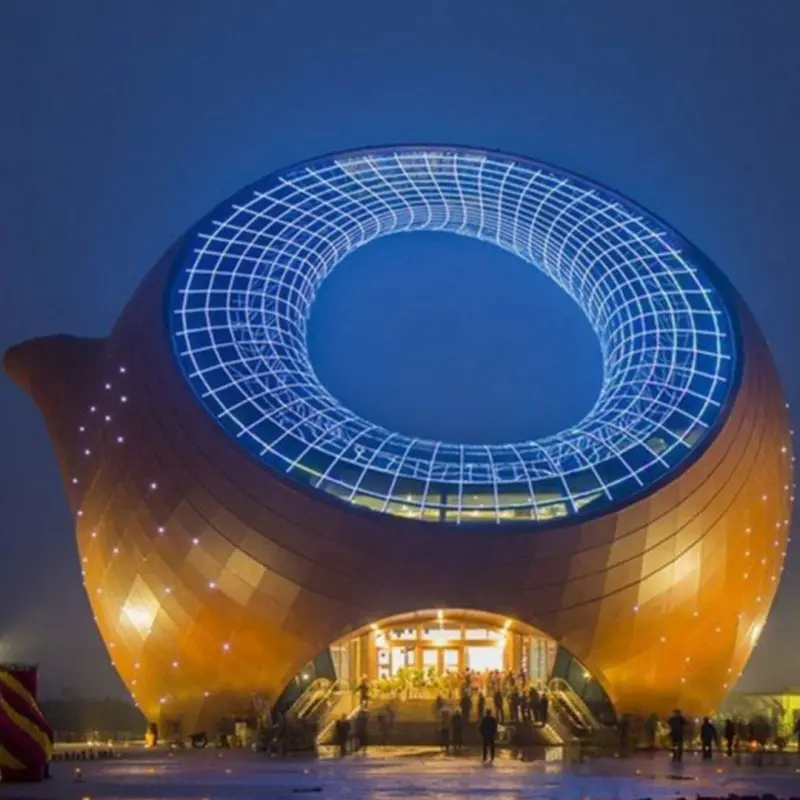
As the world's "largest purple clay pot shaped building", it was awarded the "World's largest Guinness" certificate. The structure stands 38.8 meters high, composed of intricate custom-cut aluminium frames and artistic stained glass dome facets.
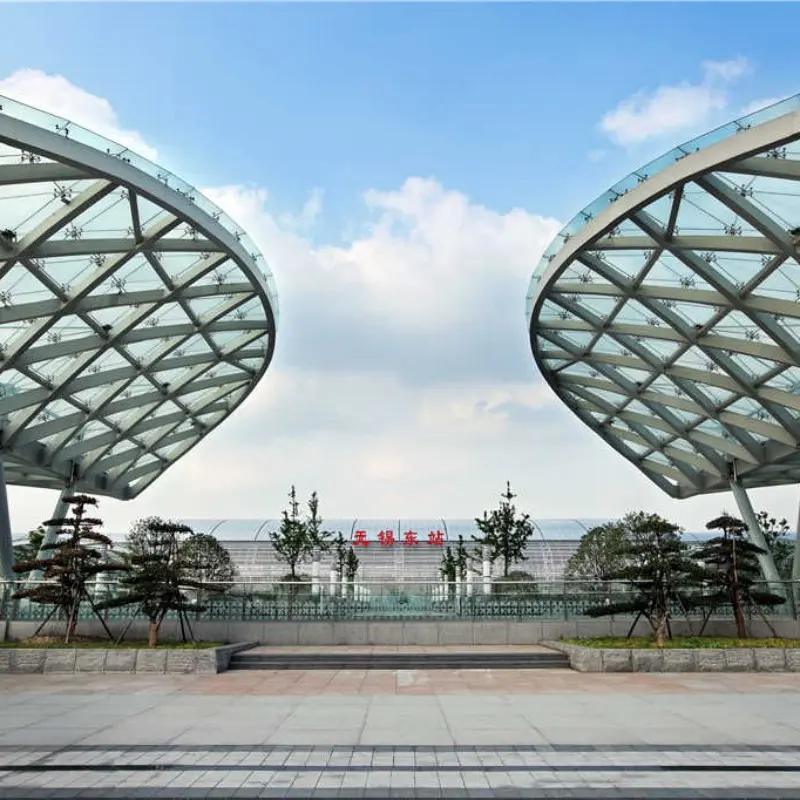
A double-sided elevated transit station serving over 120,000 daily passengers. Renovated with thousands of high-strength structural laminated glass modules for enhanced passenger safety, structural security, and ambient noise isolation.

Standing at 450 meters (7th tallest skyscraper globally), this mixed-use tower employs our premium insulated glass systems inside its advanced curtain wall structure, ensuring thermal insulation and wind stability at high elevations.
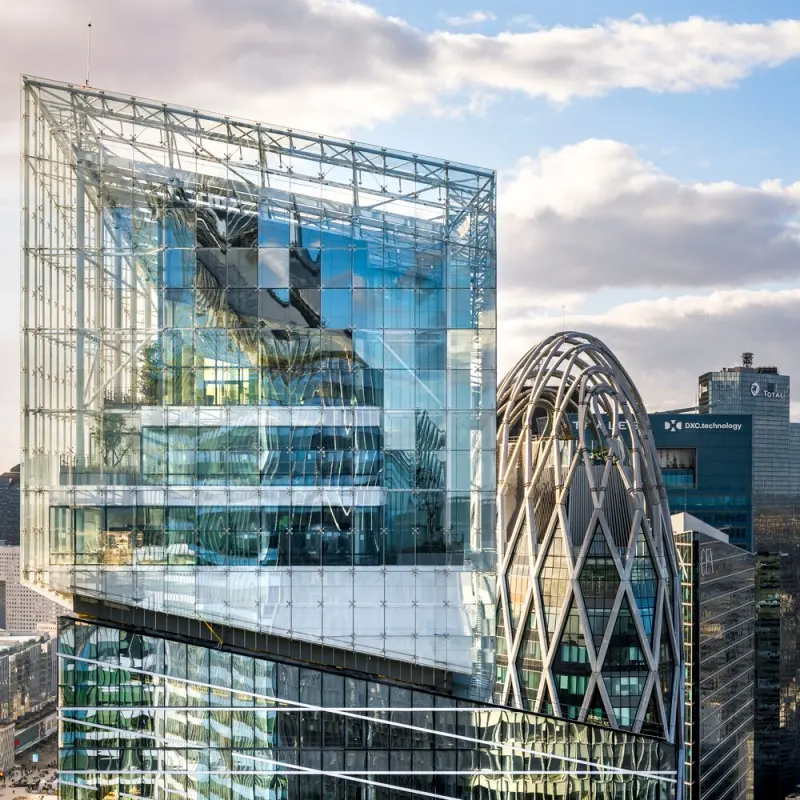
A collaborative project using solar-control triple-insulated glass units, integrating predictive daylight algorithms to minimize glare and optimize mechanical climate regulation inside modern office environments.
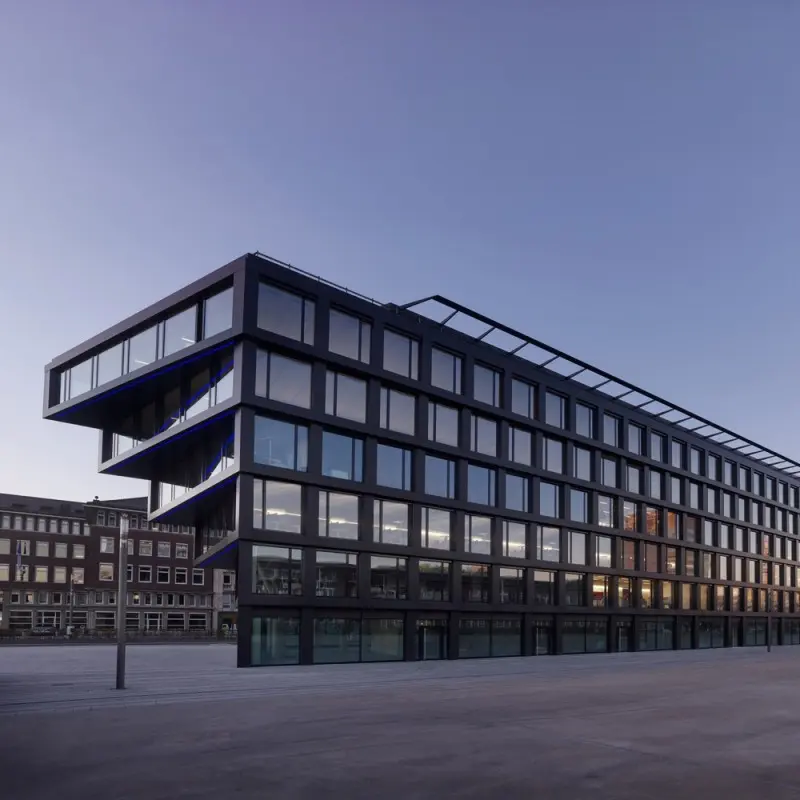
Featuring custom facades equipped with smart insulated windows that adjust to thermal and lighting requirements dynamically, creating an energy-efficient modern commercial environment.
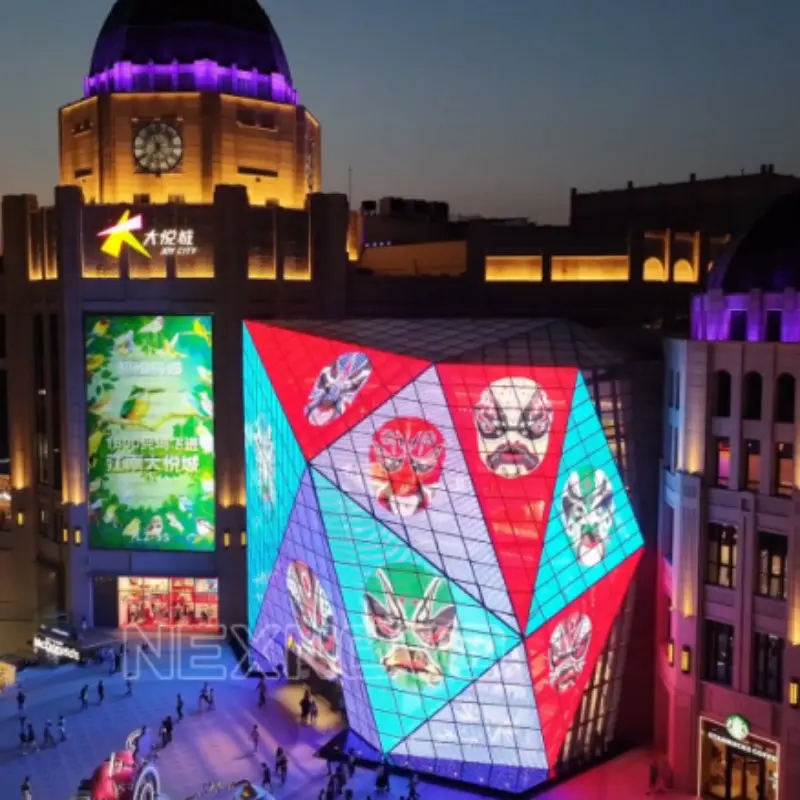
A retail and lifestyle landmark showcasing high-end commercial smart glass and custom-designed system doors that offer transparency and high aesthetic appeal while retaining safety features.
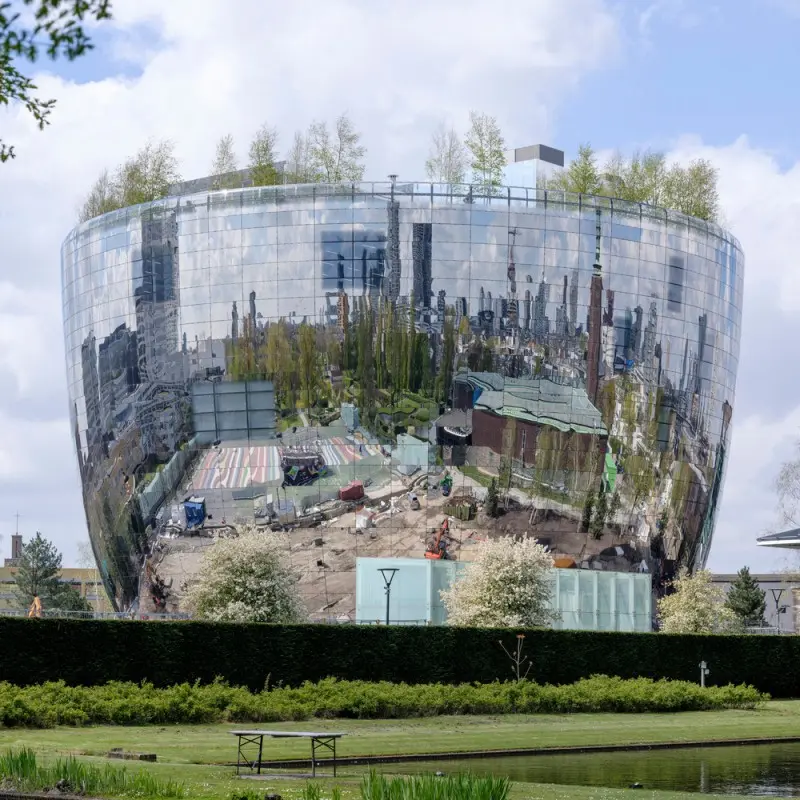
Covering 15,000 square meters, this building uses high-reflection curved glass cladding, mirroring the surrounding public park, establishing a strong dialogue between art, nature, and architectural structure.
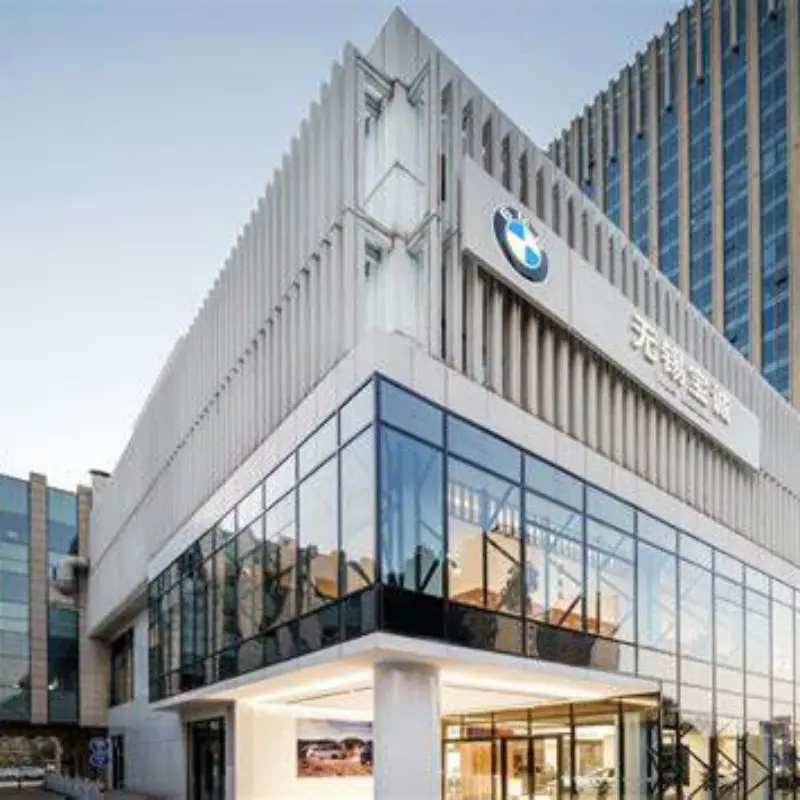
Featuring extra-large safety glass facades that optimize daylight harvest and display aesthetics while lowering energy consumption through insulated thermal glass profiles.
Our commitment to exporting quality components is backed by deep cooperation with developers and architects across Europe, Asia, the Americas, and Oceania. In partnership with global verification groups, we verify our production to be aligned with the highest certifications, including ISO 9001:2015, CE certification, and regional construction standards. Our design approach focuses on regional customization: designing for high wind protection in coastal areas of the UK, France, and Spain, and high-degree UV protection and solar control in hot regions like Australia and Peru.
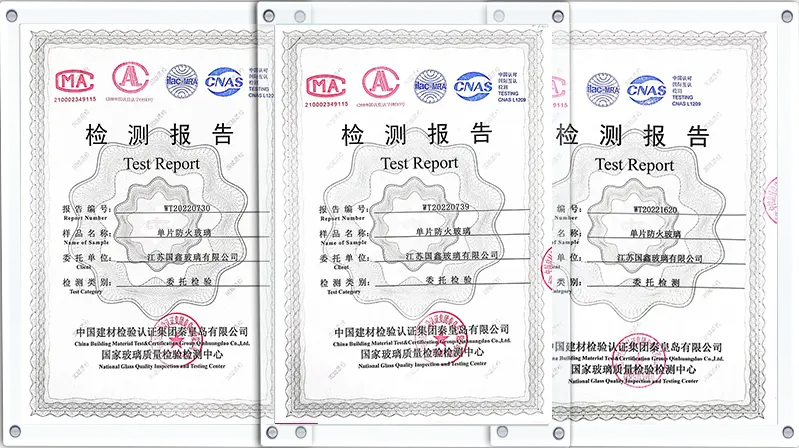
Jiangsu Guoxin Glass Co., Ltd. is strictly certified under ISO 9001:2015. All window, doors, and industrial glass fabrications undergo automated testing and compliance checks, ensuring each shipment meets international B2B contract terms.
Find answers to critical engineering questions regarding thermal performance, design, and structural parameters.
Unlike standard float glass which shatters instantly at high temperatures, certified fireproof glass undergoes specialized thermal-toughening or features multi-layer borosilicate / gel-interleaved configurations. This allows it to resist thermal shocks, remain structurally intact, and prevent the passage of flame, smoke, and radiant heat for specified durations (e.g., 30, 60, or 120 minutes).
Laminated Glass comprises two or more glass panes bonded together with a strong PVB or SGP interlayer. If impacted, the glass fragments adhere to the polymer interlayer rather than scattering as dangerous shards. This prevents forced entry, resists heavy wind impacts, and satisfies strict safety glazing regulations under EN 14449.
Broken bridge aluminium profiles provide significantly higher structural strength, longer lifespan, and better resistance to warping compared to plastic steel (PVC). With integrated polyamide thermal break strips, they achieve competitive thermal insulation values while supporting much larger architectural glazing spans and high-wind loads.
The thickness is calculated based on wind pressure calculations, pane surface area, and building height. For large spans, we typically recommend a minimum configuration of 6mm + 12Ar + 6mm tempered glass or laminated units. This ensures optimal wind resistance, structural safety, and prevents center-of-glass deflection.
We offer architectural-grade powder coating (certified by Qualicoat), PVDF coating for extreme coastal weathering resistance, and anodized finishes (complying with Qualanod). These options provide excellent protection against corrosion, UV fading, and scratching.
Yes, using our multi-axis CNC bending machinery and advanced glass cutting tables, we manufacture custom profiles, arched casements, and complex circular glass modules precisely according to custom CAD templates and digital architectural plans.
Standard production times range between 25 to 35 days from receipt of deposit and engineering drawing confirmation. This depends on design complexity (e.g., custom tooling vs standard extrusion dies) and current glass manufacturing queues.
Yes. We design custom extrusion chambers to house wires and hardware safely. Our switchable Smart Glass (PDLC) can transform from opaque to transparent instantly via smart switch, mobile application, or automation systems.
Keep updated with the latest industry standardizations, engineering guides, and product design updates.
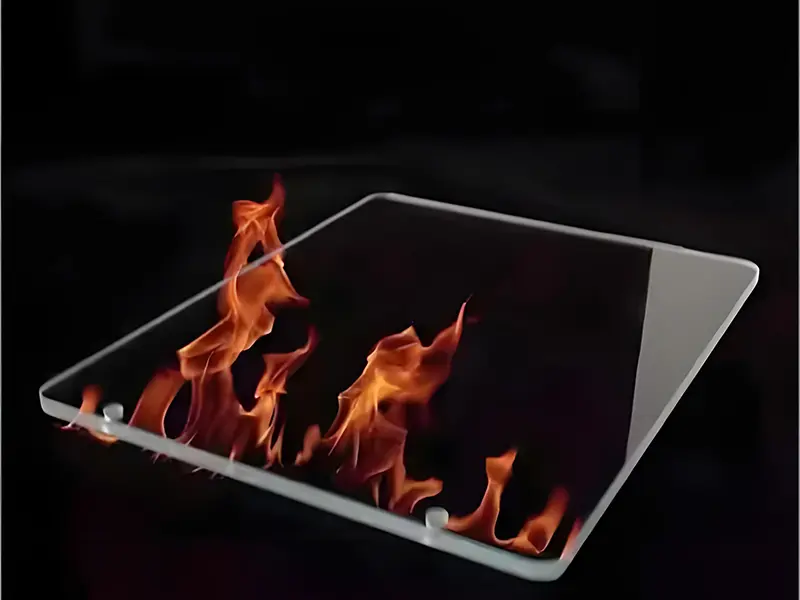
To help you pick compliant, cost-effective and safe glass for your projects, we’ll break down the differences between fireproof glass, fireproof materials glass, fireproof coating glass and ordinary glass variants.
Read Article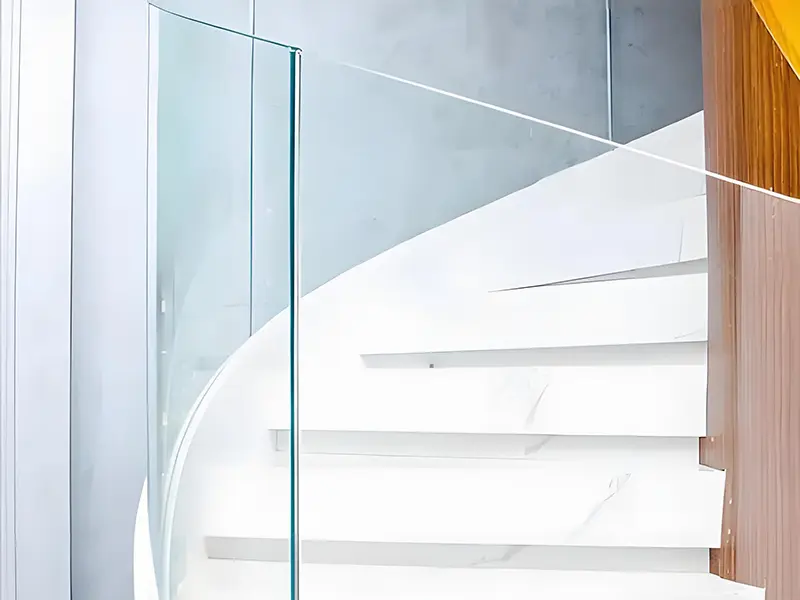
I receive many customer inquiries every day - which type of construction glass is both practical and safe? In fact, glass has long been indispensable in modern buildings due to its security characteristics.
Read Article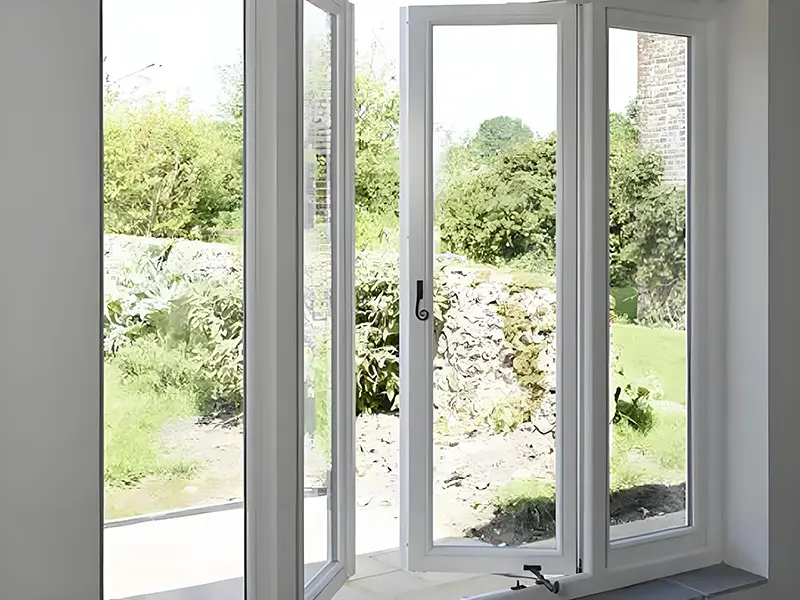
Most homeowners struggle with a common question when purchasing casement windows: should they choose broken bridge aluminum or plastic steel materials? We analyze cost, durability, and insulation.
Read ArticleA closer look at on-site structural installations, profile calibrations, and finished project interfaces.
Explore our architectural doors, heavy-duty insulated units, and protective safety glass lines designed for complex B2B applications.
 Guoxin