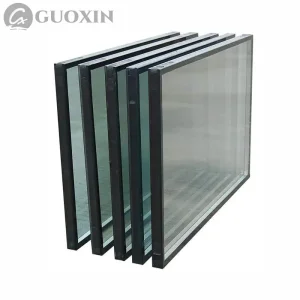
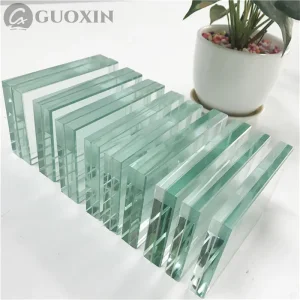
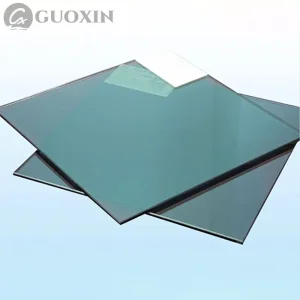
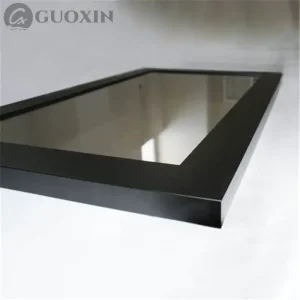
Explore our premium grade product selection designed to balance structural durability with outstanding thermal efficiency.
In the modern architectural landscape, building envelopes are no longer viewed as static barriers between the interior and exterior environments. Instead, they act as dynamic thermodynamic interfaces. High-performance window and door systems serve as key variables in reducing overall operational energy demands while maintaining high thermal and structural safety. As architects and engineers aim for carbon neutrality and net-zero energy buildings (NZEB), selecting high-performance glazing systems has become a priority.
Historically, procuring high-performance window systems required high capital budgets, limiting advanced thermal breaks and customized coatings to luxury commercial skyscrapers. Today, a shift in manufacturing technology, combined with efficient global logistics, has changed this dynamic. Developers and contractors can now source discount performance windows & doors directly from specialized manufacturing centers in China. This option provides high-performance specifications at a competitive price point without sacrificing architectural quality or performance.
Every climate presents a unique set of challenges that require specific thermal and mechanical properties. Selecting the right window system involves understanding these localized factors:
The technology behind windows and doors continues to advance. Development is moving toward smart, energy-active, and highly insulated systems.
A key focus is the integration of predictive daylighting algorithms and dynamic electrochromic glass. By adjusting the tint based on real-time factors like temperature, sun angle, and occupancy, these systems control glare and heat gain without requiring external shutters. At the same time, triple-insulated solar-control glass is becoming a standard specification for high-performance buildings. When combined with advanced HVAC and ventilation systems, modern curtain walls can contribute to heat recovery rates of over 80% across the building structure.
Additionally, vacuum-insulated glass (VIG) is growing in popularity. By creating a vacuum between two glass panes, VIG achieves the thermal insulation of thick triple-glazing in a thin profile, opening up new design possibilities for both historical renovations and slim modern facades.
China's manufacturing sector provides a strong foundation for sourcing performance windows and doors at a competitive price. This efficiency is built on structural advantages:
Jiangsu Guoxin Glass Co., Ltd. was founded in 2006 and has grown into a leading enterprise in the high-performance glass and window manufacturing industry. With nearly two decades of engineering experience, our company specializes in the research, development, and manufacture of energy-efficient aluminum windows, fire-resistant glass, laminated safety glass, and insulated glass units.
Operating from our advanced production facilities, we use automated CNC machinery and strict quality control processes to ensure every product complies with international construction standards. Our solutions are designed to deliver reliable performance, aesthetic versatility, and energy efficiency for projects worldwide.
Our production facility uses advanced machinery and distinct processing lines to manufacture specialized glass and window configurations.
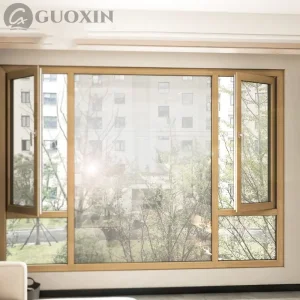
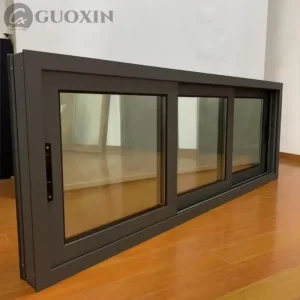
Incorporates polyamide thermal barriers to isolate exterior temperatures and improve energy efficiency.
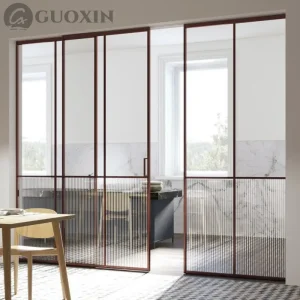
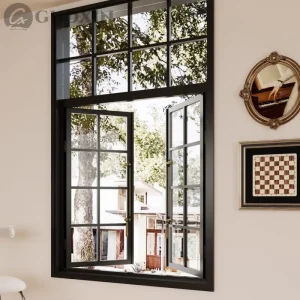
Inward-swinging and dual-action configurations that provide flexible ventilation and clean lines.
Uses multi-layer EPDM gasketing to maintain airtightness and water resistance under high wind pressure.
Specially tempered single-pane glass designed to withstand high temperatures and contain flame spread.
Multi-layered designs featuring heat-absorbing gel interlayers that block both flames and radiant heat transmission.
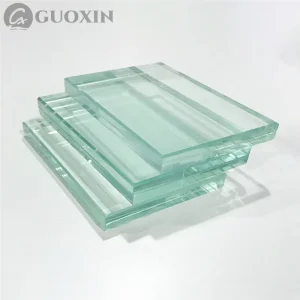
Standard architectural laminates that keep glass shards bonded together in case of accidental impact.
High-rigidity interlayers for frameless balustrades, glass floors, and wind-resistant applications.
Hermetically sealed units designed to reduce thermal conduction and minimize heat exchange.
Argon or Krypton gas filling between panes to reduce convection currents and lower U-factors.
Alternating layers of high-strength glass and polymer sheets to absorb high-velocity impact energy.
Rear-side protection layers designed to prevent glass fragments from ejecting inward upon impact.
Demonstrated performance in large-scale commercial and public infrastructure projects worldwide.
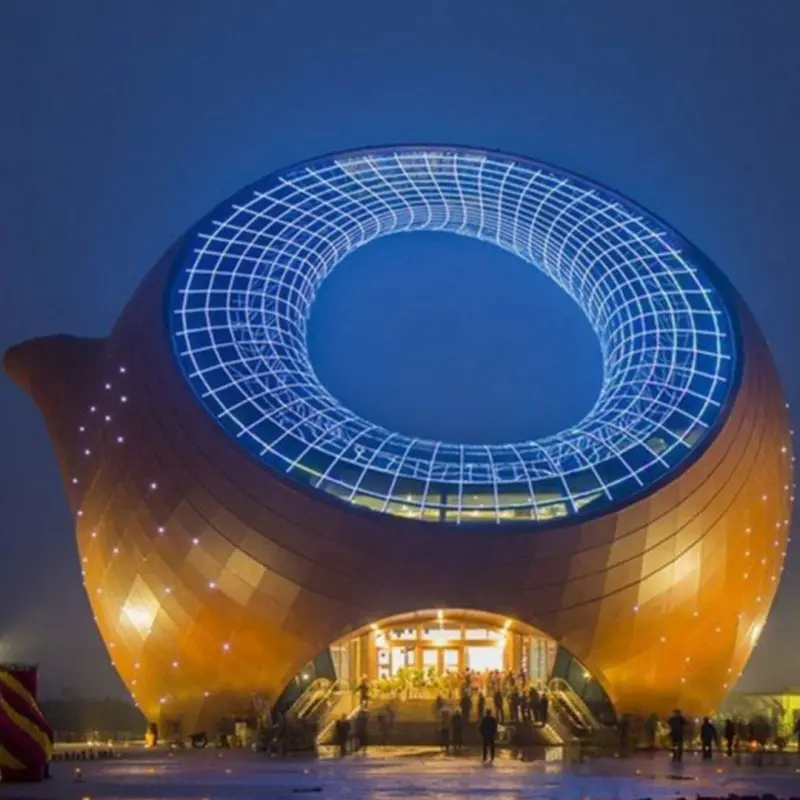
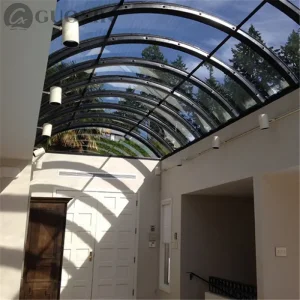
Representing a complex architectural geometry as the world's "largest purple clay pot shaped building," this 38.8-meter-tall dome is constructed using custom-cut aluminum and art glass profiles, each individually sized and shaped.
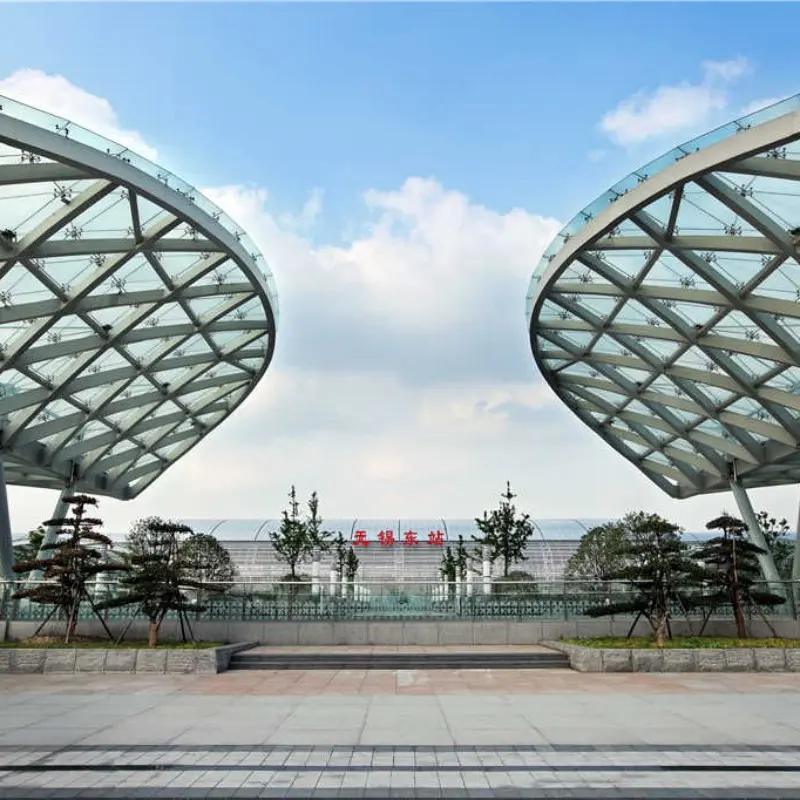
For the renovation and expansion of this major high-speed transit hub, we supplied thousands of laminated safety glass panels to cover a double-sided elevated station layout designed for heavy passenger traffic.

At 450 meters tall, this skyscraper utilizes our high-performance triple-insulated solar-control glass. The curtain wall assembly helps manage solar heat gain and thermal isolation across office levels and hotel suites.
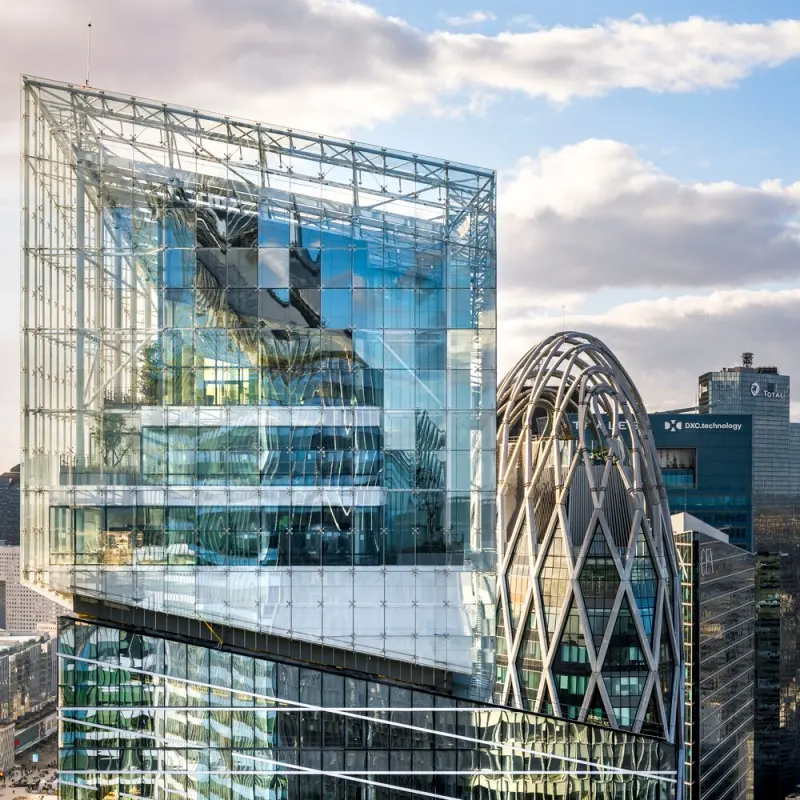
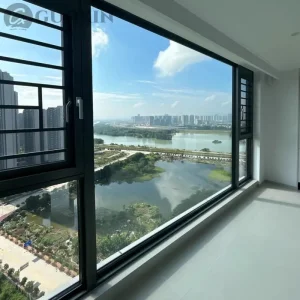
Integrating large-scale modern architectural elements with energy-efficient building envelopes. Large glass panes maintain daylighting while optimizing structural integrity and thermal barrier efficiency.
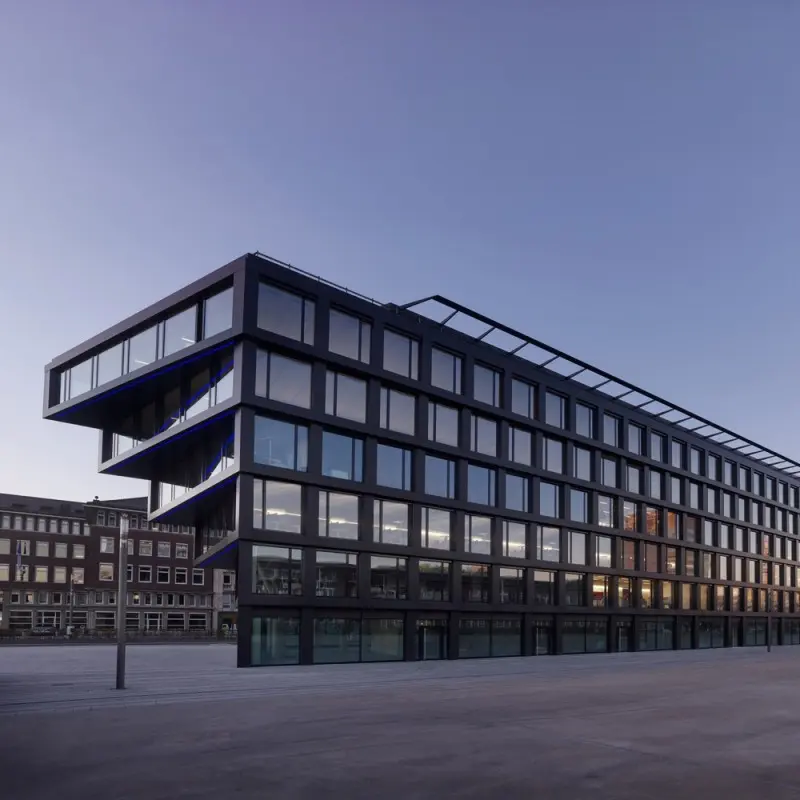
Precision-made aluminum framing and double-glazed units installed in urban office complexes. Designed to achieve high acoustic control and reliable insulation values.

A modern commercial landmark featuring smart glass assemblies. Designed to balance reflective external properties with interior thermal comfort and clean aesthetics.

We supply high-performance glass and window systems to developers, architects, and contractors across multiple international markets. Our logistical setup supports delivery to key regions:
Operating as an international supplier requires compliance with local building codes. Our manufacturing plant holds ISO 9001:2015 certification, and our product lines are engineered to meet key regional certifications:
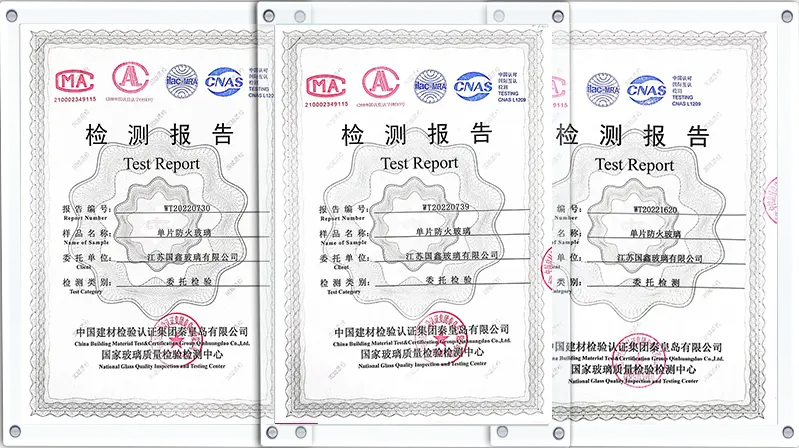
Common engineering and procurement questions regarding performance windows and architectural glass.
Read our latest articles on glass engineering, material selection, and energy efficiency standards.

To help you pick compliant, cost-effective and safe glass for your projects, we’ll break down the differences between fireproof glass, fireproof materials glass, and fireproof coating glass...
Read Full Article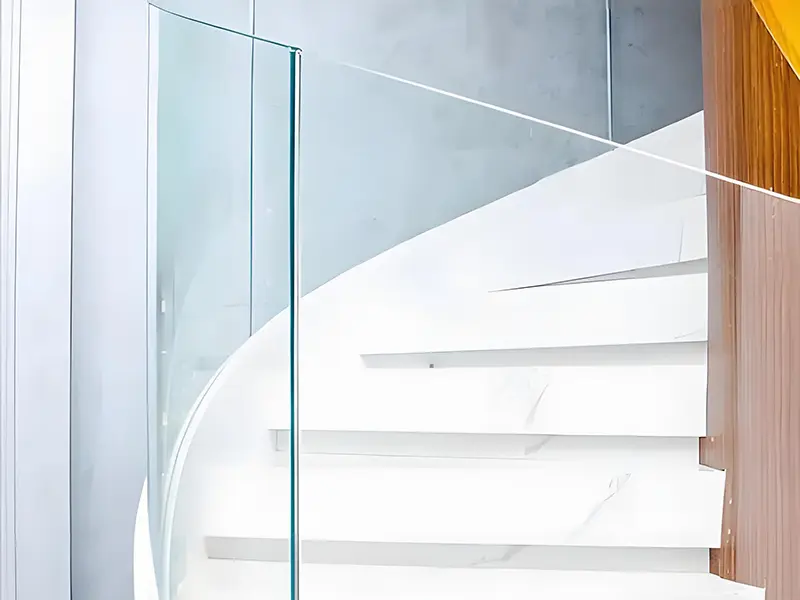
I receive many customer inquiries every day - which type of construction glass is both practical and safe? In fact, glass has long been indispensable in modern buildings...
Read Full Article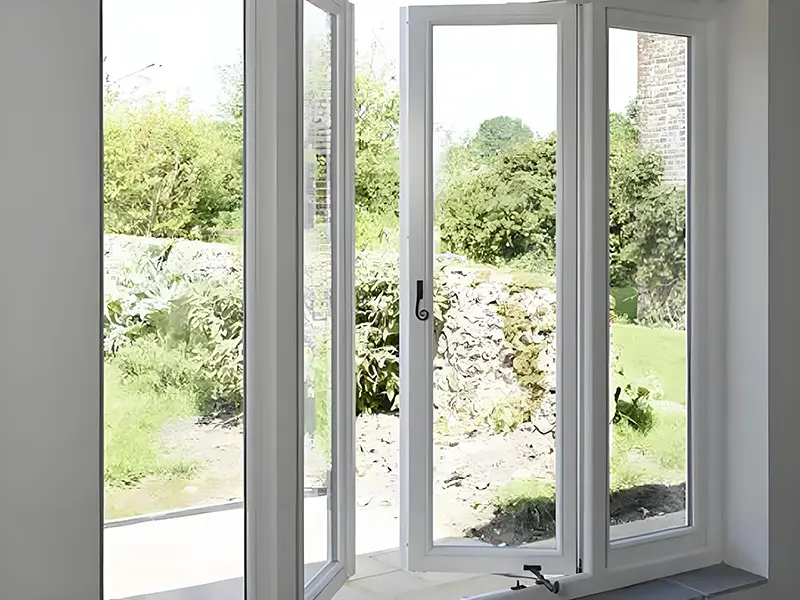
Most homeowners struggle with a common question when purchasing casement windows: should they choose broken bridge aluminum or plastic steel materials?
Read Full ArticleWe offer custom manufacturing for architectural projects, supplying raw glass laminates, insulated units, and glazed window systems. Our team supports custom specifications for dimensions, structural thickness, thermal metrics, and framing details.
Contact Our Technical TeamReview our catalog of custom insulated units, reflective glass configurations, and functional window frames.
 Guoxin