Explore our curated selection of high-performance glass, window systems, and precision architectural entryways manufactured to international building codes.
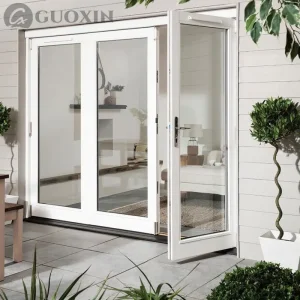
Elegant entryways engineered with precision tempered glass panels, designed for modern home extensions, sheds, and commercial spaces.
Learn More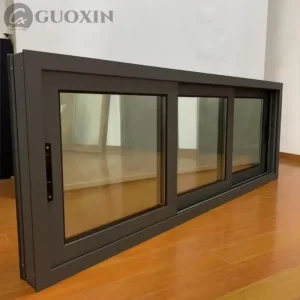
Optimized horizontal sliding systems integrating high-strength insulated frames and structural safety glass configurations.
Learn More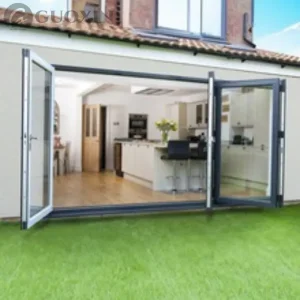
Top-tier folding glass walls featuring custom-thickness toughened panels for acoustic optimization and thermal efficiency.
Learn More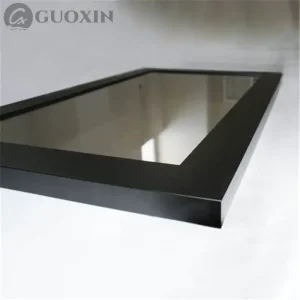
Highly specialized reflective coatings applied to precise substrate thicknesses for smart mirrors and commercial security applications.
Learn More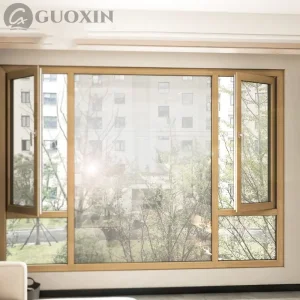
European-style tilt-turn hardware paired with high-performance double glazing for exceptional structural stability.
Learn More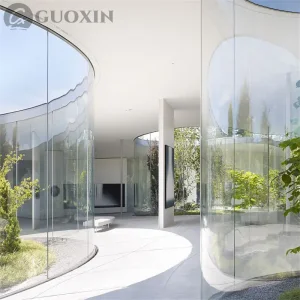
Aesthetic radial geometry meeting impact safety criteria through PVB or SGP structural interlayers.
Learn More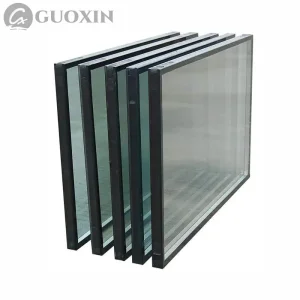
Engineered multi-pane assemblies using custom tempered thickness substrates filled with Argon gas for extreme HVAC conservation.
Learn More
Architect-grade framing integrated with toughened architectural glass panels for modern residential installations.
Learn MoreA global leader in structural glazing research, design-to-spec manufacturing, and advanced thermal toughening technologies.
Founded in 2006, Jiangsu Guoxin Glass Co., Ltd. has established itself as an institutional pioneer in the glass and architectural fenestration sectors. Over a successful two-decade track record, our business has evolved into a premier design-and-build production facility spanning modern lines equipped with state-of-the-art horizontal convection tempering furnaces, advanced double-edging arrays, and automatic gas-filled insulating production loops.
We work in lockstep with global structural engineers, developers, and facade consultants to deliver tailored glass systems that exceed traditional physical boundaries. Our deep technical specialization covers aluminum framing, fireproof barrier glass, custom PVB/SGP laminated assemblies, and highly insulated configurations engineered to meet the structural load and energy requirements of tomorrow's high-rise skylines.
An architectural whitepaper on mechanical loads, surface compression thresholds, thermal stresses, and safety performance optimization.
In the field of high-performance architectural design, specifying the precise tempered glass thickness is not merely an aesthetic choice; it is a critical safety and structural decision. Tempered glass—often termed toughened glass—is produced by heating annealed float glass to approximately 620°C and then rapidly cooling it using high-pressure air blasts (quenching). This rapid thermal processing changes the stress profile of the glass, creating permanent compressive stress on the outer surfaces balanced by tensile stresses in the inner core.
When external loads (wind, impact, thermal, or seismic) are applied to a glass plate, they induce tensile stresses on the glass surfaces. Because glass is inherently weak under tension but extraordinarily strong under compression, the pre-stressed surface layer must first be overcome before a fracture can propagate. A thicker profile directly increases the section modulus, providing exponential load-bearing gains. Choosing the wrong thickness can lead to catastrophic failure, excessive deflection under wind loads, or spontaneous breakage from local thermal stress gradients.
| Nominal Thickness (mm) | Typical Tolerance (mm) | Approx. Weight (kg/m²) | Minimum Surface Comp. | Primary Application Scenarios |
|---|---|---|---|---|
| 3mm - 4mm | ± 0.2 | 7.5 - 10.0 | > 90 MPa | Residential windows, cabinet panels, picture framing, greenhouse glazing. |
| 5mm - 6mm | ± 0.2 | 12.5 - 15.0 | > 90 MPa | Shower enclosures, patio doors, low-rise windows, retail display cases. |
| 8mm - 10mm | ± 0.3 | 20.0 - 25.0 | > 90-100 MPa | Office partitions, frameless glass doors, structural balustrades, table tops. |
| 12mm - 15mm | ± 0.3 | 30.0 - 37.5 | > 100 MPa | Heavy structural glass walls, glass fins, point-supported canopies, pool fencing. |
| 19mm+ | ± 0.5 | 47.5+ | > 110 MPa | High-load load-bearing steps, aquarium viewports, heavy-duty commercial storefronts. |
Operating a global enterprise requires strict adherence to localized safety glazier regulations. Jiangsu Guoxin Glass Co., Ltd. builds structural systems in strict compliance with the following international frameworks:
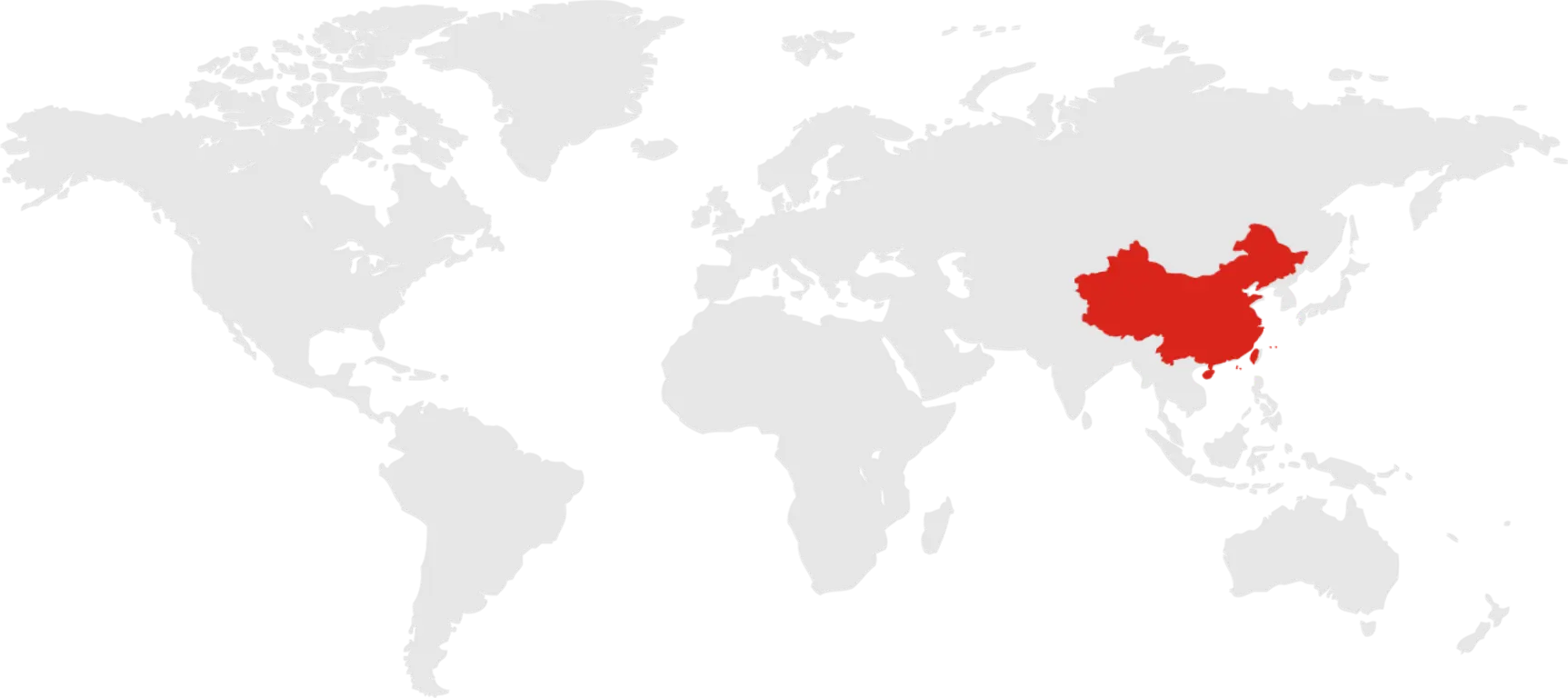
Jiangsu Guoxin Glass Co., Ltd.'s physical facilities in China provide structural advantages for global projects. China's integrated supply chain ecosystem brings cost-efficiencies, raw material availability, and process technologies together. By combining ultra-high yield silica sands, automated chemical vapor deposition (CVD) coatings, and continuous-run tempering kilns, we produce architectural glass at a fraction of Western costs. Furthermore, our logistics infrastructure—with close proximity to container ports—ensures secure global transport with custom marine crating designed to eliminate job-site breakage.
The global demand for high-performance facades is moving toward energy independence and smart integration. Multi-functional insulated glass units (IGUs) incorporating custom-thickness tempered components are increasingly integrated with low-emissivity (low-E) active metallic coatings, dynamic smart-tint algorithms, and PVB acoustic cores. These advancements drastically reduce thermal transfer, lower mechanical HVAC requirements, and maximize natural daylighting. The integration of structural safety glass with eco-friendly design is now a core requirement for modern LEED-certified developments.
Witness the real-world applications of Guoxin Glass. From iconic skyline towers to historic municipal structures, our custom structural glass stands the test of time.
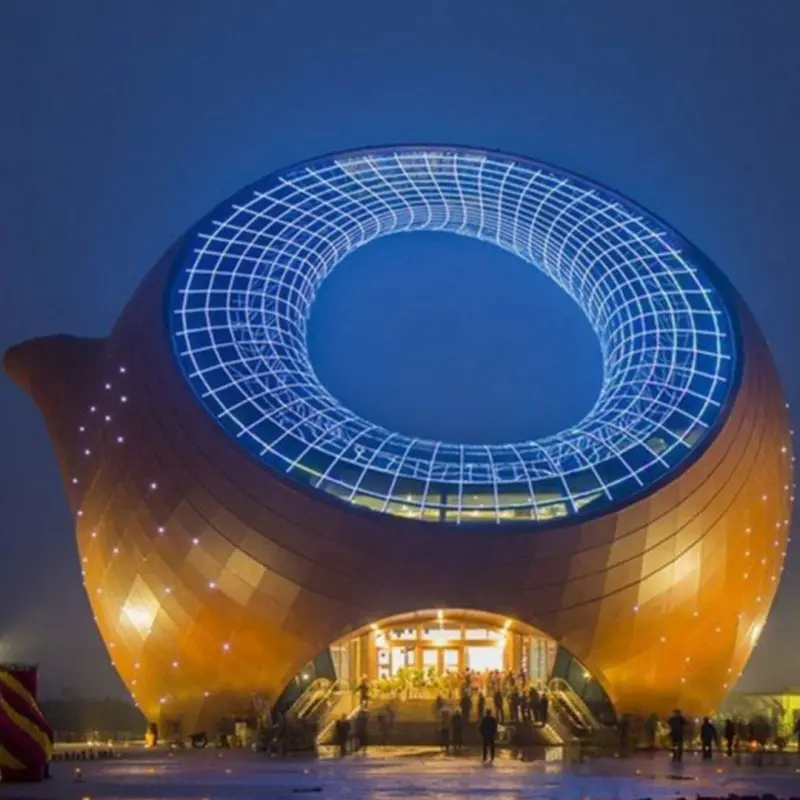
Recognized as the "World's largest purple clay pot shaped building", awarded the Guinness Certificate. Standing 38.8 meters high, this geometrically complex structure is clad in custom aluminum profiles and high-thickness safety glass. The dome features an intricate layout of artistic stained glass panels.
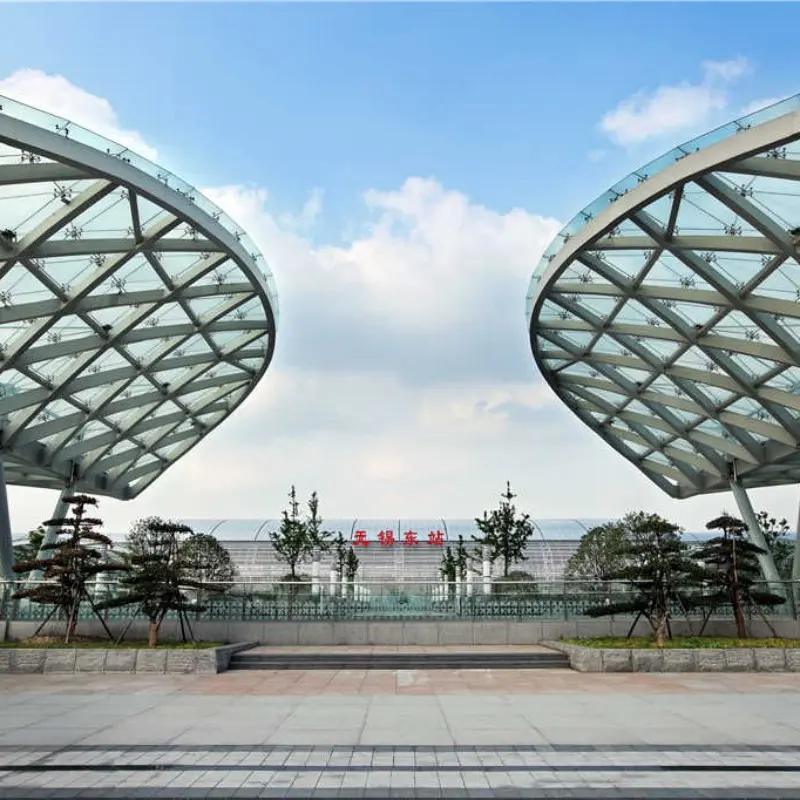
Renovated with thousands of custom laminated safety glass panels. As a vital transportation hub under the Shanghai Bureau Group, the double-sided elevated station features high-strength overhead structural glazing engineered to handle high wind pressures, mechanical vibrations, and acoustic isolation.

Standing at 450 meters (1,480 ft) as one of the tallest skyscrapers in the world. The stepped curtain wall architecture integrates our high-performance triple insulated solar control glass, providing structural integrity, solar protection, and acoustic comfort to office blocks and the Intercontinental Hotel.
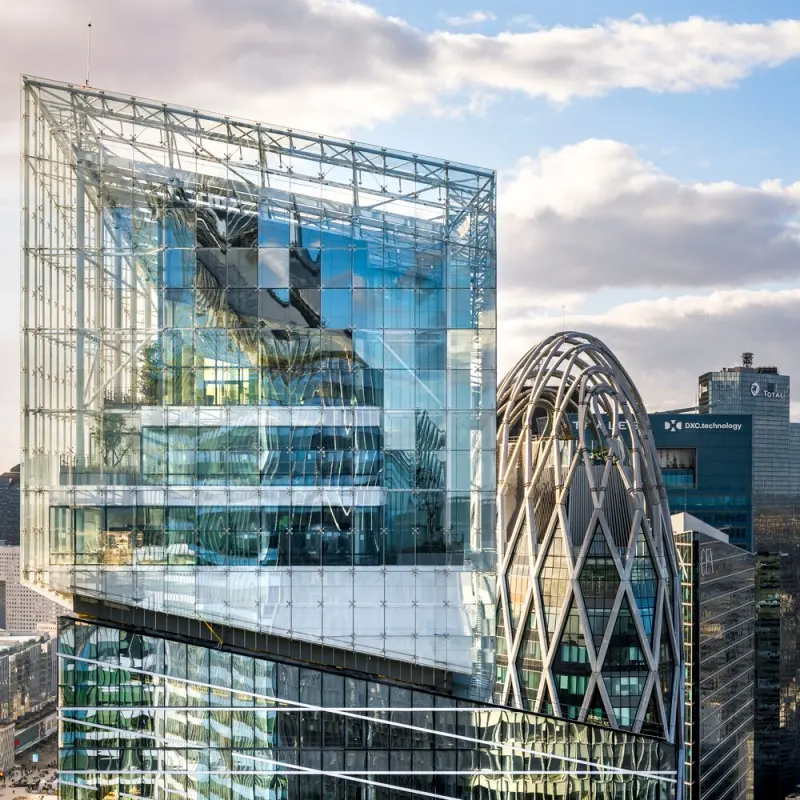
Integrating dynamic light and energy management. By combining high-performance predictive day-lighting algorithms with insulated solar control glass, the building maximizes natural light and minimizes solar heat gain without requiring external shutters.
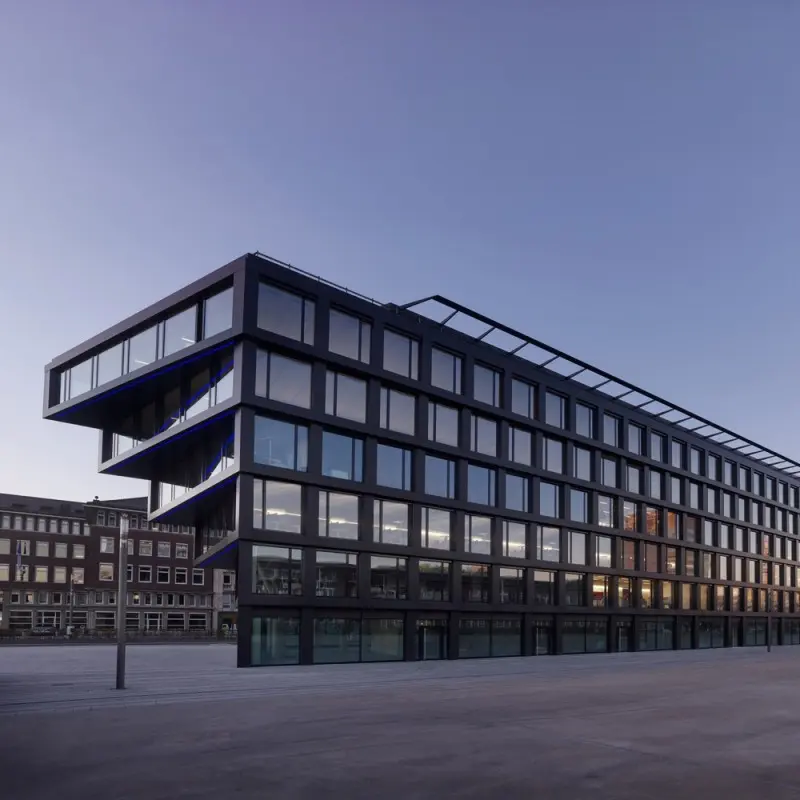
For optimal thermal and acoustic insulation, the building is equipped with triple-insulated solar control glass. This facade system integrates heating, cooling, ventilation, and acoustics, helping the building reach a heat recovery rate of over 80%.
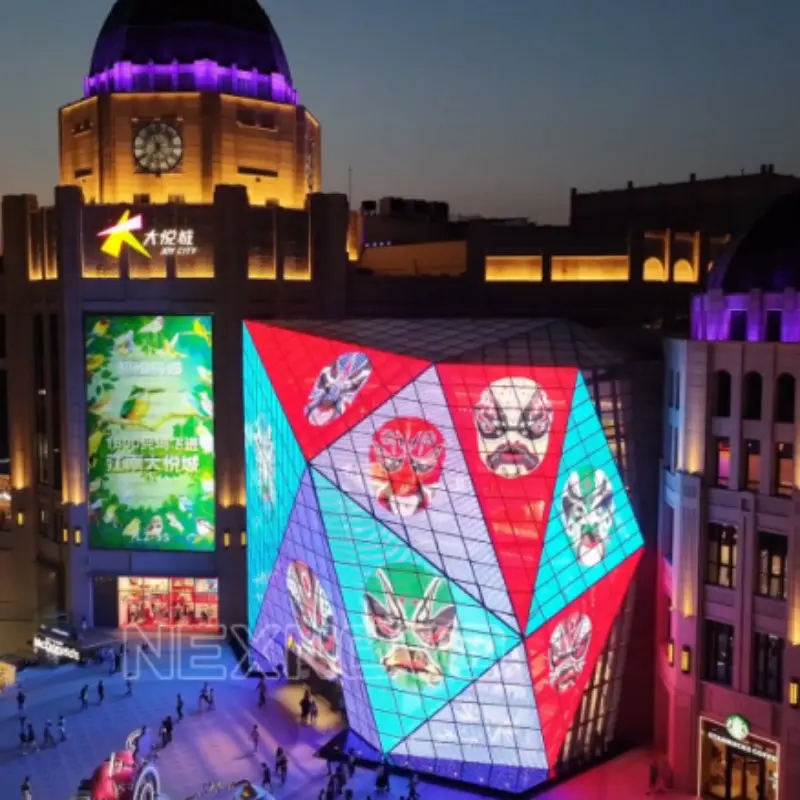
A key regional retail landmark utilizing custom-thickness smart architectural glass. The active glass envelope serves as a dynamic backdrop, combining visual aesthetics with modern, energy-efficient building operations.
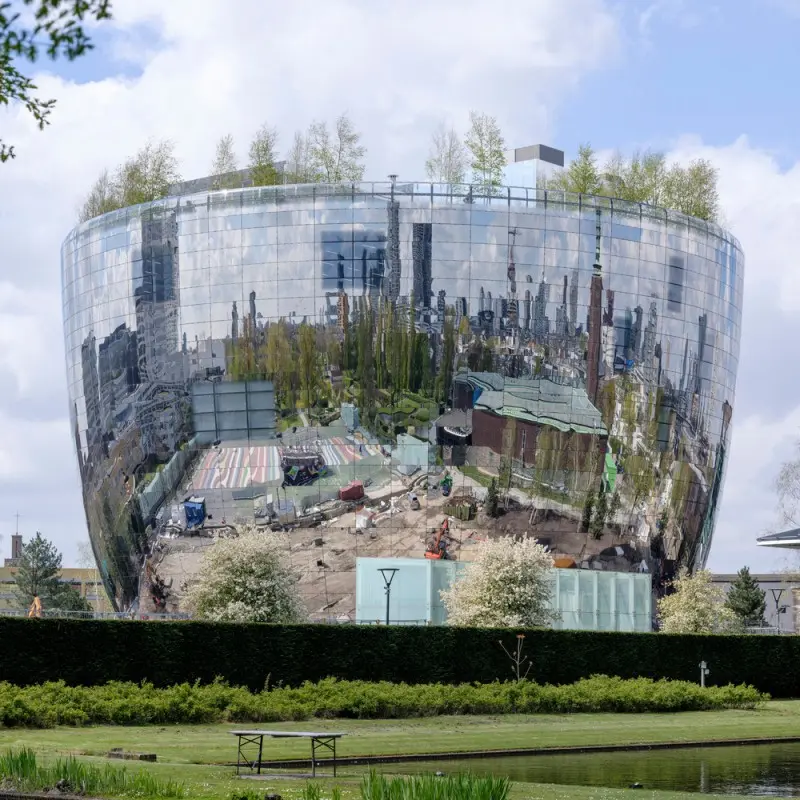
This public art depot uses large-format reflective glass panels to integrate into its green park environment. The facade combines thermal performance and flat reflection while meeting museum safety and climate control criteria.

Featuring large-span structural glass columns and structural glass storefront panels. This showroom design provides unobstructed lines of sight, structural stability, and resistance to high wind pressures.
Stay up to date with core technical analyses, glass engineering standards, and installation tips straight from our team of factory experts.
Understanding the core differences between fireproof barrier glass, fireproof coating materials, and standard tempered monolithic glass. We examine the differences in thermal containment times and integrity ratings.
Read Full Analysis →An evaluation of structural laminated glass in modern construction. We examine mechanical post-breakage performance using PVB and SGP interlayers in high-altitude overhead balustrades and glazing systems.
Read Full Analysis →A comparative study of thermal performance for casement window assemblies. We analyze thermal break profiles, physical expansion coefficients, and long-term wind resistance.
Read Full Analysis →How to select glass thickness and spacer sizes for floor-to-ceiling windows to resist high wind pressure. We look at calculations for dead load, live load, and wind load in coastal regions.
Read Full Analysis →Serving construction projects and distribution partners in over 50 countries with certified safety glass products.
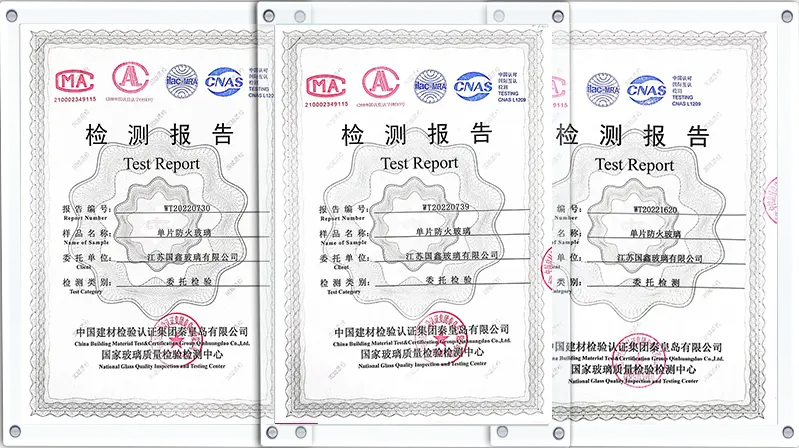
Guoxin Glass operates strict quality control management systems, covering trace raw materials through delivery inspection.
Read Audit AnnouncementWe offer custom engineering services to meet specific design requirements. From adjusting local flat-tempered thickness tolerances to optimizing custom low-E glass coatings, our engineering team works directly from your architectural layouts.
Find answers to common questions about architectural safety glass thickness selection, standards, and engineering capabilities.
For high-quality manufacturing, thickness tolerances match or exceed international standards like ASTM C1048 and EN 12150. For thicknesses between 3mm and 6mm, the standard tolerance is ±0.2mm. For 8mm to 15mm, the tolerance is ±0.3mm, and for thick structural glass (19mm and up), it is within ±0.5mm. We can also provide tighter tolerances for specialized applications.
Wind-load resistance is proportional to the square of the glass thickness. Doubling the glass thickness increases its capacity to withstand wind pressure fourfold, while also reducing center deflection. Our engineers calculate the required glass thickness based on the building height, local wind zones, and window dimensions using ASTM E1300 standards.
Safety glass must meet regional building codes. For the United States and Canada, importing requires SGCC (Safety Glazing Certification Council) certification to ANSI Z97.1. For the European Union, it must carry the CE mark in compliance with EN 12150. For Australia and New Zealand, it must comply with AS/NZS 2208. Guoxin Glass maintains all these certifications to ensure smooth import clearance and code compliance.
Yes, heat soak testing is recommended for tempered glass thicker than 8mm, especially in structural glass facades or overhead canopies. Heat soak testing speeds up the expansion of nickel sulfide (NiS) inclusions, catching potential spontaneous breakage in the factory rather than on the job site. This is a critical quality control step for high-altitude installations.
Complete your design requirements with our full line of safety glass, high-vacuum units, and custom mirror solutions.
High-performance curved laminated configurations providing safety and impact resistance for modern architectural designs.
Learn More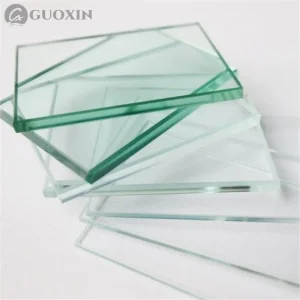
High-durability flat safety glass options for architectural facades, shower screens, and interior glass partition walls.
Learn More
Semi-reflective mirror panels designed for smart home integrations, surveillance settings, and creative interior design.
Learn More
Flat-tempered safety glass manufactured using automated tempering furnaces, guaranteeing flatness and low optical distortion.
Learn More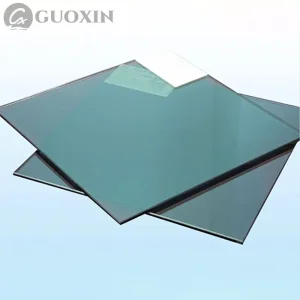
On-line and off-line pyrolytic metal oxide coated glass designed to reduce solar heat gain and optimize energy efficiency.
Learn More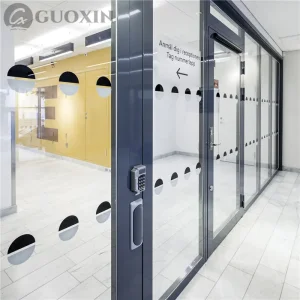
Multi-layered polycarbonate and glass assemblies designed to meet national and international ballistic protection ratings.
Learn More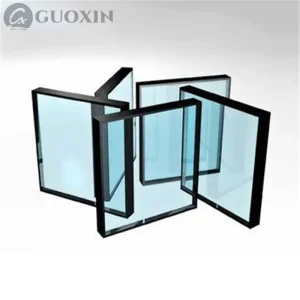
High-performance low-emissivity glass designed to reflect thermal radiation, lowering overall building energy use.
Learn More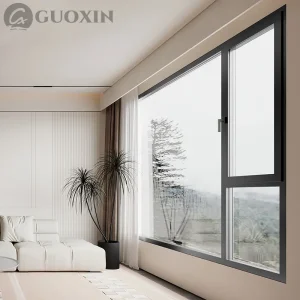
Turnkey residential and commercial window systems combining architectural aluminum profiles with high-performance glass units.
Learn More Guoxin