 Guoxin
Aluminum Extrusions in Fenestration: Cost Engineering, Thermal Insulation, and Scale Sourcing
In modern architecture, the curtain wall and window envelope represent critical interfaces where engineering complexity, thermodynamic management, and construction budgets collide. The phrase "cheap aluminum window frame material" is often misconstrued by end-users. Within high-volume industrial sourcing, "cheap" does not equate to sub-standard mechanical properties or compromised alloy purity. Instead, it signifies optimized raw material sourcing, structural efficiency, high-speed automated extrusion, and supply chain vertical integration.
Aluminum alloys—predominantly from the 6000-series (Al-Mg-Si family)—deliver the optimal intersection of tensile strength, corrosion resistance, extrudability, and post-machining finish capabilities. When sourced from scaled manufacturers operating under Factory 4.0 paradigms, these profiles achieve exceptional structural benchmarks at a unit cost that transforms project feasibility. This comprehensive guide details the metallurgical engineering, global supply metrics, and system-level configurations defining modern cost-effective aluminum fenestration.
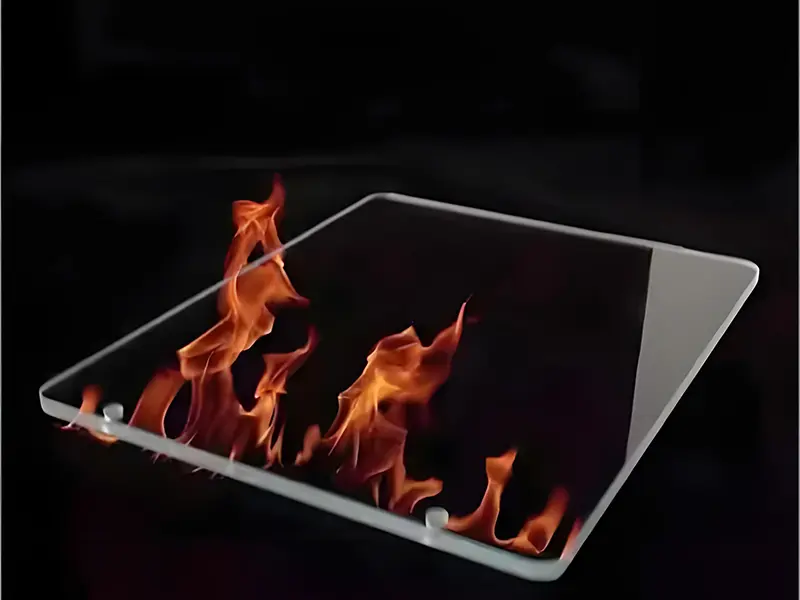
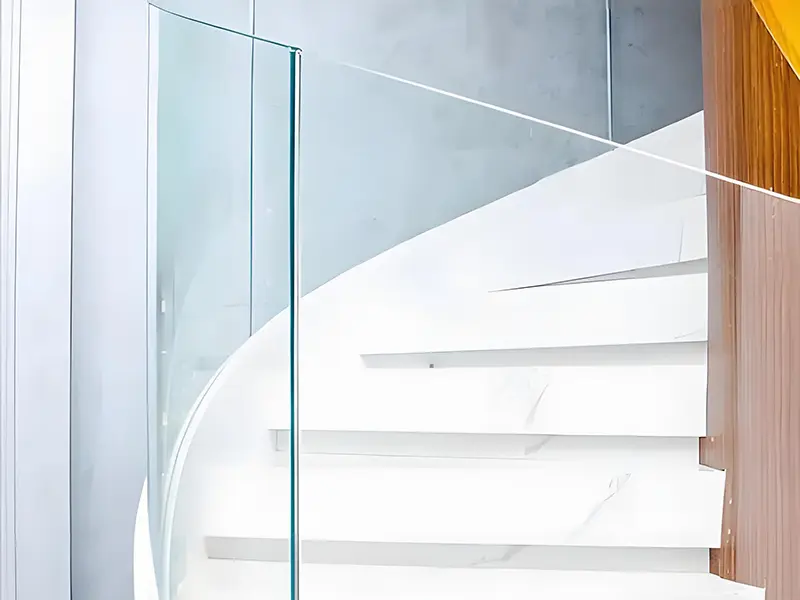
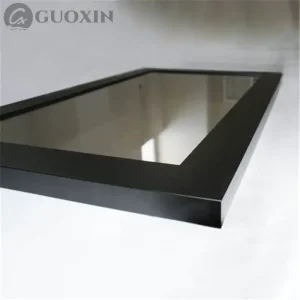
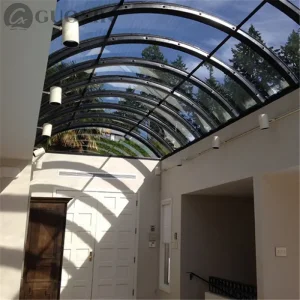
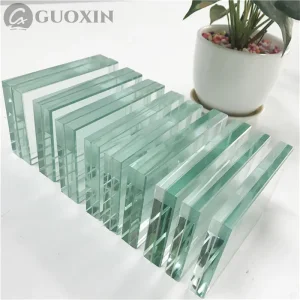
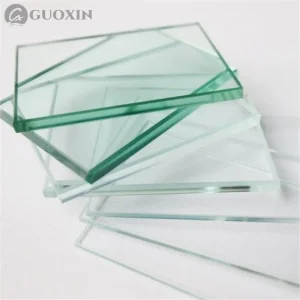
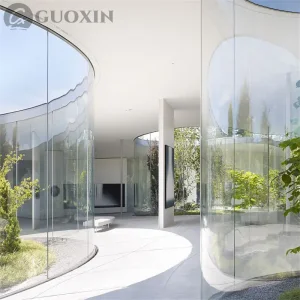
By integrating both glass fabrication (such as SGP laminated, curved insulated, and fireproof glass) and structural aluminum profile extrusions, manufacturers like Jiangsu Guoxin Glass Co., Ltd. enable construction firms to eliminate intermediary processing markups. This dual-capability yields structural systems that achieve up to 35% cost reduction without reducing alloy thickness or structural safety margins.
Technical Roadmap & Future Outlook: The Next Decades of Aluminum Fenestration
The development of aluminum frame materials is transitioning from basic structural extrusion to multi-functional thermodynamic systems. High-performance facades require lightweight designs, superior thermal values, and intelligent, connected features.
Advanced Alloys
Developing structural 6063-T6 and 6060-T66 aluminum formulations. Micro-alloying with titanium and zirconium yields high tensile strengths with thin walls, reducing weight by 15-20% while maintaining wind load resistance.
Thermal Evolution
Advancements in thermal breaks rely on wider Polyamide 66 reinforced with 25% glass fiber (PA66-GF25). Future designs integrate aerogel-infused barrier chambers to achieve U-values below 0.8 W/m²K, meeting passive house standards.
Decarbonization
Transitioning to scrap-fed primary extrusion lines. Incorporating post-consumer recycled (PCR) aluminum allows factories to reduce carbon output to less than 4kg CO2/kg Al, aligning with LEED and BREEAM certifications.
Furthermore, the integration of smart-home technology into aluminum extrusions is accelerating. Profile designs now feature internal, hidden wire routes and sensor cavities. These channels house continuous motor drives, air quality sensors, and electrochromic glass control units without modifying structural sightlines or compromising water tightness.
Macro-Industry Solutions: Systems Designed for Modern Building Typologies
Building types demand distinct window frame designs. Leading factories produce structural sections tailored to specific commercial, residential, and institutional needs:
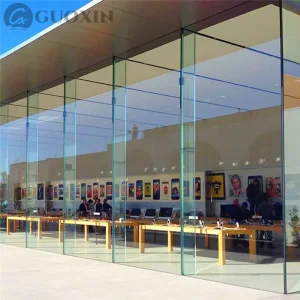
- High-Rise Commercial Curtain Walls: Stick-built and unitized glazed facades utilizing high-strength structural profiles designed to sustain high wind loads, seismic movements, and strict solar gains.
- Institutional & Educational Projects: Impact-resistant profiles, blast-mitigating configurations, and integrated soundproofing barriers designed with large structural spans.
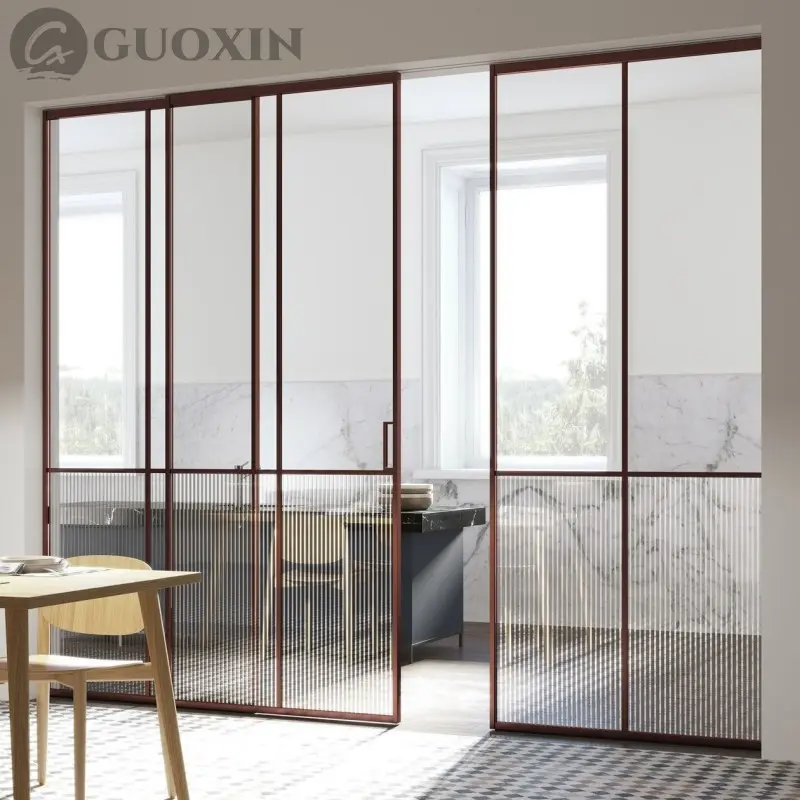
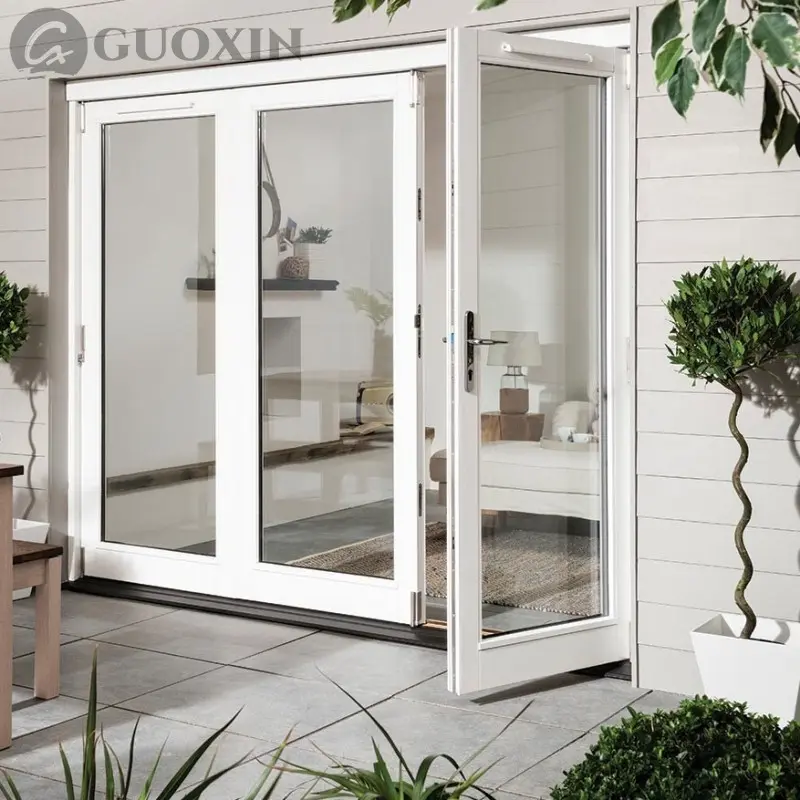
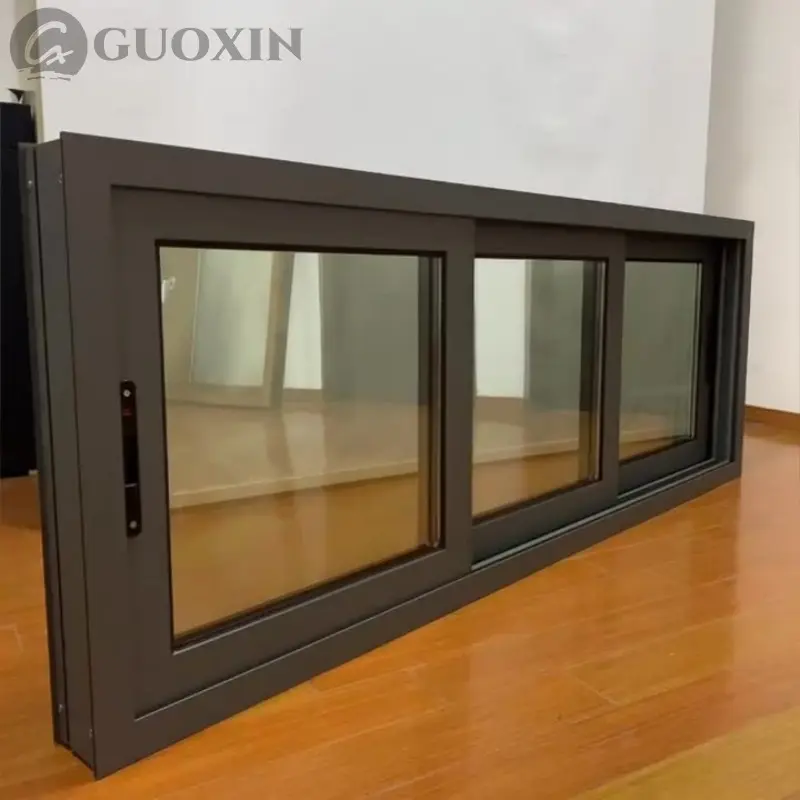
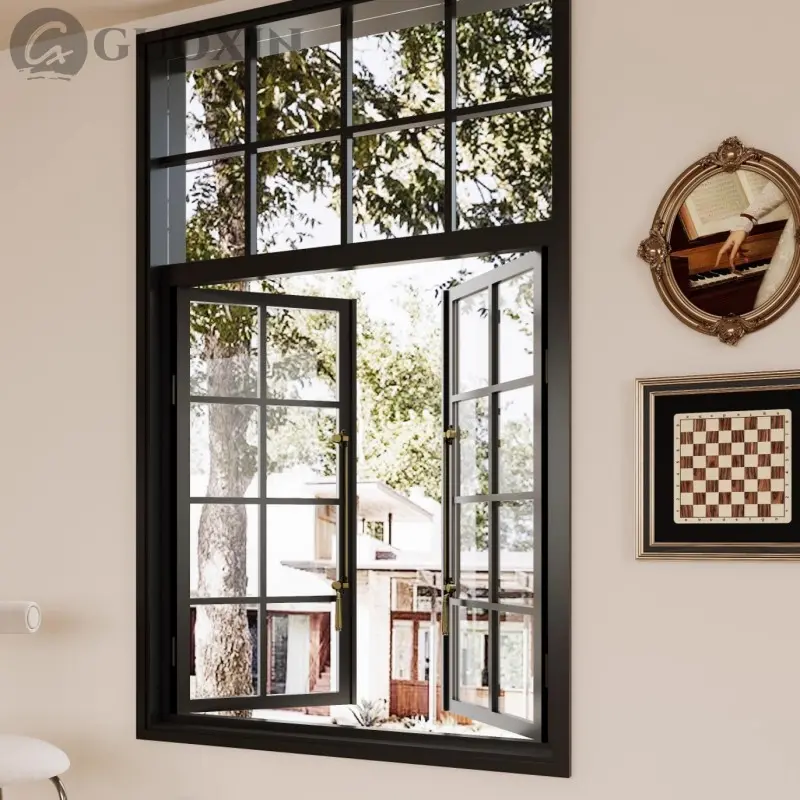
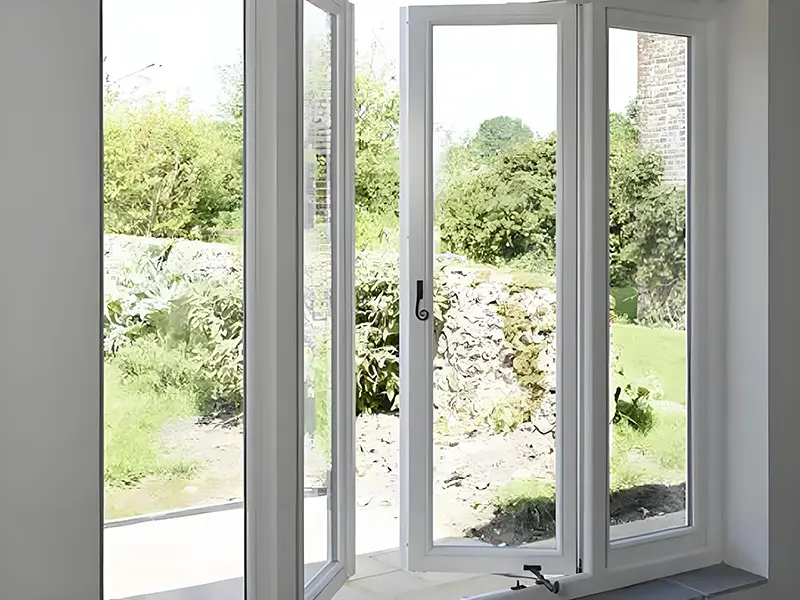
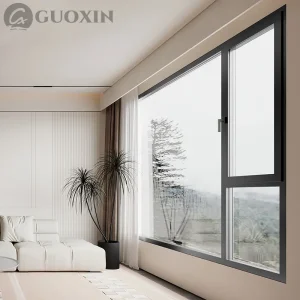
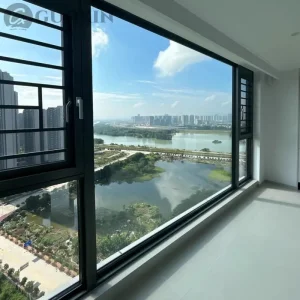
- High-Performance Residential Housing: Integrated thermal break sliding doors and slim-profile casement windows optimized for maximum natural daylight and low maintenance requirements.
- Industrial & Utility Facades: Anodized profiles designed for harsh maritime environments, coastal zones, and heavy industrial settings where chemical exposure is prevalent.
China Factory 4.0: Supply Chain Resilience & Cost Advantages
Purchasing cheap aluminum window frame materials from China does not mean sacrificing quality. The country's manufacturing advantages stem from structural efficiencies within Factory 4.0 eco-systems, including:
1. Raw Material Proximity: China accounts for over 50% of the world’s electrolytic aluminum production capacity. Extrusion factories operate close to primary smelters and billet casting hubs, minimizing upstream transport costs and stabilizing material pricing.
2. Vertical Processing Integration: Integrated facilities house billet casting, die design, multi-axis CNC machining, anodizing, powder coating, and glazing production under one roof. Processing steps occur in a single continuous cycle, cutting transport damage and overhead costs.
3. Advanced Extrusion Tooling: Automated production lines feature presses from 1,000 to 10,000 tons. These machines produce complex multi-chamber structural shapes with wall tolerance deviations under 0.1mm.
Global Enterprise Sourcing: Standards, Compliance, and Quality Control
For international procurers and developers, importing structural window components requires strict adherence to regional engineering norms. The following matrix illustrates the primary engineering benchmarks required for cross-border compliance:
Localization Support & Compliance: Seamless Transnational Integration
To reduce risk when importing building materials, top-tier factories provide dedicated engineering and logistics support, including:
- Custom Die Design & Prototyping: Designing customized profiles to match local wind loads, wall constructions, and aesthetic demands.
- Anti-Dumping & Tariff Mitigation: Providing compliant billing, origin documentation, and logistics routing to manage import tariffs.
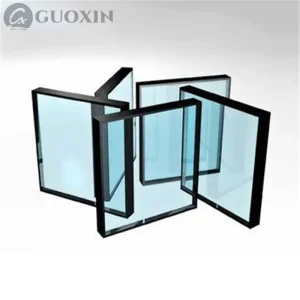
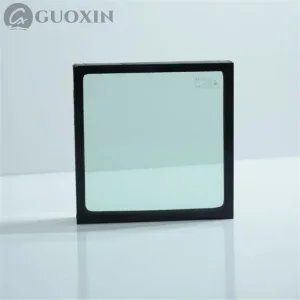
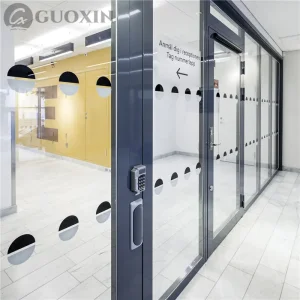
- Integrated Glazing Systems: Pre-installing certified safety glass (insulated, laminated, low-E, or fireproof) directly into the aluminum frames. This delivers ready-to-install units to the job site, reducing domestic labor costs.