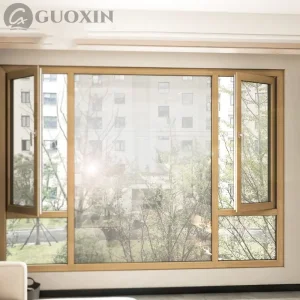
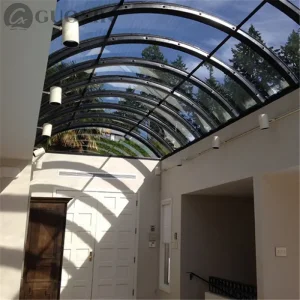
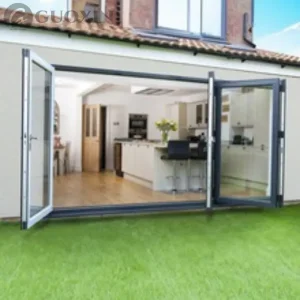
Cheap Aluminum Folding Windows Supplier & Factories

High-Performance Architectural Glazing Systems & Energy-Efficient Bifold Solutions from Leading Manufacturers

The Global Evolution of Aluminum Folding Windows

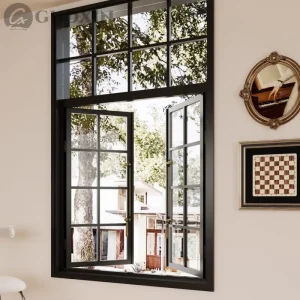
In modern architectural design, the integration of indoor and outdoor environments has shifted from a luxury feature to a core structural standard. Aluminum folding windows (often designated as bifolding or concertina windows) play a vital role in this evolution. By utilizing multi-panel configurations that slide and fold flat against side jambs, these window assemblies maximize physical clearance, facilitate ventilation, and optimize thermal lighting efficiency.

Globally, the commercial and industrial demand for high-strength, lightweight glazing frames has led architectural specification agencies to prioritize aluminum alloys over timber or vinyl alternatives. The natural mechanical property profile of structural aluminum allows for narrower frame profiles with larger glass surface areas. This translates directly to high wind load resistance, thermal break capabilities, and long structural lifespans under demanding commercial usage.

2006
Year Founded
20+
Years Experience
10+
Core Product Ranges
Jiangsu Guoxin Glass Co., Ltd. has established a stable and successful track record spanning two decades in research, development, and high-precision marketing of customized aluminum frames, safety glass, and architectural solutions.

Why Procure from Specialized China Factories?

Purchasing directly from established China-based manufacturers enables real estate developers, commercial contractors, and facade engineers to navigate cost controls while accessing world-class engineering standards. The logistical and manufacturing efficiencies of China's industrial clusters provide several distinct benefits:

  • Integrated Raw Material Supply Chains: China factories work in direct partnership with leading aluminum extrusion smelters, reducing freight costs and securing high-grade 6063-T5 or T6 alloy stocks.
  • Advanced Surface Treatment & Finish Quality: Specialized factories utilize state-of-the-art electrostatic powder coating, fluorocarbon (PVDF) spraying, and anodizing lines that exceed international ASTM and Qualicoat standards.
  • Deep Customization and OEM Capabilities: Precision machinery allows factory engineering teams to adapt aluminum folding window dimensions, hardware tracks, and integrated glass types to exact project specifications.
  • Cost-Effective Thermal Performance: Access to high-quality thermal break strip insertions (polyamide PA66 nylon strips) allows Chinese manufacturers to deliver high energy conservation profiles without inflating wholesale price points.

Technical Performance & Material Specifications

Our aluminum bifold window configurations are fabricated using structural profile layouts designed for high-stress environmental deployment.

Alloy Framework & Hardiness

Utilizing high-tensile 6063-T5 or T6 grade extruded aluminum. Structural wall thickness ranges from 1.4mm to 3.0mm depending on engineering and load calculation parameters.

Thermal Break Integration

Reinforced polyamide thermal barriers (PA66-GF25) prevent thermal bridging. This system lowers HVAC consumption by retaining heat in winter and rejecting solar heat in summer.

Multi-Point Security Systems

Integrated zinc alloy multi-point lock mechanisms secure each panel along the head and sill tracks, providing superior burglar resistance and structural gasket compression.

Weatherproofing & Double Seals

Dual-durometer EPDM rubber gaskets combined with dense weather-stripping lines block driving rain, continuous wind pressure, and exterior particulate infiltration.

Heavy-Duty Roller Tracks

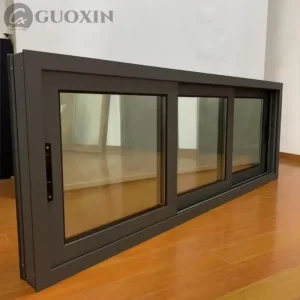
Top-hung or bottom-rolling systems utilize stainless steel dual carriers and nylon-coated rollers to ensure quiet, smooth, single-hand opening cycles.

Optimized Drainage Profiles

Sloped bottom frame sections with concealed weep holes prevent water pooling during intense rainstorms, directing runoff directly outward.

Industrial Application Scenarios & Architectural Integration

Aluminum folding windows are highly adaptable across residential, hospitality, commercial, and landscape architecture projects. By offering massive, barrier-free openings, they allow business venues and homes to completely redefine spatial utilization:

  • High-End Commercial Patios & Restaurant Facades: Restaurants, bars, and bistros utilize bifold windows to bridge indoor dining zones with street-side seating. During pleasant weather, the entire storefront opens, dramatically driving foot traffic and maximizing table efficiency.
  • Residential Balcony Conversions & Sunrooms: Homeowners looking to optimize balcony areas can enclose structural perimeters with premium folding frames. The layout enables total isolation from outdoor noise and wind while preserving the ability to open the space completely.
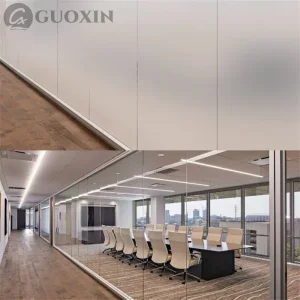
  • Commercial Offices & Internal Spatial Dividers: Large-scale corporate layouts install interior aluminum folding glass partitions to temporarily divide executive conference rooms, enabling modular work setups on demand.
  • Coastal and Extreme Wind Areas: By utilizing high-load SGP laminated safety glass coupled with reinforced profile designs, structural engineers specify folding windows to withstand high wind load stresses and prevent water intrusion.

Advanced Glass Selection: The Key to System Performance

An aluminum folding window is only as good as its glazing configuration. Jiangsu Guoxin Glass Co., Ltd. specializes in combining state-of-the-art glass technologies with heavy-duty aluminum assemblies, yielding targeted performance traits:

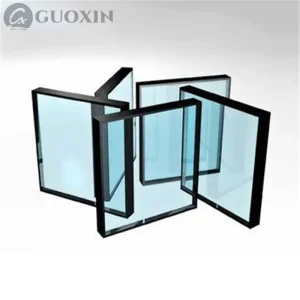
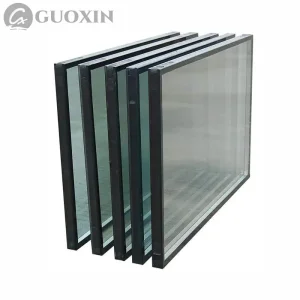
  • Insulated Glass (Double & Triple Glazed): Standard and custom configurations utilizing argon gas fills and warm-edge spacers drastically minimize overall thermal conductivity (U-Values), preventing HVAC energy loss.
  • Low-E (Low-Emissivity) Glass: Applied metallic microscopic coatings reflect far-infrared heat while permitting visible light, optimizing the Solar Heat Gain Coefficient (SHGC) for hot climates.
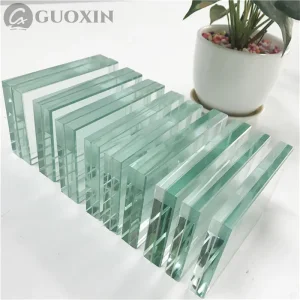
  • Laminated Safety Glass (PVB & SGP Interlayers): The inclusion of a polyvinyl butyral (PVB) or SentryGlas Plus (SGP) interlayer holds glass fragments together upon impact, offering superior hurricane protection and high-end acoustic dampening (STC ratings).
  • Smart Switchable Glass: PDLC polymer dispersed liquid crystal interlayers enable users to switch the glass panels from transparent to opaque with the click of a button or an automated smart home controller.
  • Fireproof and Radiation Shielding Glass: For specialized industrial installations, we integrate fire-resistant safety panels or heavy lead glass plates to meet strict regulatory codes.

Iconic Structural Project Deployments

Discover how our high-precision architectural glass and frame systems are applied in world-class, landmark constructions globally.
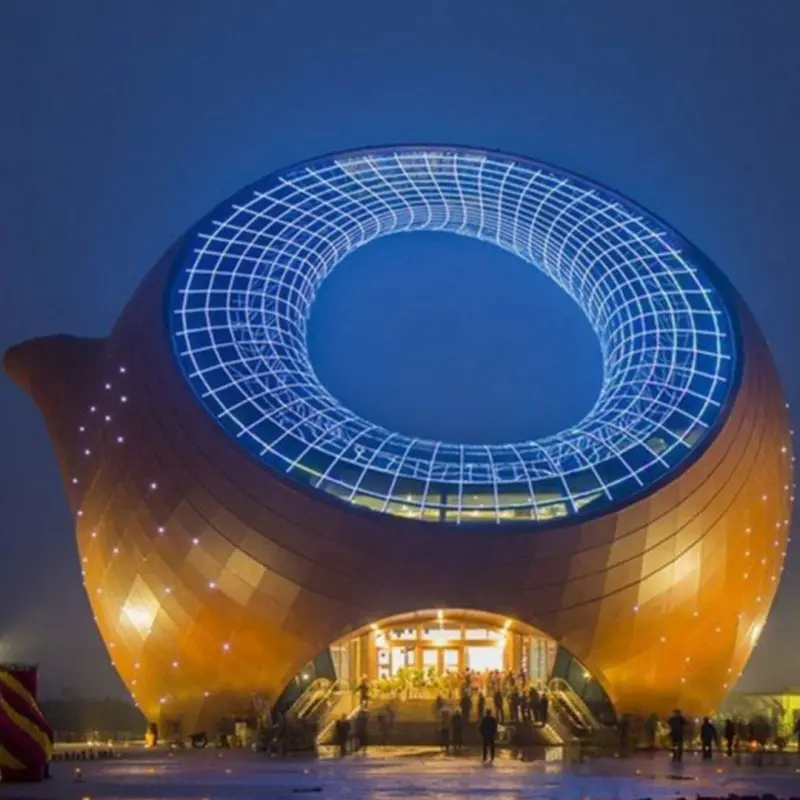
Teapot Tower

Teapot Tower

Guinness Record holder. Consists of a complex dome of customized artistic stained glass and structural aluminum profiles.
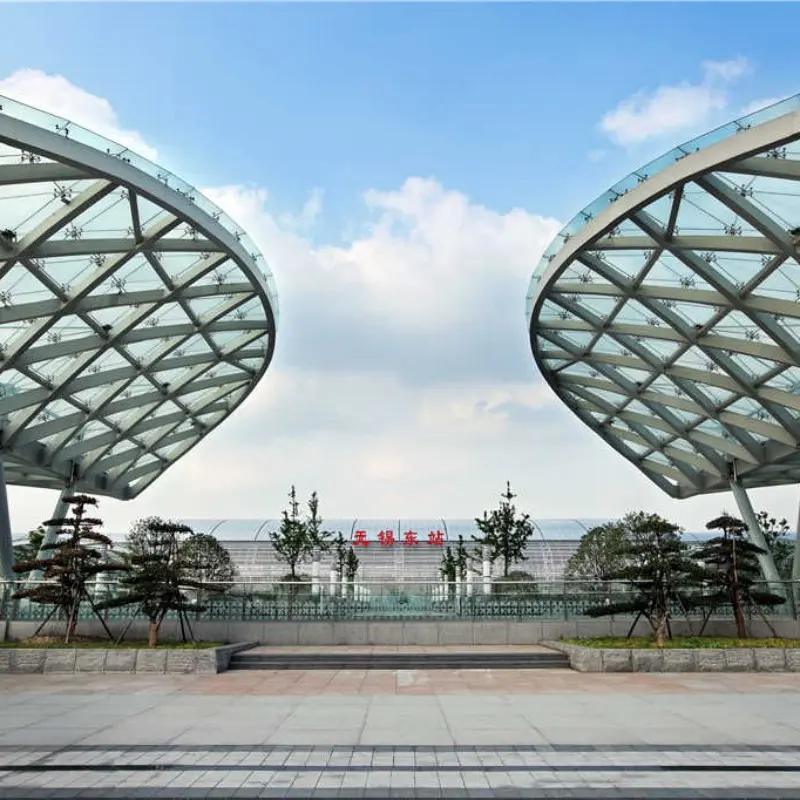
Wuxi Railway Station

Wuxi Railway Station

Utilizes thousands of high-durability laminated safety glass panels to protect a transit volume of over 120,000 daily passengers.

Nanjing Zifeng Tower

Nanjing Zifeng Tower

A 450-meter skyscraper deploying high-performance insulated glass panels to optimize solar control and wind resistance.
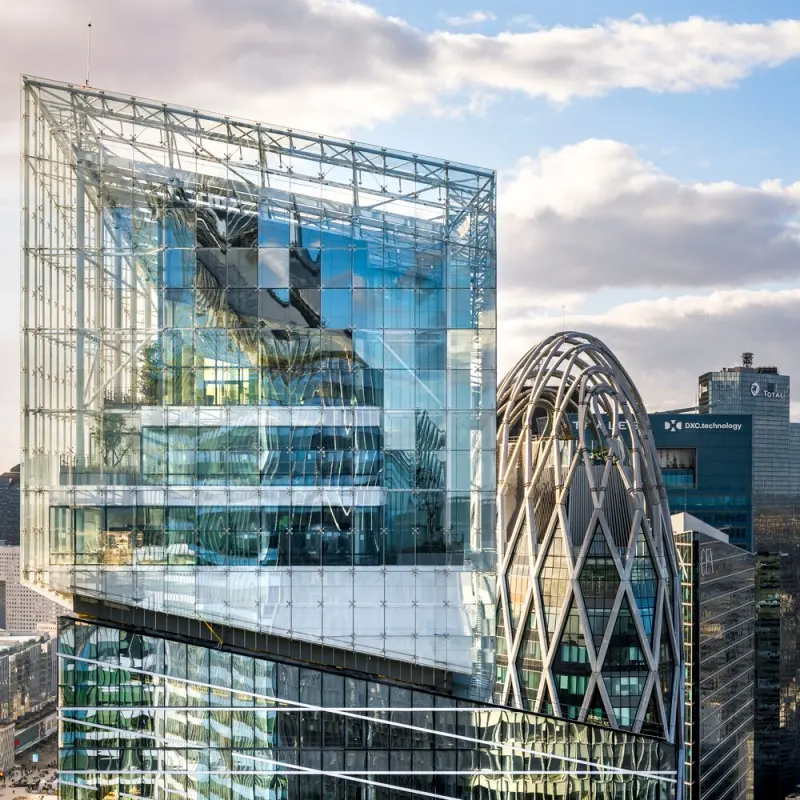
Valode & Pistre

Valode & Pistre

High-end architectural integration project utilizing specialized low-emissivity glass curtain walls for energy balancing.
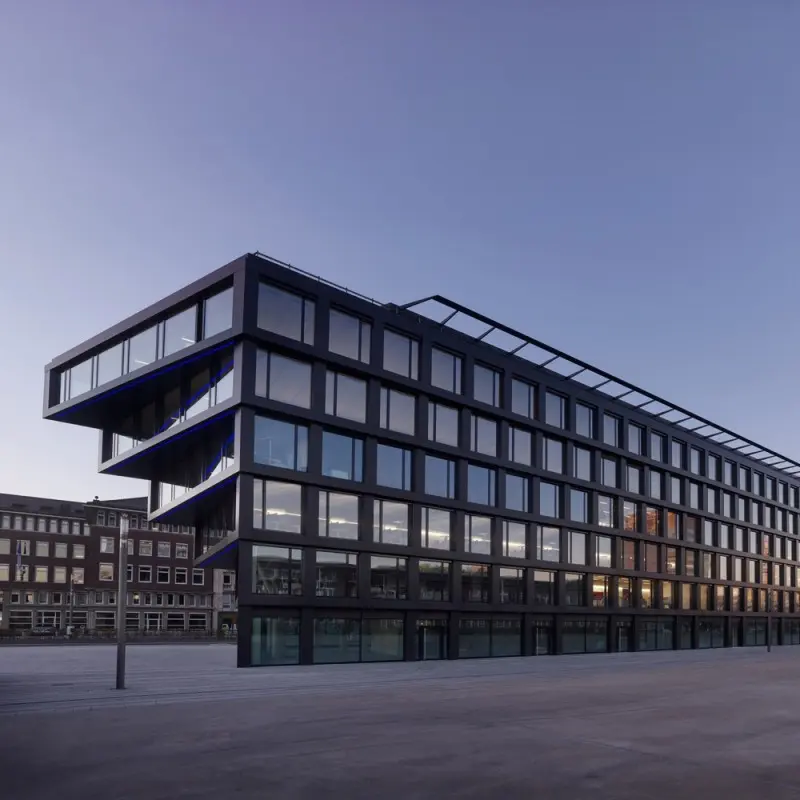
Hadi Teherani Architects

Hadi Teherani

Featuring custom-built structural glazing lines that resist high external pressure and noise levels in urban corridors.
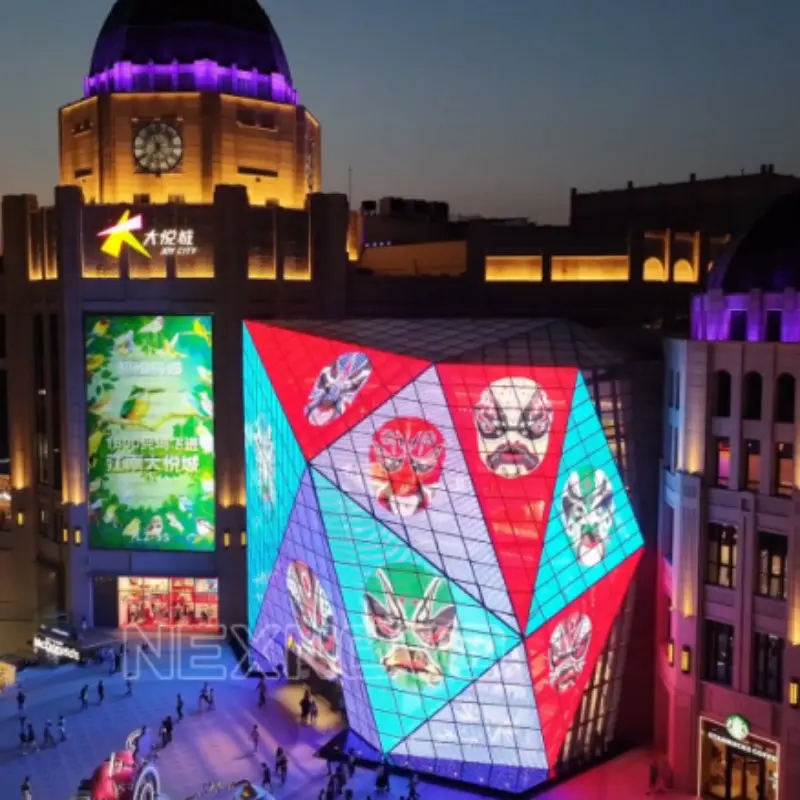
Joy City

Joy City

A modern regional landmark incorporating smart switchable glass panels to establish dynamic commercial facade lighting.
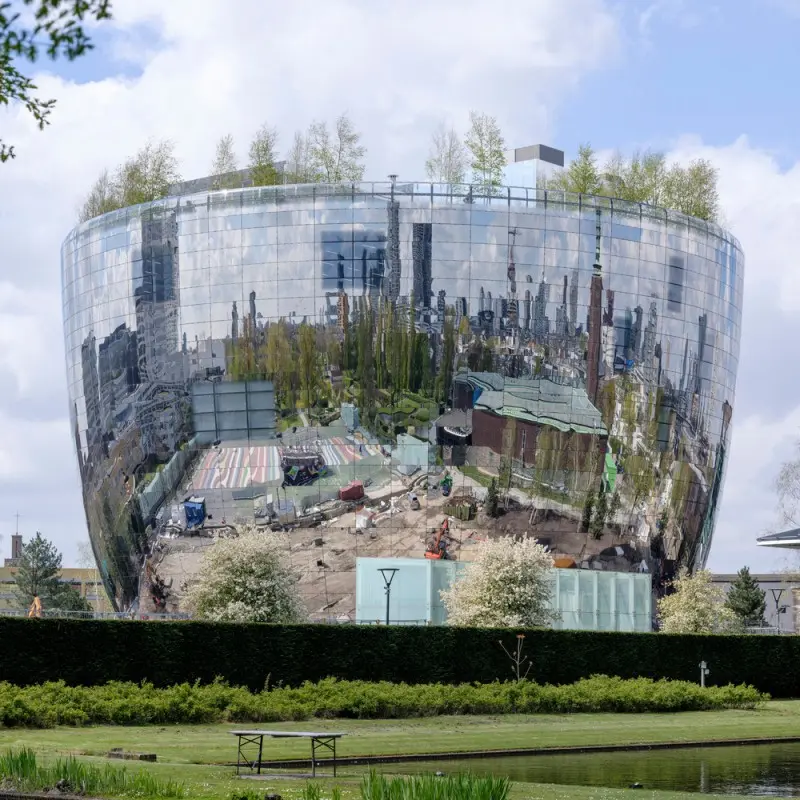
Depot Boijmans Museum

Depot Boijmans Museum

Utilizes massive curved reflective glass sections to blend a 15,000 square meter structure into its surrounding parklands.
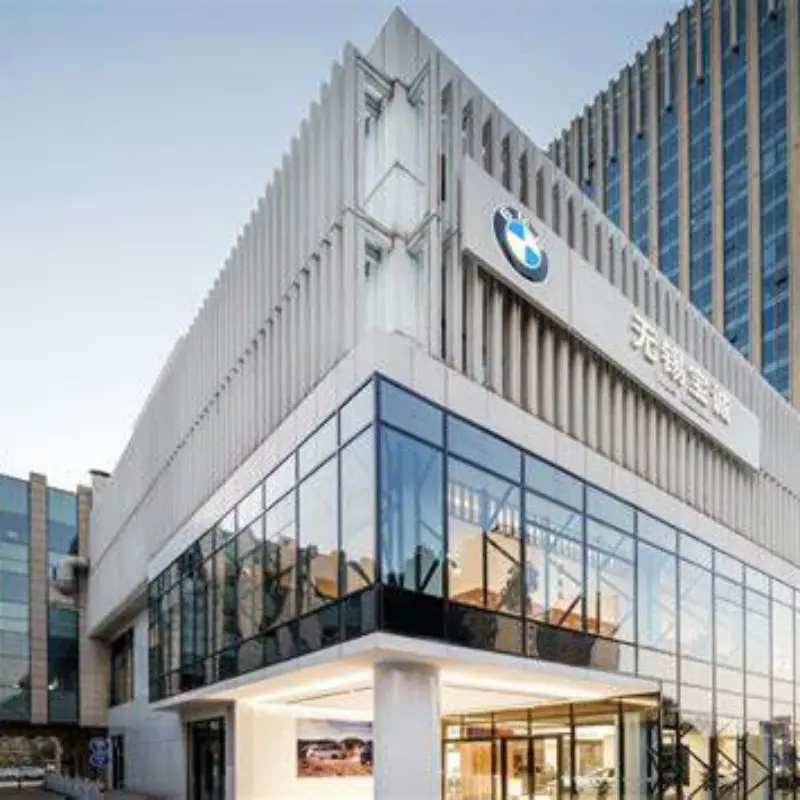
BMW 4S Shop

BMW 4S SHOP

Heavy-duty, high-transparency structural showcase facades displaying dynamic vehicle lineups with optimal solar filtering.

OEM & ODM Manufacturing Capabilities

At Jiangsu Guoxin Glass Co., Ltd., we operate on the fundamental principle of "Quality First, Customer First, and Credit-Based". Our plant is equipped to handle complex processing requirements from international architectural firms and contractors.

We invite global buyers to view our production processes, quality control checkpoints, and manufacturing systems. We cooperate under strict confidentiality parameters to protect your proprietary custom designs.

Contact Our Engineering Team

Technical Knowledge & Decision-Making Guides

Make informed decisions for your project with detailed, engineering-based articles comparing materials and structure choices.

Thermal Efficiency: Broken Bridge Aluminum vs. Plastic Steel

When selecting systems for casement and folding windows, contractors debate the cost-to-performance ratio of plastic steel vs. broken bridge aluminum. While plastic steel offers low cost, thermal-break (broken bridge) aluminum delivers superior structural load resistance, durability under UV exposure, and significantly tighter structural seal characteristics over long lifecycles.

Fireproof Glass vs. Regular Glass: Key Structural Differences

Selecting fire-compliant glass products is a life-safety requirement. Fire-resistant glass uses specialized borosilicate or multi-layered intumescent gel interlayers. When exposed to flame, these interlayers swell to block thermal radiation, unlike standard float glass, which shatters rapidly under heat stress.

Wind Pressure Resistance: Specifying Insulating Glass Thickness

For large folding and floor-to-ceiling windows, resisting high wind velocity is a critical math problem. The thickness of individual glass sheets, combined with spacer widths, must be scaled to the structural facade area. Thick laminated outer layers combined with insulated air gaps prevent glass deflection and potential failure under storm conditions.

Global Enterprise Procurement & Supply Chain Management

Purchasing building materials in bulk requires meticulous supply chain risk mitigation, particularly regarding transit damage, lead times, and structural certifications. For overseas engineering contractors and developers, optimizing the procurement process for cheap (cost-effective) aluminum folding windows involves key operational protocols:

  • Structural Compliance Auditing: Ensure the factory supplies valid testing documentation for wind pressure resistance, water tightness, and air infiltration under regional testing bodies (AAMA, CSA, AS2047, or CE standards).
  • Detailed Packaging & Freight Security: Bifold window frameworks and glass sheets should be crated in fully enclosed non-fumigation plywood boxes with protective corner pads and desiccant bags to prevent corrosion from sea humidity.
  • Gasket and Hardware Spare Allocation: Always request a 2% to 3% overrun allocation on crucial wearing components (such as EPDM weather seals, roller carriers, and lock pins) to handle installation damage on-site.
  • Integrated Production Schedules: Align your construction phases with the factory's manufacturing throughput. Standard fabrication cycles for custom orders run between 25 and 40 days, excluding ocean freight transit times.

Frequently Asked Questions (FAQ)

Get technical answers to the most common inquiries regarding procurement, logistics, and performance specifications.

What determines the cost of aluminum folding windows?
The final quote is calculated based on: structural profile thickness (e.g., 1.4mm vs. 2.0mm), aluminum surface treatment (powder coating, anodized, or PVDF), the specification of the integrated glass units (double-glazed Low-E, laminated, or smart switchable glass), and the choice of hardware components (domestic brands vs. high-end German systems like Siegenia or Roto).
How do you guarantee the structural safety and water sealing of folding window assemblies?
Our systems utilize nested interlocking male-female profile joints wrapped with multiple continuous EPDM bulb gaskets. In addition, bottom tracks are equipped with sloped water-diversion channels and counter-pressure weep outlets to ensure that driving rain is discharged without reverse leaking under heavy wind pressure.
Are thermal-break profiles required for all architectural environments?
For cold environments subject to freeze-thaw cycles or regions requiring heavy air conditioning, thermal breaks are highly recommended. They decouple the external frame from the interior metal, which prevents condensation buildup and helps maintain indoor comfort. In mild, tropical areas, non-thermal break profiles can be specified to reduce budget costs.
What certifications does Jiangsu Guoxin Glass Co., Ltd. maintain?
Our manufacturing processes are fully certified under ISO 9001:2015 standards. All architectural glass options (tempered, laminated, insulated) carry relevant standard approvals, including CE (Europe), SGCC (USA), and AS/NZS (Australia) compliance tags.