Direct-to-factory engineered glass products optimized for Melbourne structural specifications and building codes.
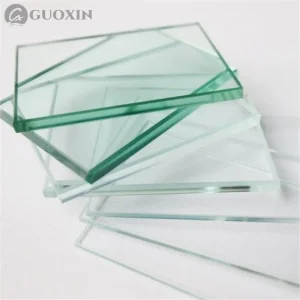
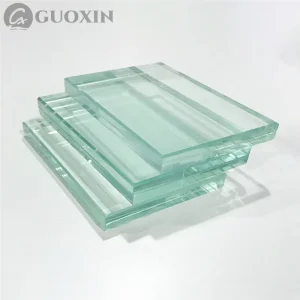
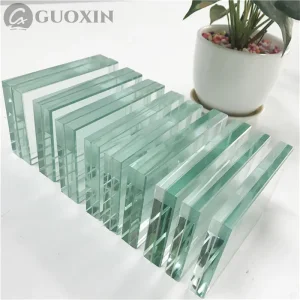
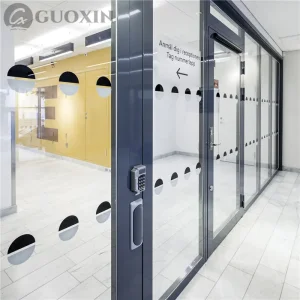
Melbourne, Victoria, stands as one of the southern hemisphere's most dynamic and architecturally diverse urban landscapes. From the soaring high-rises of Southbank and Docklands to the sprawling industrial and commercial developments in Dandenong and Campbellfield, the demand for modern, high-performance glazing systems has reached unprecedented levels. Glazing designs in Melbourne must navigate a complex convergence of architectural aesthetics, strict building standards, and severe climatic fluctuations.
Victoria’s oceanic climate, famous for exhibiting "four seasons in one day," subjects building envelopes to extreme thermal contraction and expansion cycles, heavy localized rainfall, and intense UV exposure. Furthermore, modern skyscrapers situated in Melbourne’s Central Business District (CBD) must withstand significant wind load pressures generated by localized urban wind tunnels. To meet these challenges, structural engineers, facade consultants, and Tier-1 builders increasingly mandate the use of advanced laminated safety glass. Laminated glass acts as a multi-functional barrier, providing structural security, thermal regulation, soundproofing, and solar control.
In Australia, structural glass design is strictly governed by building codes. Standard AS 1288 (Glass in buildings - Selection and installation) dictates safe design practices for mechanical and wind load calculations, while AS/NZS 2208:1996 specifies testing procedures for safety glazing materials. Laminated glass manufactured for the Australian market must consistently pass impact testing, fragmentation analysis, and long-term weathering assessments to ensure safe performance in overhead glazing, structural balustrades, public entries, and high-wind zones.
As residential density intensifies in metropolitan zones, acoustic performance has become a vital parameter for building approvals. Laminated glass containing specialized PVB (Polyvinyl Butyral) or acoustic interlayers acts as a dampening barrier against low-frequency transit noise from nearby railways, arterial freeways, and flight paths near Melbourne Tullamarine Airport.
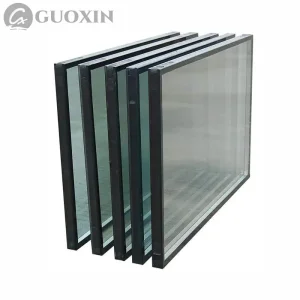
Simultaneously, the Nationwide House Energy Rating Scheme (NatHERS) and Section J of the National Construction Code (NCC) demand high thermal performance. Integrating laminated glass into Insulated Glass Units (IGUs) allows engineers to limit Solar Heat Gain Coefficients (SHGC) while maintaining high visible light transmittance, reducing artificial HVAC energy demands in both blistering summers and cold winters.
A trusted global leader with a two-decade track record in advanced glass fabrication.
In today's global market, supply chain disruptions, fluctuating raw material costs, and strict ESG requirements present ongoing challenges for Tier-1 builders and facade contractors. To mitigate these risks, direct procurement from China's advanced Industry 4.0 manufacturing centers has become a strategic necessity. China's glass fabrication ecosystem offers a valuable combination of scale, cost efficiency, and technological precision.
Jiangsu Guoxin Glass Co., Ltd. has integrated Manufacturing Execution Systems (MES) and Enterprise Resource Planning (ERP) frameworks to link our physical production processes with real-time quality monitoring. Our factory uses automated glass loading, precision CNC cutting, computer-controlled double-edging machinery, and automated tempering furnaces. This digital setup ensures high dimensional accuracy, minimizing the edge deviance that can cause structural stress or seal failure in high-rise window systems.
For laminated glass, maintaining a clean room environment with precise temperature and humidity control is essential to prevent micro-particulate contamination. During our autoclave processing, high temperature and pressure bind the interlayer to the glass panes, creating a clear and highly stable composite structure. This level of control helps prevent interlayer degradation, bubbling, and edge delamination over decades of outdoor exposure.
Importing structural glass to the Port of Melbourne requires careful coordination and reliable logistics. We pack our glass using custom-engineered, reinforced steel or heavy-duty timber A-frames with moisture-absorbing desiccants and protective cork spacers. By working closely with global shipping networks, we coordinate container logistics to match the specific installation schedules of our clients, helping them avoid onsite storage bottlenecks and crane schedule delays.
When designing structural glass installations, selecting the appropriate interlayer is crucial. For standard safety requirements in doors, sidelights, and windows, Polyvinyl Butyral (PVB) is the industry benchmark, providing cost-effective impact resistance and UV filtration.
For high-load applications, such as structural balustrades, glass canopies, and blast-resistant facades, DuPont SentryGlas® Plus (SGP) interlayers are often required. SGP is five times stronger and up to one hundred times stiffer than traditional PVB. In the event of glass breakage, the SGP interlayer maintains structural rigidity and load-bearing capacity, reducing the risk of fallout and protecting public safety below.
A direct engineering comparison of PVB and SGP interlayers under Australian testing protocols.
| Performance Indicator | PVB (Polyvinyl Butyral) Interlayer | SGP (SentryGlas® Plus) Interlayer | Melbourne Application Context |
|---|---|---|---|
| Shear Modulus (20°C - 50°C) | Low (Rapidly degrades under thermal stress) | High (Retains rigidity at elevated temperatures) | Crucial for resisting midday summer heat waves in CBD towers. |
| Post-Breakage Structural Integrity | Flexible (Glass panels collapse under high load) | Excellent (Self-supporting load-bearing structure) | Mandated for frameless glass balustrades under AS 1288. |
| Moisture Resistance & Durability | Moderate (Edge sealing required to prevent clouding) | Superior (Unmatched resistance to edge delamination) | Ideal for coastal areas like Port Melbourne and Brighton. |
| Acoustic Decibel Mitigation | Excellent (Particularly with acoustic PVB formulations) | Moderate to Good (Focuses primarily on structural strength) | Important for soundproofing along major rail and airport corridors. |
| UV Radiation Blocking (280-380nm) | Over 99.8% (Protects interior carpets/furnishings) | Over 99% (Provides reliable UV protection) | Important for mitigating intense Australian solar radiation. |
Our state-of-the-art production facility houses multiple advanced production lines, each equipped with cutting-edge technology.
Thermally broken profiles engineered to integrate seamlessly with high-performance double glazing.
Multi-layered fire-resistant barriers designed to maintain structural partition integrity under thermal load.
Grade-A safety laminates featuring acoustic and SGP interlayers for structural applications.
Multi-ply polycarbonate and glass assemblies engineered for military, automotive, and high-security installations.
Precision-milled aluminium frames paired with high-performance glass for residential and commercial applications.
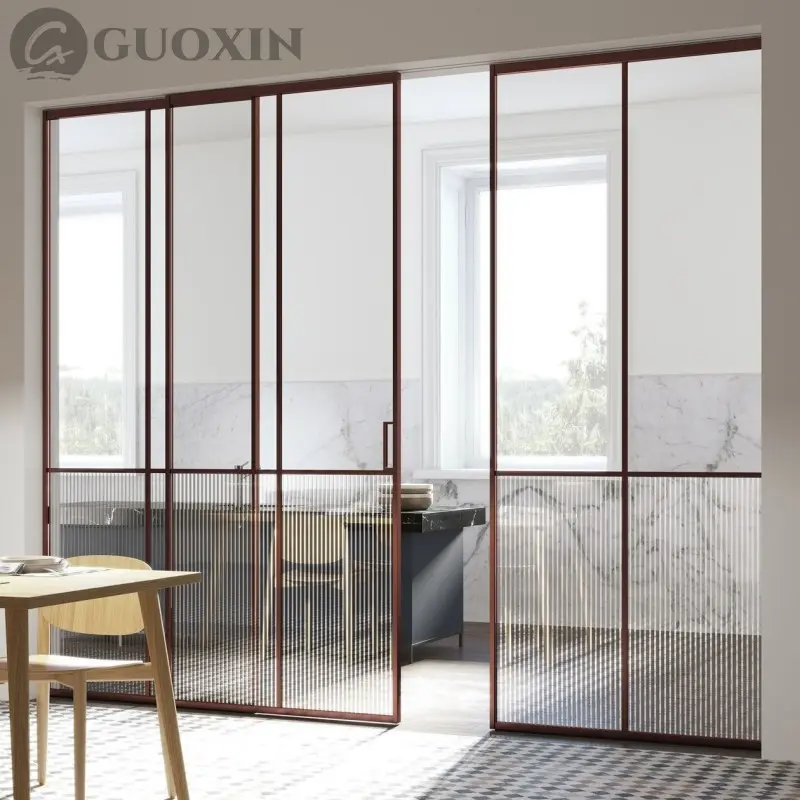
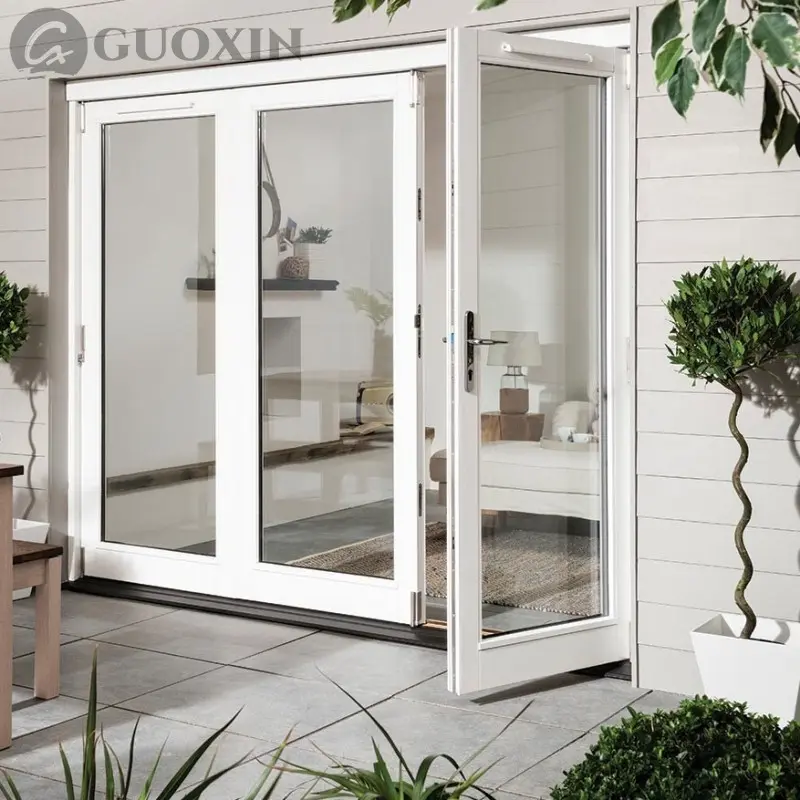
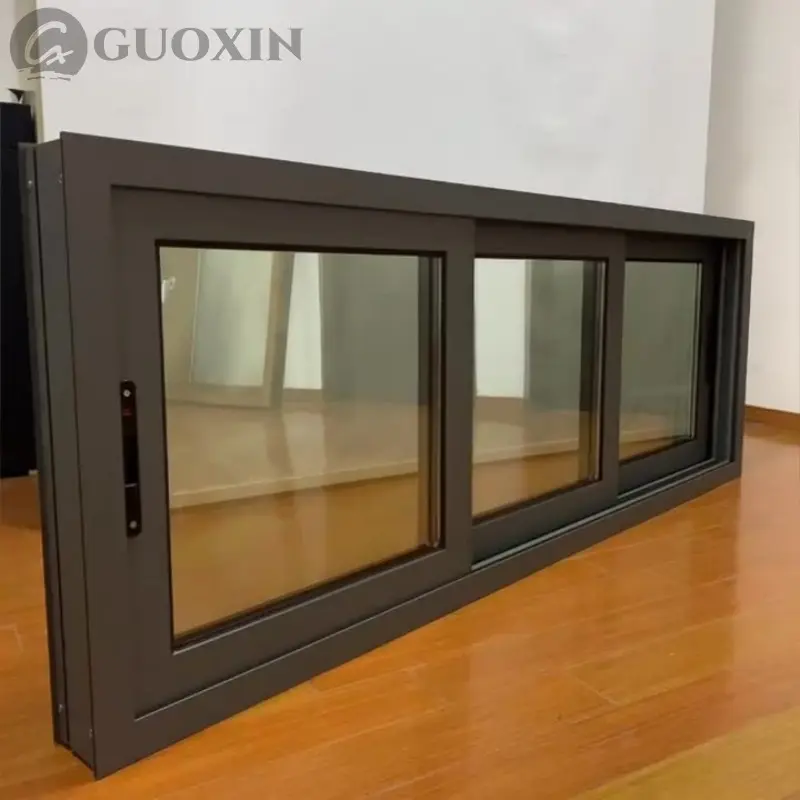
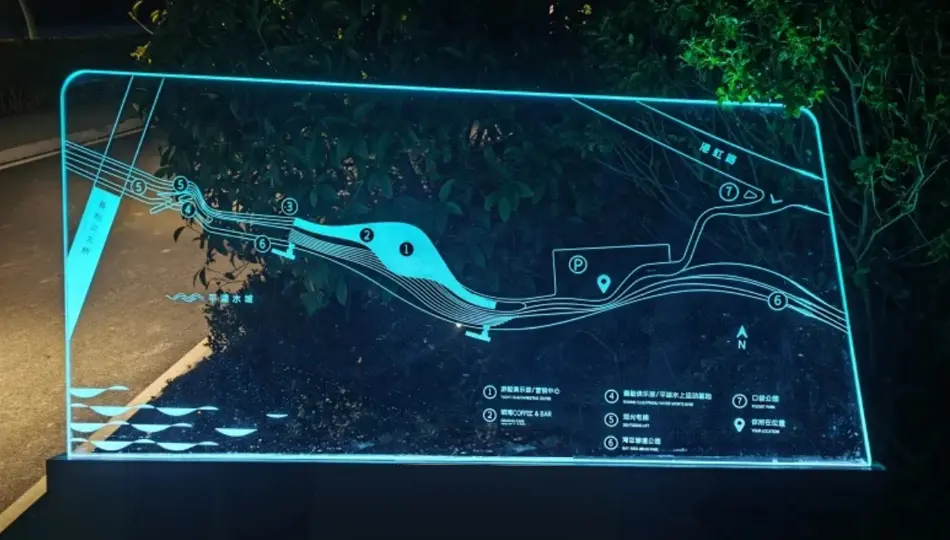
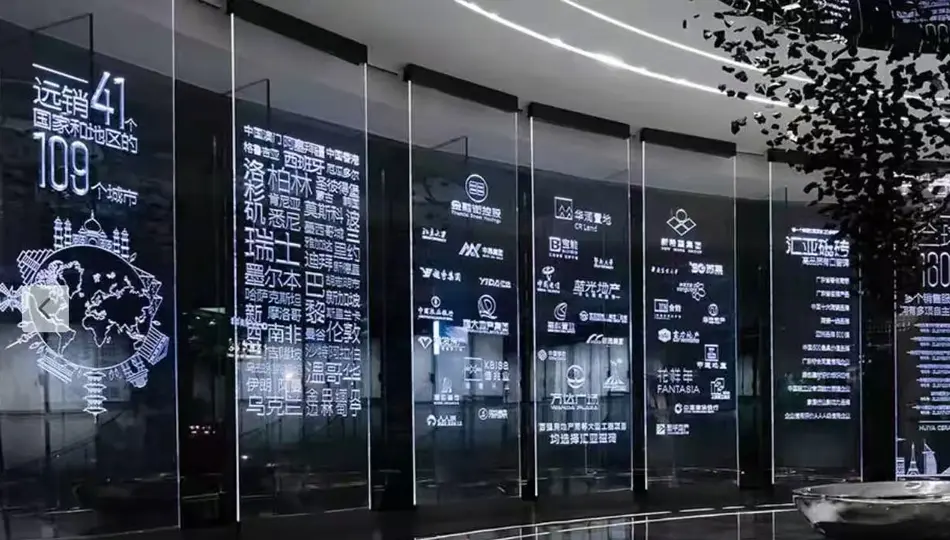
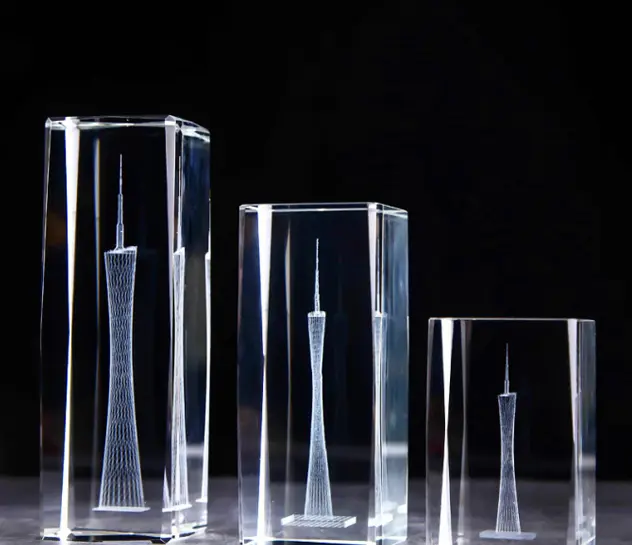
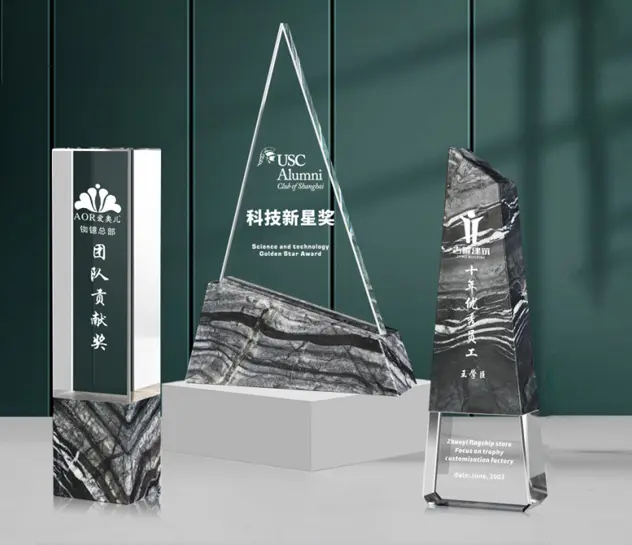
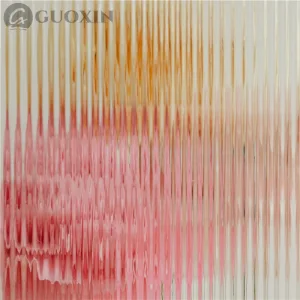
Expanding the boundaries of architectural art with interior laser engravings and custom designs.
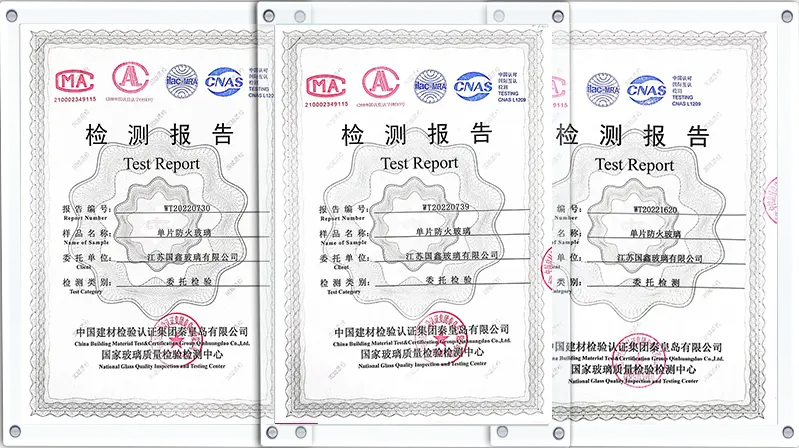
Our manufacturing and quality control systems are ISO 9001:2015 certified, ensuring tracing, materials selection, and processing standards are consistently maintained for global projects.
Send Inquiry NowDemonstrating our capacity to deliver high-performance glazing solutions for large-scale, complex architectural landmarks.
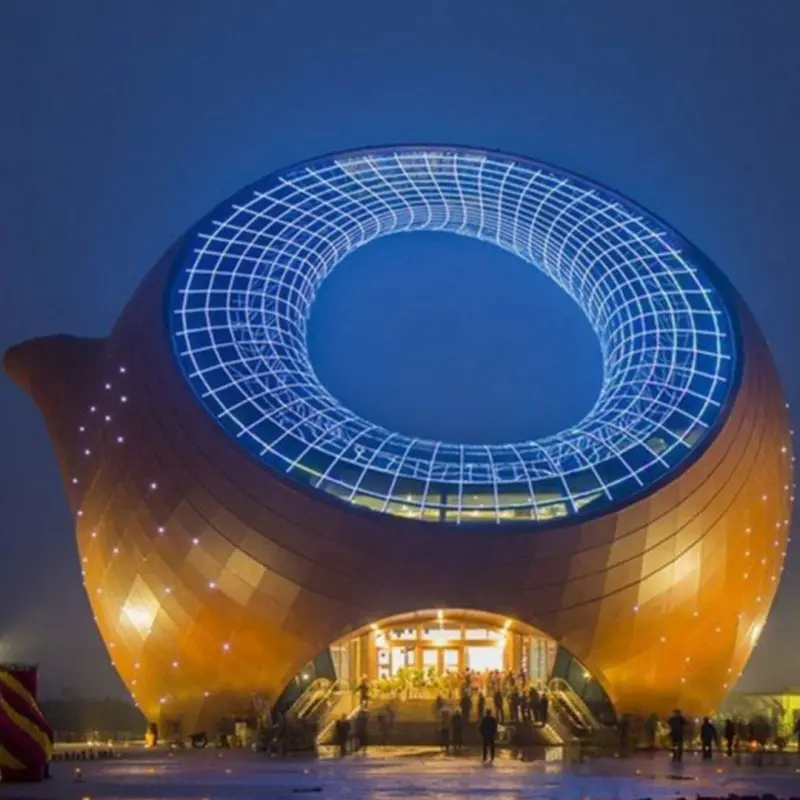
Constructed as a major regional landmark, this structure features a complex curved envelope. The building stands 38.8 meters high and is fabricated primarily from aluminum and custom curved safety glass. Each panel has unique dimensions, topped by an artistic stained-glass dome.
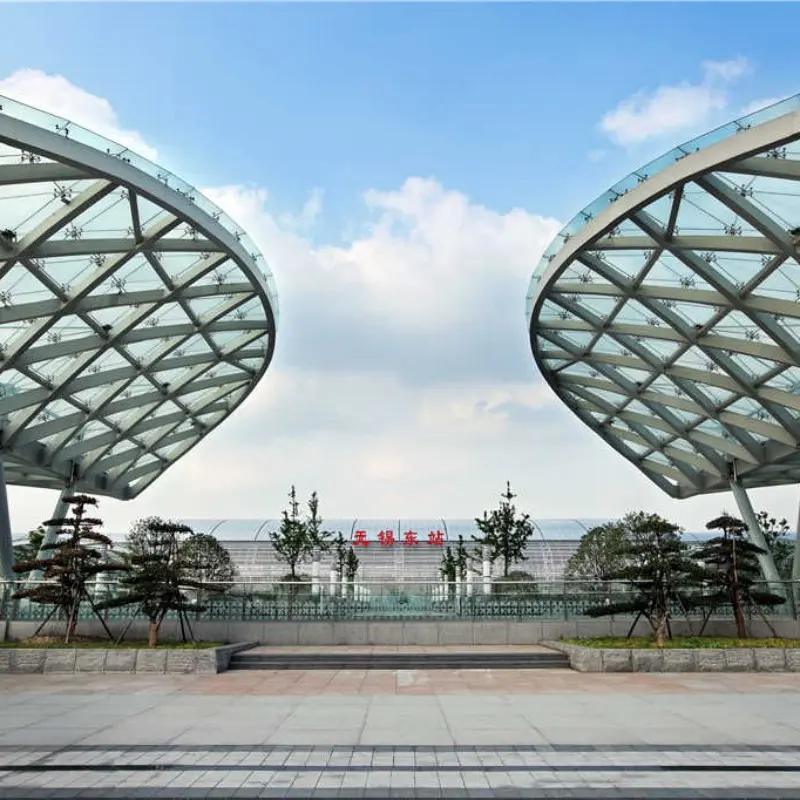
Following historical modernization frameworks like the Wuxi Railway Station upgrade, this transit project incorporates thousands of laminated glass panels. The double-sided elevated structural glazed platform accommodates daily traffic exceeding 120,000 passengers.

Standing as a reference to high-density skyscraper engineering, this tower features a stepped architectural envelope. The retail and office zones utilize high-performance double-glazed and insulated glass units, minimizing wind vibration and maximizing energy efficiency.
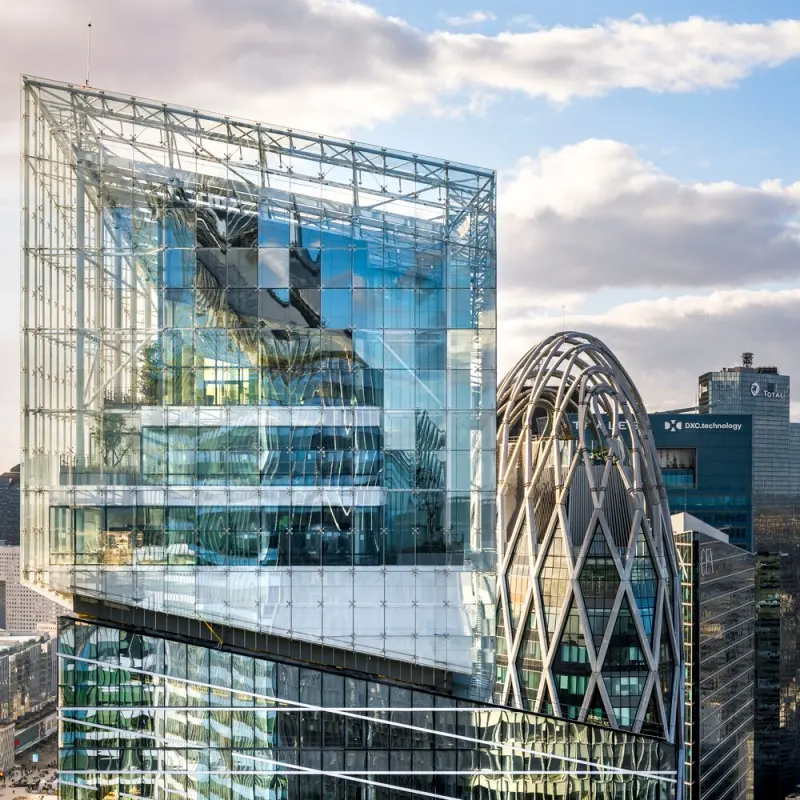
Utilizing daylight-responsive insulated glass panels, this project integrates predictive daylight algorithms. By adjusting thermal transmission based on real-time solar angles, the design minimizes glare and reduces operational energy costs.
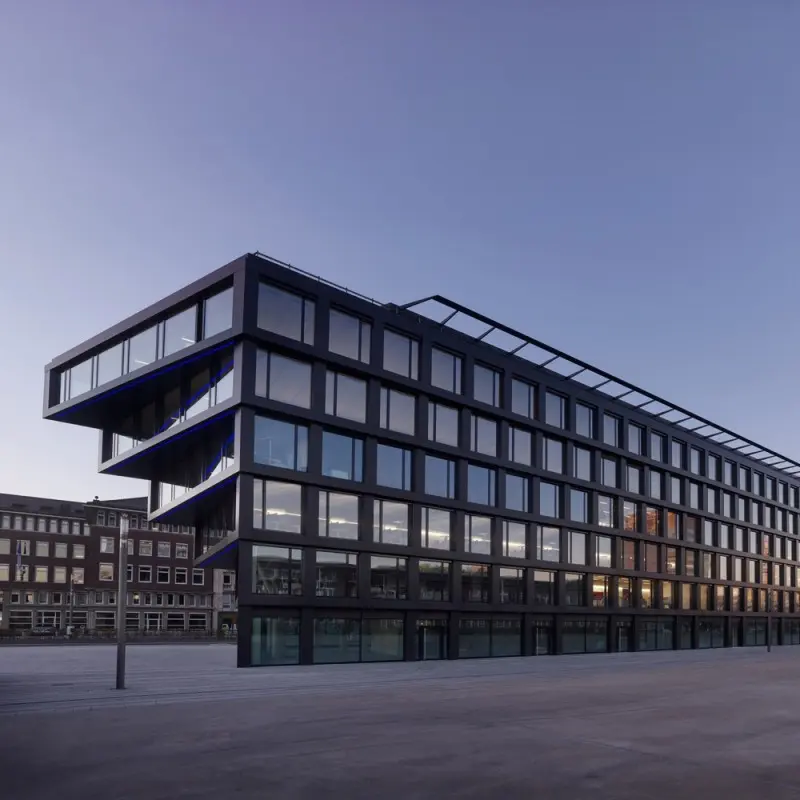
Featuring triple-insulated solar control glass panels, this building combines heating, cooling, and optimized acoustic dampening. This integrated facade design helps the structure achieve a high heat recovery rate of over 80%.
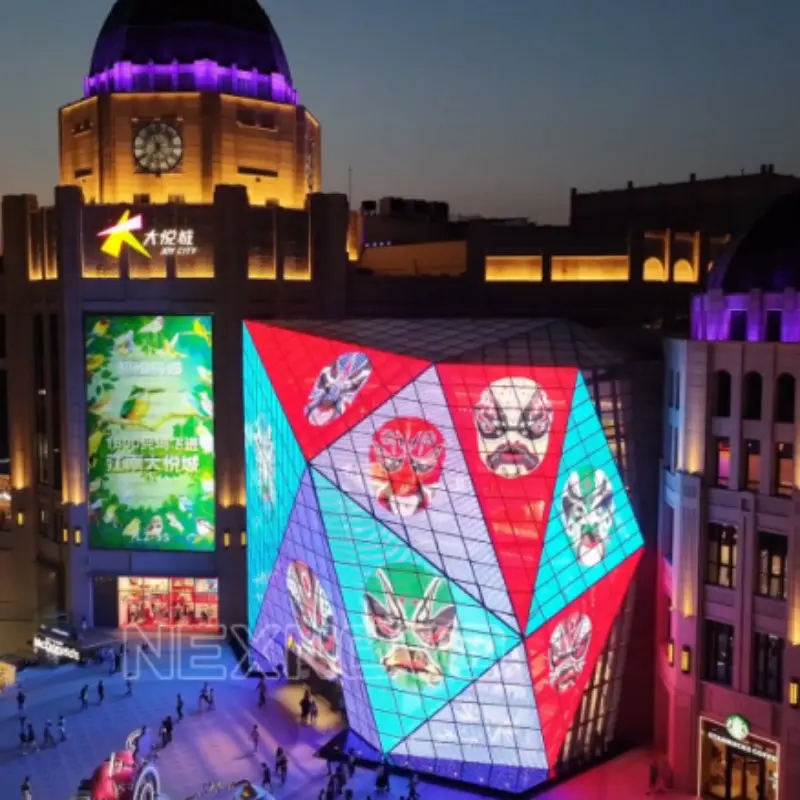
A modern commercial landmark incorporating smart glazing assemblies. The project utilizes reflective and laminated glass panels to balance natural daylighting with active solar control across a large retail area.
Quality First, Customer First, and Credit-Based Manufacturing Excellence.
We supply safety, acoustic, and thermal glass solutions to commercial projects and partners in key markets around the world.
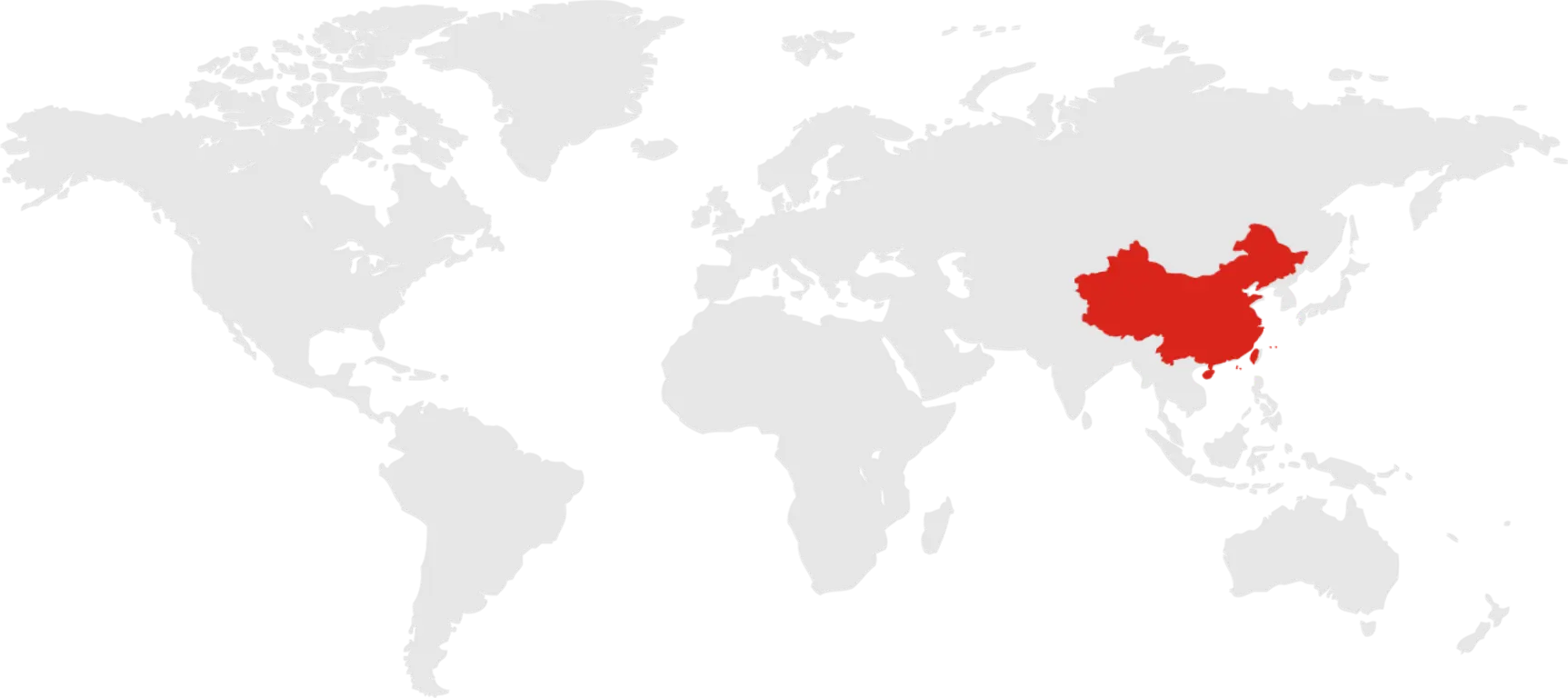
Key information regarding structural glass compliance, performance specifications, and direct importing to Melbourne.
Stay informed with the latest updates from our engineering department regarding safety glass performance and compliance.

To help you select compliant, cost-effective, and safe glass for your projects, we break down the performance differences between fire-rated and standard window assemblies...
Read Article →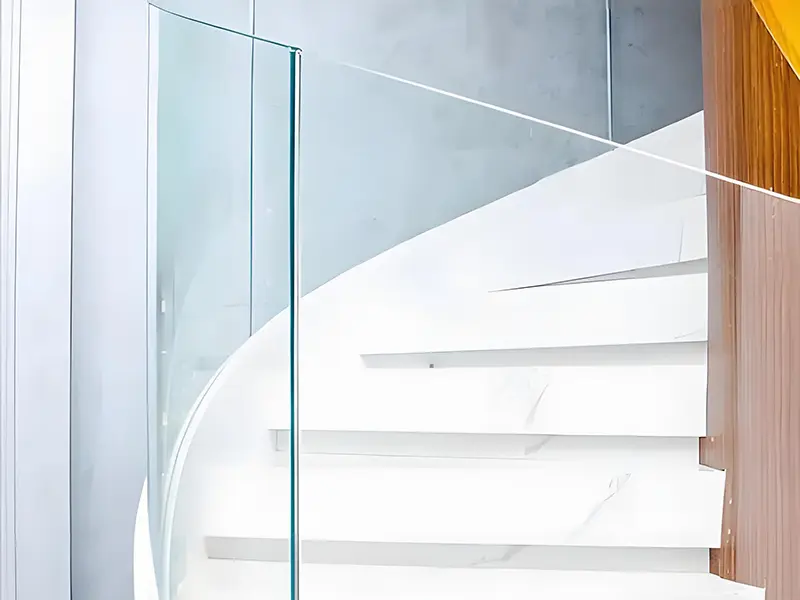
We receive daily inquiries regarding safety glazing for commercial properties. We detail why laminated glass provides robust long-term protection against impact and structural failure...
Read Article →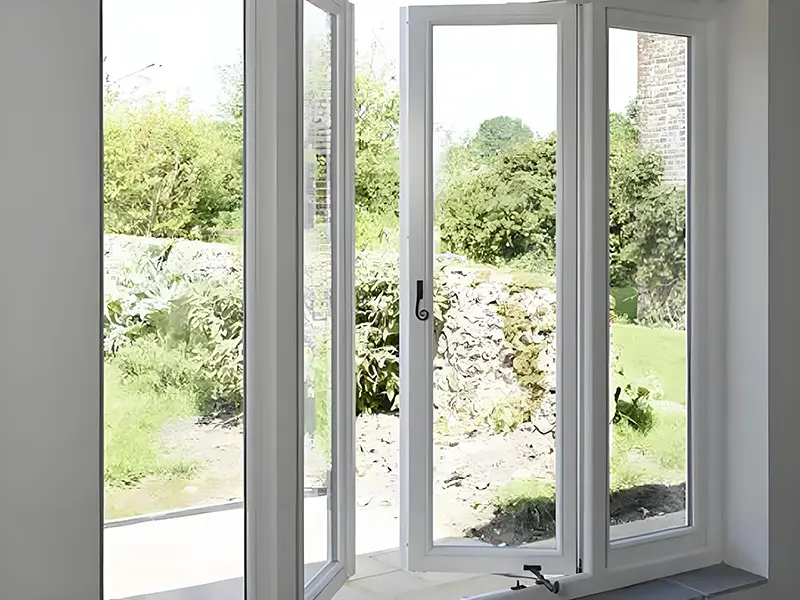
Many builders compare materials for high-wind installations. We analyze structural stability, thermal bridging, and long-term durability parameters...
Read Article →In-house quality control testing and visual verification procedures across our production lines.
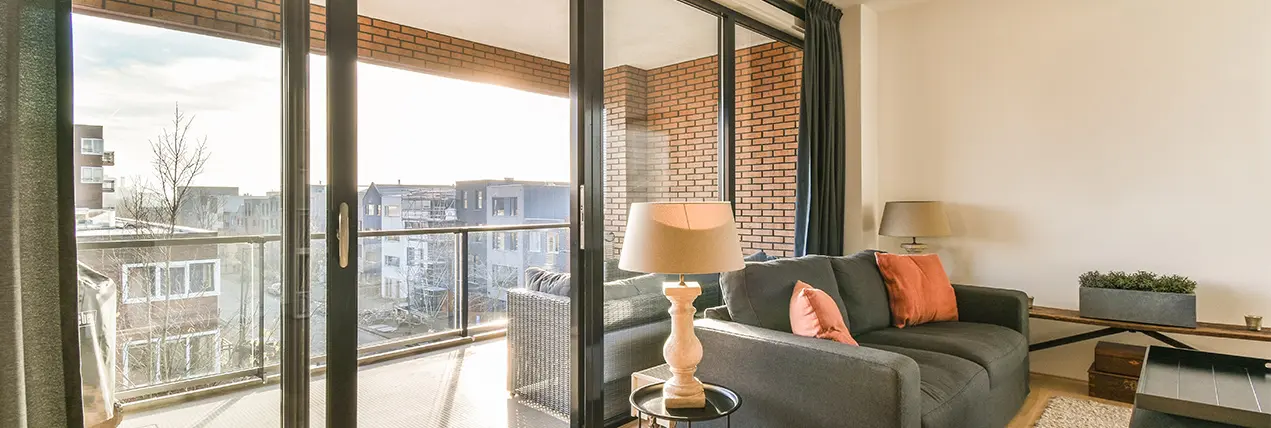


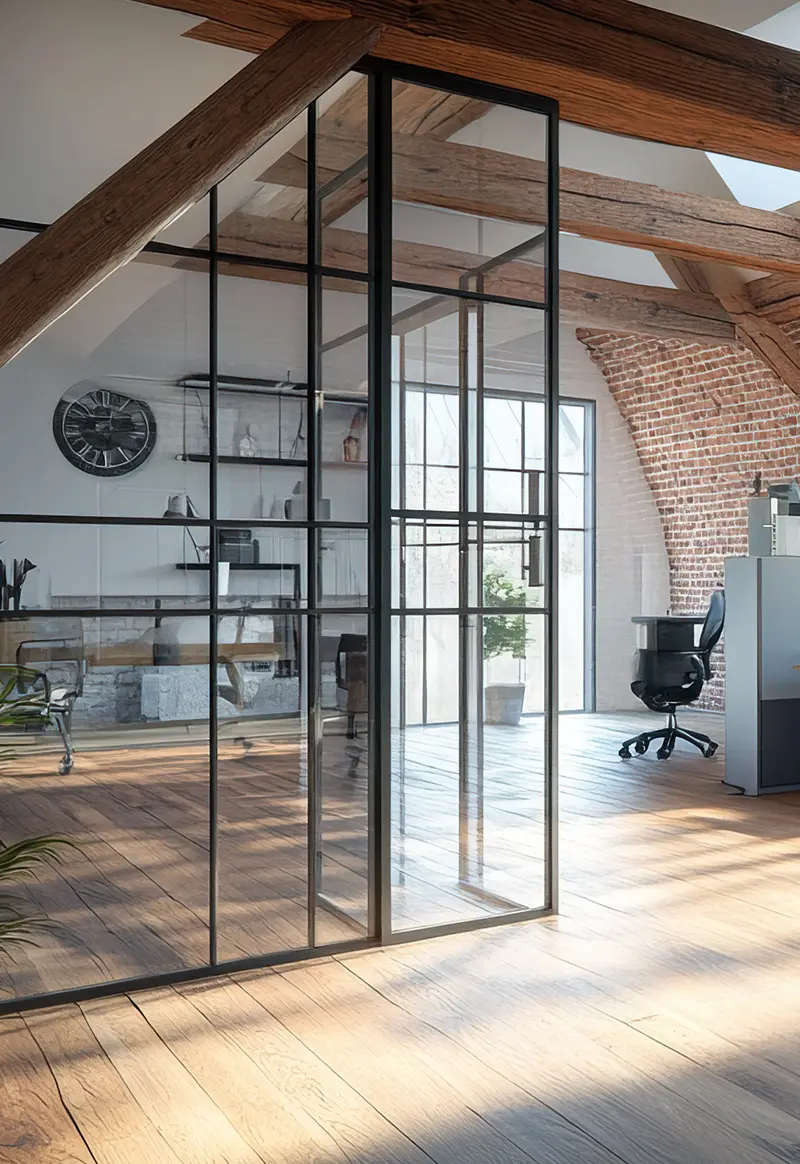
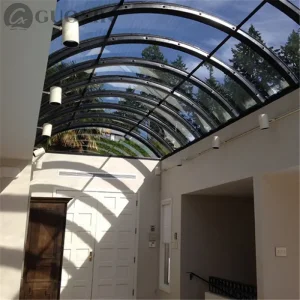
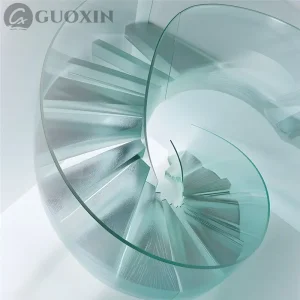
Our extended catalog of certified architectural glass, including low-E double glazing, curved tempered options, and specialized laminates.
Need comprehensive project specifications, load test data, or custom pricing calculations for Melbourne commercial projects?
Send Inquiry Now Guoxin