Engineered for Japan's rigorous architectural demands, these core insulating glass systems combine superior thermal protection with mechanical reliability.
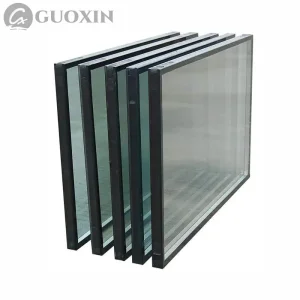
Fully customizable double and triple glazed units engineered to meet Japanese Industrial Standard (JIS R 3209) parameters for commercial developments.
Low-E glass units optimized with Argon gas filling, reducing thermal transmittance (U-value) down to ZEH and ZEB compliance levels.
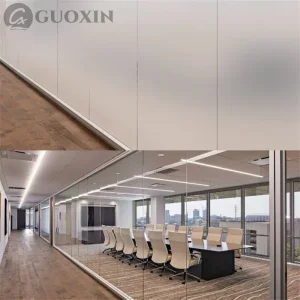
Switchable PDLC privacy smart glass, integrating light transmission control and dynamic partition designs for modern office spaces.
Cost-efficient structural double-glazing designed to handle heavy snow loads and harsh seasonal temp drops in Tohoku and Hokkaido regions.
Decoding Japan's strict regulatory framework for insulating glass components (JIS compliance, seismic displacement, and energy optimization).
In accordance with Japan’s Ministry of Economy, Trade and Industry (METI) objectives, new construction targets have shifted towards **ZEH (Net Zero Energy House)** and **ZEB (Net Zero Energy Building)** configurations. Insulated glass units (IGUs) must achieve highly specific thermal performance limits. Typical Japanese zoning categorizes the nation into 8 distinct climatic areas. In Regions 1 to 3 (Northern Japan/Hokkaido), standard double-glazing is frequently replaced by triple-pane structures with double Low-E coatings and Xenon/Argon gas fills to drive U-values down below 1.2 W/m²K.
Given the high frequency of seismic events in Japan, structural glazing demands dynamic testing metrics. Insulated glass panel installations must absorb inter-story drift (displacement angle test JIS A 1516). The glass panels cannot shift, fracture, or fall out of the sash under cyclic displacement forces. Additionally, coastal typhoon conditions require structural calculations checking dynamic wind pressures exceeding 3.0 kPa. High-strength tempered or laminated outer panes are utilized to mitigate wind and debris impact hazards.
Article 64 of the Building Standards Act of Japan outlines fire-preventive windows for commercial and residential zones. In designated urban centers, glass facade panels must act as structural fire barriers. Double-glazed configurations with wire-mesh glass or specially treated heat-soaked glass panels are necessary to halt the spread of flames while preserving insulating performance.
Comparing global glass manufacturing capacities with localized execution metrics to ensure high-performance product integration.
Global architectural glass supply networks utilize automated glass cutting, handling, and advanced robotic sealing systems. By utilizing advanced coating technologies such as triple-silver Low-E and thermoplastic spacer (TPS) lines, manufacturers can scale production while maintaining tight geometric tolerances. For the Japanese market, this means accessing advanced technological specifications at cost-optimized manufacturing rates.
Importing high-performance glass to Japan requires alignment with local customs, dock handling protocols, and onsite verification processes. Quality control engineers oversee the transport of glass crates, ensuring they arrive undamaged and with minimal pressure-differential distortion (preventing Newton’s ring optical anomalies during long sea transit).
Jiangsu Guoxin Glass Co., Ltd. brings two decades of manufacturing leadership, serving as a trusted supplier of engineered facade systems across the Asia-Pacific region.
Founded in 2006, Jiangsu Guoxin Glass Co., Ltd. has established a 20-year track record as a prominent fabricator in the architectural glass industry. Our state-of-the-art facility integrates advanced research, automated production, and comprehensive quality assurance to deliver energy-efficient glazing solutions worldwide. We specialize in structural aluminum window systems, fireproof glazing, high-strength laminated structures, and high-performance insulated glass panels.
Our manufacturing plant features high-speed cutting lines, automated spacer bending machines, robotic primary sealing systems, and inline gas filling stations to ensure uniform gas concentration (>90% Argon). To meet the strict quality standards of Japanese builders, every production batch undergoes extensive quality testing, including dew point analysis, edge dimension checks, and polariscope evaluations for stress uniformity.
Explore our core product ranges, including window sashes and advanced safety glass solutions, designed for commercial and high-end residential applications.

High-precision aluminum extrusion profiles paired with integrated thermal break designs to optimize overall building envelope thermal performance.
Monolithic and insulated fire-rated glass engineered to resist thermal shock and contain flames in accordance with global building codes.
Engineered with high-tensile PVB or SGP interlayer sheets to provide acoustic control, UV filtering, and anti-shatter security protection.
High-performance double and triple-glazed units filled with high-density Argon gas to significantly reduce heating and cooling costs.
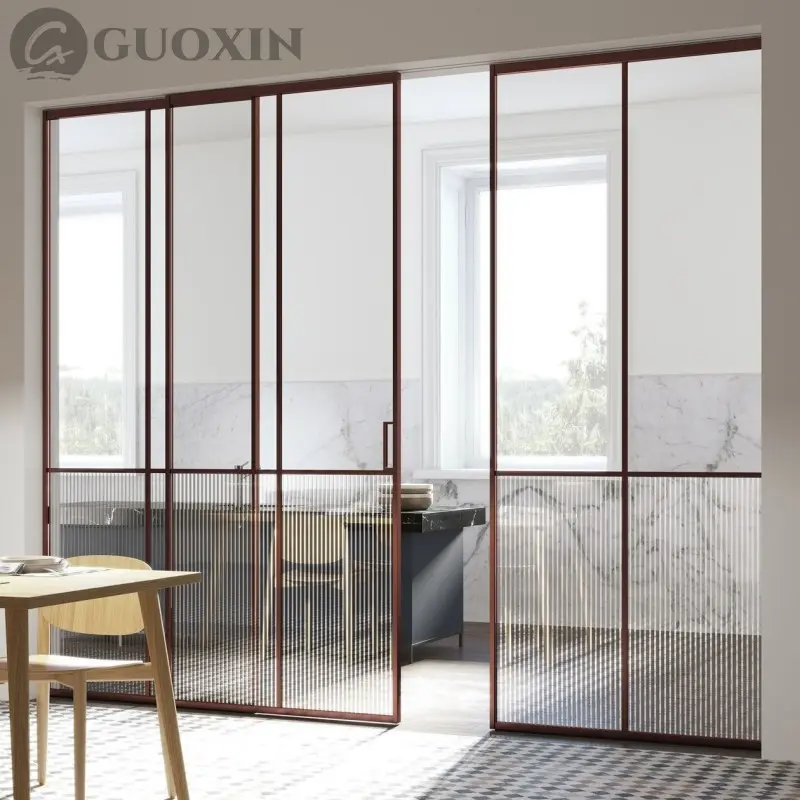
Engineered for large openings, combining slim aluminum profiles with heavy-duty rollers for smooth, reliable operation.
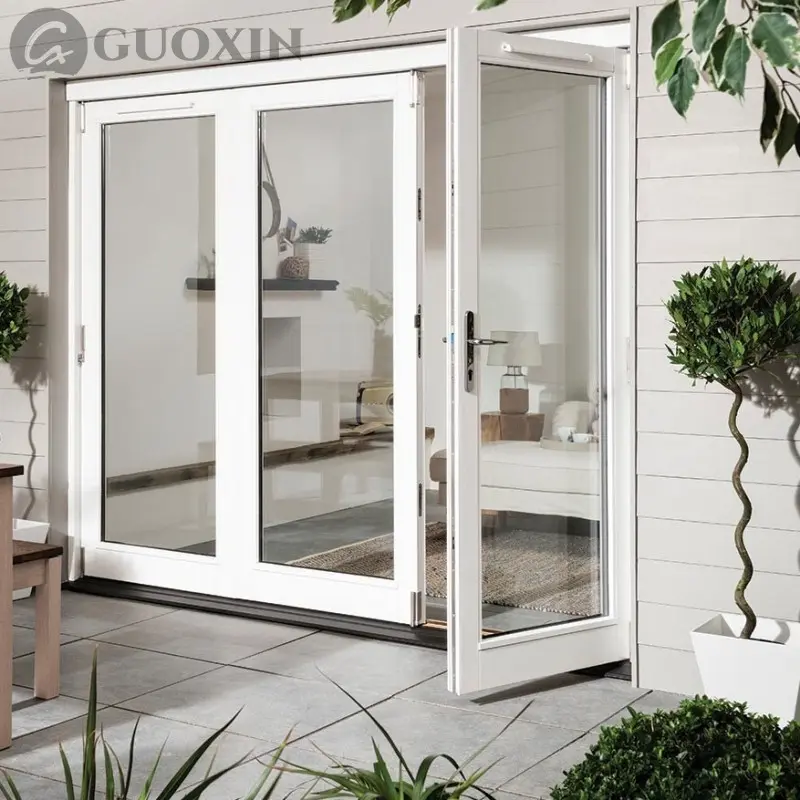
Heavy-duty structural hinged doors featuring multi-point locking mechanisms to maximize weatherproofing and physical security.
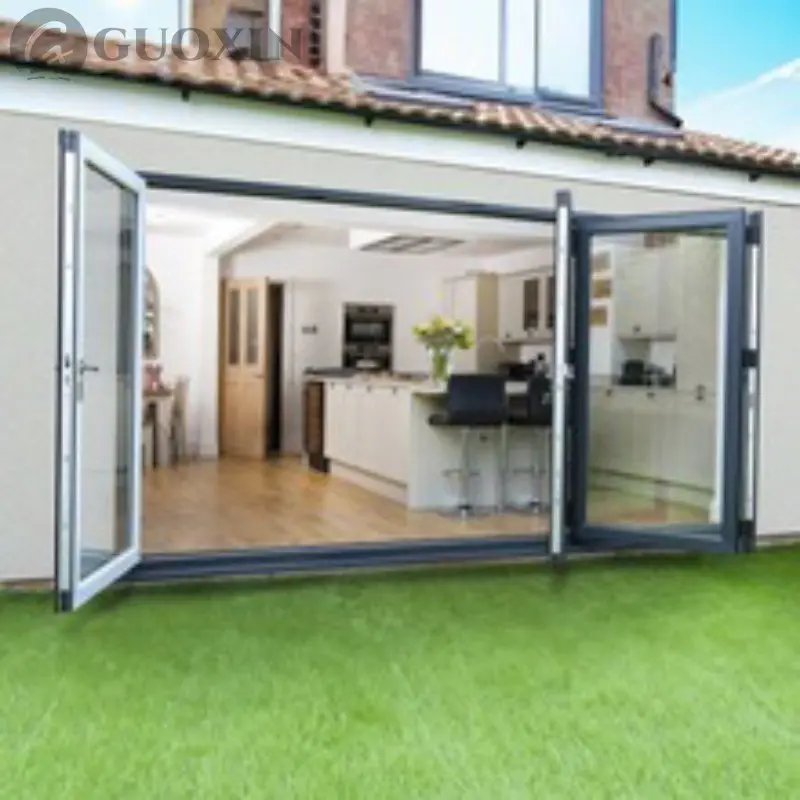
Designed to maximize transition zones, allowing indoor areas to merge seamlessly with outdoor patios or commercial courtyards.
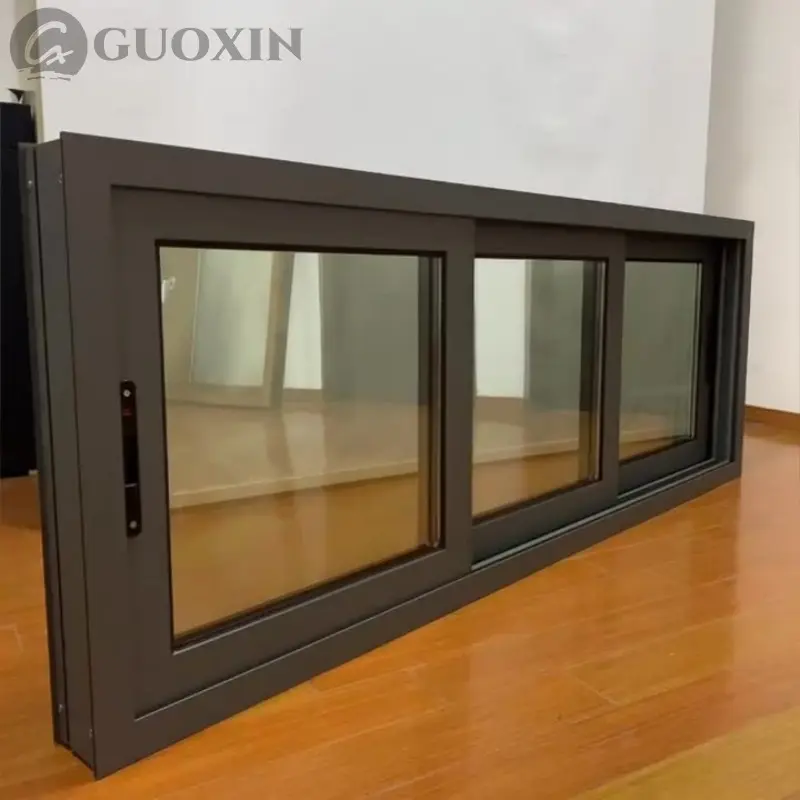
Equipped with specialized weather-stripping and dynamic water drainage paths to withstand typhoons and coastal storms.
"Quality First, Customer First, and Credit-Based." We provide comprehensive architectural customization services, from structural wind load calculations and glass thickness optimization to customized spacer setups, ensuring seamless integration with building envelope designs.
Understanding the technical parameters behind thermal transmittance, solar control properties, and structural spacer technology.
| Configuration Type | U-Value (W/m²K) | Light Transmittance | SHGC (Solar Factor) | Acoustic R-Value (dB) |
|---|---|---|---|---|
| 6mm Clear + 12mm Air + 6mm Clear | 2.7 | 79% | 0.70 | 32 dB |
| 6mm Low-E + 12mm Argon + 6mm Clear | 1.6 | 68% | 0.42 | 34 dB |
| 6mm Low-E + 16mm Argon (TPS) + 6mm Clear | 1.3 | 65% | 0.38 | 35 dB |
| 6Low-E + 12Ar + 6Clear + 12Ar + 6Low-E (Triple Glazed) | 0.8 | 52% | 0.28 | 40 dB |
As Japan moves toward its 2030 climate-neutral commitments, structural requirements are driving the transition from gas-filled double-glazing to **Vacuum Insulated Glass (VIG)**. By removing the gas layer entirely and creating a vacuum chamber (under 0.1 Pa), heat transfer is minimized. A VIG unit can achieve a center-of-glass U-value of 0.6 W/m²K in a profile thickness similar to a standard single pane, matching the performance of triple-pane units while reducing weight and frame-depth requirements.
Traditional aluminum spacers create thermal bridges along the edge of the glass, leading to condensation issues in cold climates. Our advanced **Thermoplastic Spacer (TPS)** systems replace metal components with organic, warm-edge compounds containing integrated desiccants. This technology reduces heat transfer at the glass edge by up to 60%, helping prevent condensation and mold growth while extending the service life of the seal.
Incorporating subsurface laser engraving technology for custom landscaping, trophies, and premium architectural glass designs.
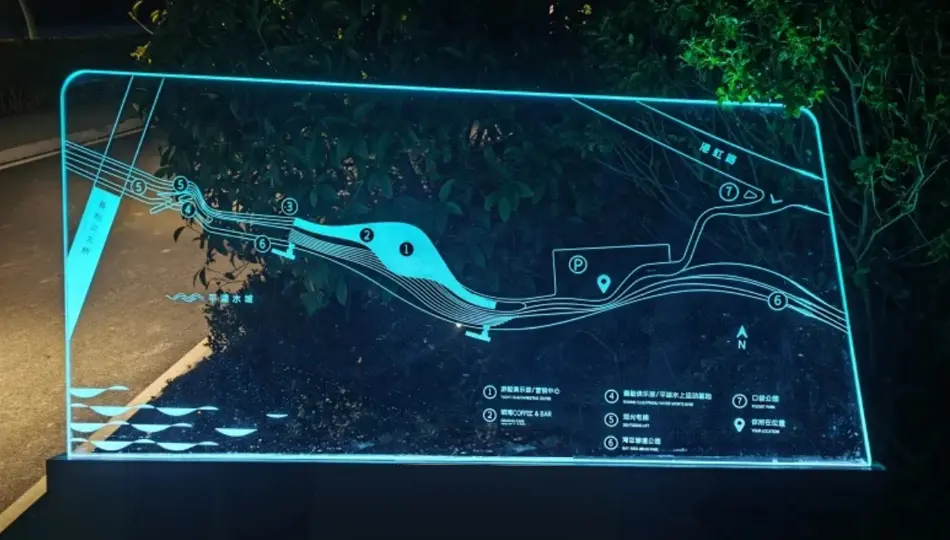
Structural safety glass utilizing deep laser engraving to display public signs, maps, and decorative patterns in high-traffic city squares.
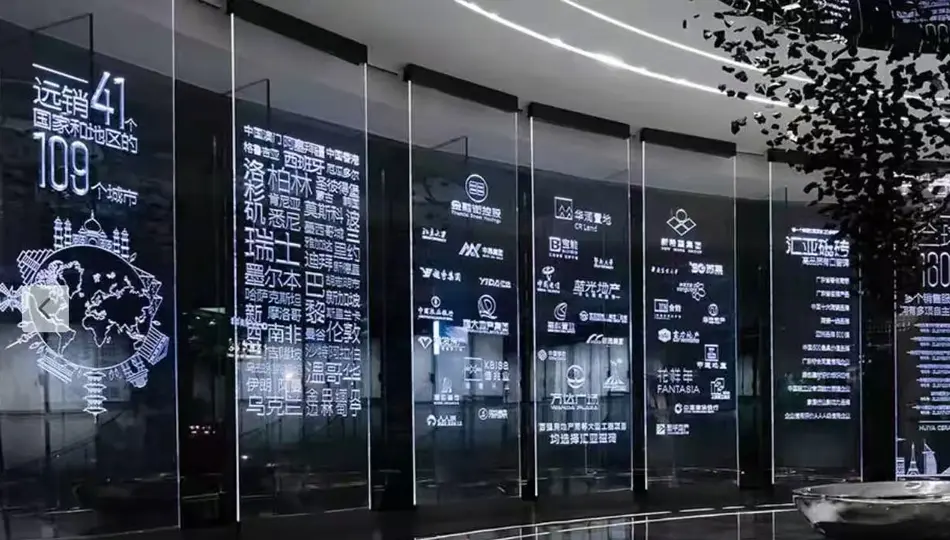
High-precision internal engraving designed for partitions, door inserts, and corporate branding elements without compromising glass surface strength.
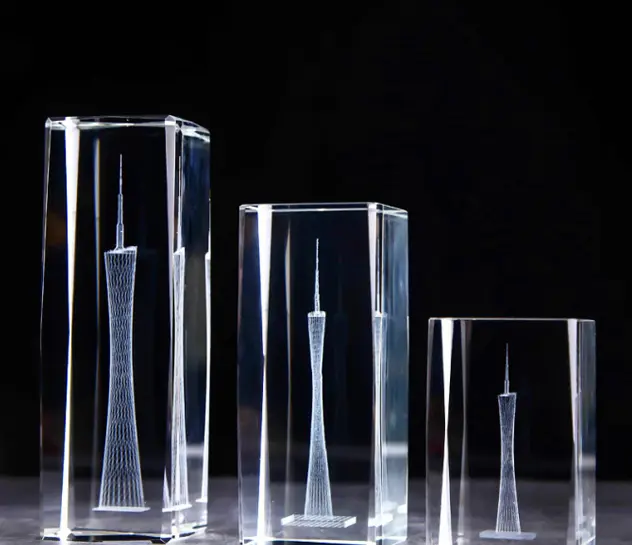
Artistic glass ornaments featuring complex three-dimensional geometries engraved inside optical-grade crystal glass.
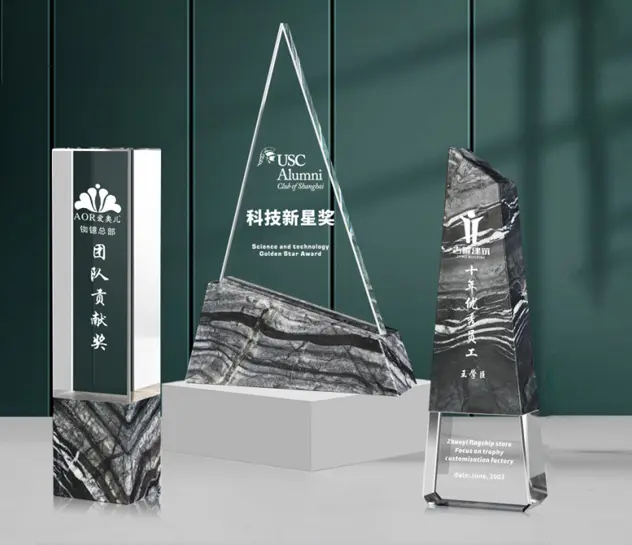
Custom-made corporate trophies featuring precise logo reproduction and crisp geometric details.

Bespoke dynamic designs coordinating internal refractive micro-fractures to interact with architectural accent lighting.
Highlighting notable high-performance glazing installations in both domestic and international markets.
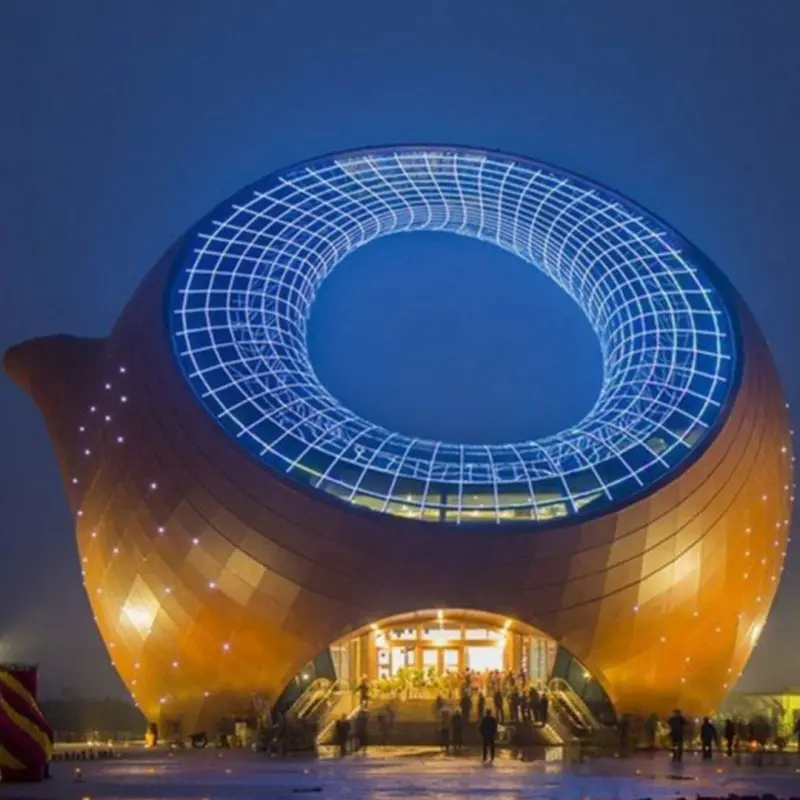
Recognized as a major architectural landmark, this building stands 38.8 meters high. It features curved aluminum framing and customized stained glass panels, with each unit individually sized to fit the spherical geometry.
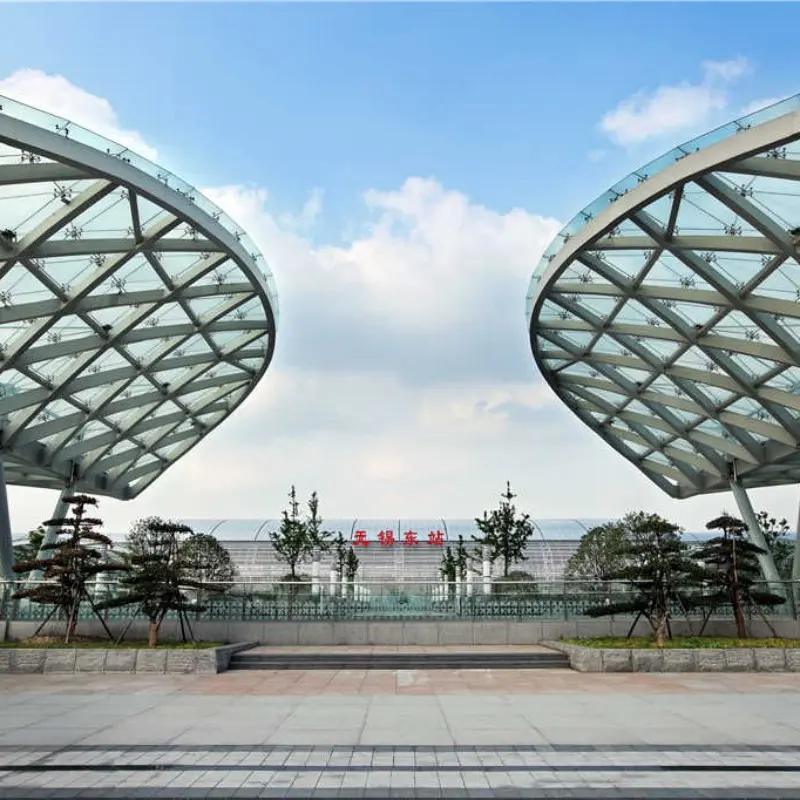
Originally constructed in 1989, the station underwent major renovations in 2005 and 2018. It features thousands of laminated safety glass panels, establishing it as a key double-sided elevated transit hub.

Standing at 450 meters tall, this 89-story skyscraper features a stepped building envelope. Our high-performance insulated glass panels were selected for the curtain wall to optimize thermal insulation at higher altitudes.
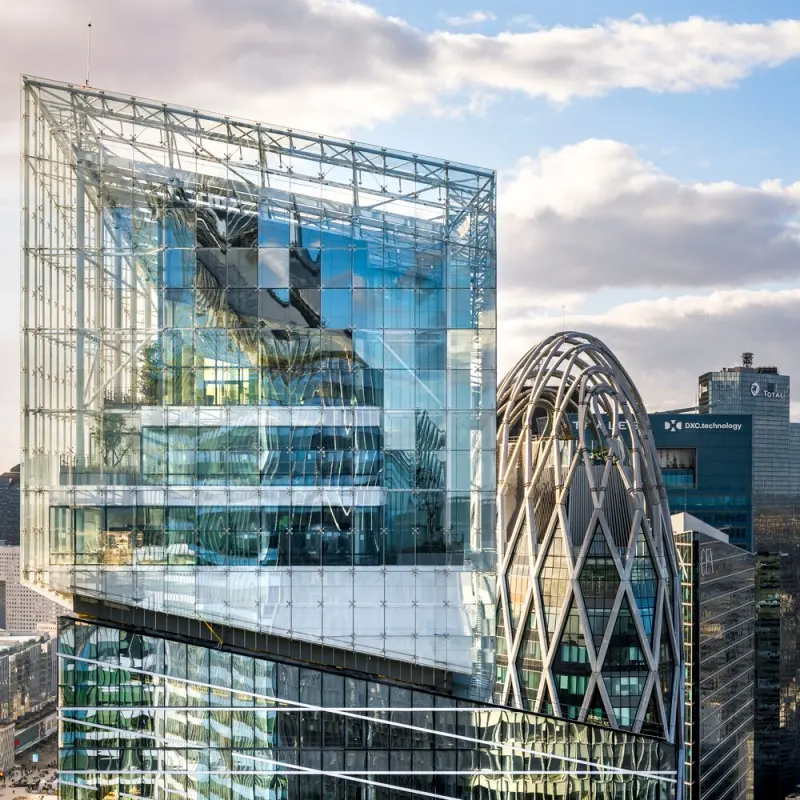
Developed in partnership with leading global architects to incorporate smart glass elements that adapt to changing exterior light conditions, reducing the need for traditional shading devices.
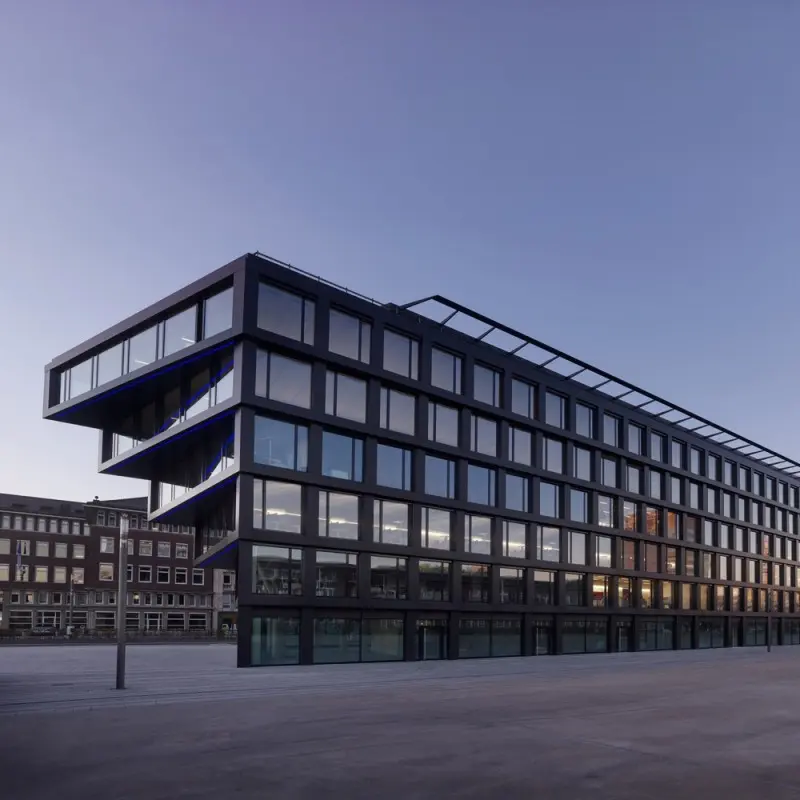
Integrated triple-glazed solar control systems with heat-recovery building design, helping the project achieve high thermal efficiency targets.
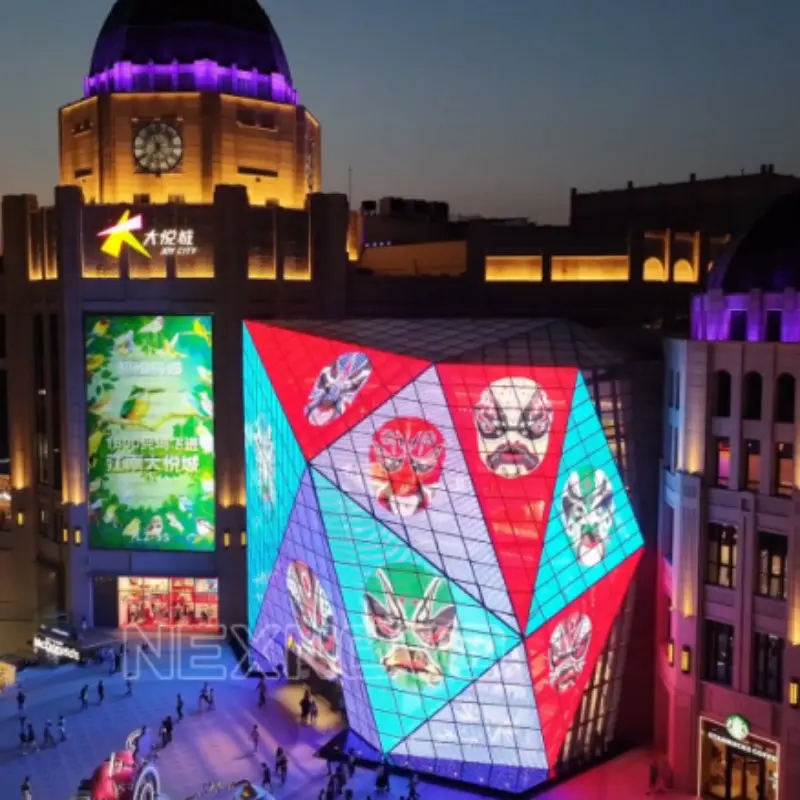
A modern retail development featuring integrated smart glass and custom-coated spandrels to enhance interior aesthetics and solar heat management.
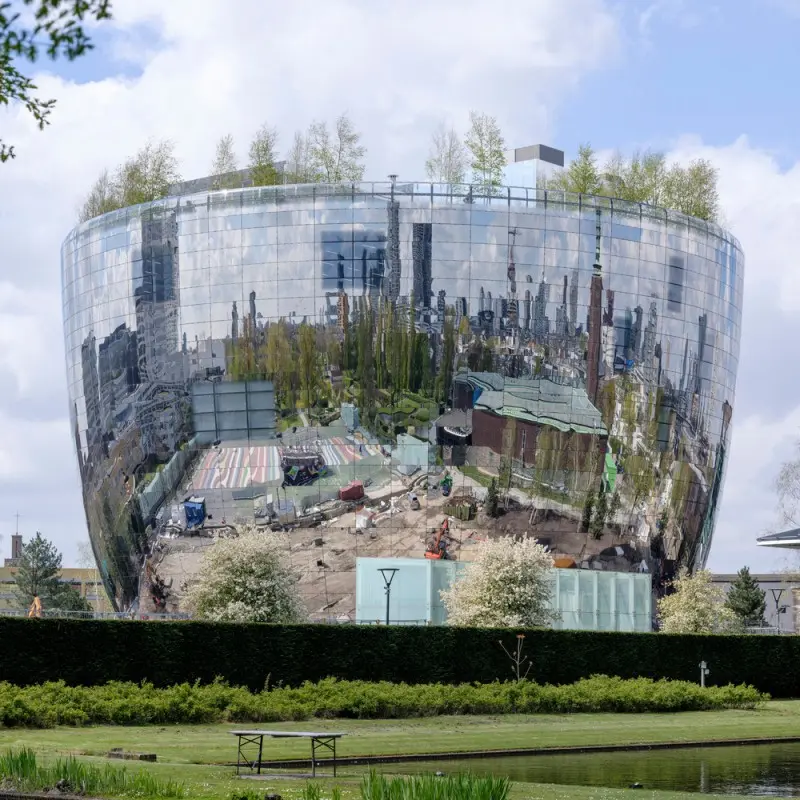
This public art facility features spherical reflective glass panels, helping integrate the 15,000-square-meter structure visually into its surrounding park environment.
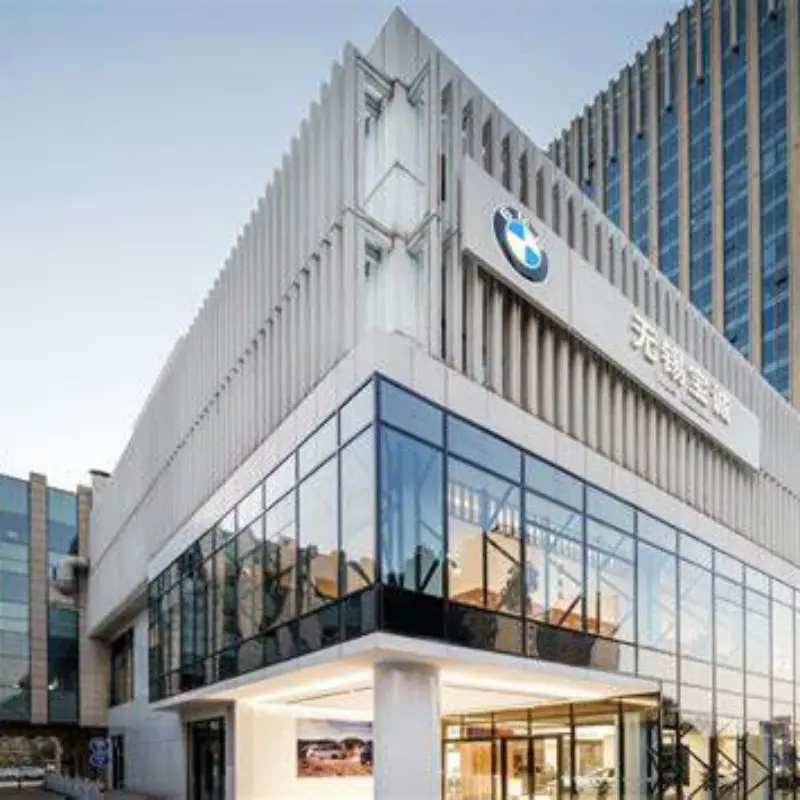
Large-format structural glass panes are utilized to maximize natural light and interior visibility while meeting target wind load parameters.
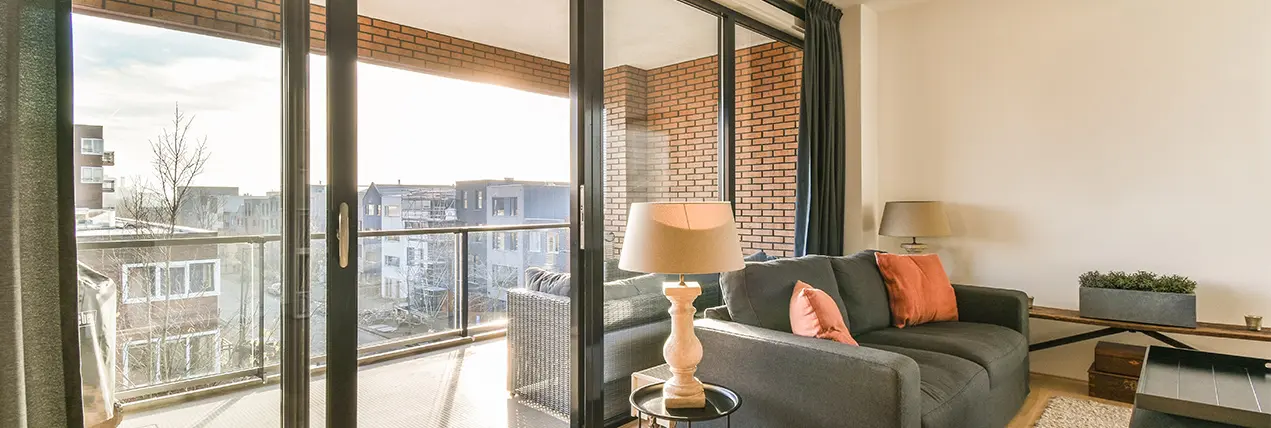


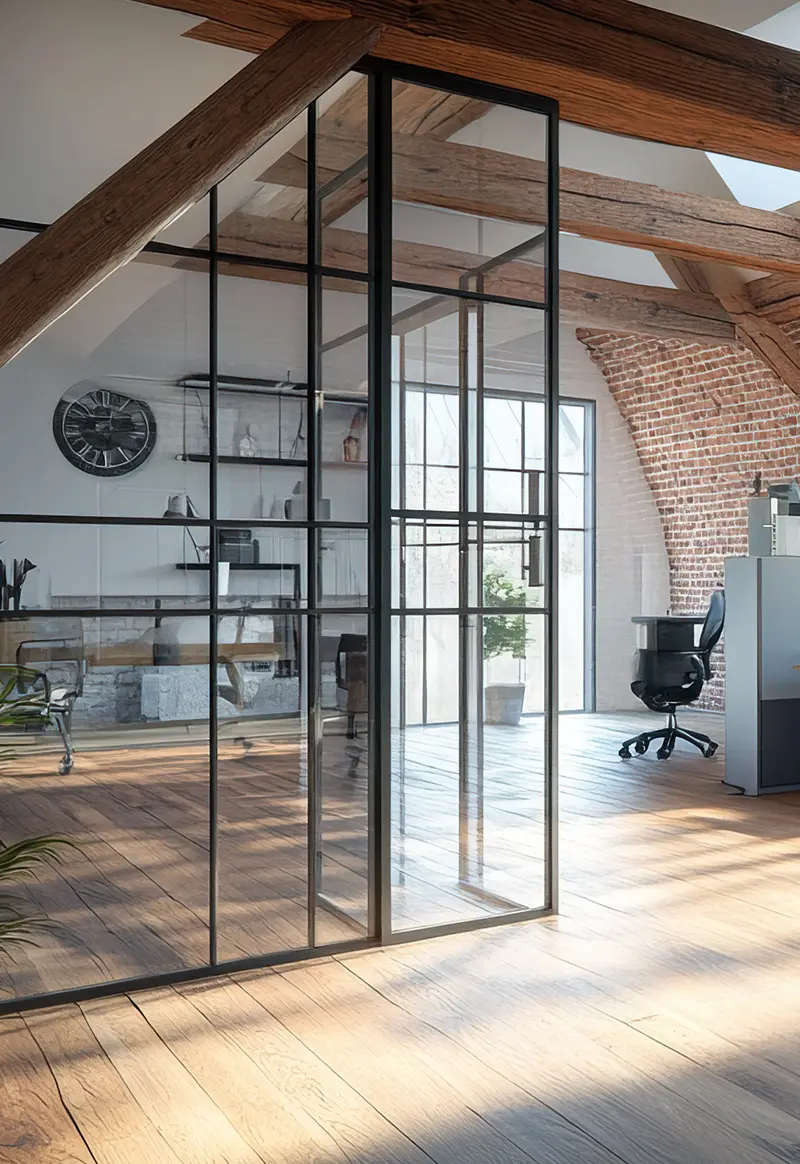
We effectively recognize the technical and performance needs of partners across various regulatory zones.
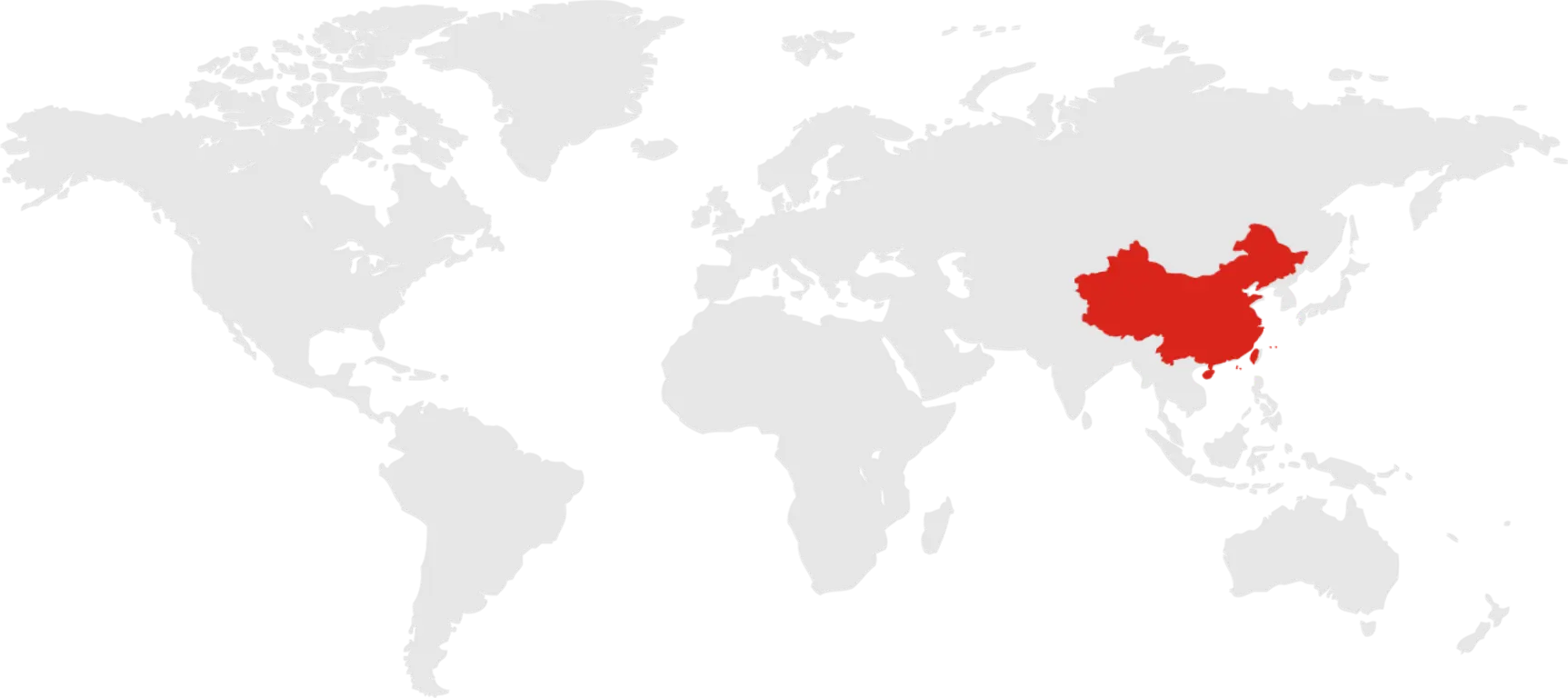
Our architectural glazing systems are engineered to meet the unique performance standards and environmental conditions of our international partner markets:
Our quality management systems are certified to meet ISO 9001:2015 standards. This guarantees consistent material sourcing, automated process control, and rigorous final performance testing for all projects.
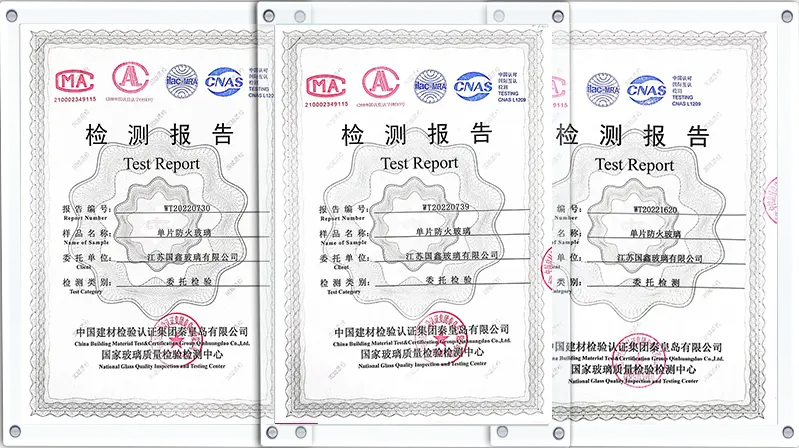
We maintain testing protocols to verify dew point performance, structural spacer adhesion, and argon gas retention rates over extended lifecycles.
Read Quality Certifications and Declarations →Technical analyses and guides written by our facade engineers to help you select glass options for your projects.
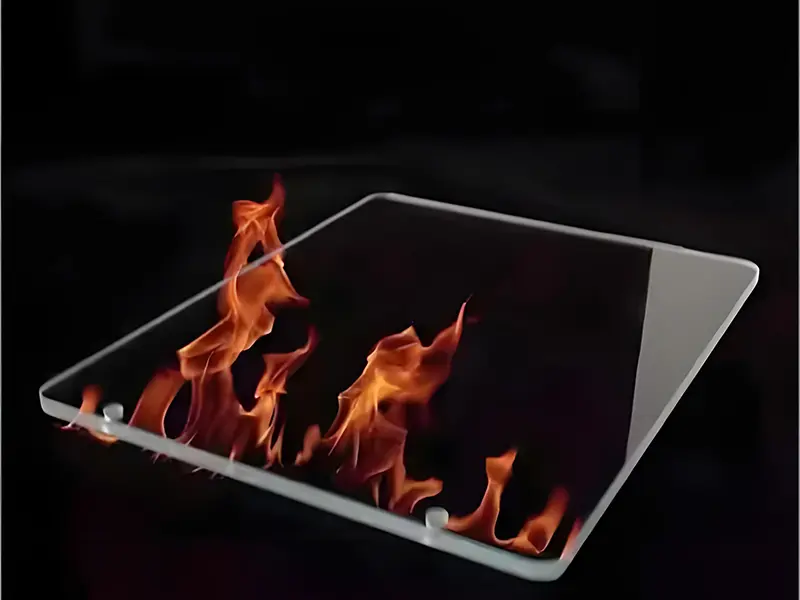
A guide outlining the differences between fireproof glass, fireproof coated glass, and traditional building materials to help you specify compliant solutions.
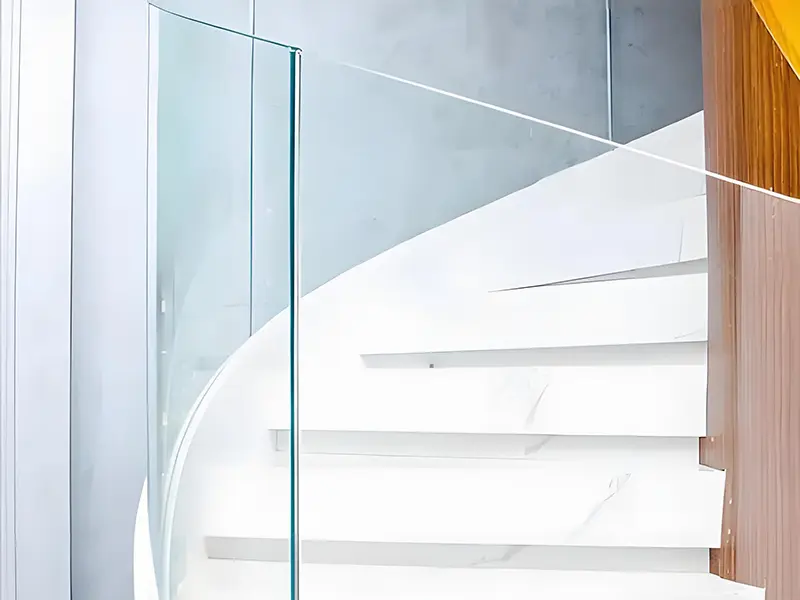
Analyzing the acoustic dampening, UV protection, and mechanical impact performance of polyvinyl butyral (PVB) and SGP interlayers in modern projects.
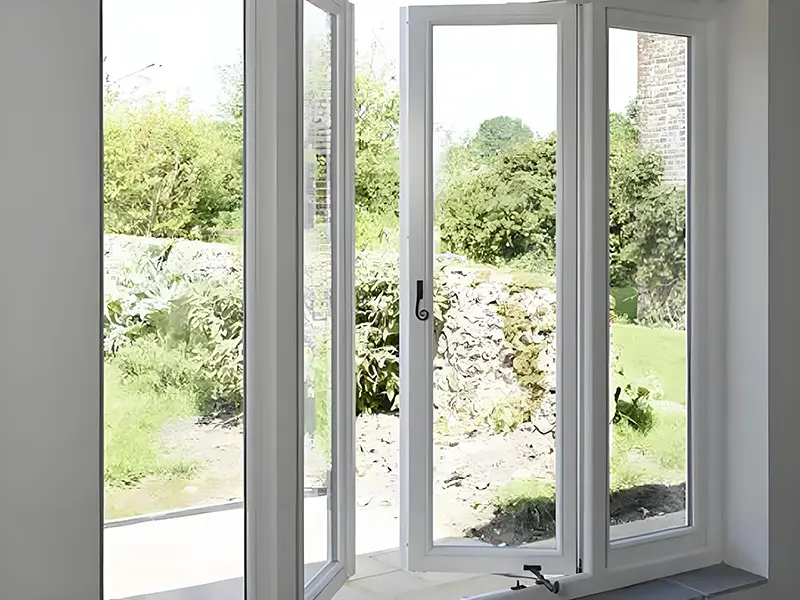
Evaluating structural stability, wind resistance, and thermal performance differences for casement window configurations.
Technical Article Focus: "How to match the thickness of Insulating Glass for home floor-to-ceiling windows to resist wind pressure better?"
Answering common technical questions regarding insulated glass configurations, Japanese building standards, and delivery logistics.
Additional custom solutions designed to meet specialized project requirements.
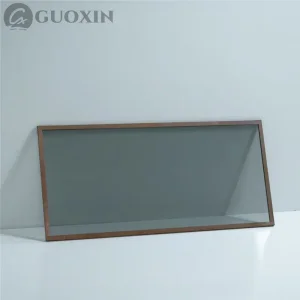
High-density lead protective glass designed for medical diagnostics and industrial laboratory facilities.
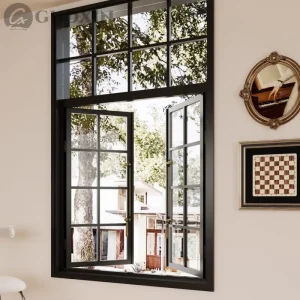
Classic swing-out window systems featuring double perimeter seals for wind and weatherproofing.
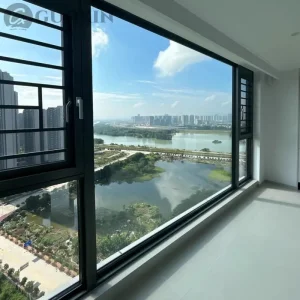
Designed for high-span viewports and architectural spandrel designs where ventilation is not required.
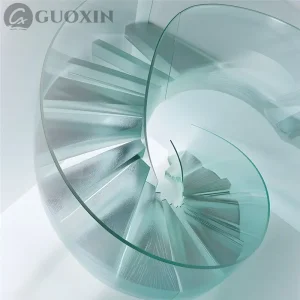
Thermally toughened curved glass panels designed for custom corners, skylights, and spiral architectural stairs.
Select from our certified range of windows, doors, and safety glass systems to meet your specific project needs.
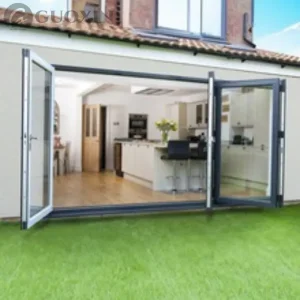
Space-efficient folding door profiles designed to maximize usable area in modern urban spaces.
Customizable sliding mechanisms designed to partition open layouts without sacrificing natural light.
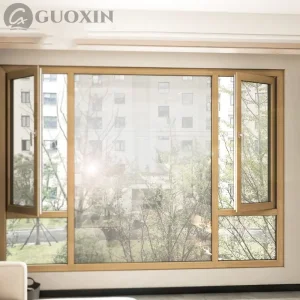
Dual-action hardware allows for secure tilt ventilation or swing opening for easy cleaning.
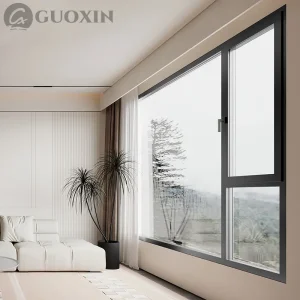
Engineered for wind-resistance and water tightness to withstand typhoon conditions.
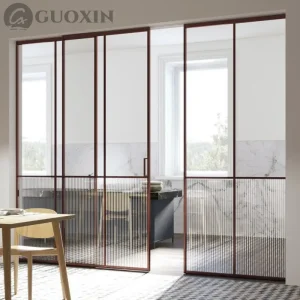
Slim profiles designed for clean transitions in high-end residential projects.
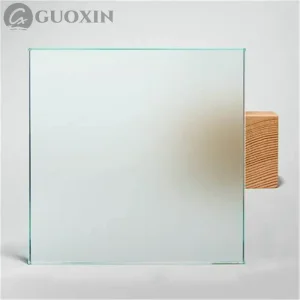
Acid-etched frosted glass provides light diffusion and privacy for partitions.
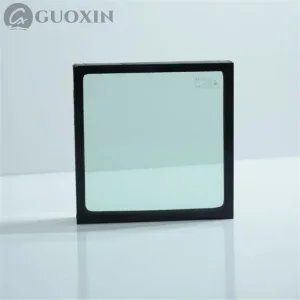
Specially formulated safety glass designed to help prevent flame spread in dense urban areas.
Multi-layered glass and polycarbonate systems engineered to resist high-velocity ballistic impacts.
 Guoxin