Engineered to withstand tropical sun, high humidity, and monsoon winds. Explore our primary architectural components below.
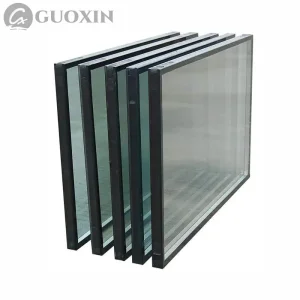
Custom double and triple glazing featuring structural spacer seals, low-emissivity coatings, and heavy-duty gas fills designed for commercial towers across Malaysia.
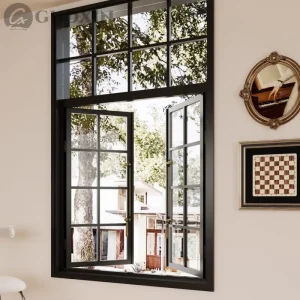
Reinforced profile frames matching international safety norms, ideal for private villas and high-end residential towers in Kuala Lumpur and Johor.
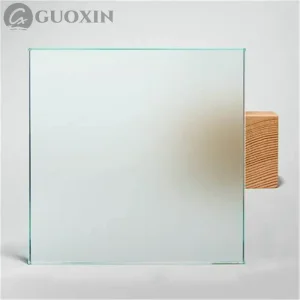
Perfect for corporate offices, partition walls, and modern building lobbies in Petaling Jaya and Penang. Highly customizable patterns and light transmittance options.
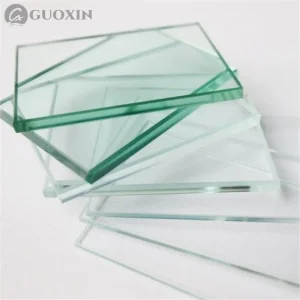
Impact-resistant, thermal stress-tested toughened glass. Meets strict Malaysian building safety codes for balustrades, storefronts, and glass roofs.
An in-depth exploration of double glazing technology, energy efficiency metrics, climate adaptations, and green regulatory compliances.
In the era of climate adaptation and green building regulations, the Malaysian construction sector is undergoing a major technological transformation. Historically dominated by single-pane monolithic glass, commercial and high-end residential developments in Kuala Lumpur, Penang, Johor Bahru, and other urban hubs are rapidly shifting toward high-performance Insulated Glass Units (IGUs). This evolution is catalyzed by the Malaysian Government’s commitment to achieving net-zero greenhouse gas emissions by 2050, alongside stringent building energy codes like MS 1525 (Code of Practice on Energy Efficiency and Use of Renewable Energy for Non-Residential Buildings).
Insulated Glass Units (commonly known as double glazing) serve as the primary defensive barrier against solar heat gain, reducing carbon emissions by optimizing HVAC load requirements. By sandwiching a low-conductivity gas layer—such as dry air or Argon—between two or more glass lites, IGUs achieve thermal transmittance values (U-values) and Solar Heat Gain Coefficients (SHGC) that single-pane glass simply cannot match. For building owners, architects, and developers in Malaysia, choosing a reliable, technologically advanced insulated glass factory is not merely a supply-chain decision; it is a critical strategy for project viability, regulatory compliance, and long-term cost containment.
On a global scale, the architectural glass industry is shifting from simple structural enclosures to active, energy-efficient facades. Key innovations include:
As these global technologies mature, leading manufacturers like Jiangsu Guoxin Glass Co., Ltd. integrate these innovations directly into regional supply chains, ensuring developers in Malaysia have access to the latest energy-saving technology without global procurement delays.
Typical solar and thermal performance metrics observed under Malaysia's high solar irradiance (approx. 800-1000 W/m²):
| Glazing Configuration | U-Value (W/m²·K) | SHGC (Solar Heat Gain) | Visible Light Transmittance (VLT) | Acoustic Performance (STC) |
|---|---|---|---|---|
| 6mm Clear Monolithic Glass | 5.8 - 6.0 | 0.81 - 0.83 | 88% - 90% | 29 - 31 dB |
| 6mm Clear Low-E Monolithic | 3.8 - 4.2 | 0.60 - 0.65 | 75% - 80% | 31 - 33 dB |
| 6mm + 12A + 6mm Standard IGU | 2.6 - 2.8 | 0.70 - 0.72 | 78% - 82% | 35 - 38 dB |
| 6mm Low-E + 12Ar + 6mm Premium IGU | 1.4 - 1.8 | 0.30 - 0.42 | 55% - 68% | 38 - 42 dB |
The demand for insulated glass in Malaysia is closely tied to the country's economic and urban development. High-density zones such as the Klang Valley (Kuala Lumpur, Selangor), Penang Island, and the Johor-Singapore Special Economic Zone (JS-SEZ) are seeing a surge in green buildings. Rating frameworks like the **Green Building Index (GBI)**, **GreenRE**, and the internationally recognized **LEED** certification place heavy weight on Overall Thermal Transfer Value (OTTV) calculations. Under Malaysian Standard MS 1525, the OTTV limit for building envelopes is capped at 50 W/m² (and is trending lower in newer revisions). High-performance double-glazed facades are the most effective way to meet these limits.
In addition to new constructions, retrofit initiatives for older skyscrapers in Kuala Lumpur’s Golden Triangle are picking up speed. Replacing older single glass panels with light-weight, high-efficiency insulated glass upgrades structural energy efficiency without requiring a complete redesign of existing facade anchors. This represents a major market opportunity for factories that can supply custom-sized, highly reliable double glazing units tailored for local building conditions.
Manufacturing insulated glass for tropical environments like Malaysia presents unique engineering challenges compared to temperate zones:
High-performance insulated glass units are designed to meet diverse architectural needs across Malaysia:
To succeed in the Malaysian market, compliance with local architectural standards is critical. The Department of Standards Malaysia sets strict guidelines for safety and durability. For structural glass installations, products must align with MS 1498 (Safety Glass in Buildings). Reliable manufacturers ensure their products meet or exceed these standards through testing by certified third parties like SIRIM QAS International.
At Jiangsu Guoxin Glass, our production process aligns with international quality frameworks. By maintaining ISO 9001:2015 certification, we ensure every insulated glass unit undergoes rigorous checks, including dew-point monitoring, gas-fill density testing, and spacer adhesion checks. This commitment to quality ensures structural safety, performance, and long-term reliability for developers and architects alike.
Our state-of-the-art production facility houses multiple advanced production lines, each equipped with cutting-edge technology to manufacture a comprehensive range of structural glass solutions.

High-precision framing engineered to house insulated glass panels. Provides thermal insulation, structural strength, and smooth operation under tropical weather conditions.
Specially manufactured fire-rated glass configurations engineered to contain heat and flames, meeting local building safety regulations in Malaysia.
Multi-layered safety glass utilizing PVB or SGP interlayers. Provides reliable protection against forced entry, heavy impacts, and high winds in high-rise buildings.
Our premium glass solutions are installed in landmark structures worldwide, demonstrating our engineering capabilities for large-scale developments.
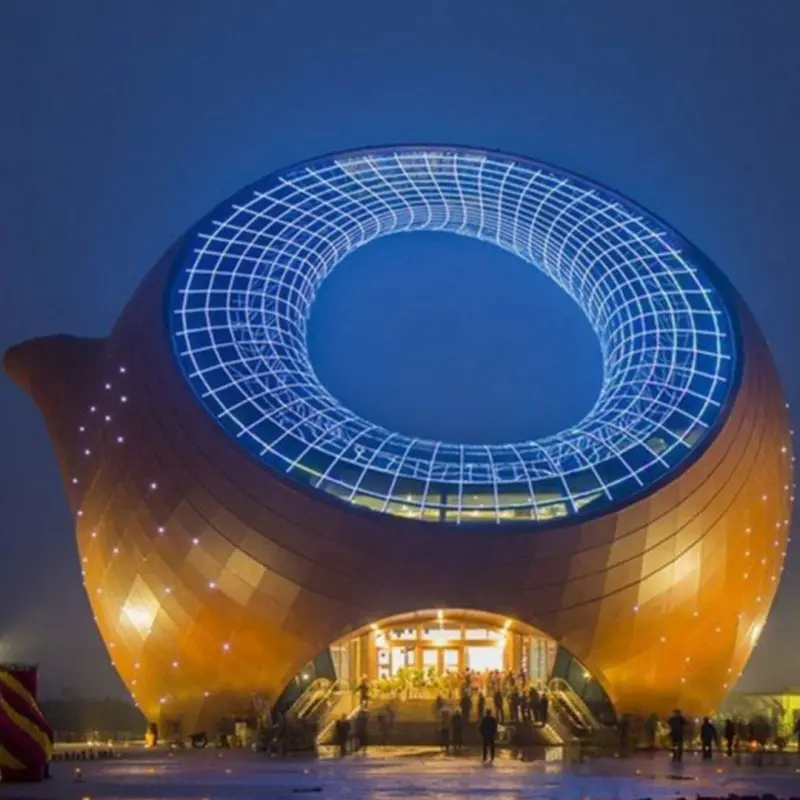
An architectural structure clad in custom-shaped stained glass and structural aluminum panels, showcasing precision fabrication.
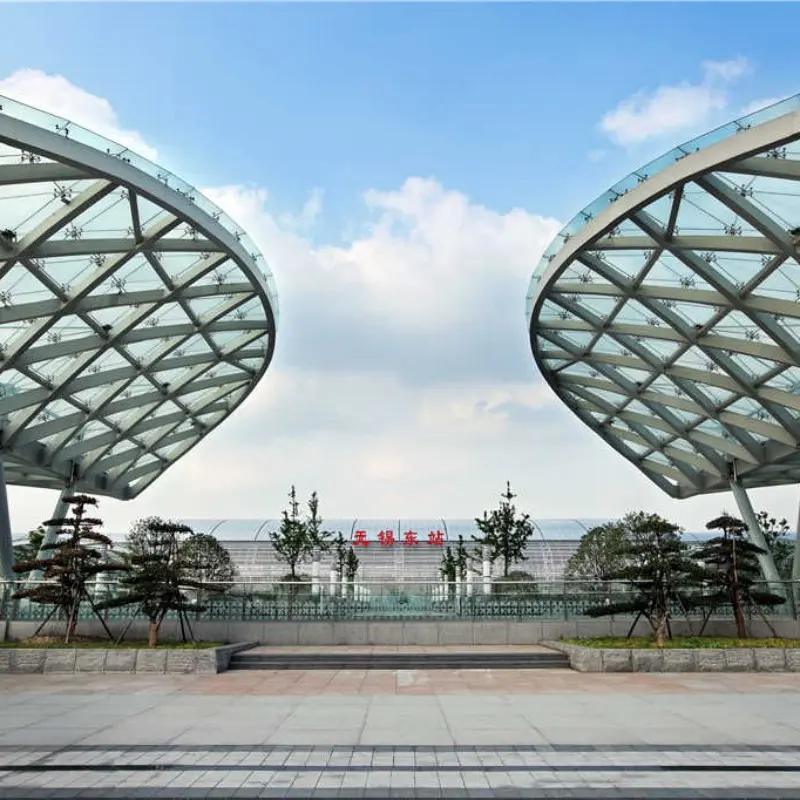
A major transit infrastructure featuring thousands of laminated glass units, providing thermal efficiency and passenger safety.

One of the tallest buildings globally, utilizing high-performance double-glazed insulated units for wind load resistance and energy savings.
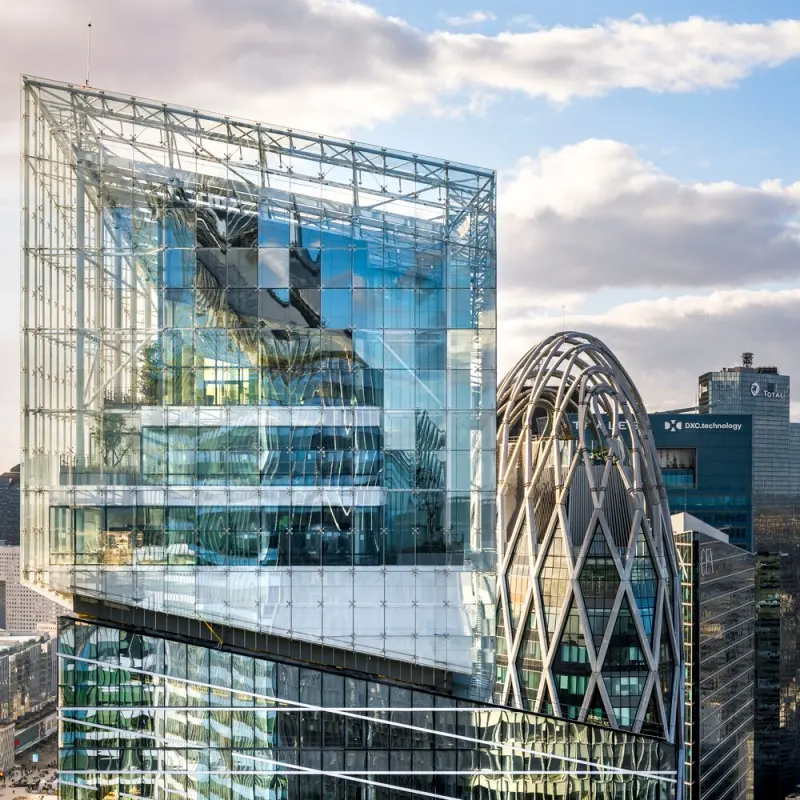
Custom structural glass facades matching strict design standards for modern office complexes.
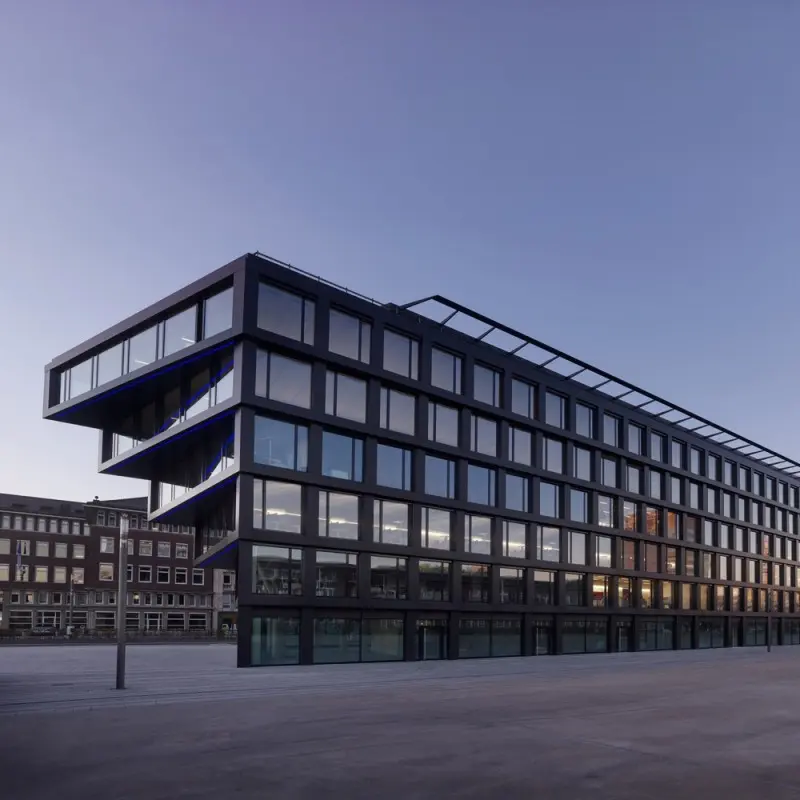
Architectural glass integration combining aesthetics with environmental performance in urban settings.
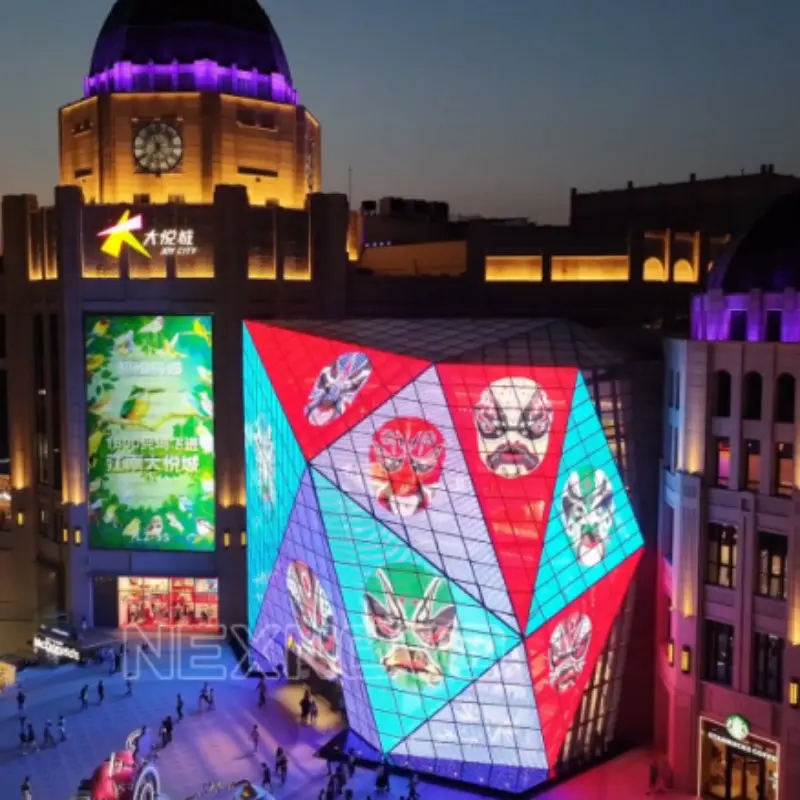
A commercial complex featuring modern smart glass technology for dynamic facade displays and energy management.
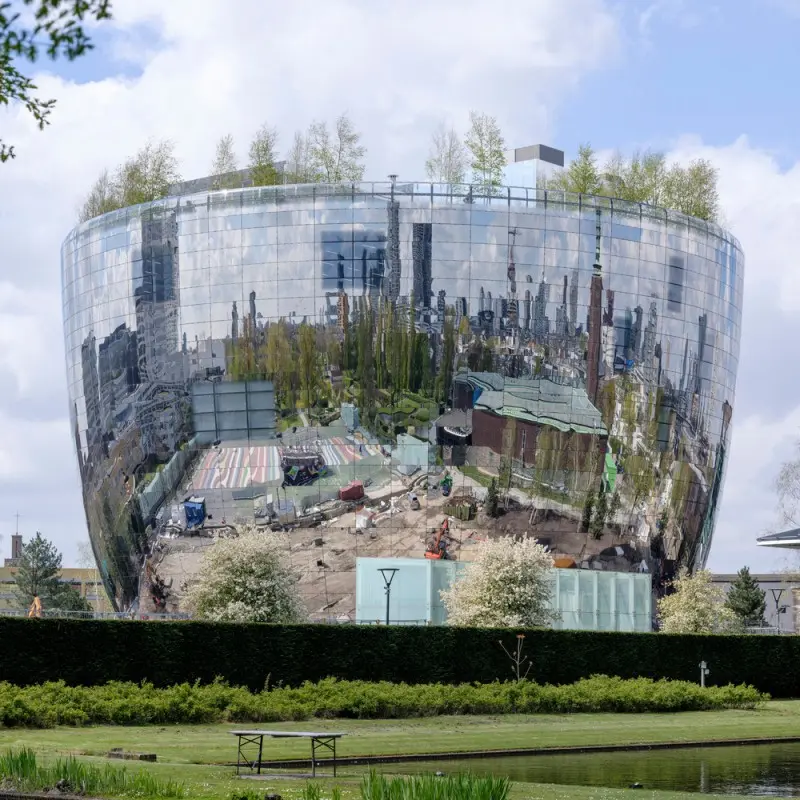
A unique spherical museum building clad in curved reflective glass panels to integrate with the surrounding environment.
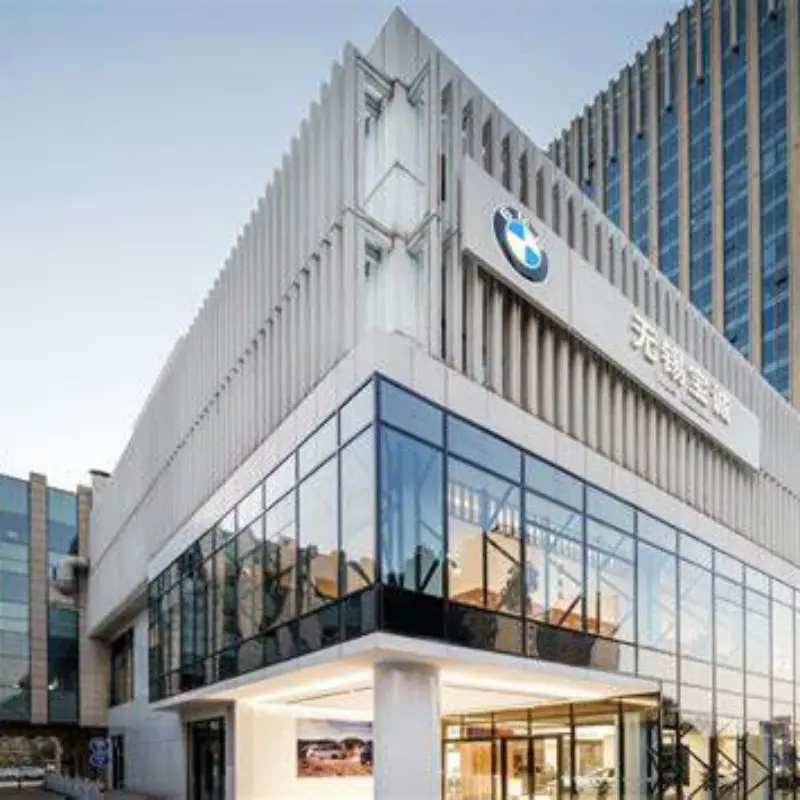
Clean-span, large-format reflective glass panels highlighting brand style while maintaining interior climate control.
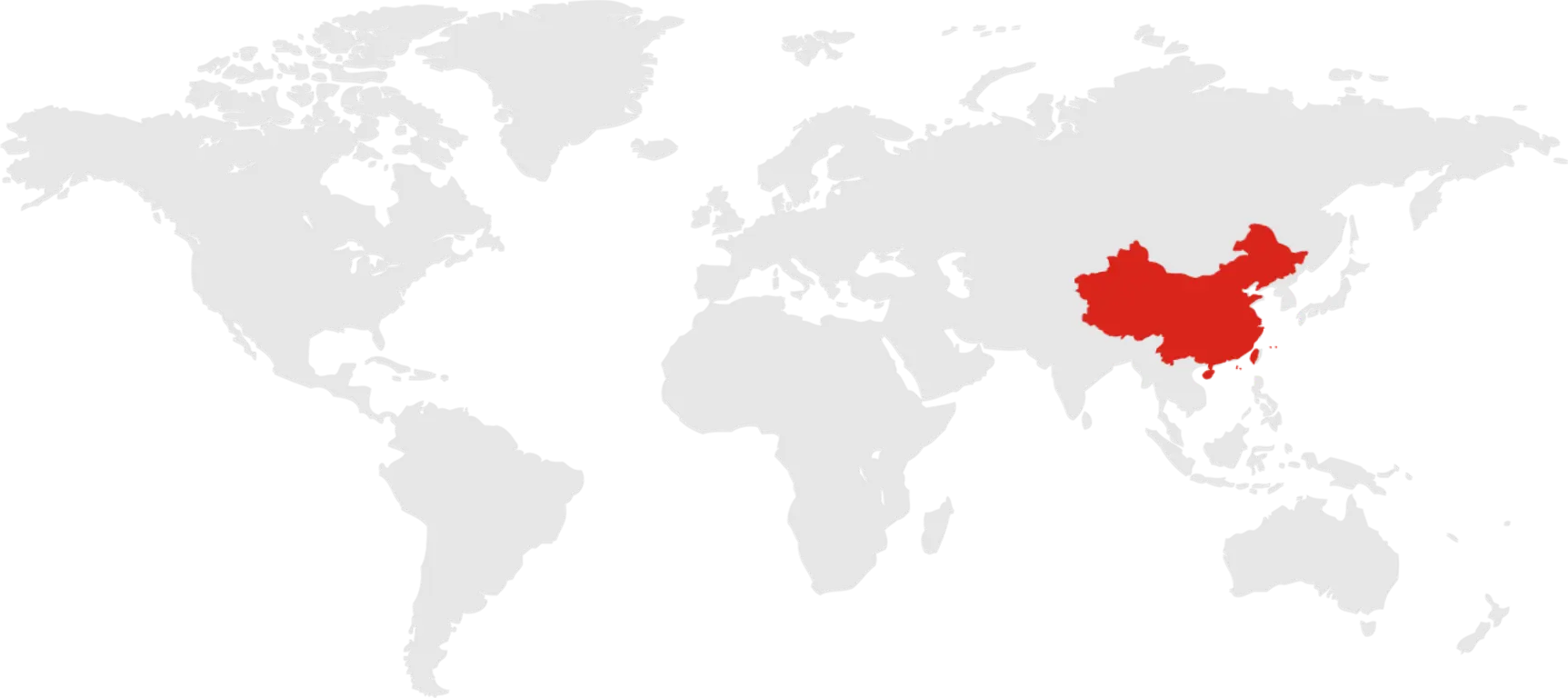
Our custom glazing solutions are supplied to projects across North America, Europe, Asia Pacific, and beyond, meeting strict regional standards.
We adhere to international quality and environmental management standards to ensure consistent product performance.
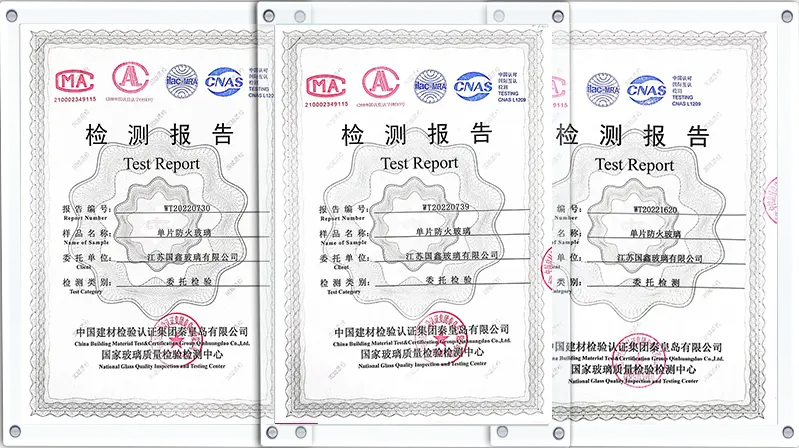
Validates our quality management processes, ensuring traceablity and precision in every manufacturing phase.
Our tempered and laminated units meet strict safety requirements, providing structural strength under stress.
Designed to help projects achieve GBI (Green Building Index) and LEED certification through improved energy efficiency.
Browse our catalog of custom insulated units, specialty glass types, and modern framing options suitable for Malaysian projects.
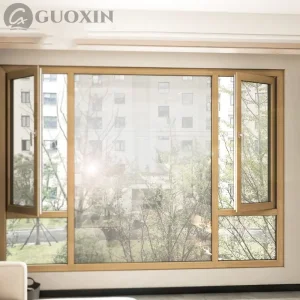
Dual-action windows offering ventilation and ease of cleaning, built with durable hardware for tropical environments.
Low-E double glazing with argon gas fill, designed to lower HVAC energy use in commercial projects across Malaysia.
Highly sealed frame profiles providing water tightness against heavy rainfall and monsoon winds.
Consistent frosted finish that maintains privacy while allowing soft, diffused natural light in interior partitions.
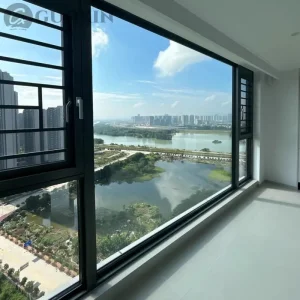
Heavy-duty fixed frame systems designed to house large, thick insulated glass panels in retail storefronts.
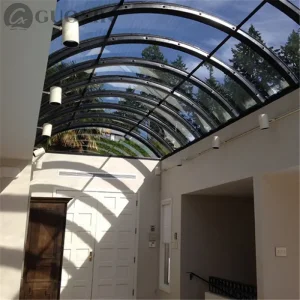
Precisely bent insulated glass panels for corner windows, spiral structures, and curved commercial facades.
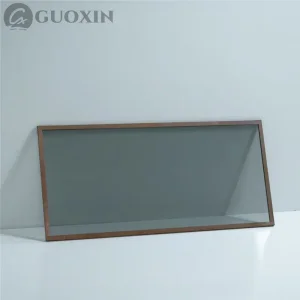
High-density lead-barium formulation designed for radiation shielding in hospitals and laboratory facilities in Malaysia.
Custom-engineered double glazing units manufactured to precise specifications, combining thermal insulation and sound dampening.
Guided by a "Quality First, Customer First" approach, we operate state-of-the-art production lines capable of manufacturing complex configurations of insulated, laminated, and fire-resistant glass units.
Schedule a Factory Video TourAnalyzing how modern glazing components help meet regulatory targets and long-term sustainability goals in Southeast Asia.
As sustainability regulations tighten throughout Southeast Asia, the role of structural glazing is shifting from a decorative element to an active energy-management component. Developing green cities like Forest City in Johor and smart cities in Cyberjaya requires building materials that reduce energy draw from HVAC systems while maintaining comfortable interior conditions.
The transition toward Near-Zero Energy Buildings (NZEB) relies on key advancements in glazing design:
By coordinating with architectural and engineering firms across Malaysia, manufacturers can provide high-efficiency insulated glass solutions that support regional energy-saving and carbon-reduction goals.
Read our latest articles on fire safety standards, safety glass specifications, and thermal insulation calculations.
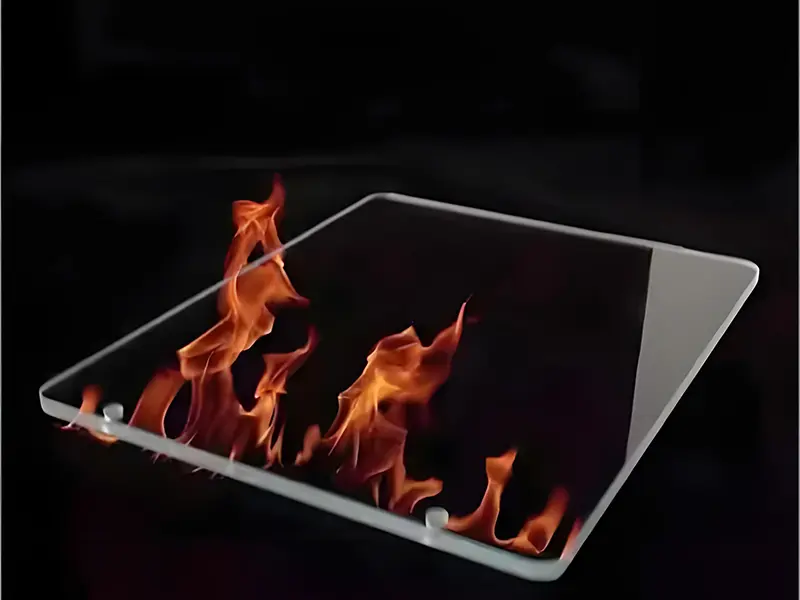
Understand the structural and chemical differences between fire-rated and standard glass options to ensure regulatory compliance and occupant safety in commercial buildings...
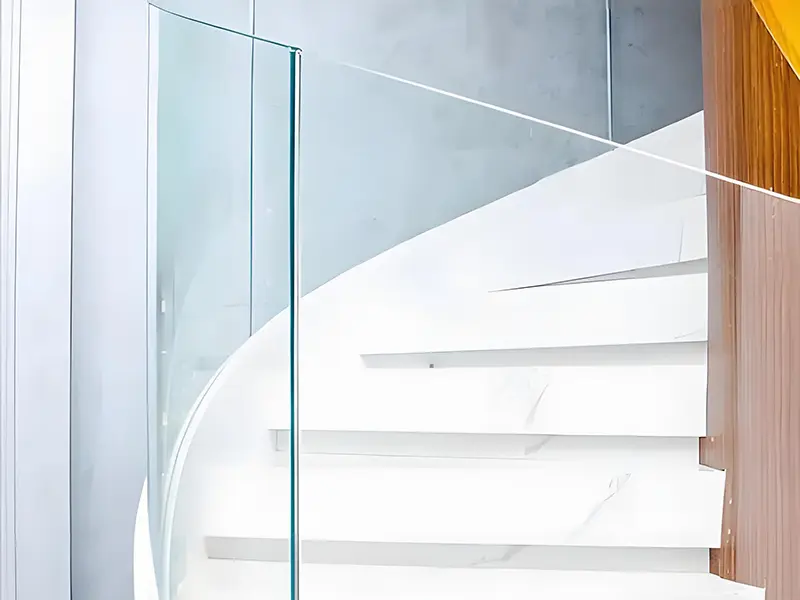
A comprehensive look at structural security, impact resistance, and sound reduction qualities of laminated glass configurations, featuring case studies from high-rise projects...
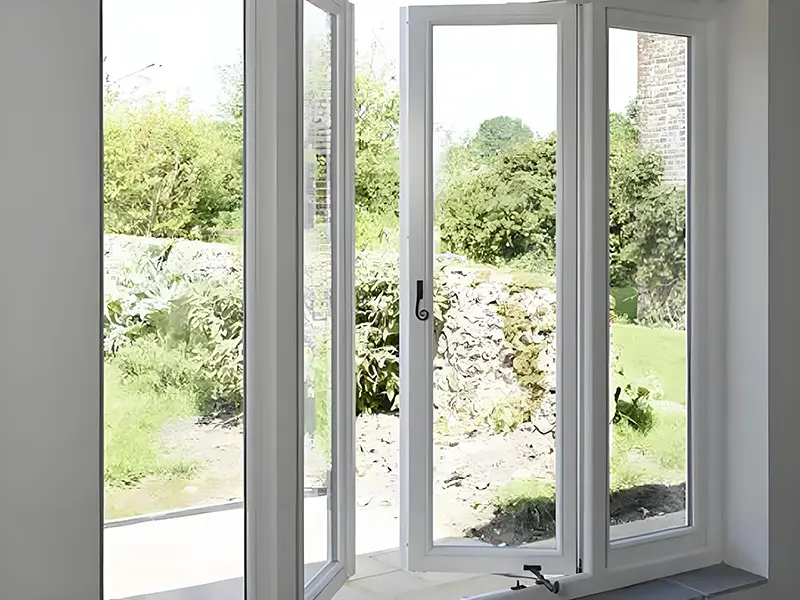
A detailed review comparing the durability, frame stability, maintenance profiles, and thermal performance of casement window designs under high-humidity conditions...
Technical answers to common questions about selecting, installing, and maintaining insulated glass systems in tropical regions.
In hot tropical regions like Malaysia, insulated glass units (IGUs) reduce solar heat gain to lower the load on interior cooling systems. An IGU blocks long-wave infrared heat while keeping visible light transmittance high. Using low-conductivity gases like Argon between the glass panes limits thermal conduction, helping lower energy consumption for HVAC systems.
Glass products used in local construction must comply with Malaysian Standards, notably MS 1498 (Safety Glass in Buildings) and code provisions like MS 1525 for energy efficiency. Architectural glass components undergo testing to meet structural, impact, and safety requirements before installation.
Condensation occurs if moisture enters the gas cavity due to seal failure. We prevent this by using a dual-seal barrier system. Polyisobutylene (PIB) serves as the primary seal against moisture, while structural silicone provides structural support. A desiccant within the spacer bar absorbs any residual moisture inside the unit during assembly.
A high-quality, dual-sealed insulated glass unit typically lasts 20 to 25 years in tropical environments, provided it is manufactured using UV-stable sealants and installed in well-designed, draining frame profiles that prevent standing water contact.
Get comprehensive technical advice, custom sizing options, and complete pricing specifications for insulated glass projects.
 Guoxin