Explore our core high-performance glass and profile options designed for international residential and commercial development projects.
In the modern era of high-performance architectural design, structural envelopes are increasingly scrutinized for their contributions to sustainable development and thermal management. As nations enforce stricter energy-efficiency mandates, such as the European Union's Energy Performance of Buildings Directive (EPBD) and the United States' ASHRAE 90.1 standards, construction projects require window and door systems that offer superior insulation, long-term durability, and low maintenance. This demand has positioned unplasticized Polyvinyl Chloride (uPVC) as a premier framing material for international commercial and residential construction.
Historically, wood and aluminum dominated global fenestration markets. However, wood is highly vulnerable to moisture damage and requires continuous, costly maintenance. On the other hand, aluminum, despite its structural robustness, possesses high thermal conductivity. This property can compromise a building's insulation unless it is engineered with advanced, costly thermal breaks.
In contrast, uPVC serves as a natural thermal insulator. Multi-chambered profiles filled with insulating gas, when paired with high-performance glass units, provide a cost-effective method to meet rigorous energy standards. Additionally, B2B wholesale buyers, commercial developers, and glazing contractors benefit from the material's excellent corrosion resistance, making it suitable for coastal areas, chemical environments, and dense urban centers alike.
"The integration of multi-chambered uPVC frames with high-performance low-emissivity (Low-E) insulated glass represents a significant advancement in building design. It addresses the critical trade-off between structural integrity and thermal resistance."
As technology progresses, the B2B fenestration sector is shifting from simple profile designs to complex, integrated smart window solutions. The research and development division at Jiangsu Guoxin focuses on several key technological trajectories:
Adding high-performance stabilizers (such as Calcium-Zinc and Titanium Dioxide) prevents UV degradation, discoloration, and embrittlement, ensuring uPVC structures last over 35 years in high-solar regions.
Designing profiles with 5 to 7 chambers, reinforced with galvanized steel channels, optimizes the balance between structural load capacity and thermal performance.
Incorporating PDLC (Polymer Dispersed Liquid Crystal) and electrochromic technology allows windows to dynamically adjust their transparency and shade, reducing cooling loads.
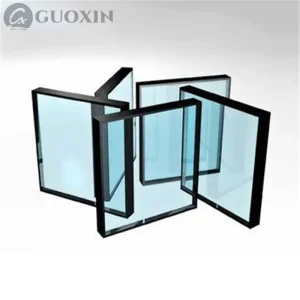
Pairing multi-chambered profiles with asymmetrical double or triple glazing, filled with argon gas, helps sound-dampening windows achieve noise reductions of up to 45dB.
Looking forward, we anticipate growing demand for carbon-neutral window products. By using bio-attributed PVC resins and recycled materials in structural profile cores, manufacturers can reduce the embodied carbon of these units. Additionally, integrating thin-film photovoltaics directly into frame profiles could turn passive windows into active energy generators, marking a major milestone in high-performance green building design.
One of the primary engineering challenges in architectural glazing is adapting systems to different local climates. Standard window configurations are rarely suitable worldwide.
As a prominent glass and window manufacturer in China, Jiangsu Guoxin Glass Co., Ltd. leverages a highly integrated manufacturing model. Our facility houses advanced automated extrusion lines alongside a modern glass processing plant, allowing us to manage everything from raw material processing to final assembly in-house.
By handling operations under one roof, we eliminate the logistics bottlenecks and quality variations common when sourcing glass and profiles from different suppliers. Our automated system controls every step, including cutting, edging, tempering, laminating, gas-filling, and frame assembly. This integrated approach ensures consistent product quality and reliable lead times for large-scale B2B orders.
Additionally, our location in Jiangsu provides easy access to deepwater ports like Shanghai and Ningbo, streamlining international shipping. Backed by twenty years of manufacturing experience, Jiangsu Guoxin delivers cost-efficient, high-performance fenestration solutions to commercial developers and residential builders worldwide.
Established as a dedicated manufacturer of high-performance architectural glass and structural components.
Decades of refining extrusion chemistry, laminating methods, and custom insulated glass structures.
A comprehensive selection ranging from uPVC and Aluminum profiles to Smart Glass, SGP, and Fireproof Glass.
Our high-performance products are used in demanding architectural applications worldwide, demonstrating our commitment to quality and engineering precision.
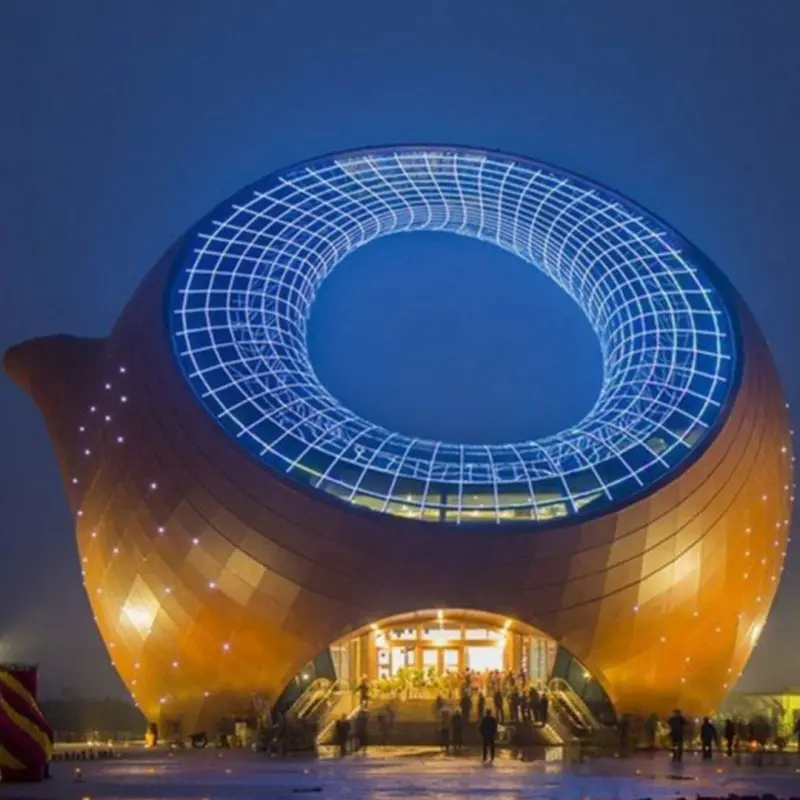
Standing 38.8 meters tall, this building features a complex structure of custom-shaped aluminum and glass, topped with an artistic stained-glass dome.
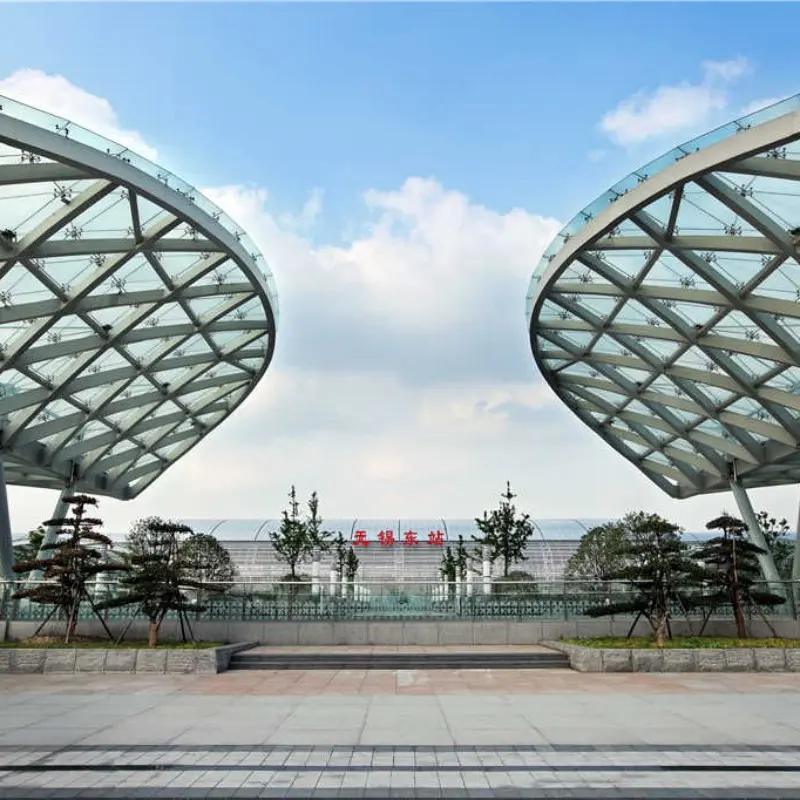
Renovated with thousands of custom laminated glass panels, this major transport hub accommodates a daily waiting capacity of over 120,000 passengers.

The 89-story Zifeng Tower, one of the world's tallest buildings, features our high-performance insulated glass panels in its custom curtain wall system.
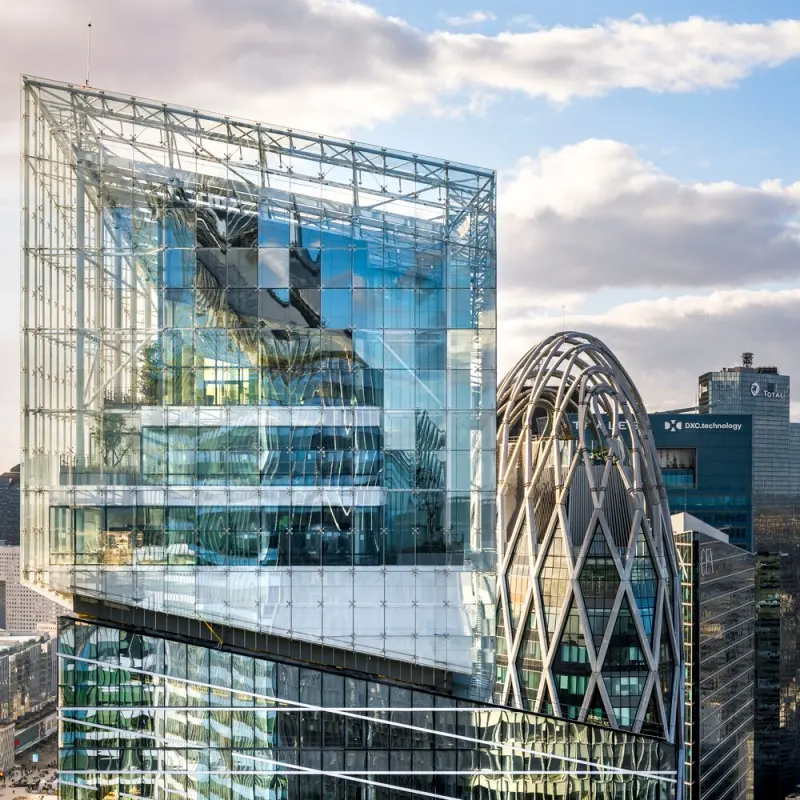
An office project integrating triple-insulated solar control glass and predictive daylighting algorithms to optimize energy efficiency without external blinds.
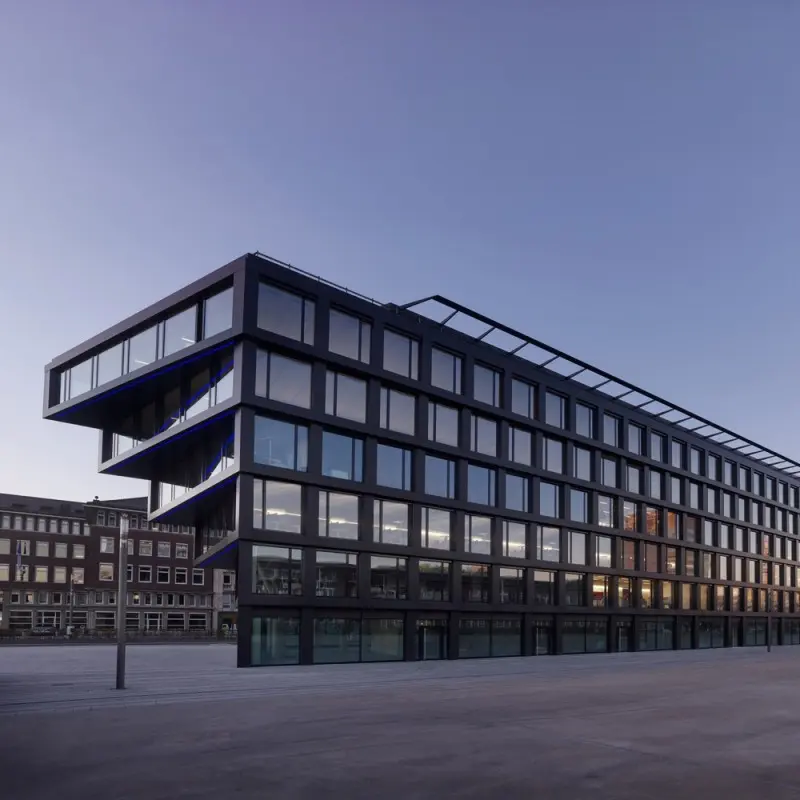
Custom double-glazed glass and integrated ventilation systems designed to meet high acoustic and thermal insulation requirements.
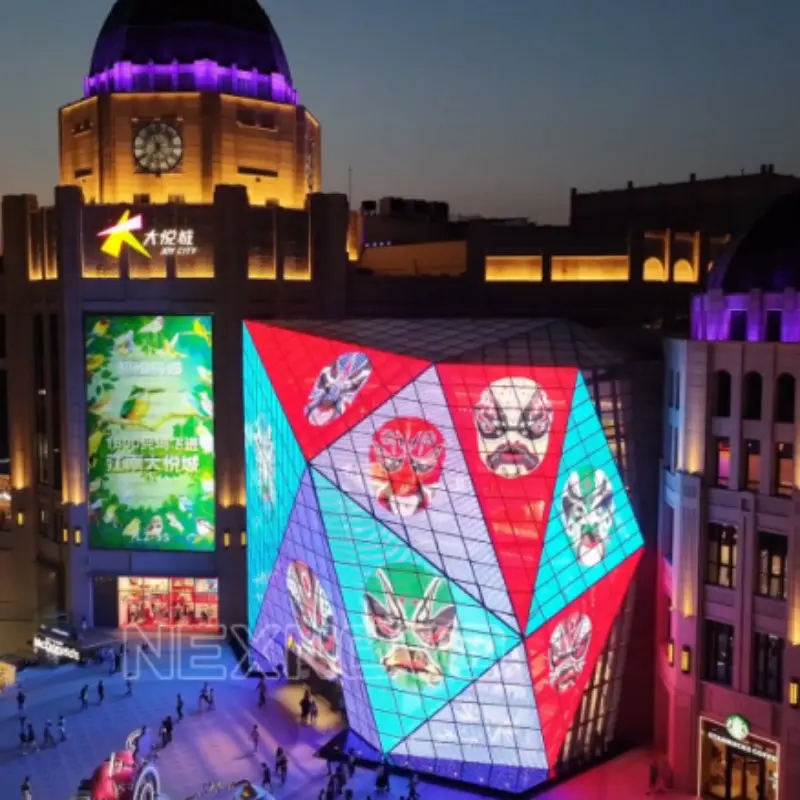
A modern commercial landmark featuring integrated smart glass systems that balance privacy, solar control, and dynamic aesthetic appeal.
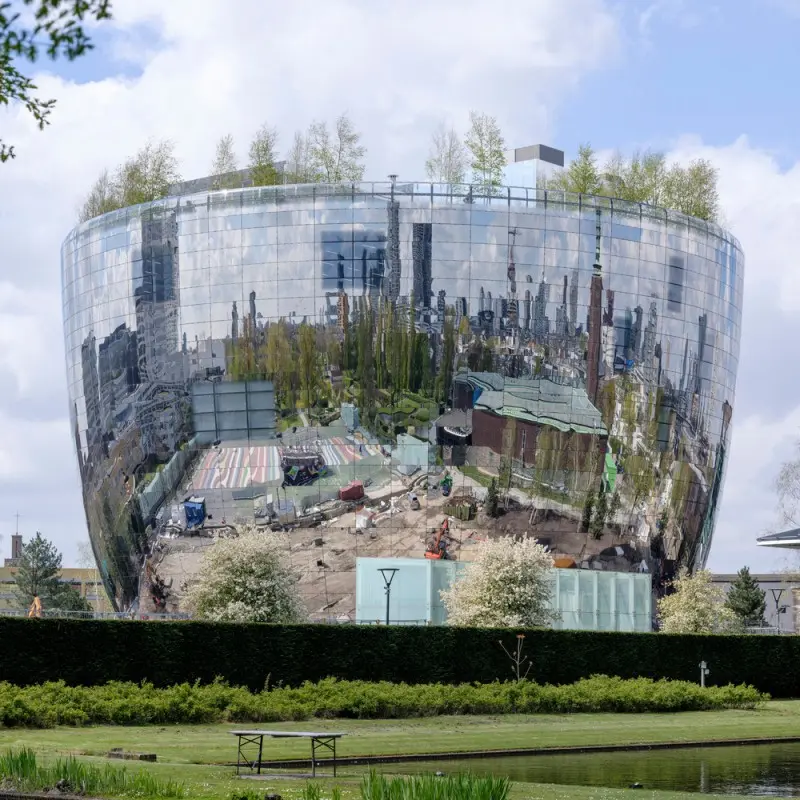
Featuring 15,000 square meters of high-reflective architectural glass, this building seamlessly reflects its surrounding park, creating a striking visual blend.
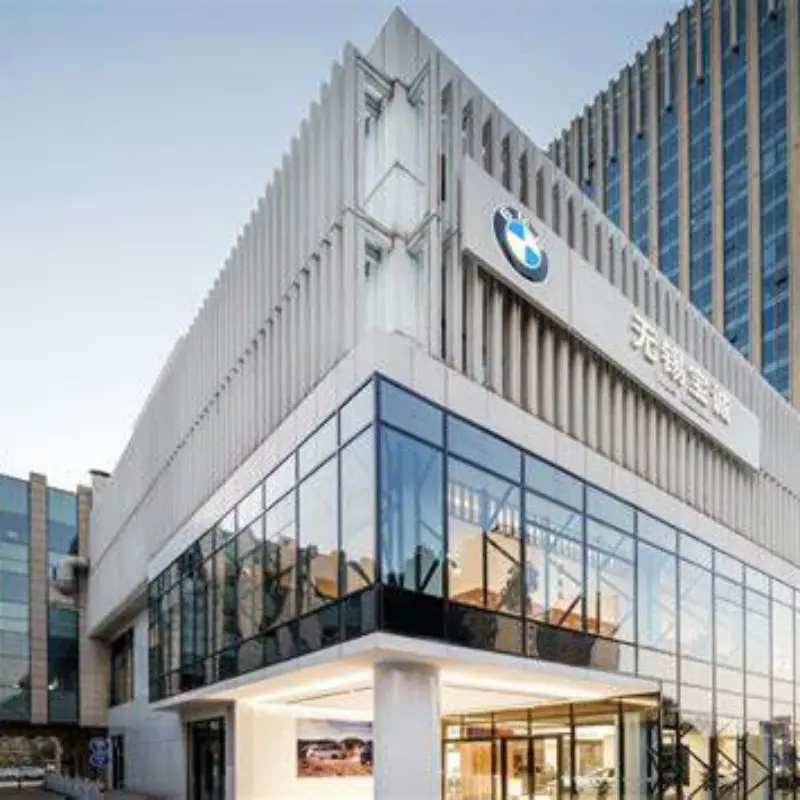
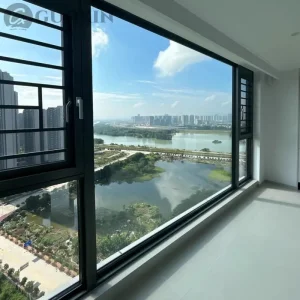
Using large-format glass panes to maximize interior natural light while maintaining the building envelope's thermal insulation performance.
Get detailed technical answers about selecting, customizing, and importing high-performance B2B glazing and framing systems.
Ordinary float glass fractures at around 250°C due to thermal stress. Fireproof glass is specially engineered—using borosilicate chemical compositions or monolithic tempering processes—to withstand temperatures exceeding 1000°C for 30 to 120 minutes. This provides a critical barrier against heat and flames during a fire, helping to protect escape routes in commercial buildings.
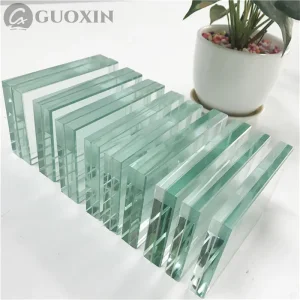
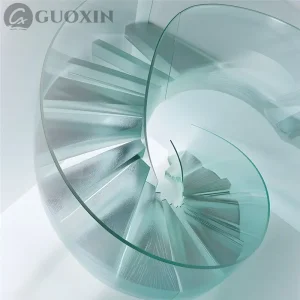
Laminated Glass features a durable interlayer (such as PVB or high-strength SGP) bonded between glass panes. If broken, the glass fragments stick to the interlayer rather than shattering into dangerous shards. This makes it ideal for overhead glazing, balustrades, and high-security areas, as it resists impact and helps prevent forced entry.
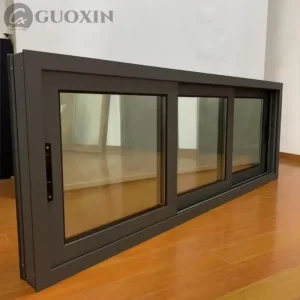
uPVC (often called plastic steel when reinforced) naturally blocks heat transfer, offering excellent insulation at a lower price point. Broken bridge aluminum provides superior structural strength for large, heavy glass walls but requires complex thermal breaks, making it a more expensive option. For standard residential and light commercial projects, uPVC typically offers the best balance of cost and energy efficiency.
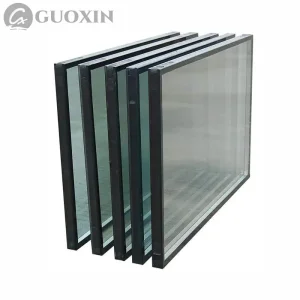
Wind load resistance depends on window size, building height, and regional climate. For large floor-to-ceiling windows, we recommend using thick tempered glass (6mm to 8mm per pane) separated by a 12mm to 16mm argon-filled spacer. High-wind zones may require SGP laminated glass layers to handle dynamic wind loads and ensure occupant safety.
Low-E coatings consist of microscopically thin metal oxide layers applied to the glass surface. They reflect long-wave infrared heat (keeping indoor warmth inside during winter and blocking outdoor heat in summer) while letting natural visible light pass through. This reduces a building's heating and cooling energy use.
Partner with Jiangsu Guoxin Glass Co., Ltd. for certified, high-performance uPVC and Aluminum window systems manufactured to your project's exact specifications.
Contact Our Engineering TeamSelect from our specialized glass catalog to complete your custom window designs and meet structural requirements.
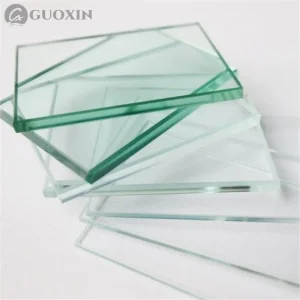
 Guoxin