High-performance architectural materials sourced directly from our state-of-the-art manufacturing plant.
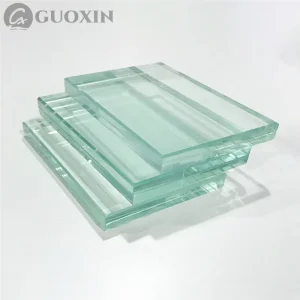
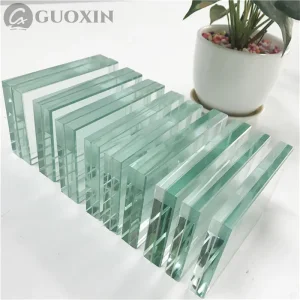
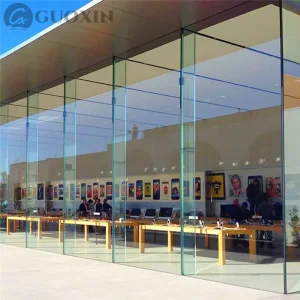
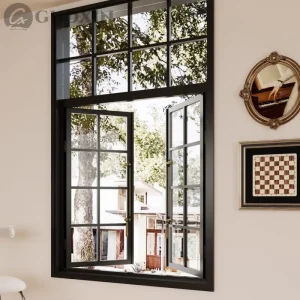
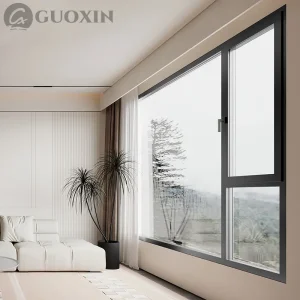
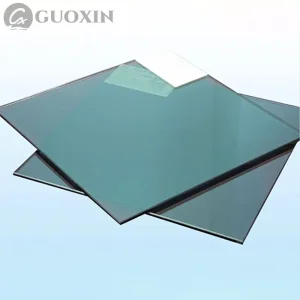
In modern sustainable architecture, the thermal envelope and acoustic separation index of buildings are critical parameters defining architectural viability. Aluminum secondary glazing has emerged as an indispensable, high-efficiency structural retrofit solution. By installing an independent internal window frame behind existing primary glazing, engineers create a highly controlled dual-cavity air barrier. This system preserves original structural facades, meeting historical preservation guidelines while achieving the structural insulation profiles of contemporary triple-glazed systems.
Did you know? Incorporating an aluminum secondary glazing system with high-performance glass interlayers can improve thermal resistance (U-value) by up to 60% and mitigate acoustic transmission by over 45dB, creating a highly stable internal workspace.
From a thermodynamic standpoint, the dead air space or gas-filled cavity between the primary and secondary glazing acts as a highly effective thermal buffer. This cavity dampens convective currents and limits radiative thermal transmission, lowering heating and cooling loads. High-performance aluminum profiles are engineered with integrated polyamide thermal breaks. These breaks isolate the exterior aluminum surface from internal temperatures, neutralizing thermal bridging and preventing condensation across all climate zones.
Acoustically, the dual-glazing cavity disrupts continuous sound wave propagation. When the gap between the glass panes exceeds 100mm, the system decouples high and low-frequency vibrations, dampening ambient city noise, rail corridors, and airport pathways. This provides developers with a targeted method to satisfy stringent local noise insulation ordinances without the massive capital expenditures associated with complete window removal and replacement.
Significantly lowers U-values and reduces HVAC operational costs by locking in temperature-controlled air within insulated glass cavities.
Combines asymmetric glass panes to disrupt resonance frequencies, blocking external acoustic pollution for highly productive work environments.
Preserves the historical exterior appearance of heritage landmarks while upgrading structural resilience against high wind loads.
A globally recognized manufacturer specializing in structural aluminum systems and advanced glass processing.
Founded in 2006, Jiangsu Guoxin Glass Co., Ltd. has established a stable and successful track record spanning two decades in the glass and architectural aluminum industry. Our company has accumulated a wealth of experience in the research and development, production, and marketing of aluminum windows, fireproof Glass, laminated glass, and insulated glass. This deep material expertise has allowed us to innovate and produce high-quality products that meet the diverse needs of our clients worldwide.
Operating out of our state-of-the-art production facility, Guoxin houses multiple advanced production lines, each equipped with cutting-edge technology. Our manufacturing process integrates precise CNC profile milling, automated double-glazed assembly, and advanced autoclave lamination to guarantee tolerances within fractions of a millimeter. By controlling the entire process from raw aluminum extrusions to architectural glass processing, we ensure unmatched quality control and structural durability.
Explore our engineered catalog, designed to work seamlessly with secondary frame systems.

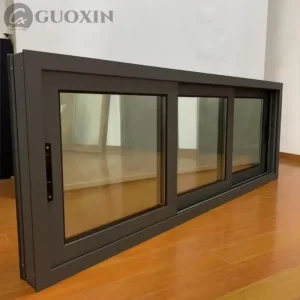
Engineered structural frames with thermal breaks designed for integration in secondary glazing setups, using high-tensile 6063-T6 aluminum extrusions.
Designed for fire protection barriers, offering high resistance to radiant heat and flame penetration under extreme conditions.
Featuring heavy-duty PVB and SGP interlayers for security, high acoustic dampening, and wind-load resistance.
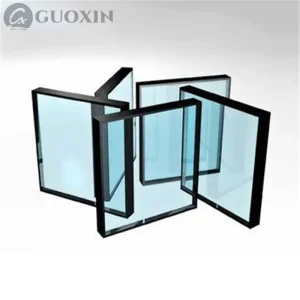
Dual or triple-chamber glass modules filled with argon gas, achieving exceptionally low thermal transmittance values.
High-security composite layers engineered to withstand heavy impact forces, providing protection for high-risk zones.
Developing structural glazing solutions requires a deep understanding of materials science. When retrofitting industrial or high-end commercial structures, the window frames must interface seamlessly with advanced glass configurations to meet target energy metrics. The thermal and mechanical stability of the system depends on selecting the appropriate glass interlayers and coatings:
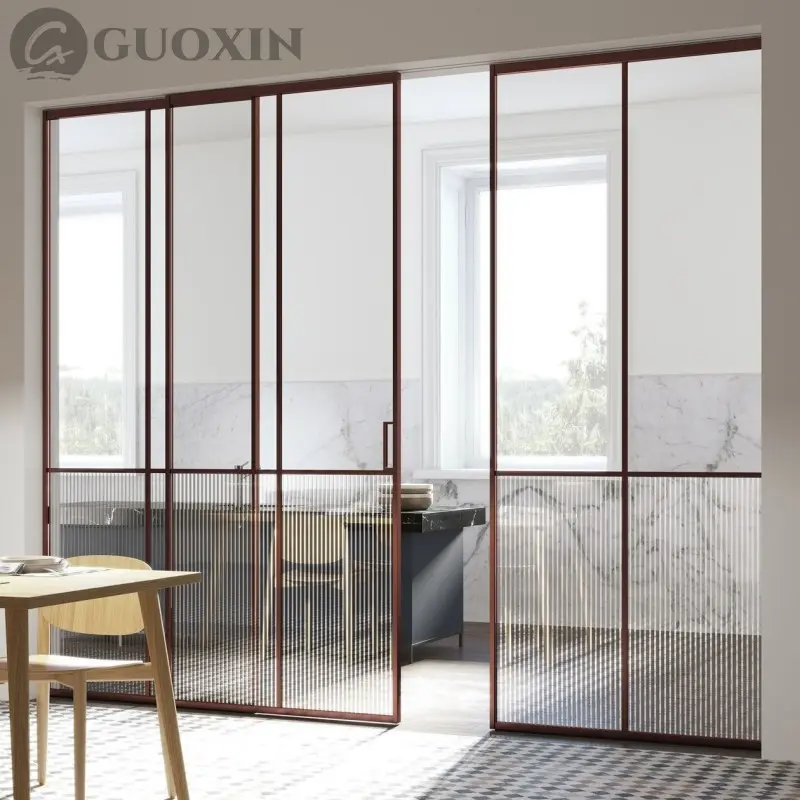
Designed for space efficiency in high-traffic commercial zones. Features structural rollers and high-insulation gaskets to maintain acoustic and thermal barriers.
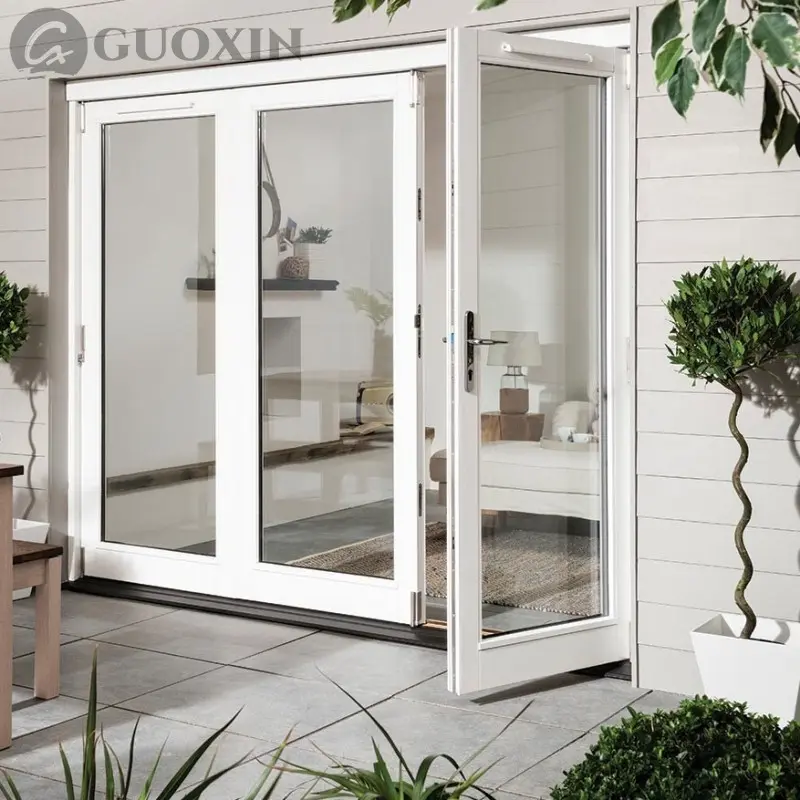
Provides a tight compression seal around the perimeter, making it ideal for deep acoustic insulation in recording studios, boardrooms, and testing facilities.
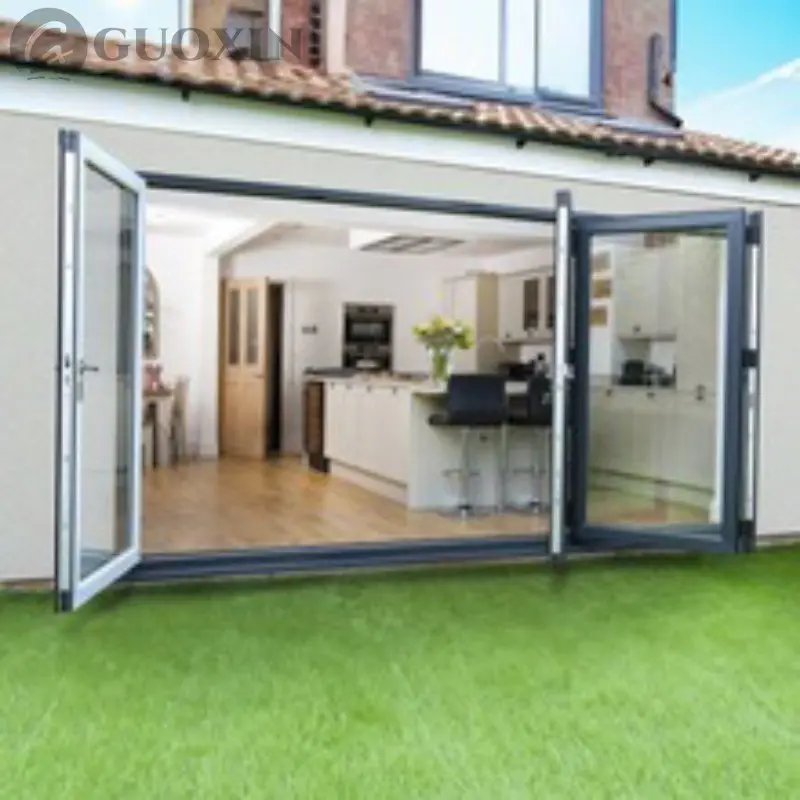
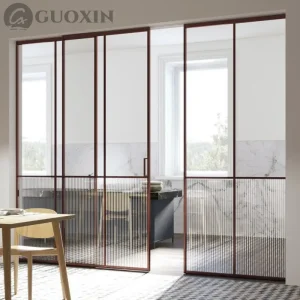
Enables wide openings for adaptable commercial layouts, offering flexibility without compromising structural integrity when closed.
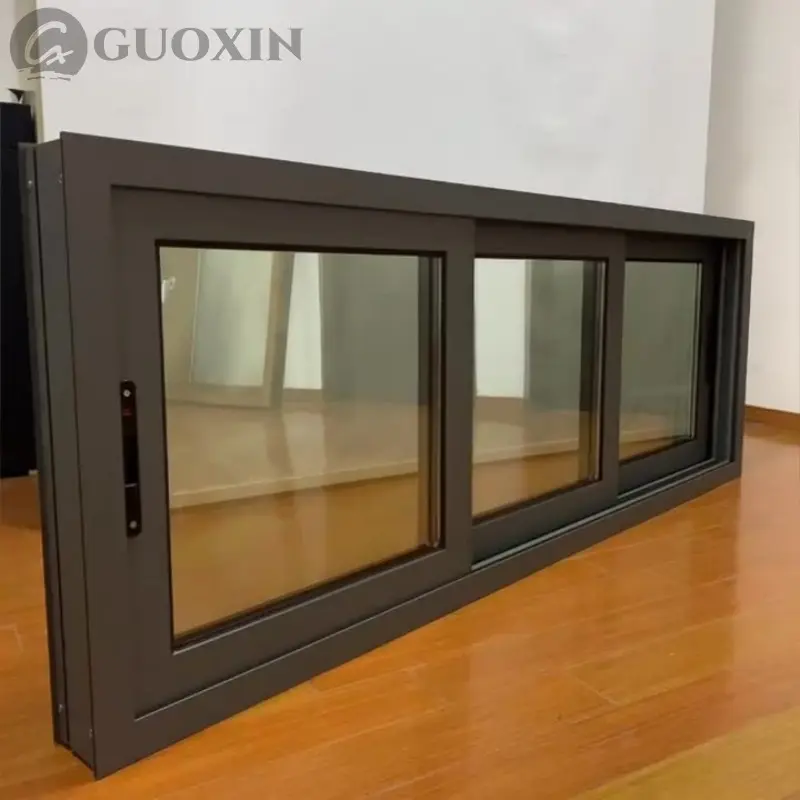
A reliable choice for office facades, facilitating smooth ventilation and low maintenance while fitting neatly within shallow window reveals.
For projects requiring high wind-load resistance and security, using SentryGlas Plus (SGP) interlayers is highly recommended over standard polyvinyl butyral (PVB). SGP is five times stronger and up to one hundred times stiffer than PVB. This allows architects to specify thinner glass panes while maintaining structural integrity. The increased stiffness prevents the glass from sagging or dislodging under extreme wind pressures, which is critical for skyscrapers and coastal developments.
Conversely, for maximum sound dampening, acoustic PVB interlayers are preferred. These specialized interlayers contain a damping core that absorbs vibrations and reduces sound transmission at the critical coincidental frequency of the glass. By pairing an acoustic laminated secondary pane with an insulated primary unit, buildings can achieve sound transmission class (STC) ratings exceeding 50 dB, effectively blocking urban noise.
High-precision engraving and specialized structural elements for bespoke installations.
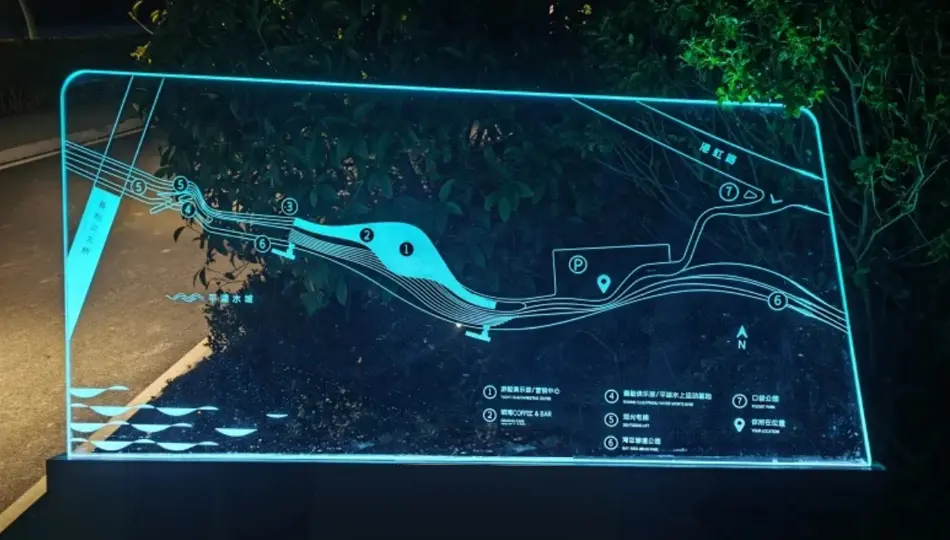
Designed for large public infrastructure projects, offering durability and weather resistance under high traffic conditions.
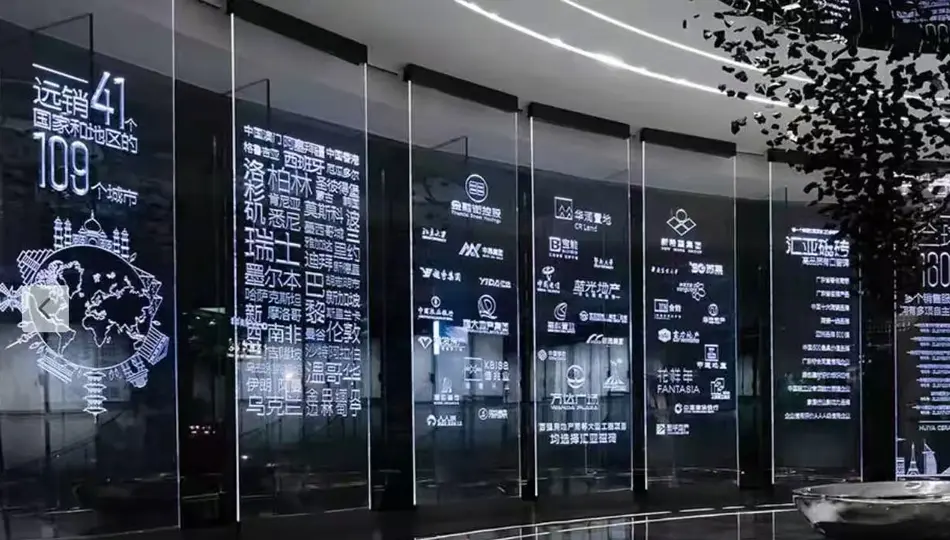
Utilizes advanced laser processing to etch detailed patterns inside the glass without compromising its structural integrity.
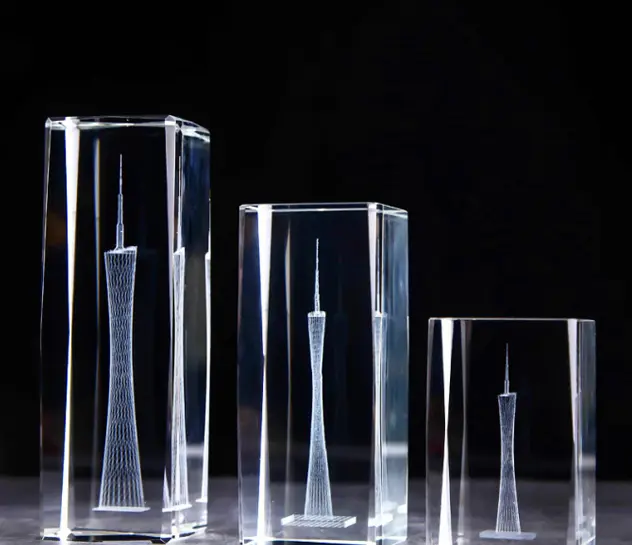
Custom-crafted gift series engineered with sub-surface laser technology, creating detailed three-dimensional designs.
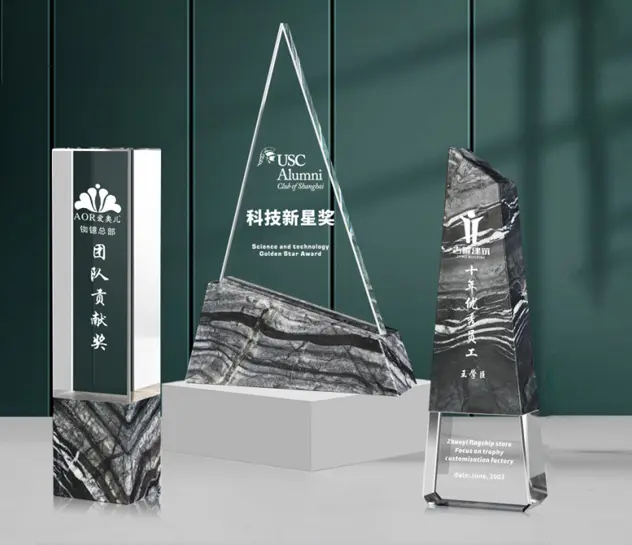
High-transparency optic crystal components assembled with precise optical adhesives for premium award presentations.

Tailored architectural components engineered to meet specific project demands, including non-standard shapes, finishes, and performance metrics.
Proof of execution: Guoxin Glass solutions implemented in iconic buildings worldwide.
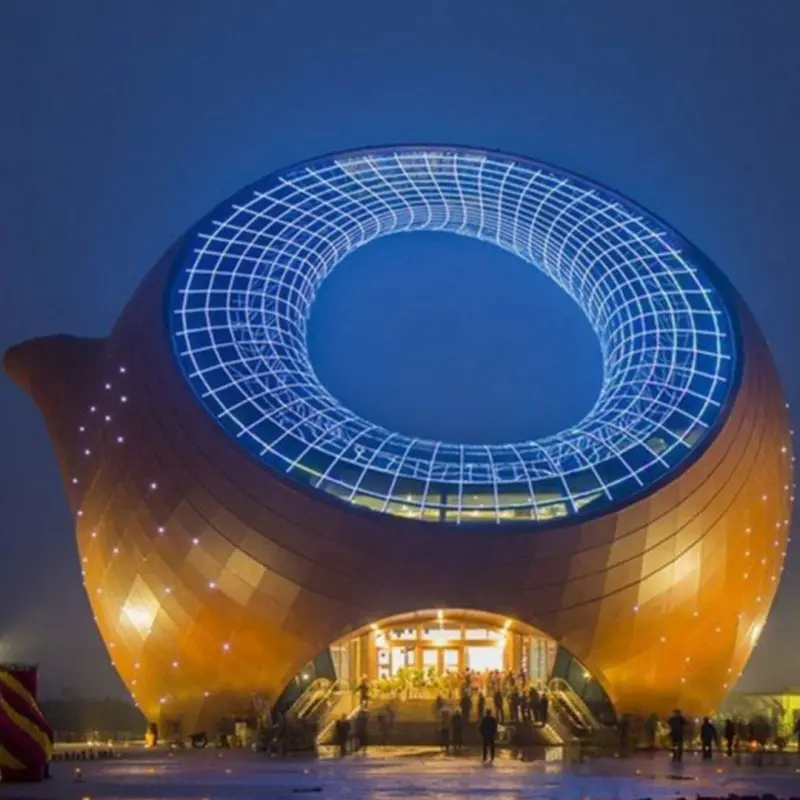
As the world's "largest purple clay pot shaped building", it was awarded the "World's largest Guinness" certificate. Standing 38.8 meters high, the structure is made of customized aluminum frames and curved glass panels, capped with an artistic stained glass dome.
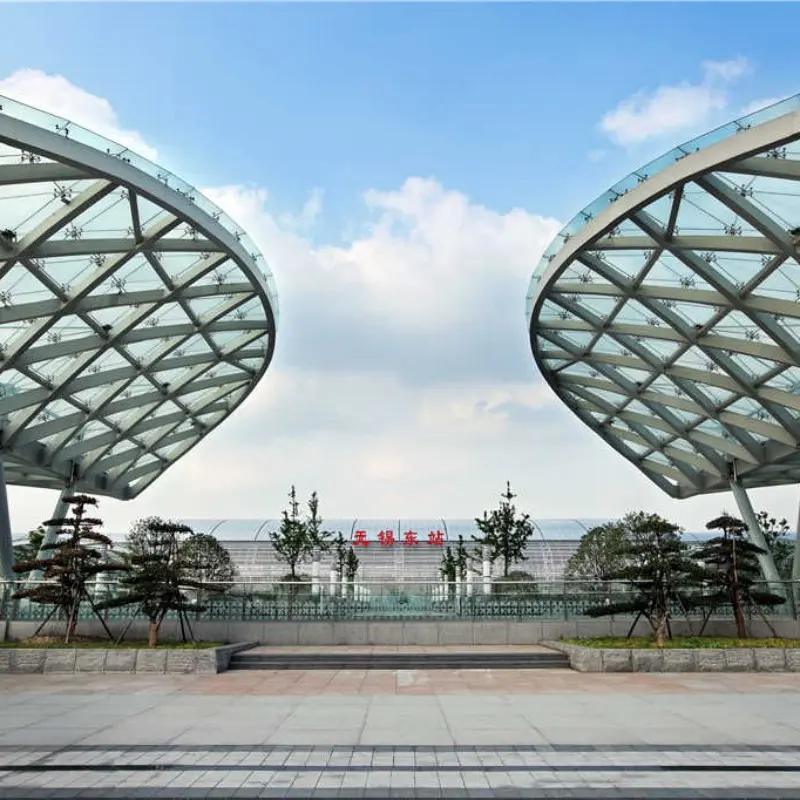
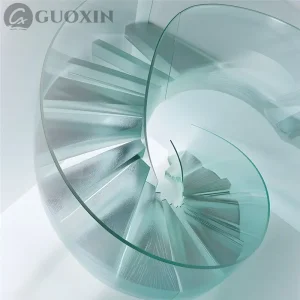
Renovated with thousands of high-strength laminated glass panels, creating a safe, dual-sided elevated concourse that manages heavy passenger traffic and high structural loads daily.

Standing 450 meters tall as the 7th tallest building globally, this skyscraper uses our high-performance insulated glass panels across its offices, hotels, and retail spaces to withstand wind loads and improve thermal efficiency.
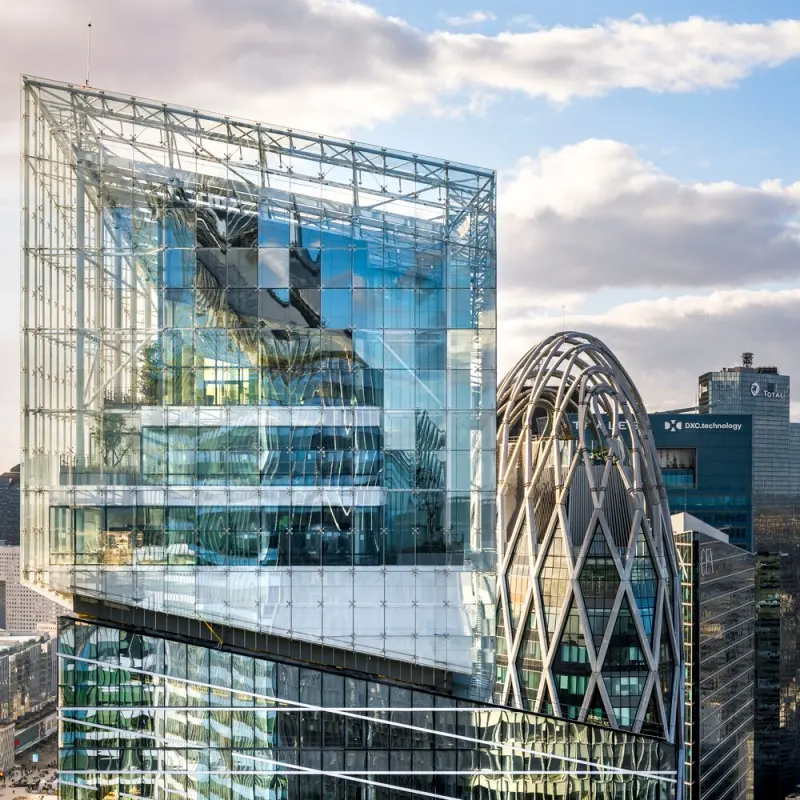
Uses advanced daylighting algorithms and solar control glass to regulate internal temperatures and light levels, reducing the need for external shutters.
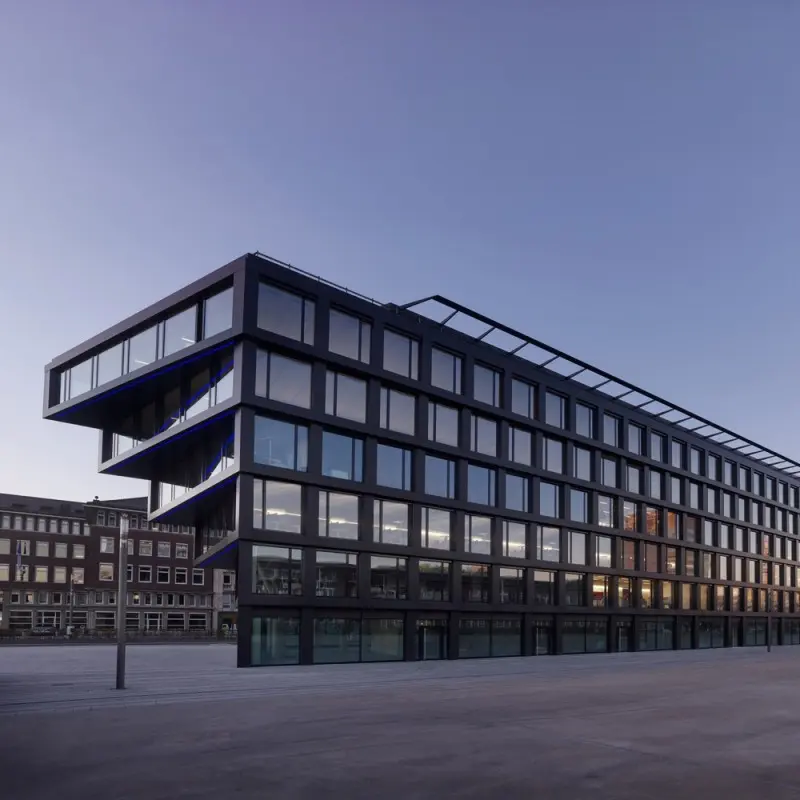
Features triple-insulated solar control glass panels that double as structural sunshades, achieving heat recovery rates of over 80% across the building envelope.
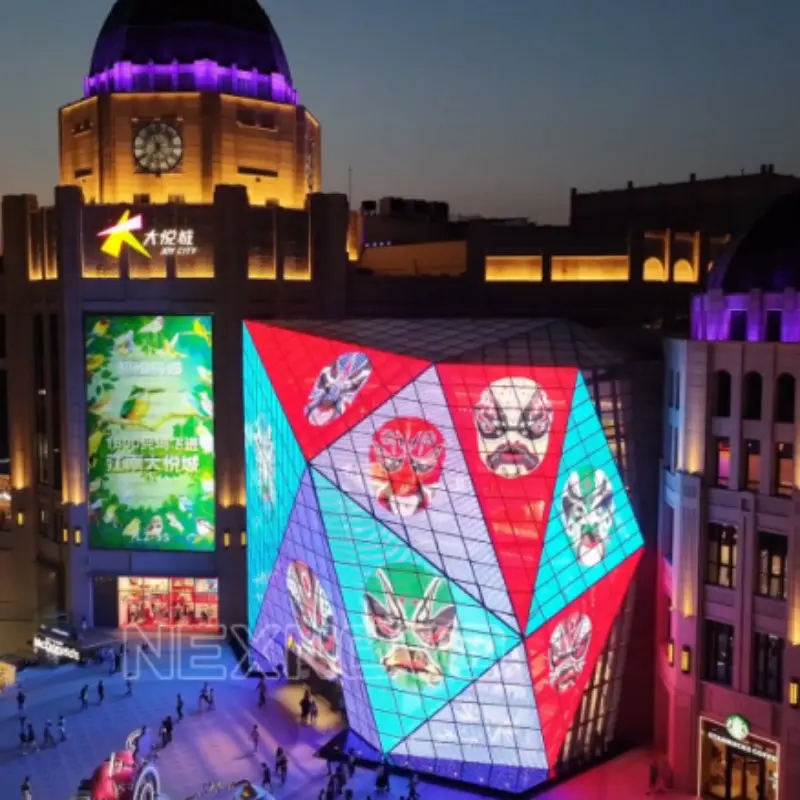
A modern retail landmark featuring switchable smart PDLC glass partitions that adapt to offer privacy or transparent display windows as needed.
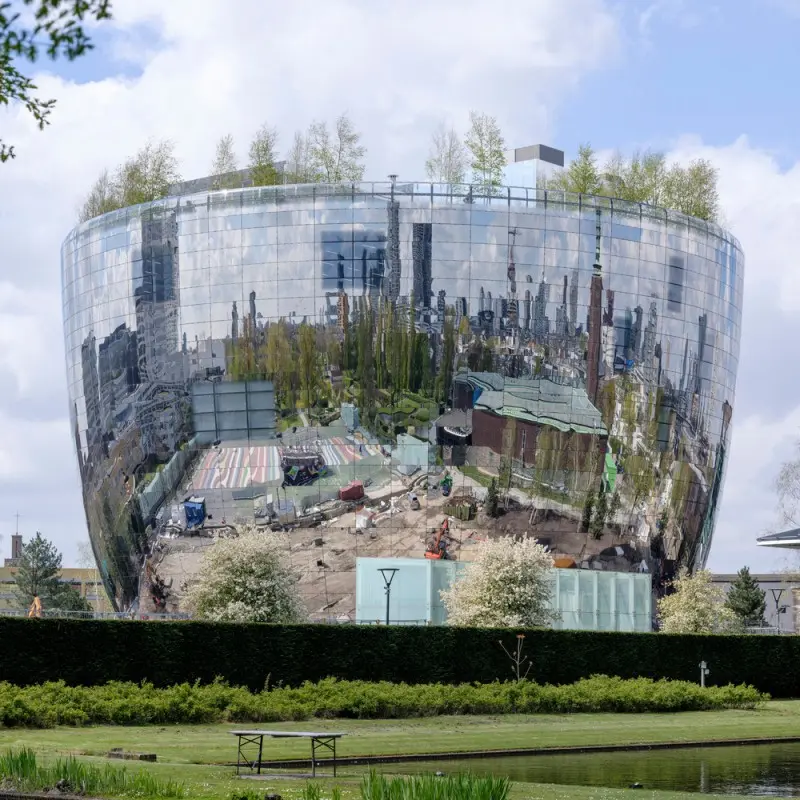
Clad in 15,000 square meters of reflective glass, this museum integrates into its park surroundings while maintaining energy-efficient internal climate control.
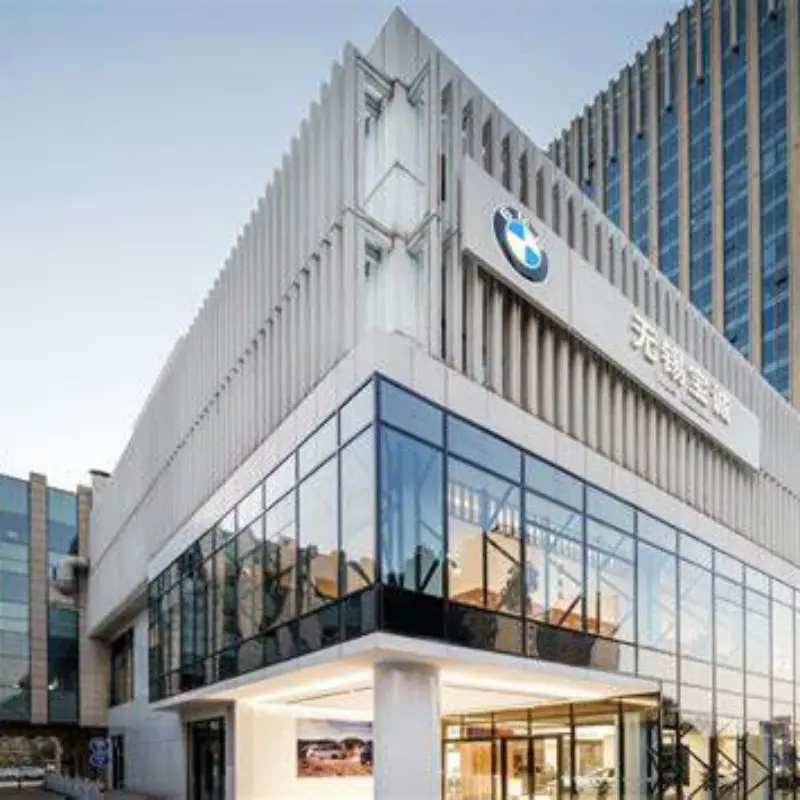
Large reflective glass panels optimize natural daylighting and thermal control, aligning with the premium brand's sustainability initiatives.
Quality First, Customer First, and Credit-Based Manufacturing. Partner with us for custom aluminum and glass extrusions certified to international standards.
Initiate ConsultationJiangsu Guoxin Glass Co., Ltd. operates in strict compliance with global quality management system standards. Our production plant is certified under ISO 9001:2015, ensuring that every batch of aluminum extrusions and structural glass meets international standards for thickness, structural integrity, and durability.
We source premium materials and follow documented processing standards. This ensures our glass products meet safety regulations, including European EN standards, American ASTM guidelines, and Australian AS/NZS specifications, making them suitable for demanding public infrastructure and commercial projects.
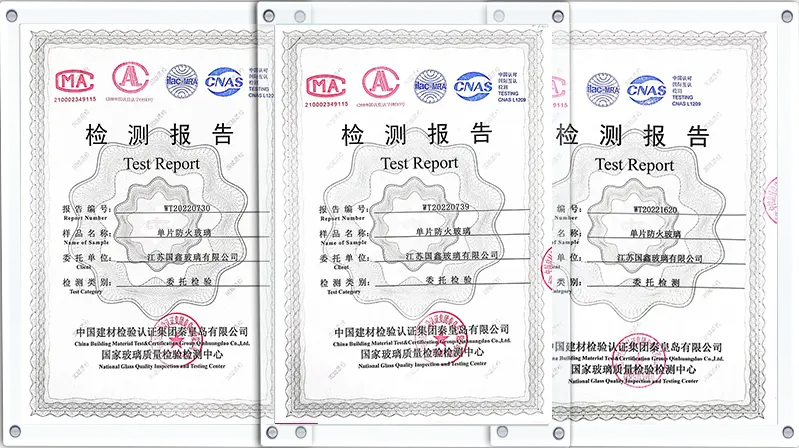
Our components are engineered to meet the unique environmental and regulatory demands of diverse regional markets.

A look at how we resolve on-site engineering challenges during installation.
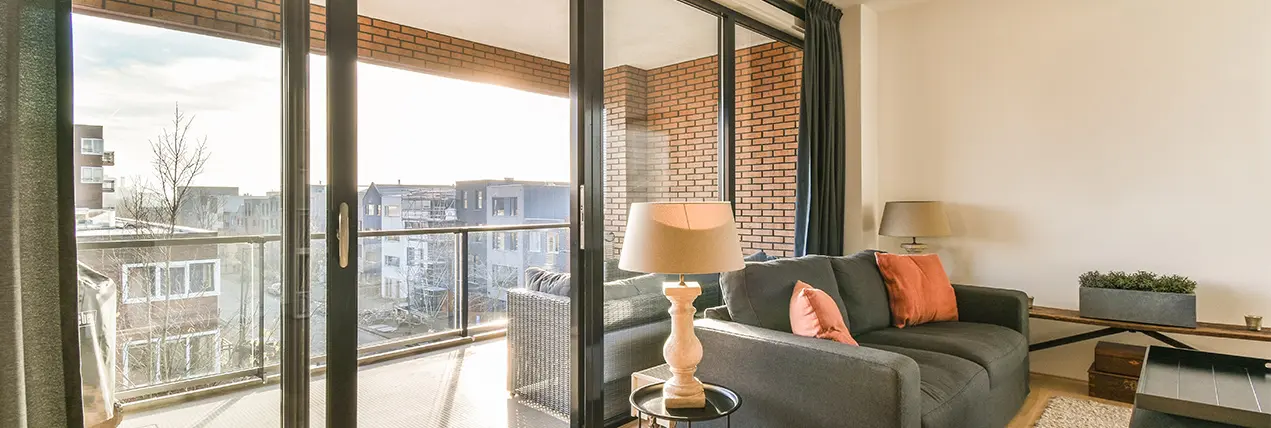
Upgraded an office complex near a major rail corridor by adding a secondary aluminum frame with acoustic laminated glass, significantly reducing noise levels.

Added custom slimline aluminum secondary glazing to a historical landmark, improving U-values while keeping the original exterior design intact.

Installed SGP-laminated secondary glazing panels to withstand wind loads at high altitudes, improving occupant safety and comfort.
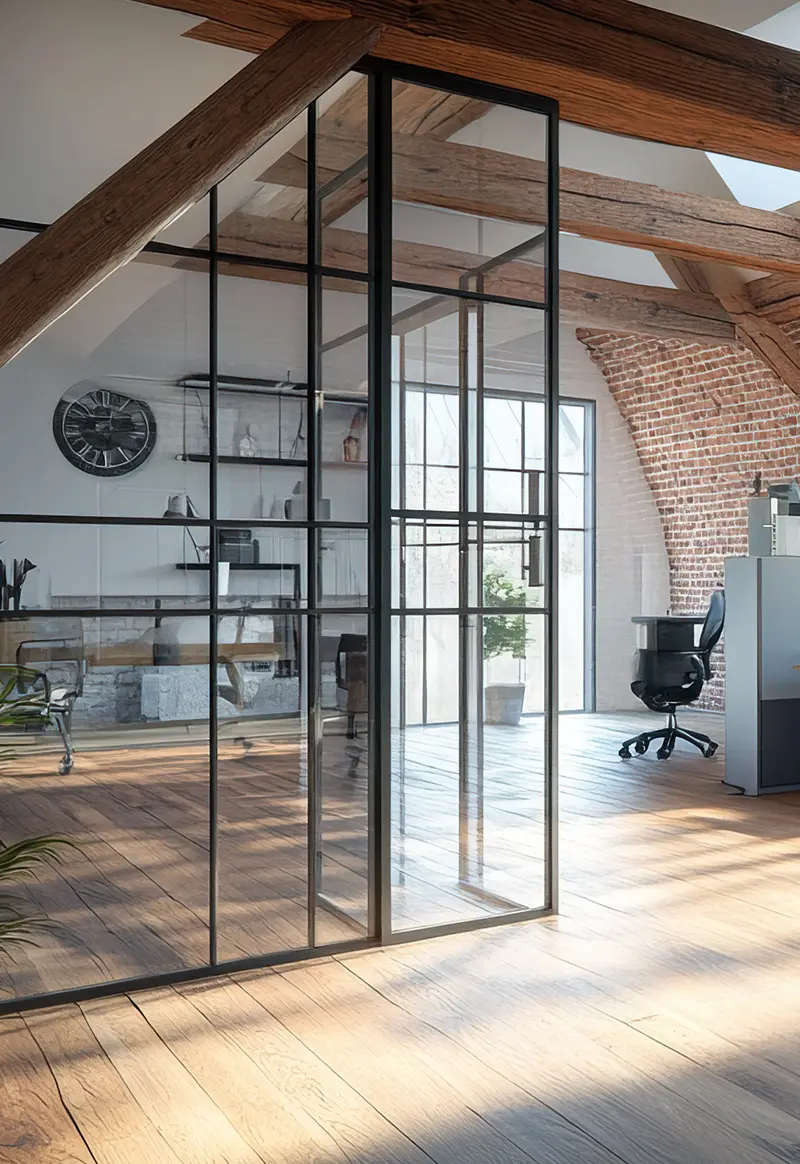
Combined double-insulated reflective glass units with automated HVAC controls across a large retail development, reducing energy use and cooling requirements.
Answers to common structural, thermal, and acoustic engineering questions.
In-depth guides on materials selection, safety codes, and manufacturing standards.

An engineering breakdown of fireproof glass, coated fire barrier systems, and standard architectural glass safety standards.
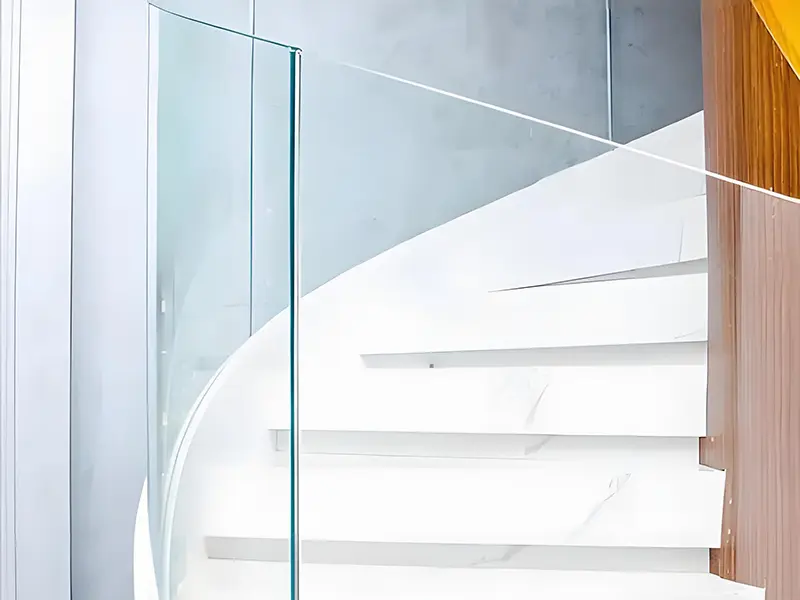
An analysis of structural laminated glass performance, focusing on impact resistance, building safety codes, and PVB/SGP interlayer specifications.
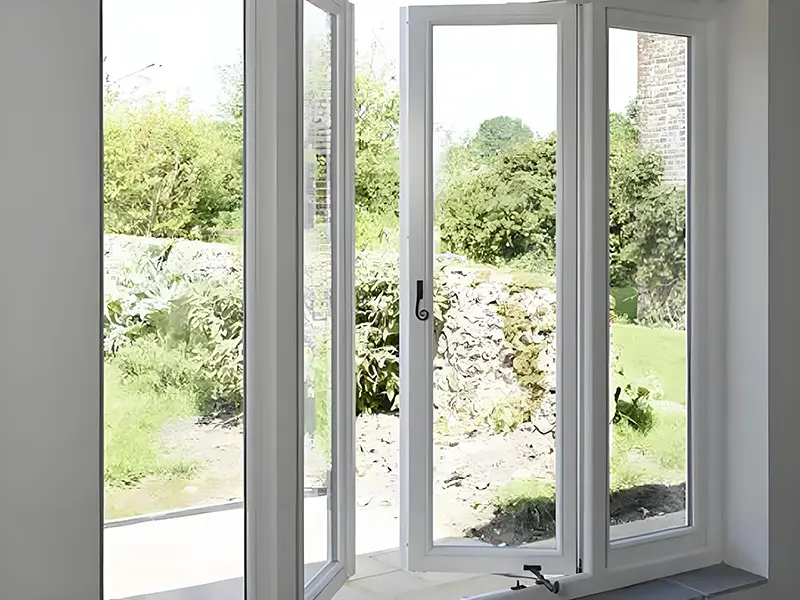
Comparing the thermal properties, structural lifespans, and return on investment of thermal break aluminum and uPVC window systems.
High-performance double-glazed modules and safety glass systems manufactured at our plant.
 Guoxin