Explore our curated industrial-grade selection of custom structural glass and sliding window systems, designed for high architectural performance.
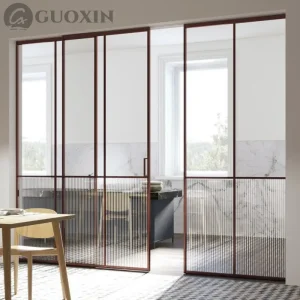
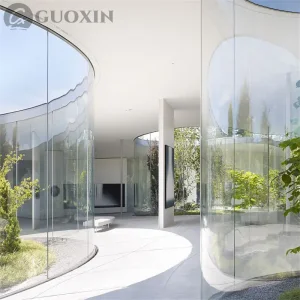
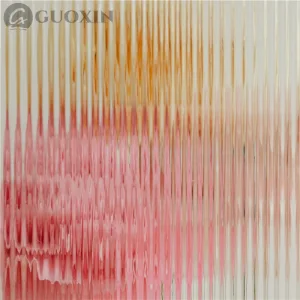
An industry-leading enterprise with a two-decade track record in advanced glass fabrication and commercial fenestration engineering.
Jiangsu Guoxin Glass Co., Ltd. has grown into a leading enterprise in the glass industry, with a stable and successful track record spanning two decades. Our company has accumulated a wealth of experience in the research and development, production, and marketing of high-performance aluminum windows, fireproof glass, laminated glass, and insulated glass.
Operating from our state-of-the-art production facility, we utilize fully automated CNC glass processing machinery, advanced convection tempering furnaces, and precision robotic insulating glass assembly lines. This integrated approach allows us to maintain consistent structural tolerances and meet strict international building codes.
Addressing structural requirements, seismic movements, and thermal performances in modern global architecture.
Optimizing window-to-wall ratios (WWR) using high-performance thermal break profiles and triple-glazed insulated units, achieving thermal values compatible with Passive House requirements.
Engineering curtain wall structures to withstand high-velocity wind loads. Utilizing SentryGlas Plus (SGP) and PVB laminates to ensure integrity in extreme pressure differentials.
Utilizing varied glass thicknesses within insulated units combined with acoustic interlayers to achieve high Sound Transmission Class (STC) ratings in high-density urban zones.
Our facility houses advanced production lines, each equipped with processing technology to maintain structural tolerances.

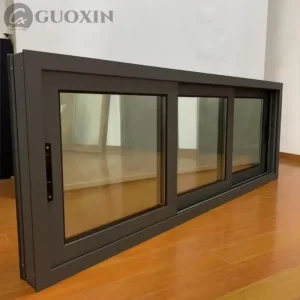
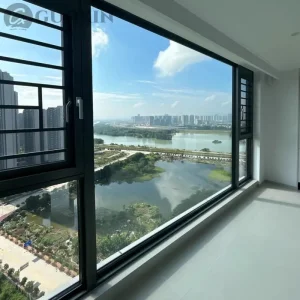
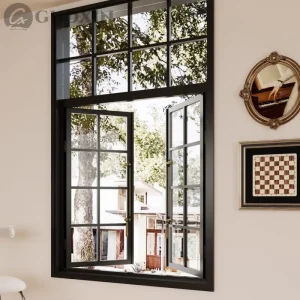
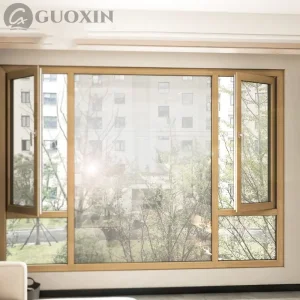
Precision-extruded structural aluminum profiles integrated with high-performance thermal insulation layers. Available in casement, sliding, and dynamic tilt-turn configurations.
Certified multi-laminated fire-resistant glass providing thermal protection and smoke isolation. Compliant with international standards for commercial partition boundaries.
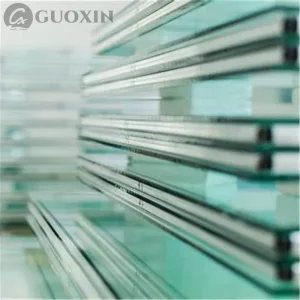
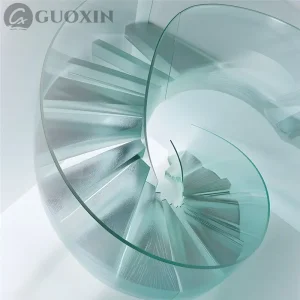
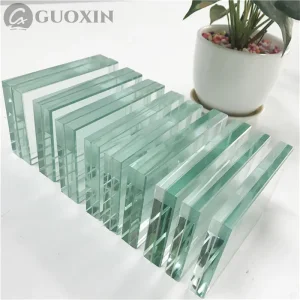
High-integrity PVB or structural SGP laminated safety units designed to retain fragmented glass particles upon impact, reducing liability risks in overhead glazing applications.
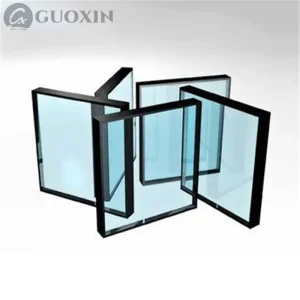
Dual or triple chamber hermetically sealed units filled with Argon gas. Configured with low-emissivity coatings or high-density polycarbonate interlayers for security applications.
Meeting international building regulations and engineering standards across global architectural markets.
Architectural projects demand compliance with varying local building codes. Guoxin Glass configures fenestration systems to address localized regulatory requirements, including wind load certifications in hurricane zones, thermal transmittance restrictions in colder climates, and solar heat control in tropical regions.
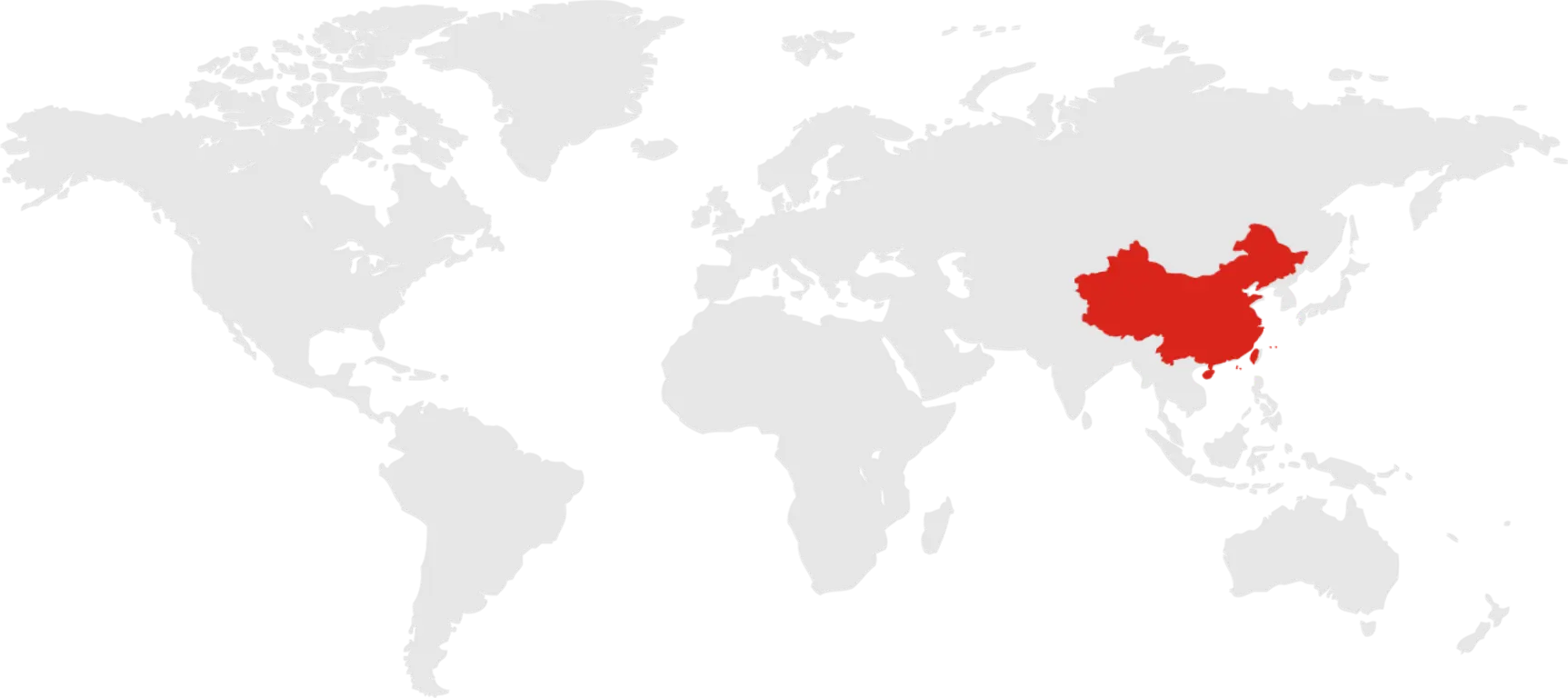
We supply engineered glazed units to diverse global markets. Our technical team works with regional contractors to verify structural calculations, wind pressure tolerances, and seismic safety requirements.
Documented structural applications of Guoxin glass systems in challenging architectural builds.
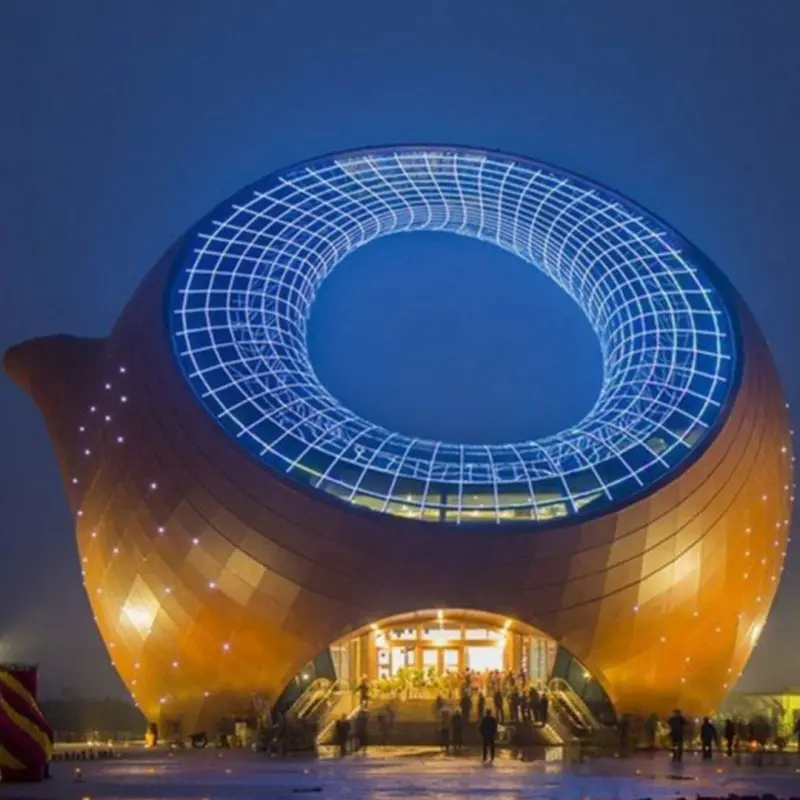
Recognized as the world's "largest purple clay pot shaped building," this structure reaches 38.8 meters in height. The envelope features curved aluminum framing and custom-fabricated glass units, with each panel processed to unique geometric specifications. The dome structure utilizes artistic stained glass, displaying our precision fabrication and structural processing capabilities for non-linear envelopes.
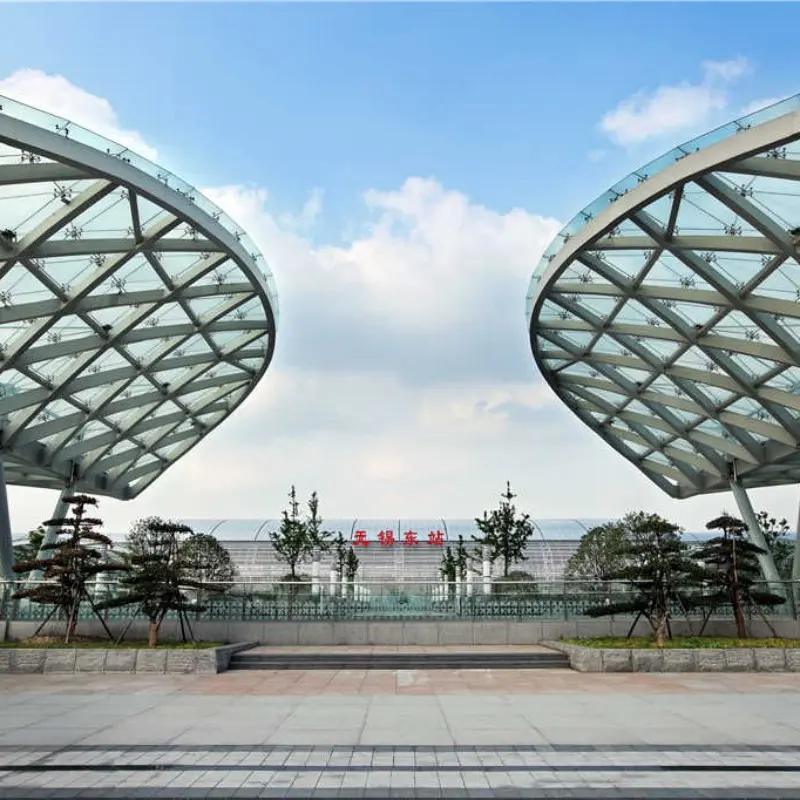
Redeveloped in 2005 and 2018, Wuxi Railway Station features a double-sided elevated transit hall structure. The installation uses thousands of high-performance laminated glass panels engineered to withstand dynamic vibration stresses and wind-load variations. The facility handles a daily capacity of more than 120,000 passengers, requiring high mechanical stability and safety compliance.

Zifeng Tower is a 450-meter skyscraper (the 7th tallest building in the world upon completion in 2009). The building's stepped facade features custom triple-insulated solar control glass designed to handle structural load-bearing requirements. The glazing system regulates internal thermal conditions, minimizing artificial illumination and HVAC loads without external shading structures.
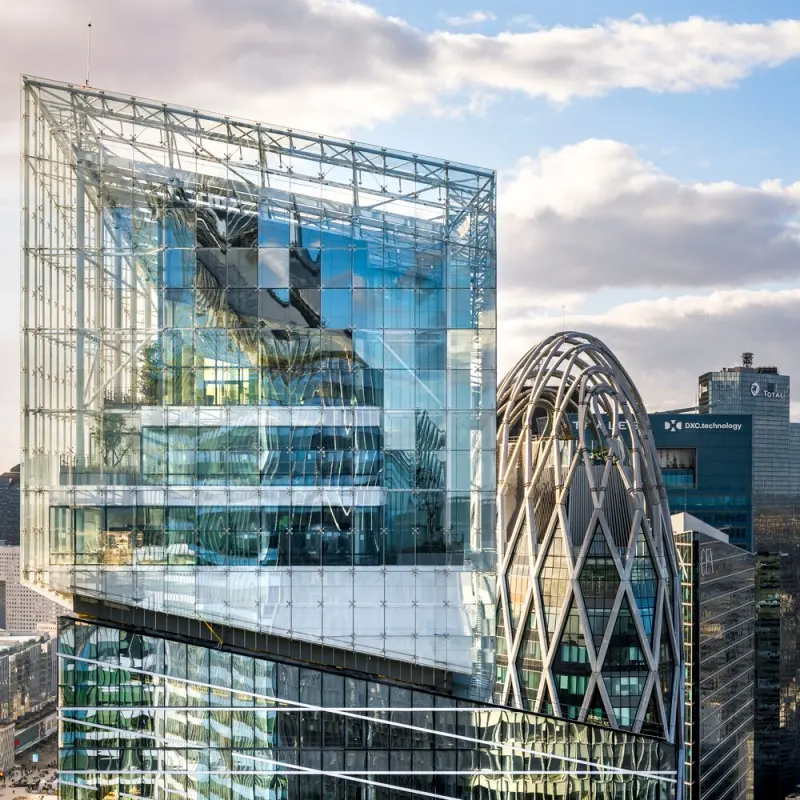
Integrated facade solutions designed for structural thermal control and acoustic isolation.
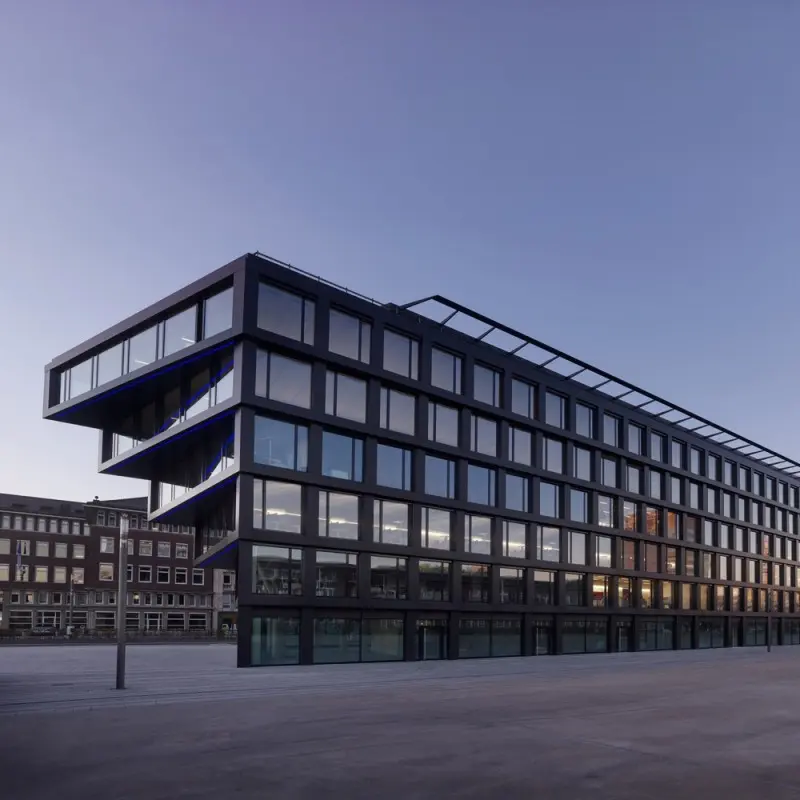
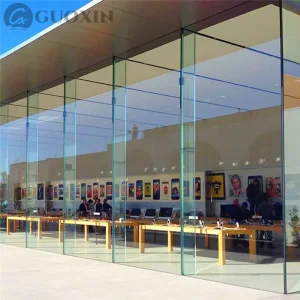
Collaboratively engineered glass curtain walls with low-emissivity coating matrices.
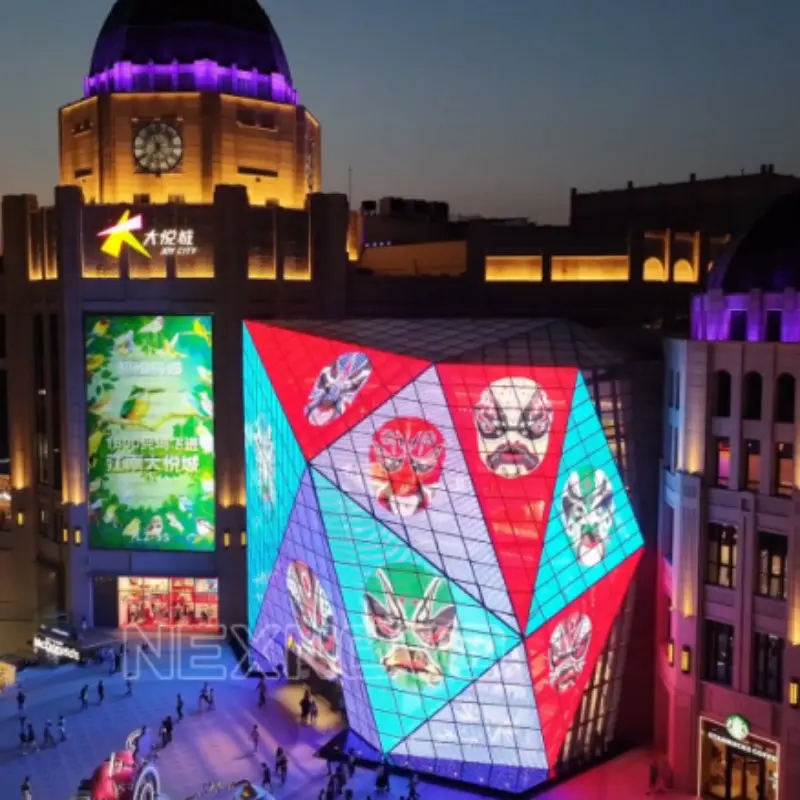
Smart electrochromic and insulated glass installations for commercial retail spaces.
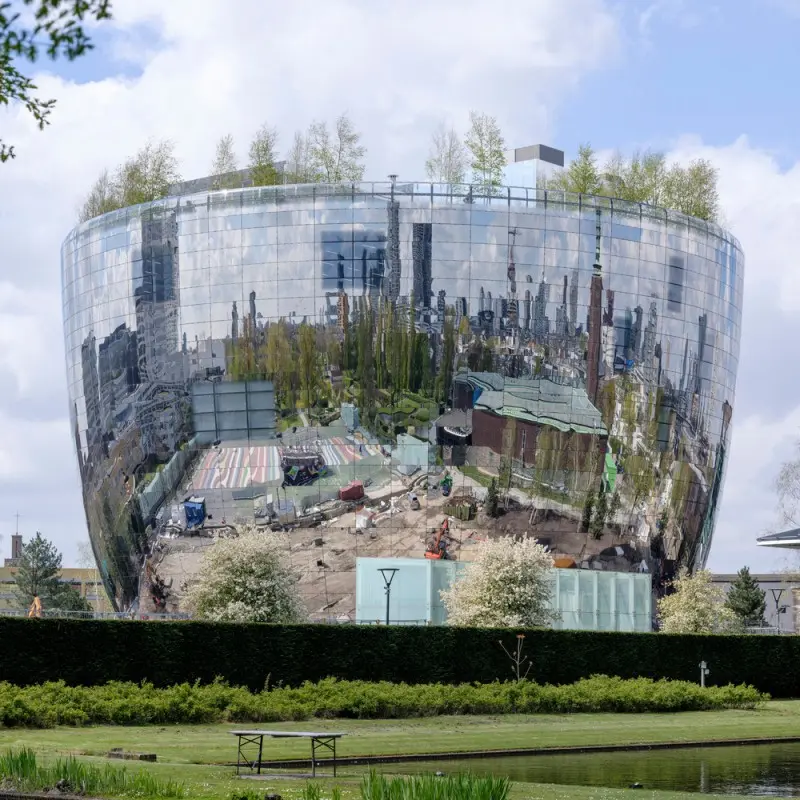
Spherical double-curved reflective glass facade providing integration with the surrounding park environment.
Guoxin Glass supports structural customization. Through advanced automated CNC cutting, drilling, edging, tempering, laminating, and insulating systems, we control dimensional tolerance deviations below standard requirements.
Our integration of structural glazing and thermally broken aluminum profiles allows project engineers to specify customized window properties, balancing U-value, solar control, light transmission, and sound reduction.
Guoxin Glass maintains quality certifications to comply with global construction specifications.
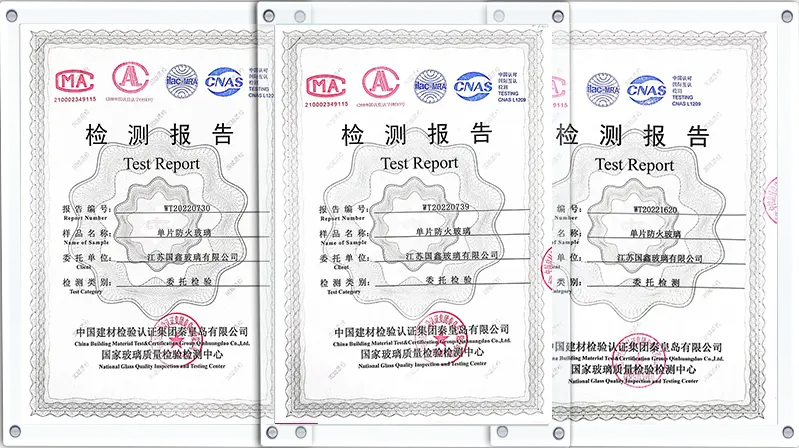
Fully compliant with international quality management systems, covering fabrication, laminating, and structural glazing assembly.
Our tempered and laminated safety glass units meet CE (EN12150), SGCC (ANSI Z97.1), and AS/NZS 2208 structural requirements.
Insulated glass units are tested for gas retention, dew point performance, and sound transmission loss (STC) ratings.
Expert insights on thermal performance, structural glass configuration, and code compliance.
Thermally broken (broken bridge) aluminium profiles use a structural polyamide barrier inserted between the inner and outer aluminum frames. This configuration reduces thermal conductivity while retaining the structural load capacity of aluminum. In contrast, plastic steel (reinforced PVC) offers low material thermal conductivity but has lower structural load resistance, making it less suitable for large commercial spans or high wind load configurations.
Conventional float glass cracks under thermal shock at approximately 120°C, and standard tempered glass loses integrity at around 250°C. Fireproof glass is processed as either monolithic borosilicate glass or multi-laminated glass featuring gel interlayers. Under thermal load, these gel layers swell to form an opaque thermal shield, providing heat insulation and smoke containment to meet regulatory ratings (such as 30, 60, 90, or 120 minutes).
SGP interlayers are 5 times stronger and up to 100 times stiffer than standard PVB interlayers. SGP is specified for structural applications where glass must remain rigid under load even after cracking, such as overhead glazing, balustrades, and hurricane-prone facades. PVB is typically specified for standard acoustic and impact safety applications.
The wind-load resistance of an Insulating Glass Unit (IGU) depends on the individual glass pane thicknesses and the spacer width. Increasing glass pane thickness (e.g., from 6mm to 10mm or 12mm) directly increases the section modulus of the glass. The air or argon cavity thickness (e.g., 12mm, 16mm, or 20mm) helps distribute dynamic loads between the outer and inner glass panes, optimizing performance under wind pressure.
To address the risk of spontaneous breakage caused by Nickel Sulfide (NiS) inclusions in tempered glass, Guoxin Glass performs Heat Soak Testing (HST) in accordance with EN 14179-1 standards. This process subjects tempered glass to a controlled thermal cycle, accelerating the volume expansion of any NiS inclusions to cause failure during testing rather than post-installation.
Explore our range of energy-efficient glass, casement window assemblies, and architectural glazing solutions.
 Guoxin