Explore our core product portfolio manufactured to international structural and safety standards.
An authoritative analysis of advanced glass engineering, structural mechanics, and factory capabilities.
In modern architecture, glass has evolved from a passive cladding element into a critical structural material. As a premier OEM Tempered Glass and Laminated Glass Supplier & Factory, we recognize that structural engineers, facade consultants, and global procurement departments demand materials that balance extreme load capacity, environmental control, and uncompromising safety. This document analyzes the mechanical properties, manufacturing methodologies, and quality assurance processes required to produce glass that meets international building codes (ASTM, EN, AS/NZS, and GB).
By employing state-of-the-art tempering furnaces and cleanroom autoclaves, we deliver high-performance solutions for complex curtain walls, overhead glazing, hurricane-resistant building envelopes, and blast-resistant partitions. Through rigorous physical testing and continuous material research, we provide the ultimate level of structural reliability for landmarks worldwide.
Established Year
Years of R&D Experience
Advanced Product Lines
Certified Quality Management
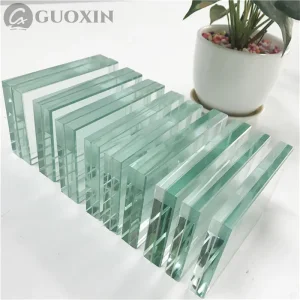
Understanding the operational differences between tempered and laminated glass is critical for proper structural selection. Tempered glass undergoes a thermal treatment process that introduces high compressive stresses to the glass surface, balanced by internal tensile stresses. This thermal profile yields a material that is four to five times stronger than annealed glass of the same thickness.
Conversely, laminated glass consists of two or more layers of glass bonded together with a polymeric interlayer—typically Polyvinyl Butyral (PVB) or SentryGlas Plus (SGP). While the glass itself may be annealed, heat-strengthened, or fully tempered, the interlayer provides post-breakage integrity, retaining glass fragments in the event of failure and preventing structural collapse.
| Glass Type | Typical Interlayer / Treatment | Mechanical Strength | Post-Breakage Behavior | Primary Application |
|---|---|---|---|---|
| Fully Tempered Glass | Thermal stress (650°C + rapid quench) | 4–5x annealed strength | Disintegrates into small, blunt particles | Balustrades, shower enclosures, storefronts |
| PVB Laminated Glass | 0.38mm – 1.52mm PVB Interlayer | Equal to component glass sheets | Fragments adhere to the interlayer; flexible collapse | Acoustic glazing, safety overhead doors, skylights |
| SGP Laminated Glass | 0.89mm – 3.00mm SGP Ionoplast | Up to 5x stiffer and 100x tougher than PVB | Excellent post-breakage load-bearing capacity | Structural glass fins, balustrades, hurricane zones |
| Insulated Glass Units (IGU) | Double/Triple chamber + Argon gas spacer | Dependent on glass components used | Varies based on tempered/laminated configuration | Energy-efficient building facades, green architecture |
Our factory utilizes advanced CNC cutting tables, automated double-edging machines, and convection tempering furnaces capable of handling jumbo-size glass panels. The tempering process is closely monitored using real-time thermal scanning to prevent optical distortion and ensure uniform stress distribution.
Lamination is performed in a cleanroom environment (Class 100) with controlled temperature and humidity levels to prevent delamination, bubbles, and haze. The glass sheets are combined with the interlayer, passed through prepressing rollers to expel air, and loaded into an autoclave. Here, heat (up to 145°C) and pressure (up to 13 bar) bond the glass and interlayer into a single, optically clear structural unit.
Certified ISO 9001:2015 processes. Every batch undergoes impact tests, fragment counting, and surface stress measurements.
Fully automated glass cutting, washing, assembly, and autoclaving lines ensure high dimensional precision and quick lead times.
Meets European EN 12150 & EN 14449, American SGCC ANSI Z97.1, Australian AS/NZS 2208, and Chinese CCC certifications.
Our state-of-the-art production facility houses multiple advanced production lines, each equipped with cutting-edge technology.

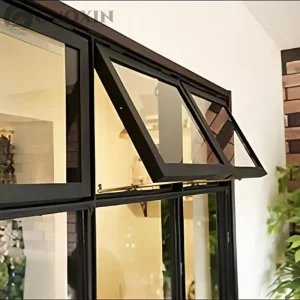
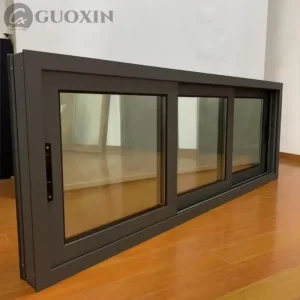
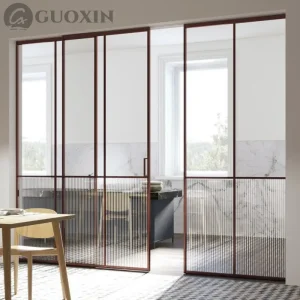
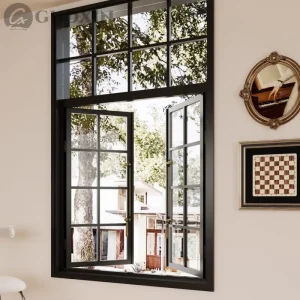
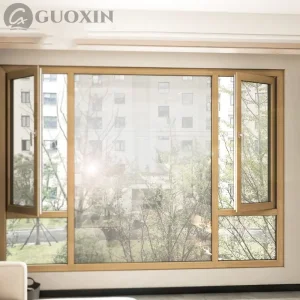
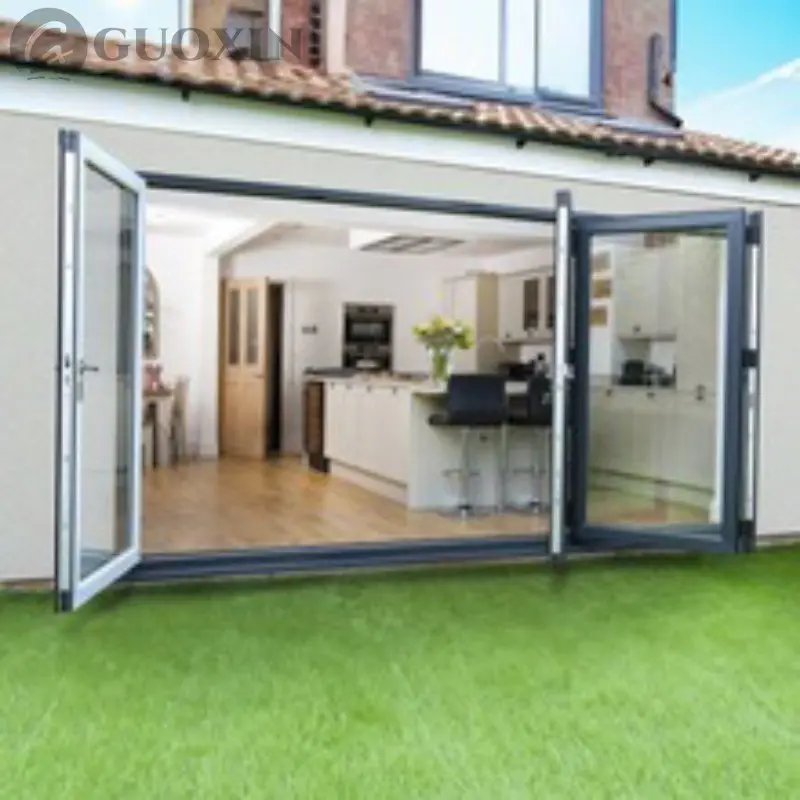
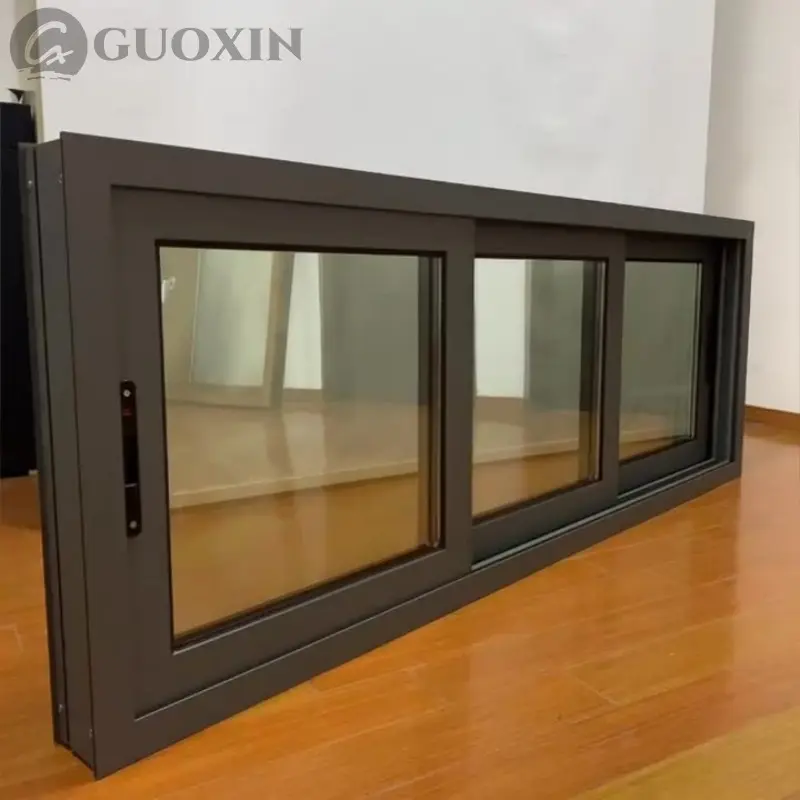
Precision engineered thermal break aluminum structures designed for commercial and residential applications.
High integrity thermal protection panels capable of blocking flames, smoke, and heat radiation.
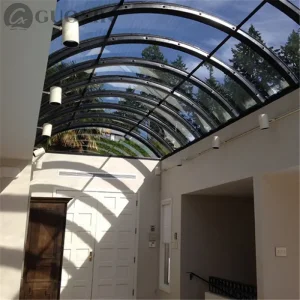
High safety factor panels utilizing premium PVB/SGP interlayers for structural failure protection.
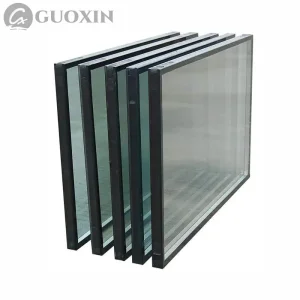
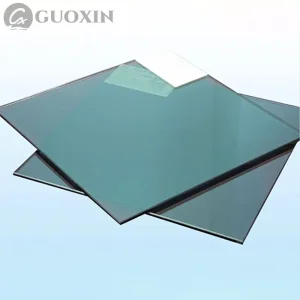
Dual-seal low-E glass assemblies offering superior thermal resistance and acoustic insulation.
Multi-layer polycarbonate and glass composites designed to withstand high-velocity ballistic impacts.
This allows us to produce a wide variety of high-quality glass doors and windows with remarkable precision and efficiency.
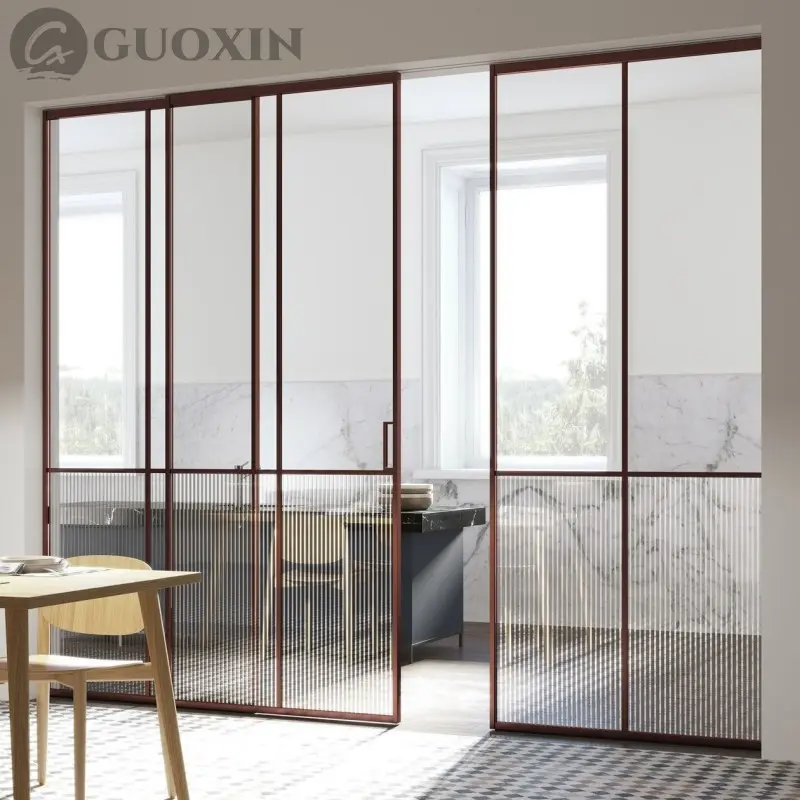
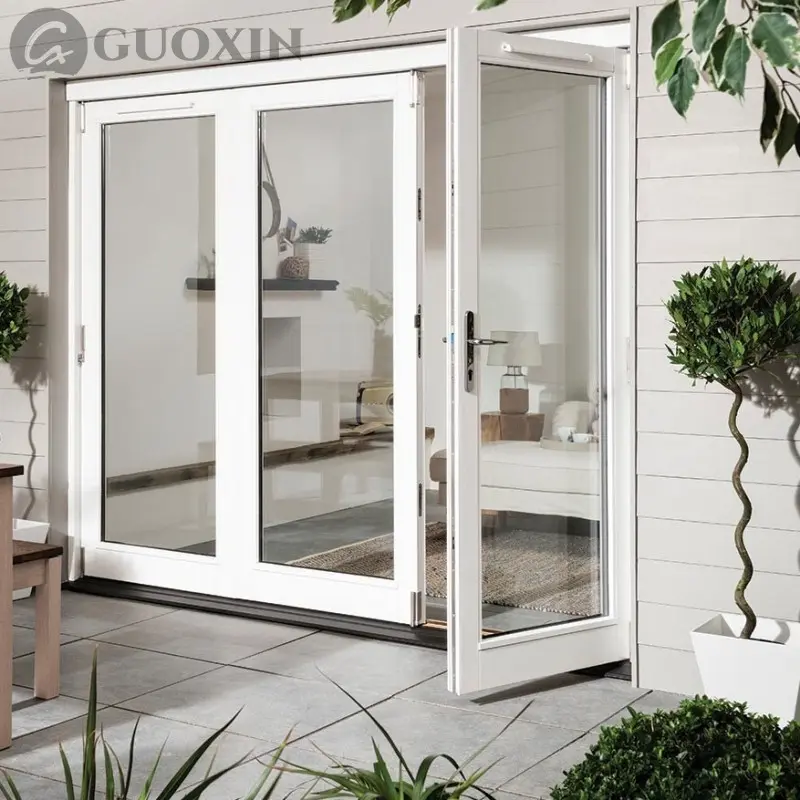
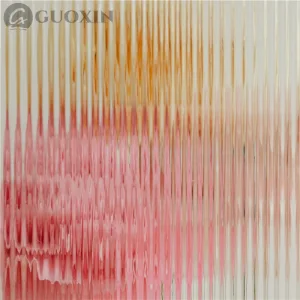
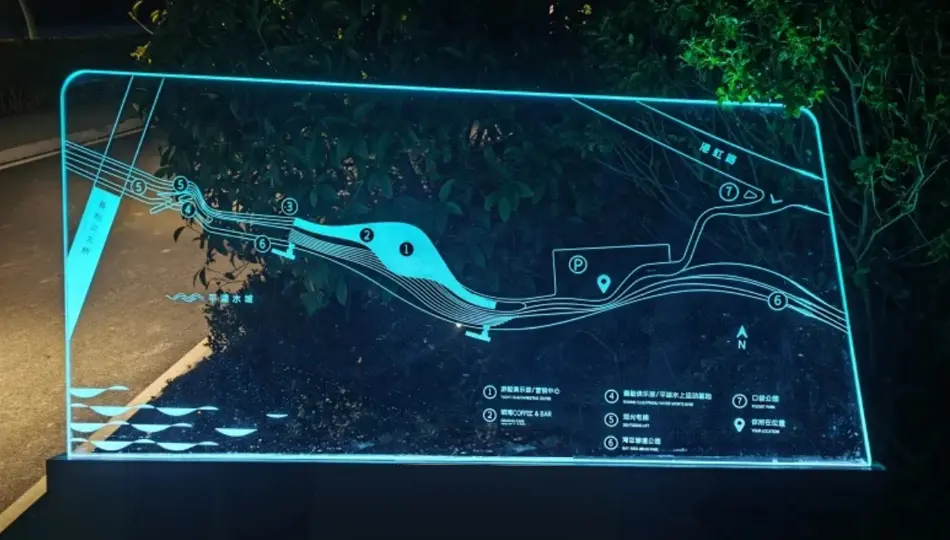
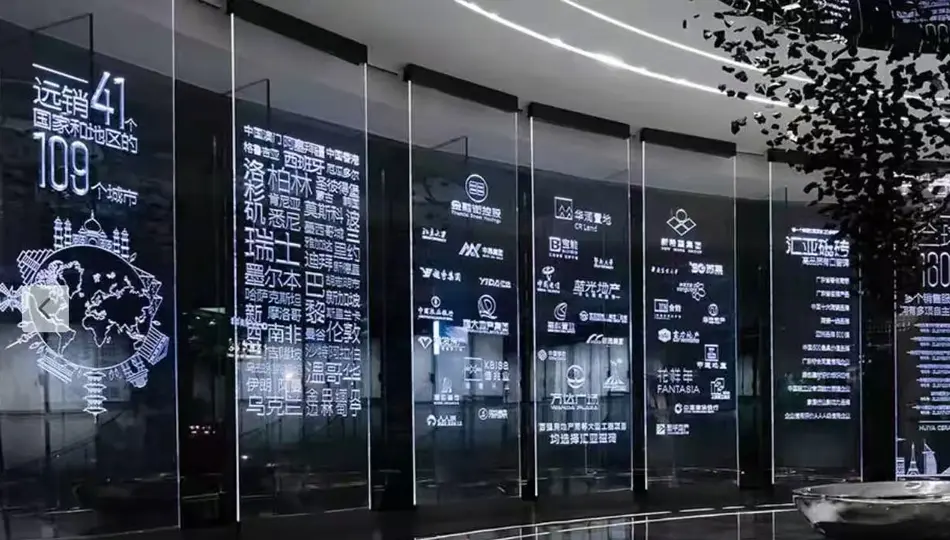
Pushing the boundaries of glass aesthetics with precision sub-surface laser engraving technology.
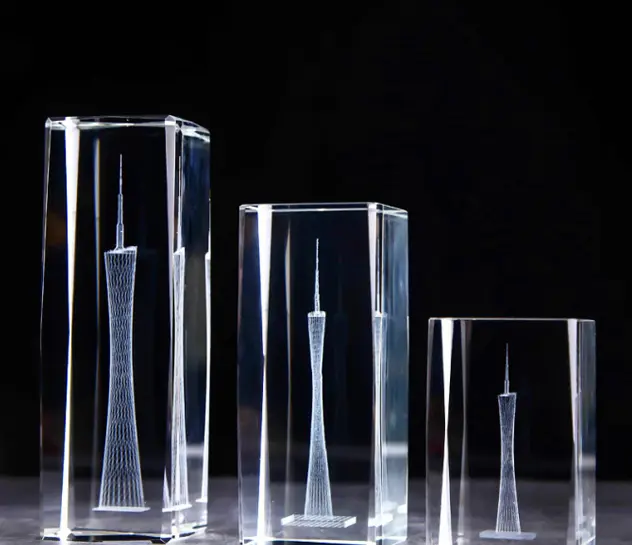
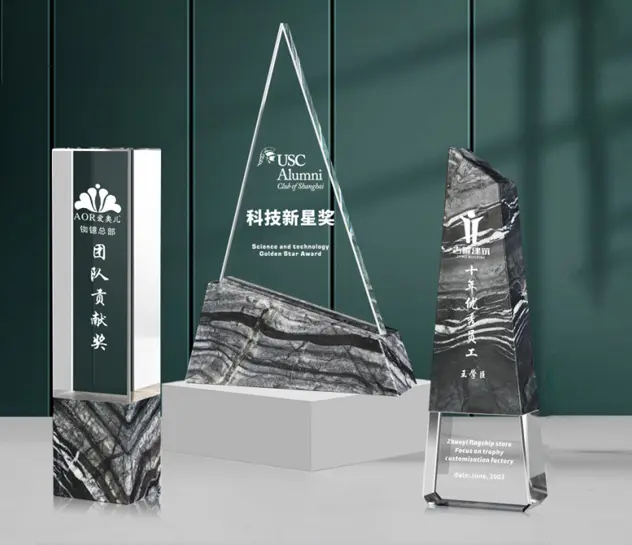

Demonstrating our ability to deliver highly complex, custom architectural glass on a monumental scale.
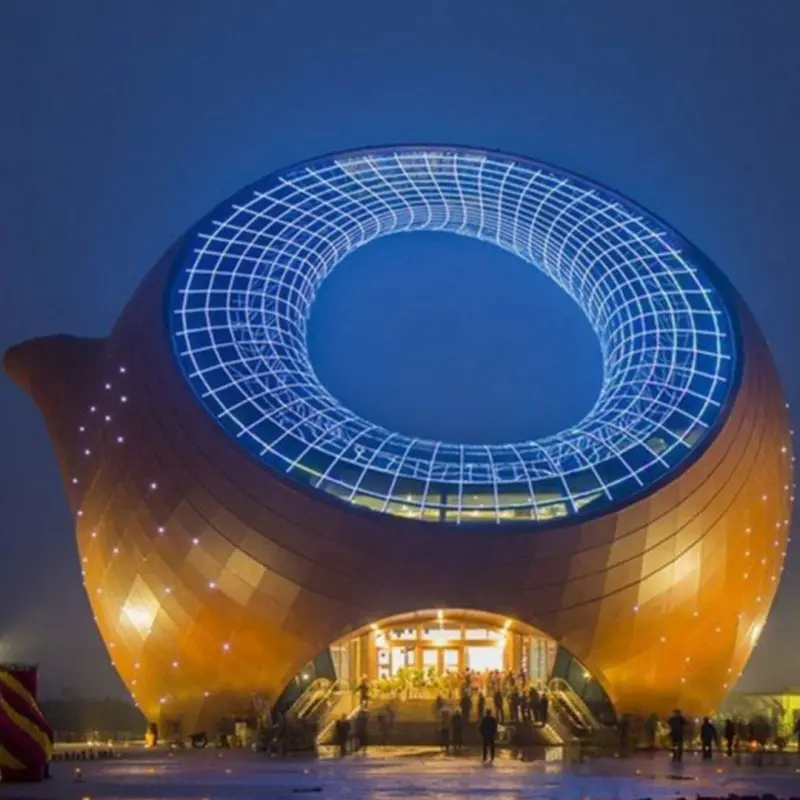
Awarded the Guinness World Record for the largest purple clay pot shaped building. Standing 38.8 meters high, the envelope features complex 3D curved aluminum frames and custom tinted art glass panels.
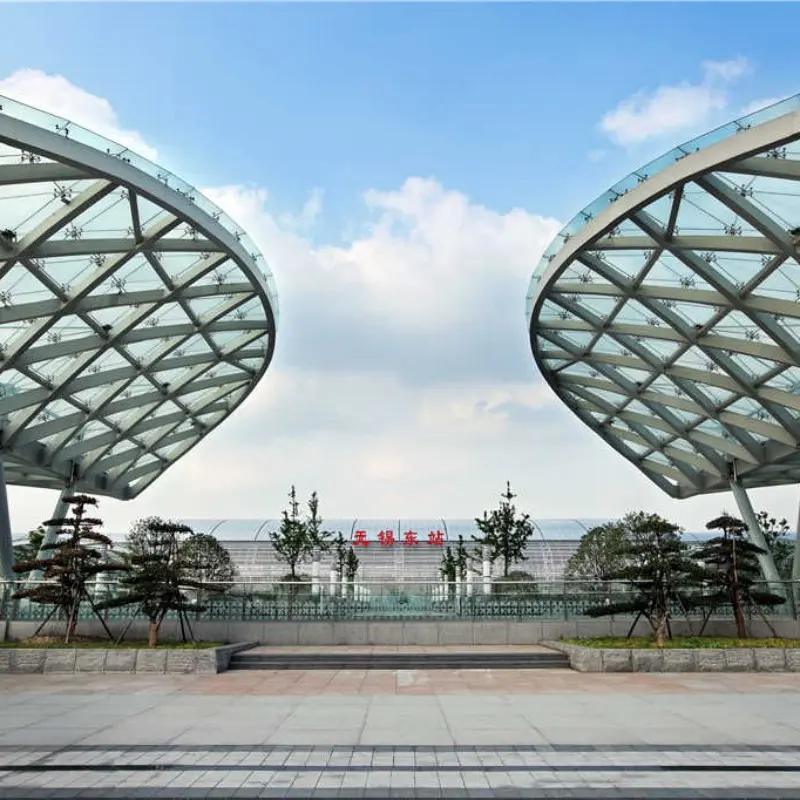
Originally built in 1989 and renovated in 2005/2018. The project utilized thousands of high-strength structural laminated glass panels to accommodate a daily passenger flow of over 120,000.

A 450-meter (1,480 ft) skyscraper ranking among the world's tallest. We supplied high-performance triple-insulated solar control glass panels for its complex stepped curtain wall envelope.
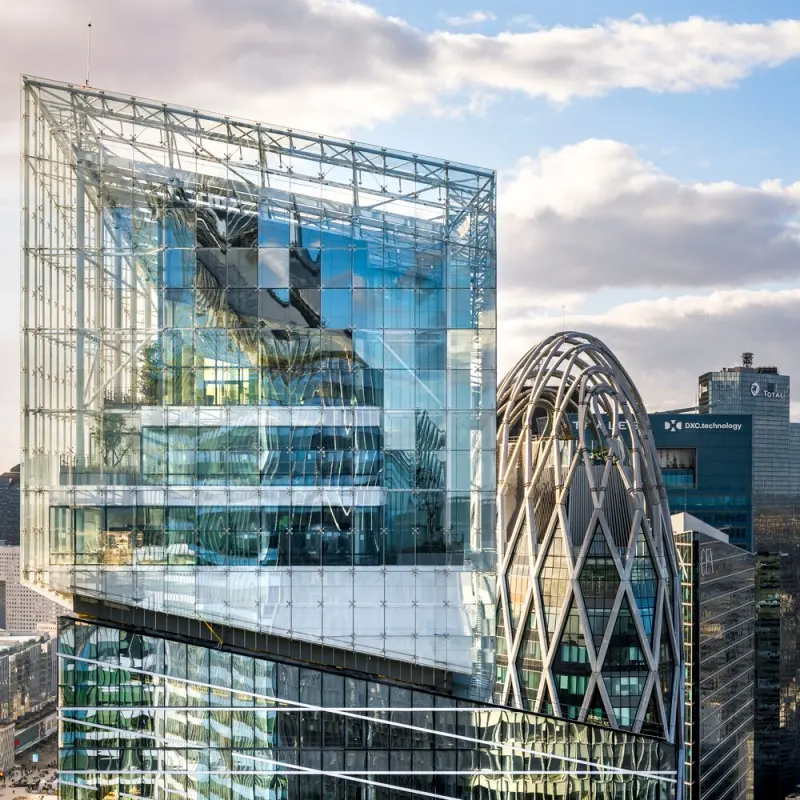
Designed with predictive daylighting algorithms that eliminate the need for mechanical shutters. Incorporates smart glass panels that dynamically adjust tint based on direct solar heat gain.
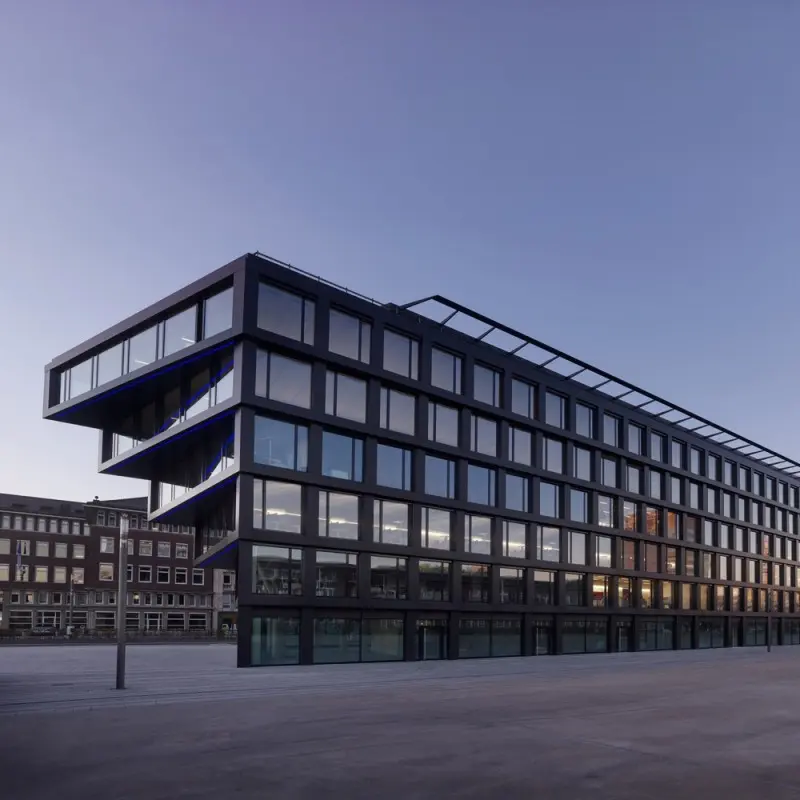
Utilizes acoustic and triple-insulated glazed units combined with high-recovery ventilation designs. Engineered for an overall heat recovery rate exceeding 80% for sustainable buildings.
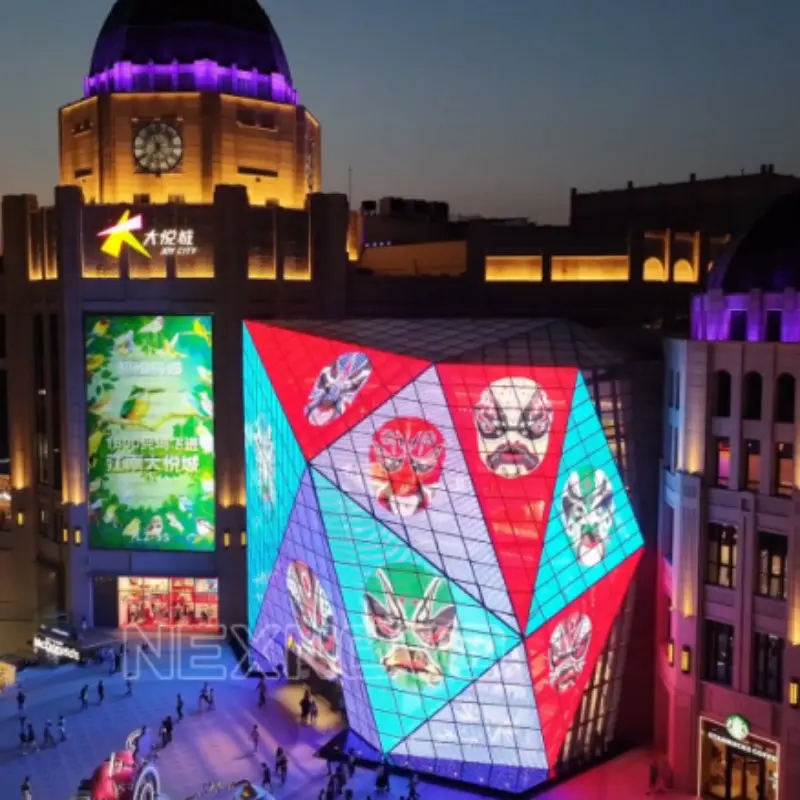
A vibrant lifestyle shopping complex featuring smart-tint glass solutions that transition transparent parameters dynamically, establishing an aesthetic landmark in commercial business design.
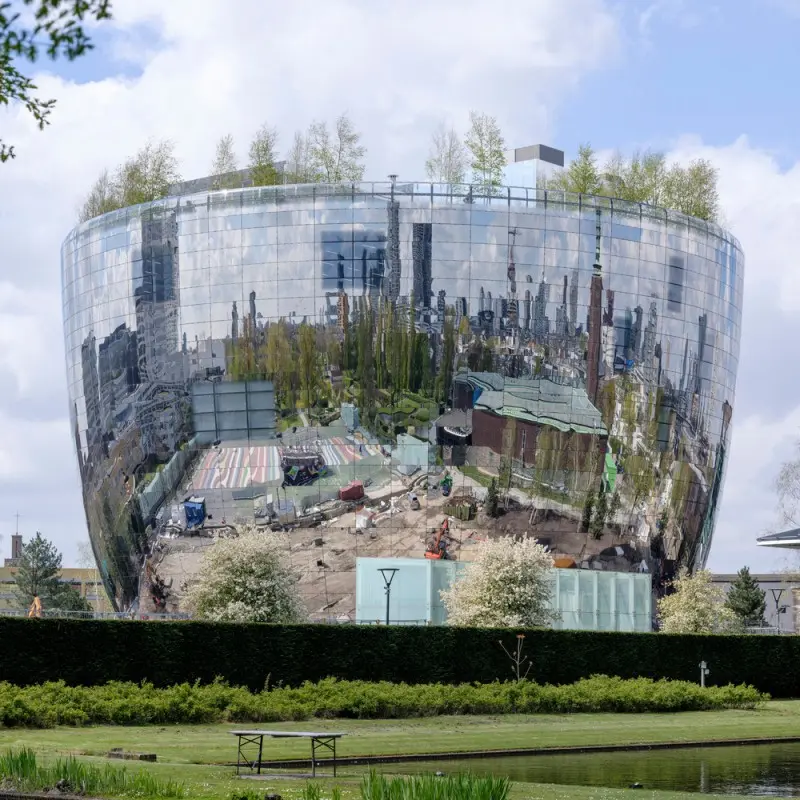
Covered by 15,000 square meters of highly reflective double-curved glass panels. Seamlessly integrates the massive structure into the surrounding museum park and urban canvas.
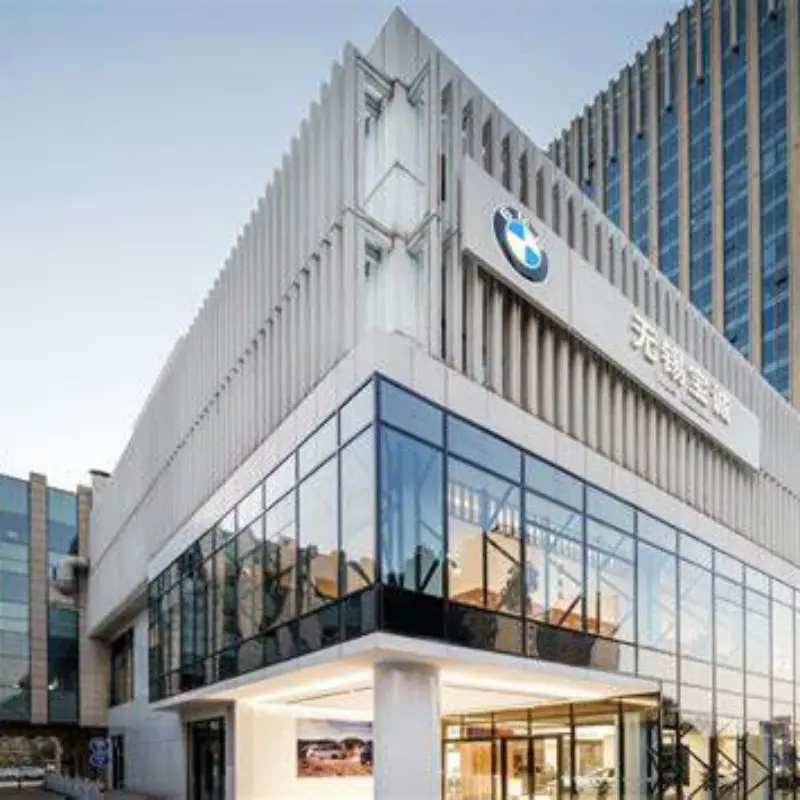
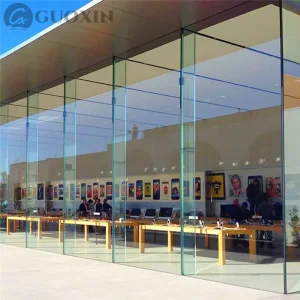
Optimized with custom jumbo floor-to-ceiling reflective glass sheets. Enhances internal illumination while optimizing structural solar control to lower HVAC operating overheads.
Providing information gain through insight into tomorrow's glass engineering paradigm.
The integration of smart glass into standard laminates represents the future of architectural facades. Modern commercial projects require dynamic glazing systems that interact with solar position and ambient light levels. Our current R&D is focused on scaling up the deposition of metal oxides (such as tungsten trioxide) inside laminated glass assemblies. Under a low-voltage electrical current, these oxides undergo a reversible color change, shifting the glass from clear to tinted to block up to 98% of visible light and 90% of solar radiation.
While triple-pane insulated glass units have historically been the solution for high-efficiency envelopes, they introduce significant weight and thickness penalties. VIG solves this by evacuating the air cavity between two glass sheets to create a vacuum of less than 0.1 Pa. The thin vacuum layer prevents thermal convection and conduction, yielding U-values equivalent to solid masonry walls (down to 0.4 W/m²K) in a package only slightly thicker than standard monolithic glass.
Glass manufacturing is historically energy-intensive. To support ESG metrics of our multinational clients, our production line upgrades include switching to electric melting systems, utilizing pre-consumer recycled cullet, and installing solar microgrids on the factory roof. These initiatives lower the embodied carbon of our glass products by up to 28% compared to industry averages, contributing directly to LEED and BREEAM project points.
We export to major markets worldwide, offering localized regulatory documentation for seamless structural compliance.
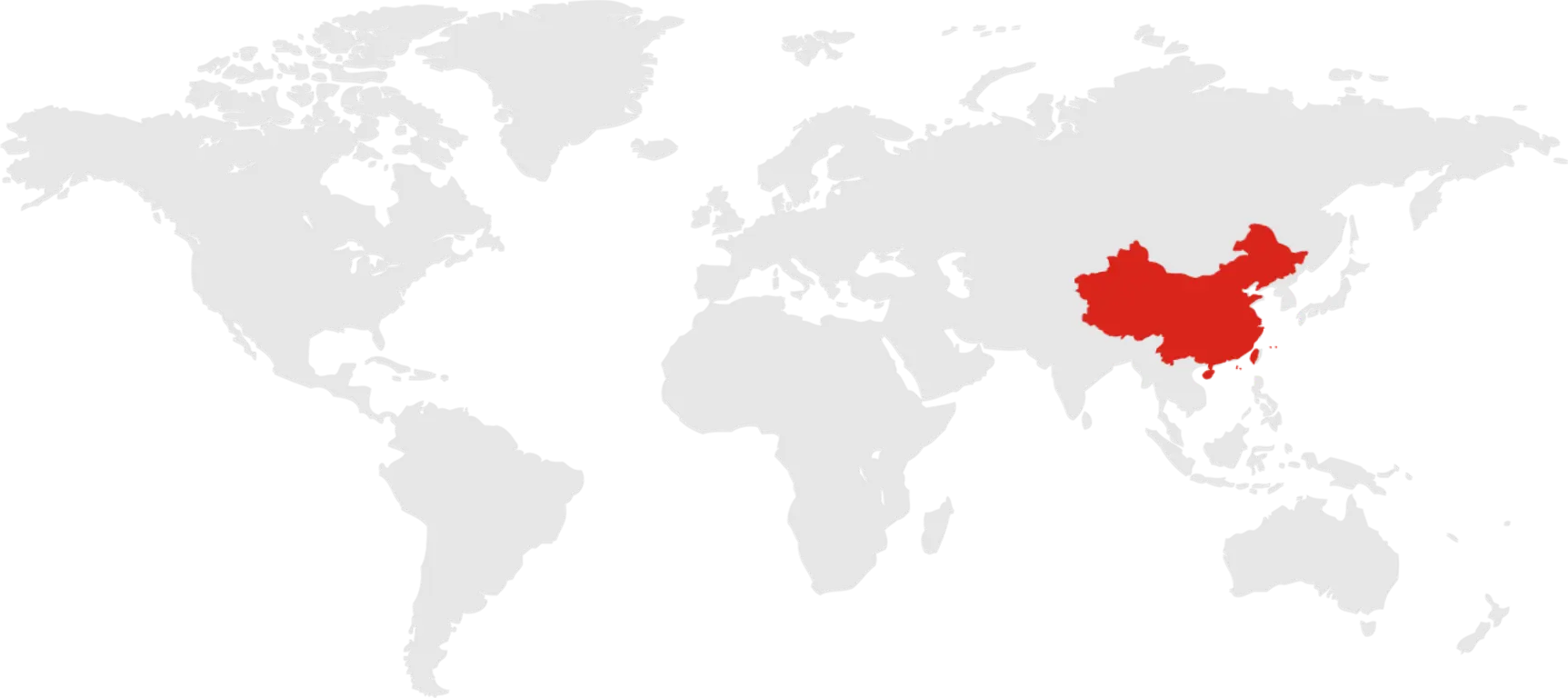
Approved Supplier for Projects in: Japan, Italy, Spain, Portugal, Britain, France, Germany, Finland, Sweden, Norway, Australia, New Zealand, Peru, Mexico, United States, Canada
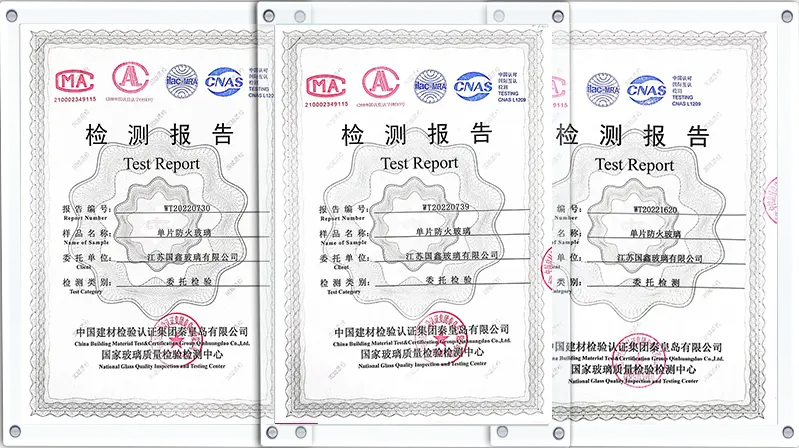
Jiangsu Guoxin Glass Co., Ltd. strictly adheres to the ISO 9001:2015 Quality Management System to guarantee batch consistency and absolute material traceability.
READ THE COMPLIANCE ANNOUNCEMENT →Answers to complex structural design and engineering questions derived from original architectural projects.
Discover our custom processed architectural, reflective, and insulated glass configurations.
Watch our manufacturing plant in action, presenting our tempering, laminating, and assembly lines.
Contact our structural engineering team today for technical data sheets, structural load calculations, and competitive pricing for your commercial architectural bids.
Contact Us / Get a Quote Guoxin