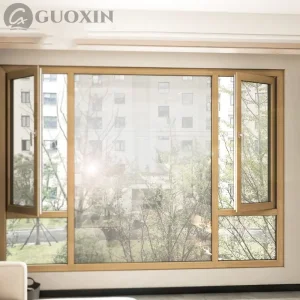
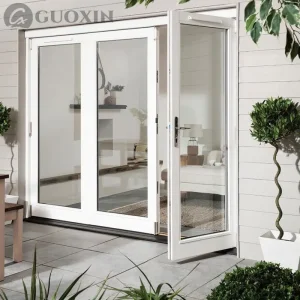
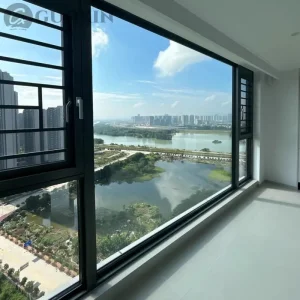
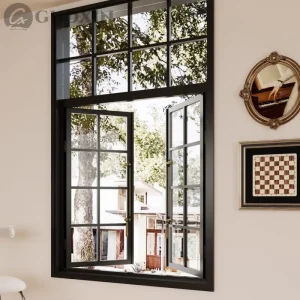
1. The Global Landscape of Aluminium Windows: As the global construction sector pivots towards Net Zero targets, the demand for high-performance thermal insulation is unprecedented. Aluminium, recognized for its infinite recyclability and superior strength-to-weight ratio, has become the substrate of choice for modern architectural envelopes. Our OEM manufacturing processes leverage advanced thermal break technology, ensuring that aluminium frames achieve U-values previously thought impossible.
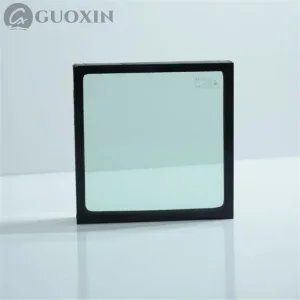
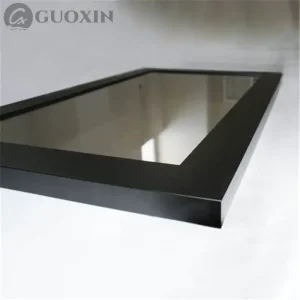
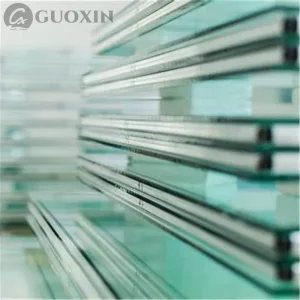
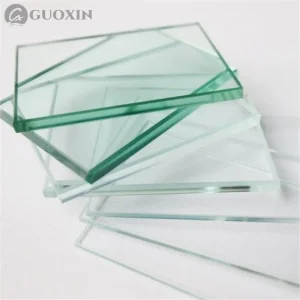
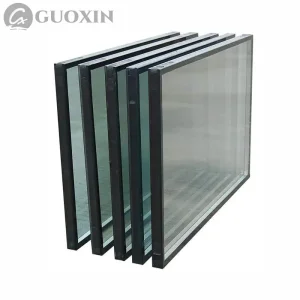
2. Information Gain: Why Double Glazing Matters: Double glazing is no longer just about noise reduction. It is a critical component of building physics. By creating a hermetically sealed argon-filled cavity between two panes of tempered or laminated glass, manufacturers can reduce conductive heat loss by up to 60%. Our technical approach incorporates low-emissivity (Low-E) coatings that selectively reflect infrared radiation while permitting visible light transmission, effectively optimizing the building’s solar heat gain coefficient (SHGC).
3. Industry Trends & Technology Roadmap: The industry is currently witnessing a transition from standard double glazing to "Smart Glazing"—integrating PDLC (Polymer Dispersed Liquid Crystal) and electrochromic layers directly into the OEM fabrication line. Our factories are at the forefront of this integration, offering precise, automated robotic assembly that ensures 99.9% seal integrity, critical for preventing condensation and gas leakage over a 20+ year lifespan.
4. Localized Application Strategies: We understand that a window in a tropical climate requires different spectral selectivity than one in a Nordic climate. Our OEM solutions include specialized edge-sealing technologies and custom glazing compositions tailored to local humidity, wind loads, and thermal expansion requirements.
State-of-the-art production lines for precision engineering.
A: OEM factories control the R&D, material sourcing, and precision assembly lines. This allows for total customization—from glazing thickness to aluminium alloy composition—and provides direct supply chain accountability, resulting in lower costs and higher quality assurance.
A: Double glazing creates a thermal buffer zone. By incorporating warm-edge spacers and inert gases like Argon, the system minimizes thermal bridging, drastically reducing the energy required for HVAC systems to maintain internal temperatures.
A: Absolutely. Our engineering team validates profiles against major international standards (ASTM, EN, AS/NZS), ensuring compliance for structural load, wind resistance, and fire safety protocols.
 Guoxin