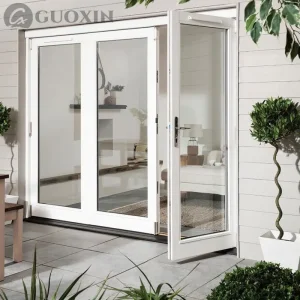
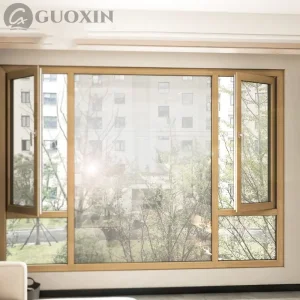
The global aluminium fenestration industry is undergoing a paradigm shift driven by decarbonization mandates and the demand for high-performance building envelopes. As an OEM manufacturer, we observe that the transition from traditional frame materials to thermally broken aluminium systems is no longer a luxury but a standard for commercial and high-end residential projects.
Current R&D focuses on Thermal Break Technology (polyamide strips) which bridges the conductivity gap in aluminium. Our factories are integrating predictive algorithms to optimize material waste and enhance the structural integrity of curtain wall systems. Future trends point towards BIPV (Building Integrated Photovoltaics) and smart electrochromic glass integration directly into aluminium window frames, creating energy-positive building skins.
We provide full-scale OEM/ODM manufacturing services. Our supply chain integration allows for reduced lead times, high-precision customization (CNC machining for complex aluminium extrusions), and stringent quality control compliant with international ASTM and ISO standards. We don't just supply products; we provide architectural building solutions that solve thermal bridging and condensation issues at a structural level.
Q: What is the benefit of choosing an OEM Aluminium Factory over a trading company?
A: OEM factories offer direct control over the manufacturing process, from alloy composition to surface finishing (powder coating/anodizing). This ensures lower costs, consistent quality, and the ability to customize profiles specifically for your climate and load requirements.
Q: How do you ensure energy efficiency in your aluminium windows?
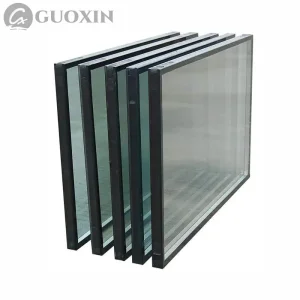
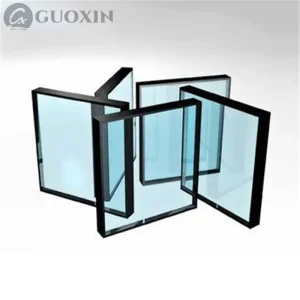
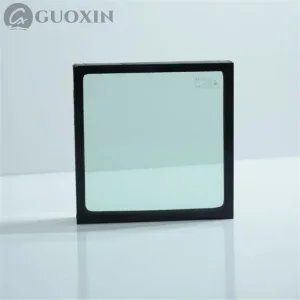
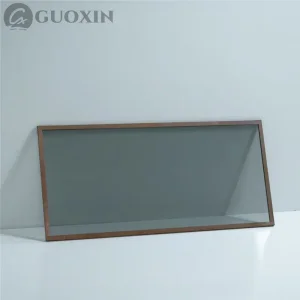
A: We utilize multi-chamber aluminium profiles combined with high-performance double or triple-glazed Low-E glass units. Our thermal-break assemblies significantly reduce U-values, meeting strict Green Building codes.
Q: Can you handle custom projects for high-rise buildings?
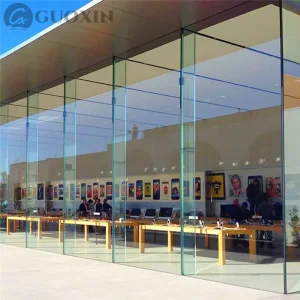
A: Absolutely. Our engineering team specializes in structural calculations for curtain walls, wind load analysis, and seismic resistance testing, ensuring safety and performance in skyscraper applications.
 Guoxin