Explore our top-tier manufacturing outputs, showcasing certified structural strength, optimized energy ratings, and complete customization capabilities.
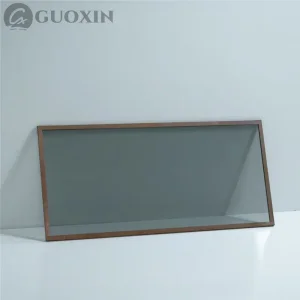
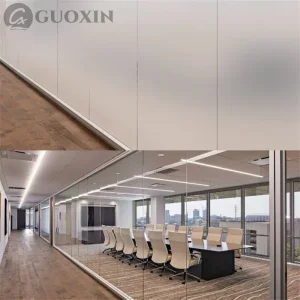
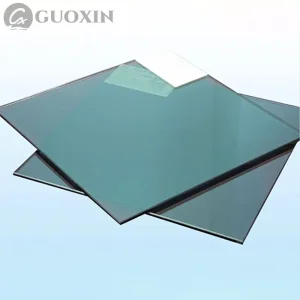
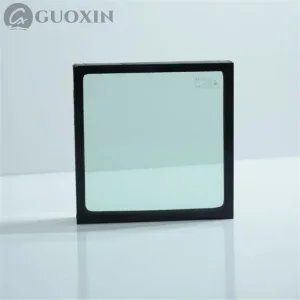
Founded in 2006, Jiangsu Guoxin Glass Co., Ltd. has developed into a formidable leading enterprise in the architectural glass and aluminum structural systems industry. Spanning nearly two decades of continuous innovation and excellence, our company integrates sophisticated research and development, smart manufacturing, and robust supply chain networks.
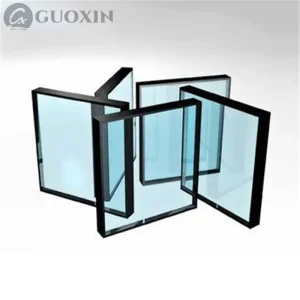
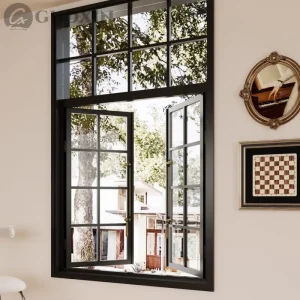
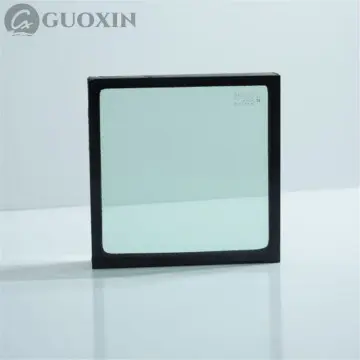
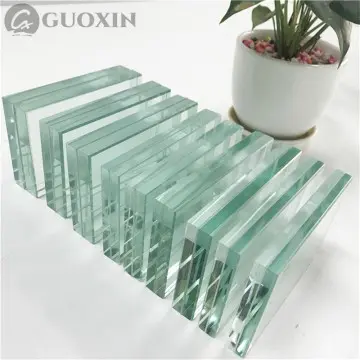
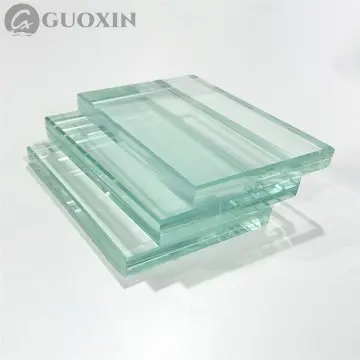
Our structural output is engineered to comply with strict international quality, performance, and environmental standards. We specialize in producing premium aluminum casement windows, advanced thermal break frames, bulletproof glazing, fireproof glass systems, and architectural insulating glass. Equipped with state-of-the-art multi-axis CNC machines and automated insulating lines, we offer reliable OEM and ODM services to satisfy architectural guidelines globally.
By operating specialized manufacturing cells, Jiangsu Guoxin guarantees dimensional accuracy down to ±0.5mm, a level of control critical for high-rise unitized curtain walls and complex window systems. We work closely with real estate developers, structural engineers, and design institutes to customize profile finishes, hardware integrations, and security ratings.
Modern building envelopes are no longer static barriers; they are dynamic systems that dictate the energy balance of structures. With stricter regulations worldwide (such as ASHRAE 90.1, the European Union's Energy Performance of Buildings Directive, and California's Title 24), casement windows have emerged as a primary tool for architects. Casement designs provide compression-seal mechanisms that ensure near-zero air infiltration, making them superior to sliding alternatives. When coupled with advanced double or triple glazing containing argon gas and low-E coatings, our systems reach thermal transmission values (U-factors) below 1.1 W/m²K, which translates to massive savings in HVAC energy consumption.
Aluminium is highly prized for its durability, infinite recyclability, and excellent strength-to-weight ratio. However, its high thermal conductivity historically presented challenges. Jiangsu Guoxin addresses this by utilizing advanced polyamides—specifically PA66 GF25 (polyamide reinforced with 25% glass fiber). By inserting these multi-chamber thermal barriers between the inner and outer aluminum frames, we stop conductive heat loss. This process, often called the "broken bridge" method, provides structural integrity while preventing condensation issues in cold climates and reducing solar energy transfer in tropical regions.
Jiangsu Guoxin's true strength lies in our unified manufacturing of both the structural frames and the glass components. We don't just supply raw profiles; we deliver integrated architectural assemblies. Our systems are engineered to house multiple glazing configurations:
Our facility operates state-of-the-art production lines to engineer high-precision architectural elements.

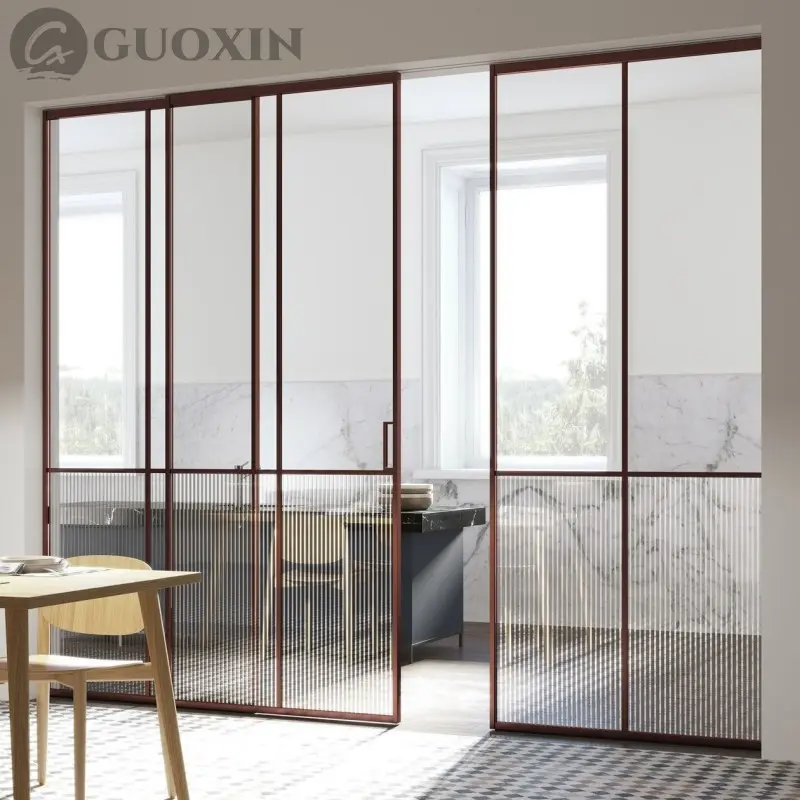
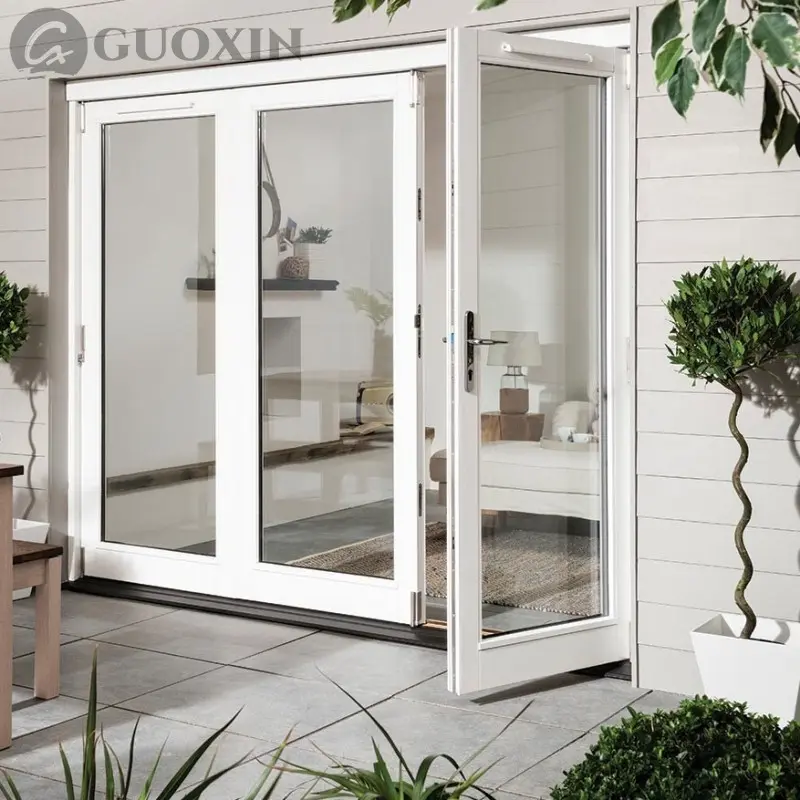
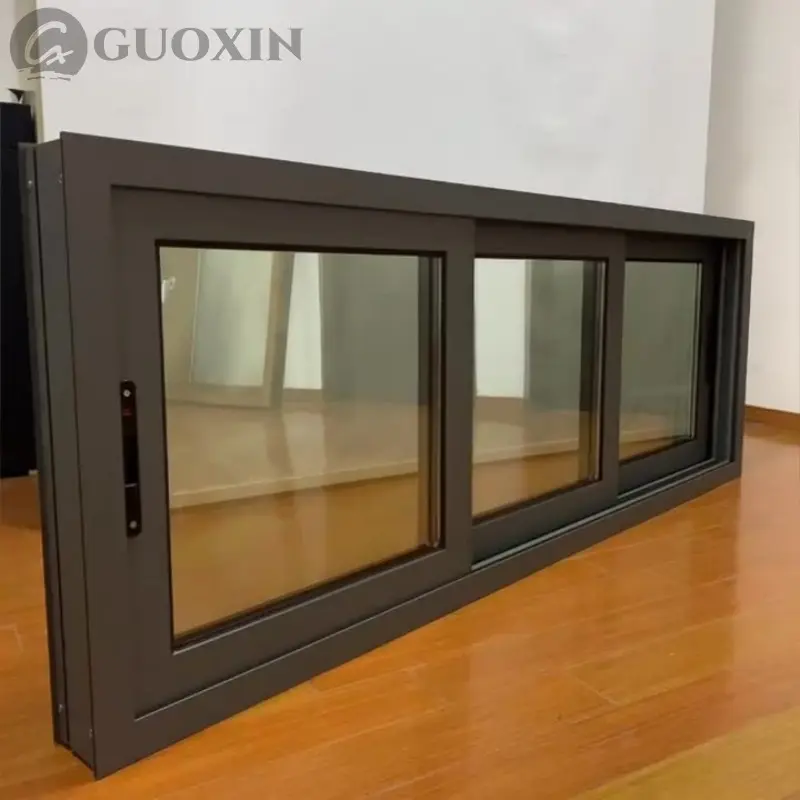
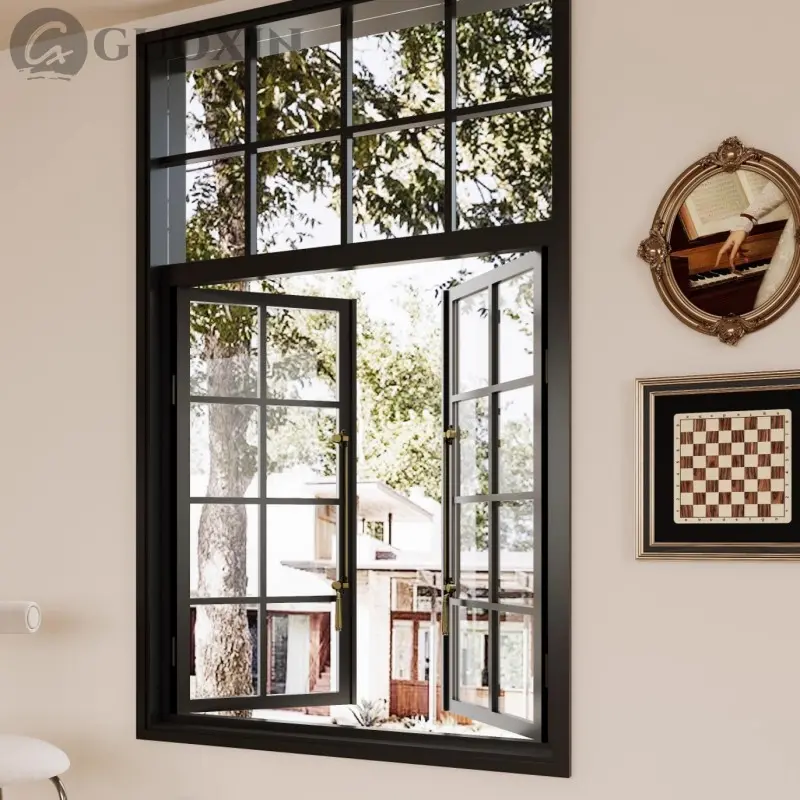
Industrialization has spurred high-density constructions where structural performance cannot be compromised. North American and European cities experience fluctuating climate cycles, requiring window frames to maintain dimensional stability from -40°C to +50°C. Metal-framed assemblies without thermal breaks fail within months due to thermal expansion stress and ice accumulation. In the Middle East and Southeast Asia, persistent humidity and intense UV exposure cause standard PVB glass layers to yellow and break down. Our premium engineering uses structural silicones, heavy-gauge anodized frames, and custom glass configurations designed to withstand extreme environments.
When sourcing OEM window solutions from China, international developers must ensure compliance with local building codes. Jiangsu Guoxin guarantees full alignment with regional regulatory frameworks:
Aluminium casement windows are highly versatile and can be configured to meet different functional requirements based on their location in a building:
Coastal Resorts & High-Rises: Outward-opening casements are ideal for high wind-pressure zones. The outward force of the wind helps compress the gasket against the frame, enhancing watertightness and preventing air leaks during storms.
Hospitals, Schools & Labs: Casement designs with specialty glazing, such as sound-dampening laminated glass, provide the acoustical insulation (STC ratings up to 48dB) required to isolate interior environments from busy municipal highways and airport runways.
High-End Residential Estates: Flush-frame designs with concealed hinges offer sleek sightlines, maximizing views while providing secure multi-point locking mechanisms to prevent break-ins.
The next phase of window systems will integrate smart building systems directly into the frame. Jiangsu Guoxin is currently developing integrated thermal profiles featuring micro-sensors that track frame stress, internal moisture levels, and seal degradation. Additionally, we are working with solar-cell innovators to design solar-collecting casement glass that powers small localized mechanical vents. These smart venting systems operate automatically based on indoor carbon dioxide and humidity levels, providing fresh air without needing to open the window fully.
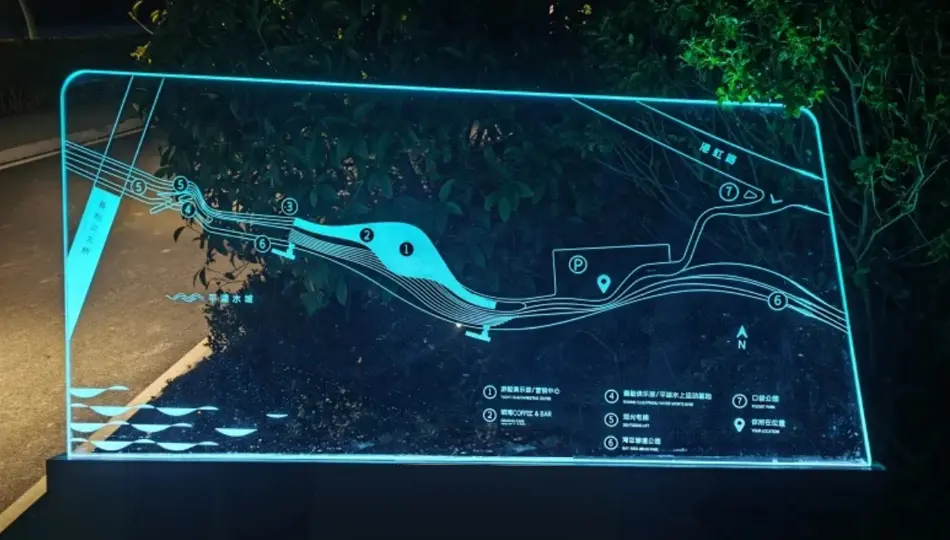
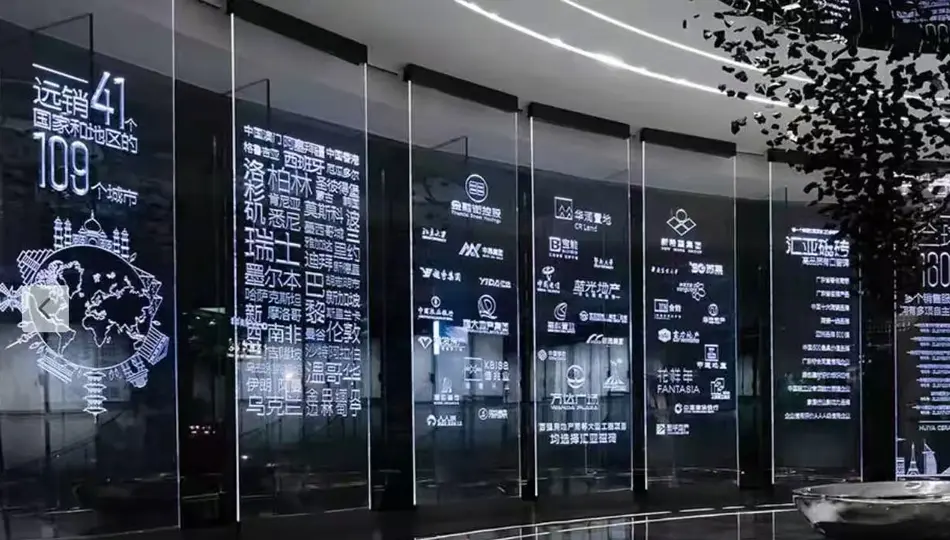
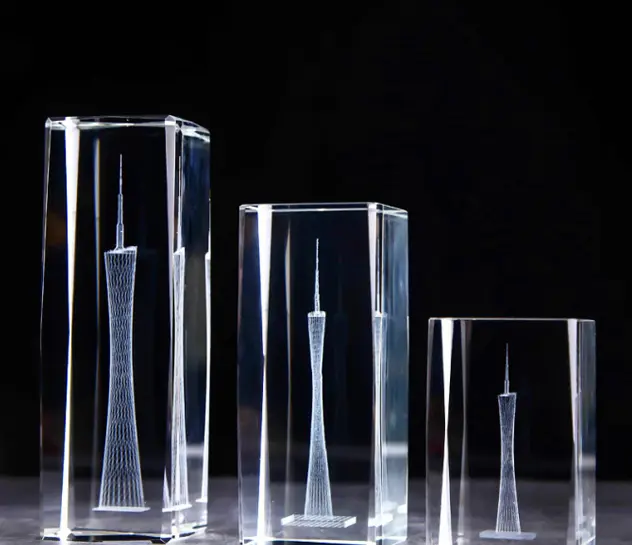


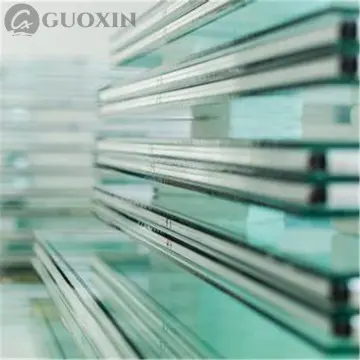
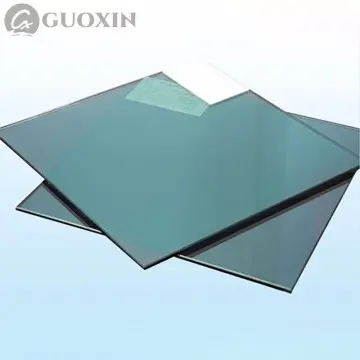
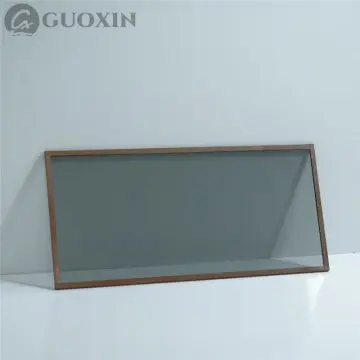
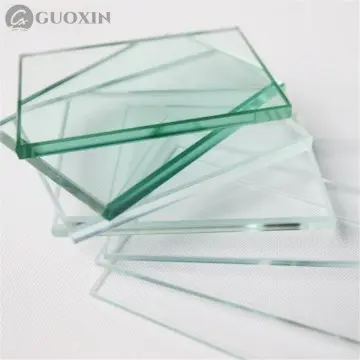
Quality First, Customer First, and Credit-Based. We offer comprehensive engineering support, beginning at the design stage and continuing through profiling, structural glass production, logistics planning, and localized code compliance testing.
Contact Our Structural Engineers TodayExplore our structural glass and high-performance aluminum window systems implemented across landmark constructions globally.
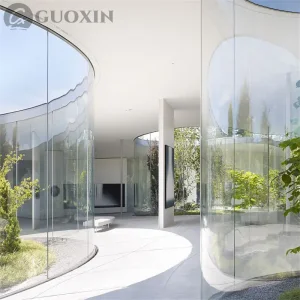
As the world's "largest purple clay pot shaped building", it was awarded the "World's largest Guinness" certificate. The building stands 38.8 meters high and is constructed using custom aluminium framings and insulated glass panels, each cut to unique sizes to form the curved dome structure. The dome features artistic stained glass panels manufactured in our cleanroom facilities.
Zifeng Tower, a 450-meter (1,480 ft) skyscraper completed in Nanjing, stands as a top-10 tallest skyscraper globally. Featuring luxury office spaces and hotel suites, the building uses our triple-insulated architectural glass. The stepped design relies on custom window profiles designed to control wind-load deflections and thermal expansion.
Serving over 120,000 daily passengers, the station renovation required high-performance laminated glass panels to handle severe structural vibration and foot traffic. We supplied thousands of safety laminated glass sheets, maintaining strict optical quality and impact resistance under high passenger volumes.
A modern commercial hub utilizing smart electrochromic glass installations. Guoxin provided advanced switchable glass panels that integrate with predictive building algorithms, balancing natural light and heat gain to reduce HVAC demands.
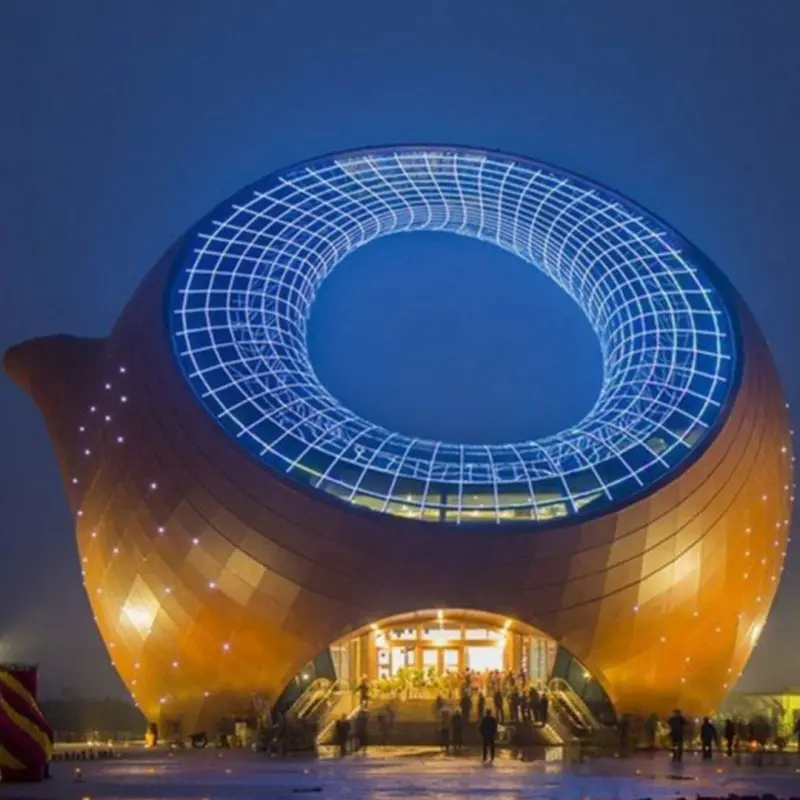
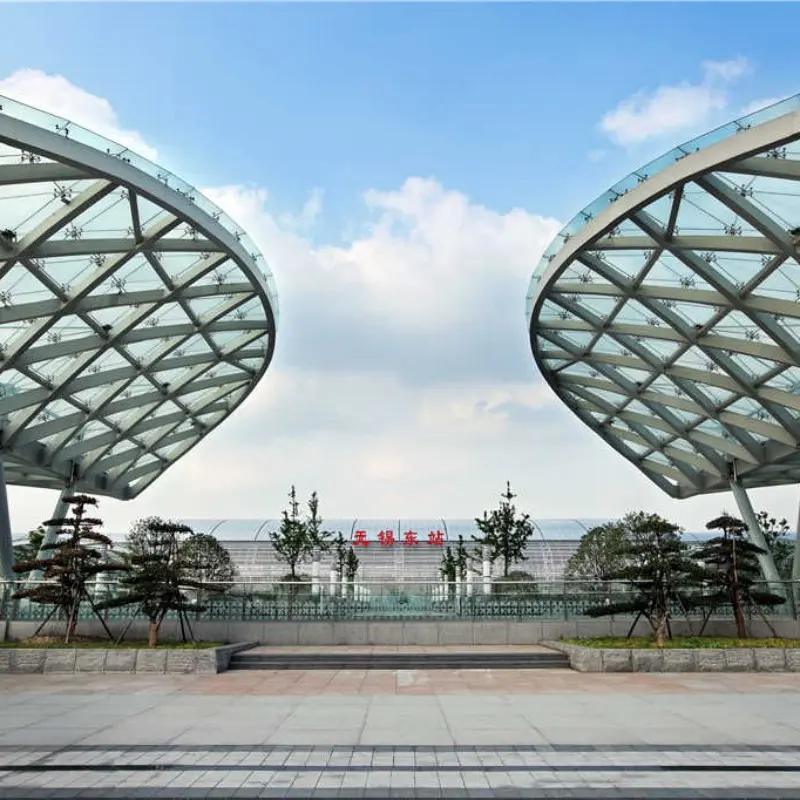

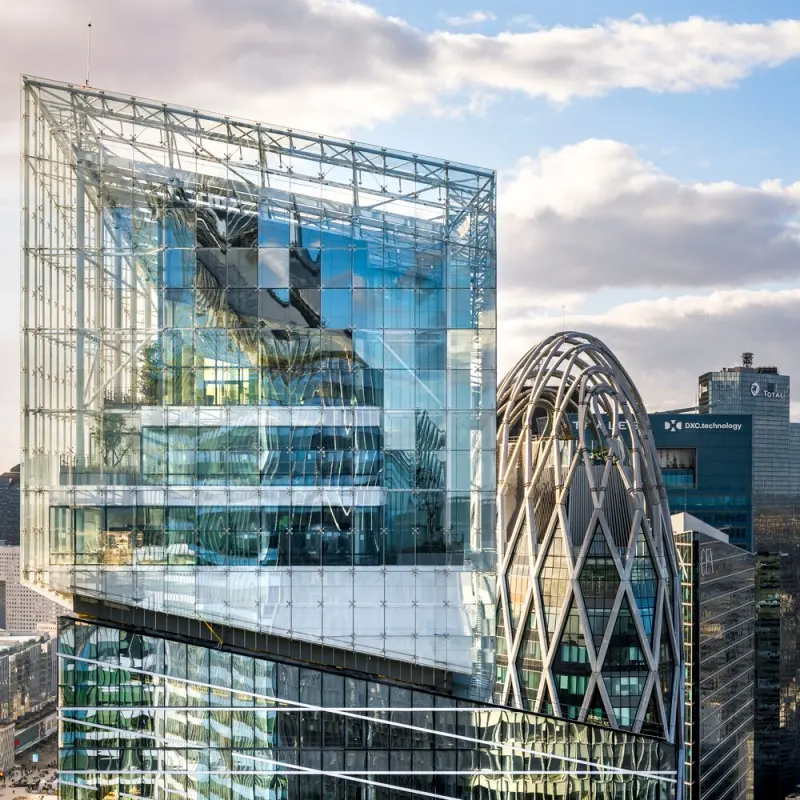
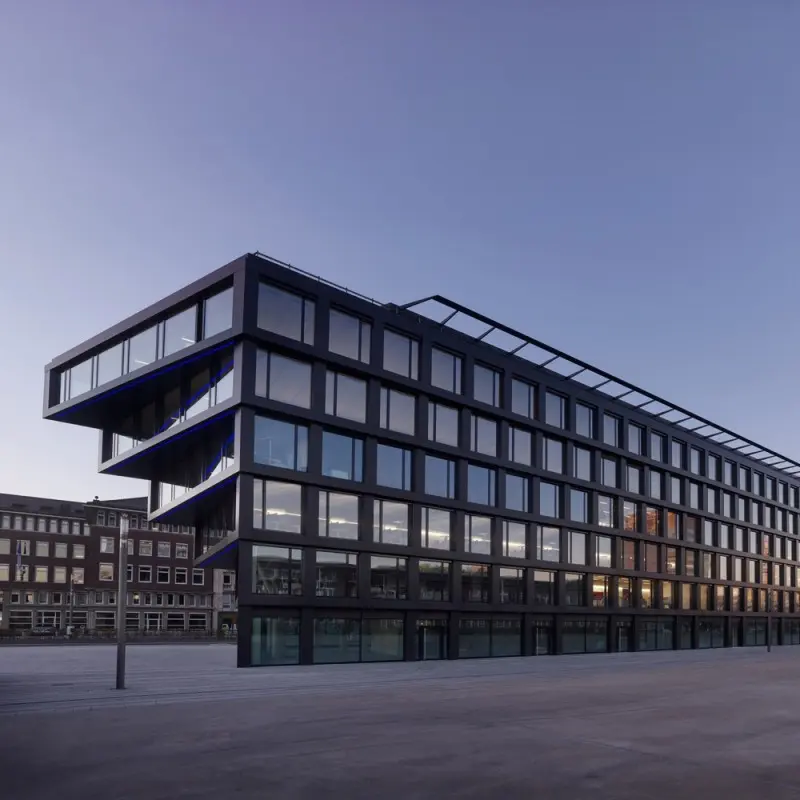
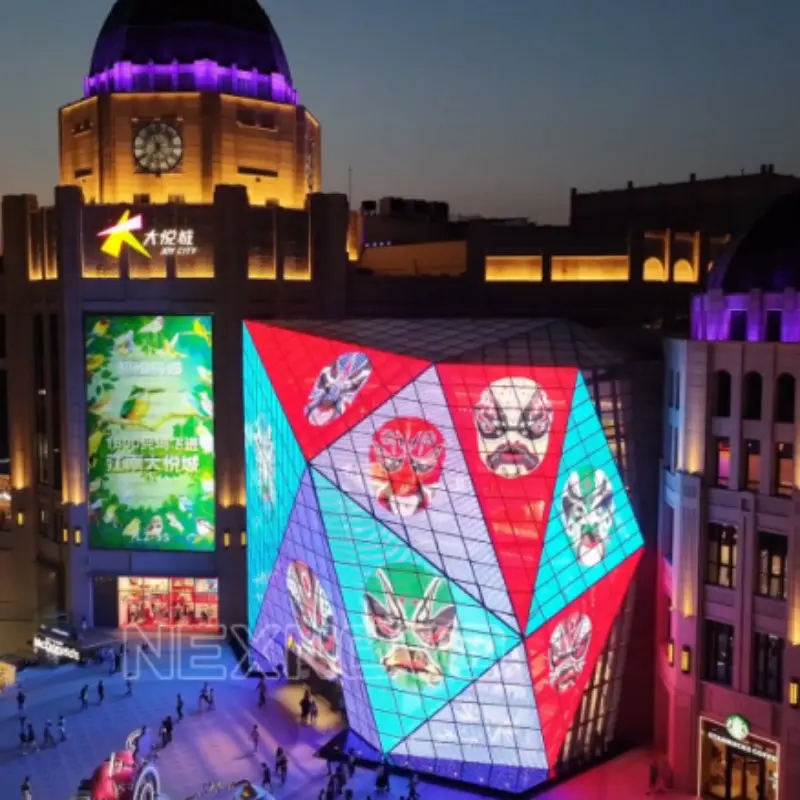
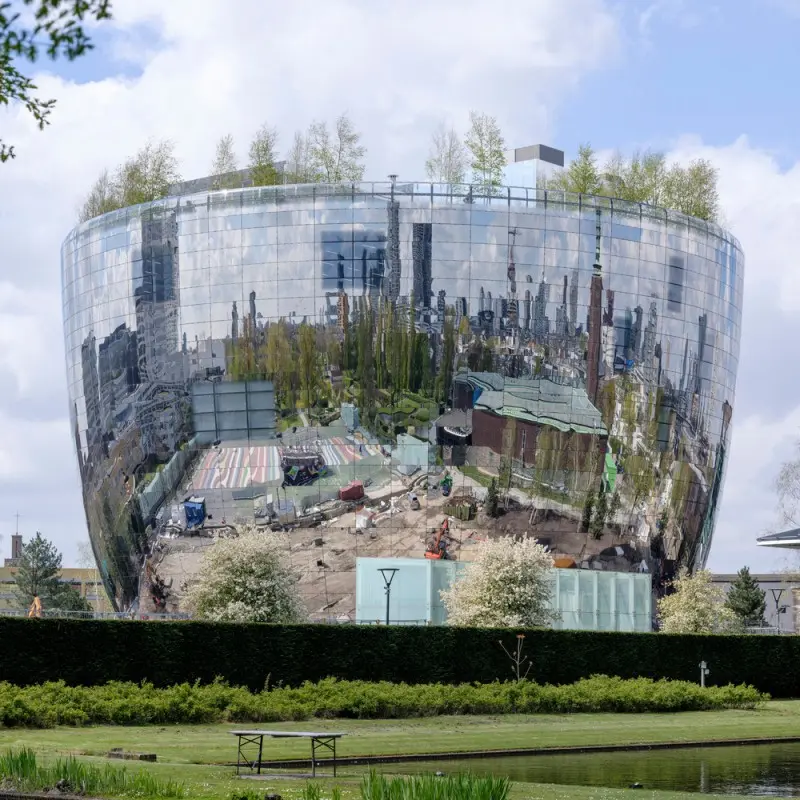
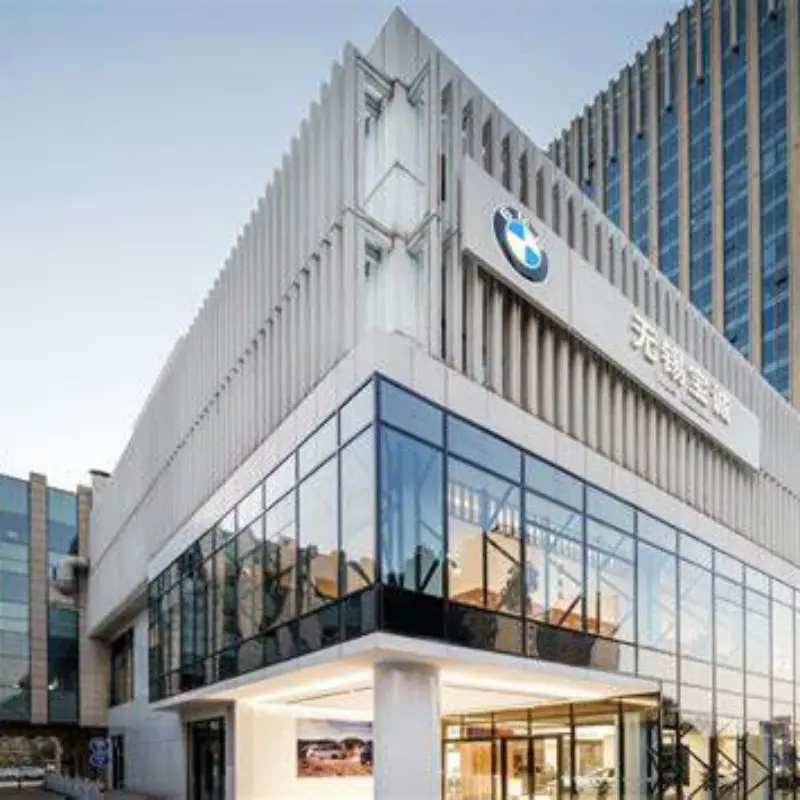
Jiangsu Guoxin supplies architectural projects across major international markets, ensuring local compliance and support.
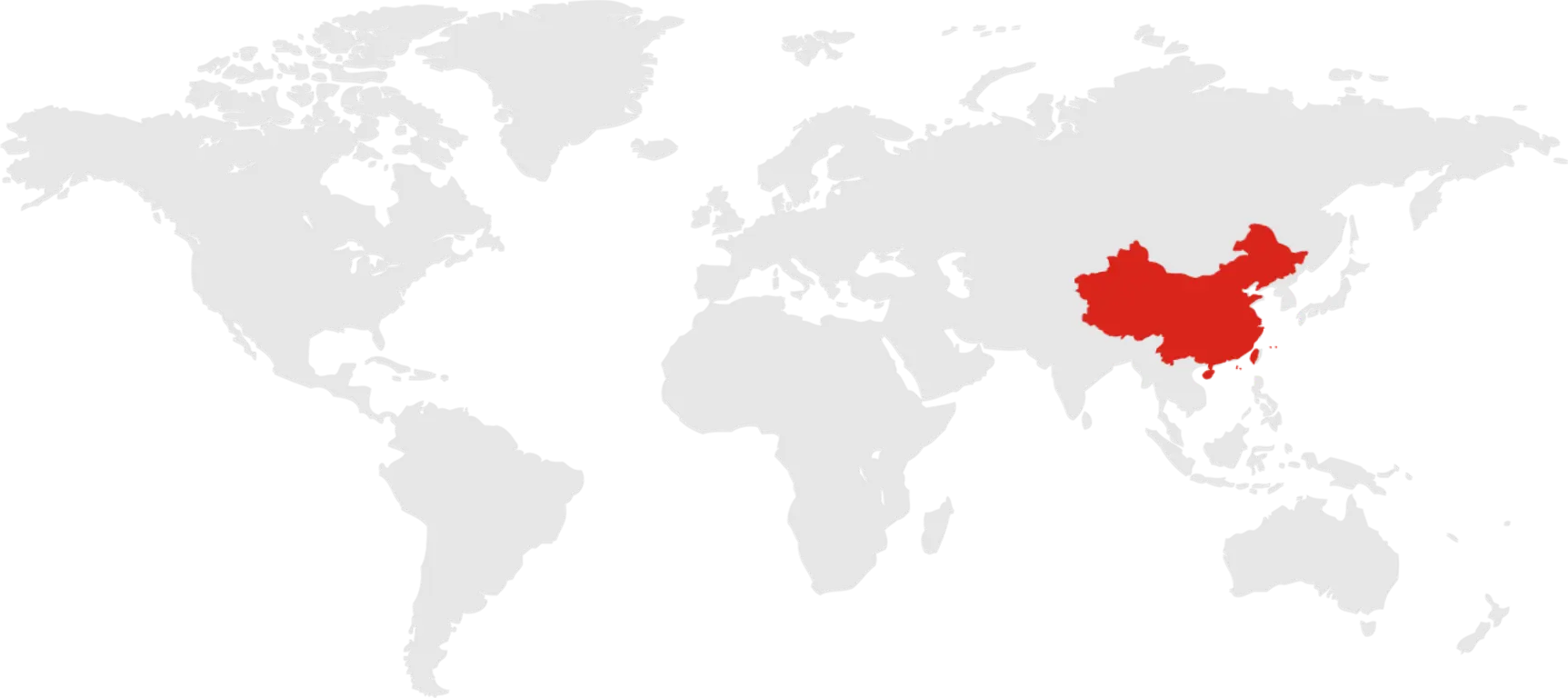
Exporting to: Japan, Italy, Spain, Portugal, Great Britain, France, Germany, Finland, Sweden, Norway, Australia, New Zealand, Peru, Mexico, United States, Canada.
Keep up to date with manufacturing standards, material comparisons, and construction guidelines.
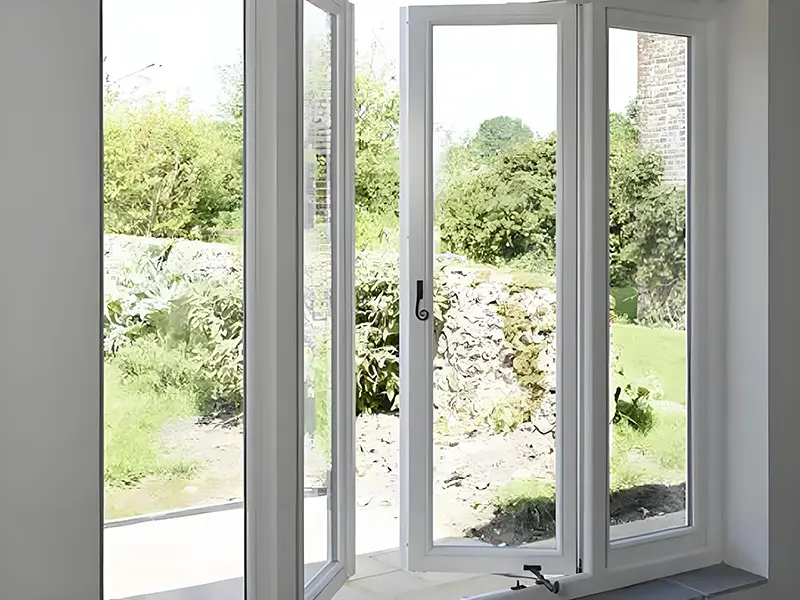
Evaluating structural integrity, thermal transmission coefficients, and lifespan profiles across commercial developments...
Read Technical Paper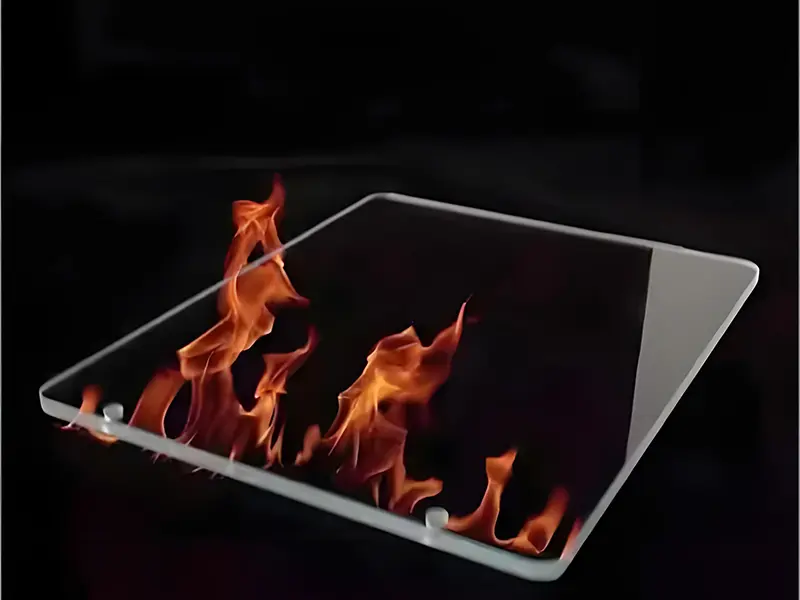
Breaking down the differences in fireproof ratings, ceramic components, thermal shock test results, and safety requirements...
Read Technical Paper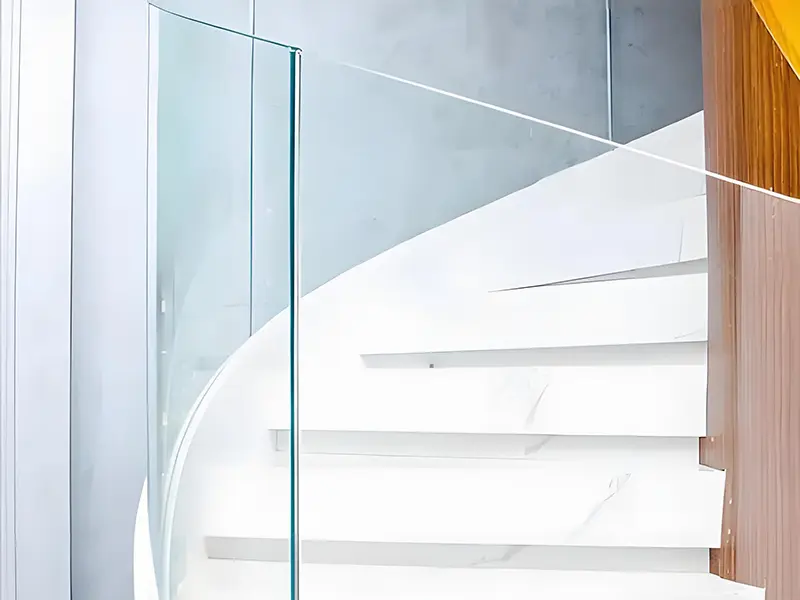
Evaluating post-breakage performance, acoustic insulation benefits, and impact safety classes under EN 12600 standards...
Read Technical PaperA look inside our ISO-certified factory floor, highlighting our quality control and production capabilities.


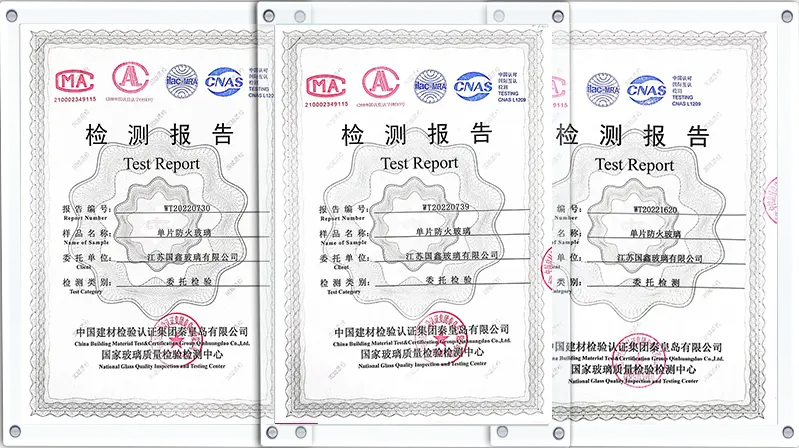
The company has obtained ISO 9001:2015 certification for all production processes.
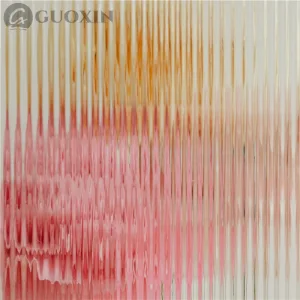
Complete window designs, specialized mirrors, and structural laminated glass systems engineered for global projects.
Get professional answers regarding specifications, order requirements, and custom configurations for aluminum casement systems.
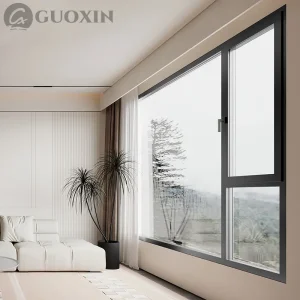
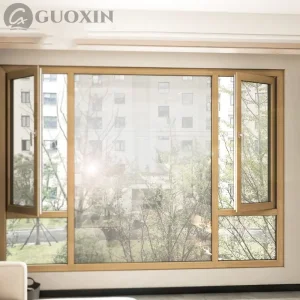
Casement windows are hinged at the sides and swing outward. When closed, the sash presses firmly against the frame gasket, creating a tight seal. This compression seal provides better air and water infiltration protection compared to sliding windows, which require brush seals. Casements also allow 100% ventilation across the opening, whereas sliding windows only open to 50% of their width.
A thermal break (or thermal barrier) consists of a low-conductivity material, such as reinforced polyamide (PA66 GF25), placed between the interior and exterior aluminum profiles. This barrier minimizes heat transfer, preventing energy loss and reducing condensation on the inside of the frame during colder weather.
Yes, we are a direct manufacturer of both aluminum frame assemblies and architectural safety glass. This vertical integration allows us to supply complete, factory-glazed window systems that are optimized for thermal, acoustic, and structural performance.
Our manufacturing facilities operate under ISO 9001:2015. Our structural glass and window components are manufactured to meet CE EN 14351-1 standards for Europe, AS2047 for Australia/New Zealand, and SGCC/IGCC standards for North America.
Our systems are engineered for high-performance zones, with wind pressure ratings up to 5.0 kPa and watertightness up to 700 Pa, depending on the profile width and glass thickness. We provide site-specific structural calculations to meet local building codes.
Our standard production lead time is 25 to 35 days from receipt of deposit and technical approval of shop drawings. The Minimum Order Quantity (MOQ) depends on the profile design and project scope, typically starting at 50 square meters for standard configurations.
 Guoxin