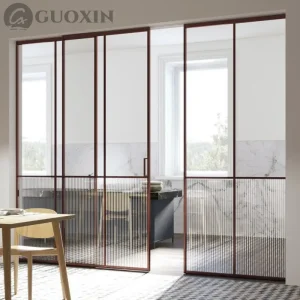
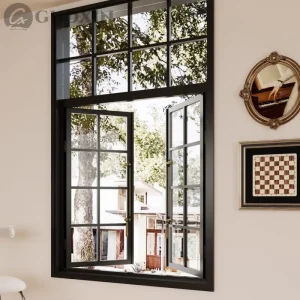
In the rapidly transforming landscape of modern architecture, the role of fenestration has shifted from simple structural openings to high-performance energy nodes. Jiangsu Guoxin Glass Co., Ltd., founded in 2006, has emerged as a cornerstone in this evolution. As a premier Windows and Doors Limited Factory, our journey over the last two decades is defined by a relentless pursuit of E-E-A-T principles—demonstrating profound Experience, unmatched Expertise, industry-wide Authoritativeness, and absolute Trustworthiness.
Our facility is not merely a production site but an innovation hub where AI-integrated quality control meets traditional craftsmanship. The global demand for sustainable building envelopes has necessitated a move toward triple-glazing, smart-tinting, and vacuum-insulated technologies, all of which are central to the Guoxin Glass technology roadmap.
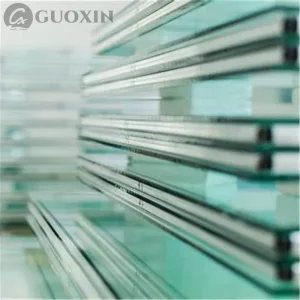
Since 2006, we have transitioned from a local manufacturer to a global powerhouse, mastering the complexities of fireproof, laminated, and insulated glass systems that define the world's most iconic skylines.
Our state-of-the-art production facility houses multiple advanced production lines, each equipped with cutting-edge technology.

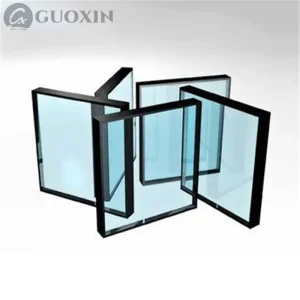
Current procurement needs are heavily driven by ESG (Environmental, Social, and Governance) targets. We provide Low-E and triple-insulated glass solutions that reduce HVAC loads by up to 40%, meeting stringent EU and North American energy codes.
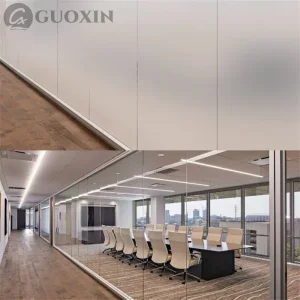
The rise of IoT has transformed the "dumb" window into a "smart" interface. Our PDLC Smart Glass offers switchable privacy and solar control, integrating seamlessly with Building Management Systems (BMS).
We provide full BIM (Building Information Modeling) objects for our windows and doors, allowing architects to simulate performance, light transmission, and thermal gain before a single brick is laid.
Validation through performance in the world's most demanding architectural environments.
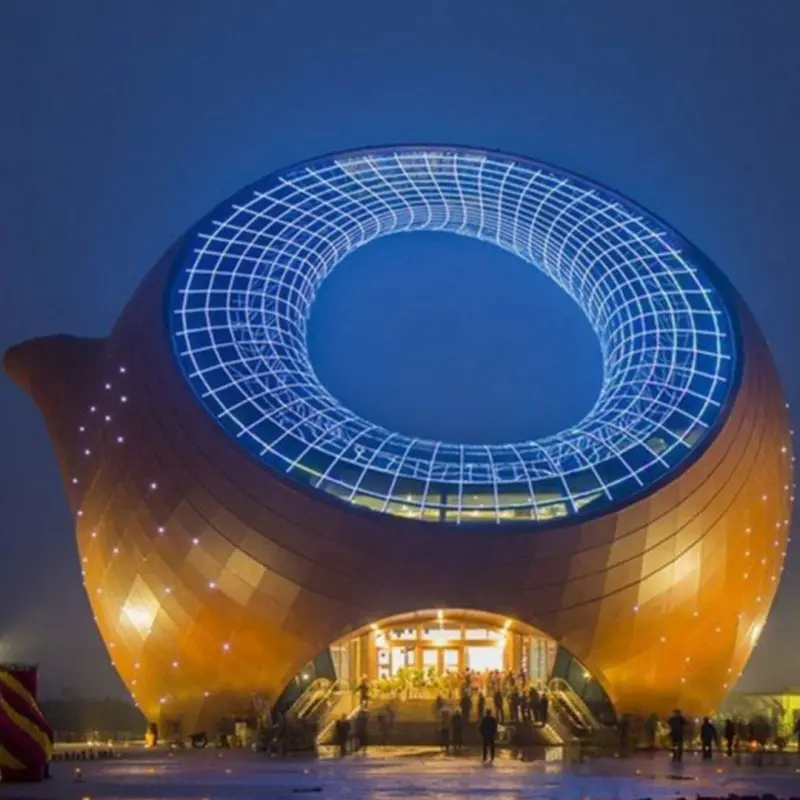
Teapot Tower: Awarded "World's largest Guinness" certificate. Features complex aluminum and artistic stained glass dome.
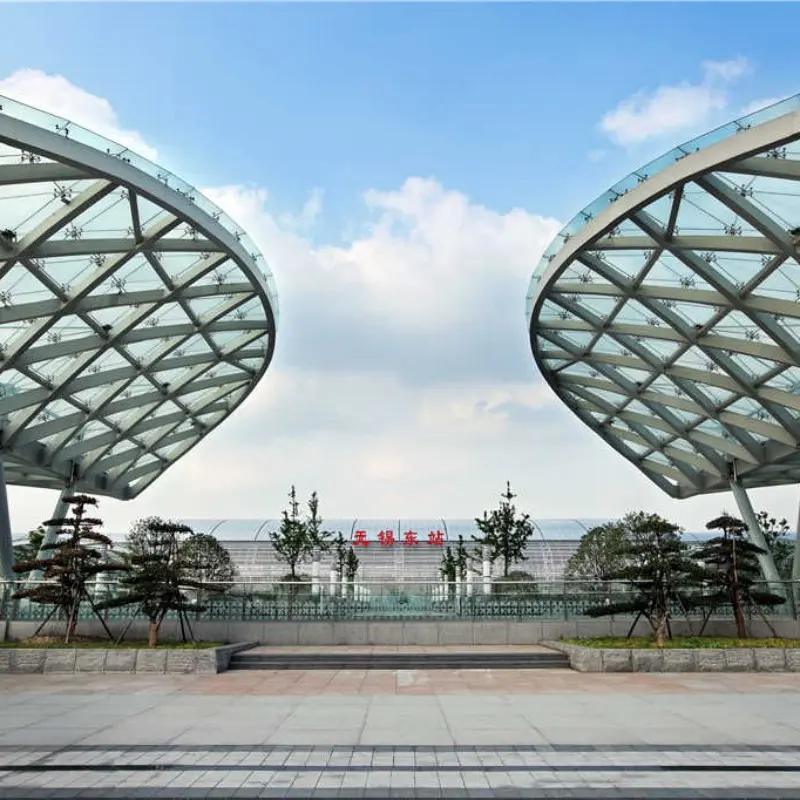
Wuxi Railway Station: Utilizes thousands of laminated glass units for high-traffic safety and durability.

Zifeng Tower: 450-meter skyscraper. Our insulated glass units provide thermal control for the upper-level luxury hotel.
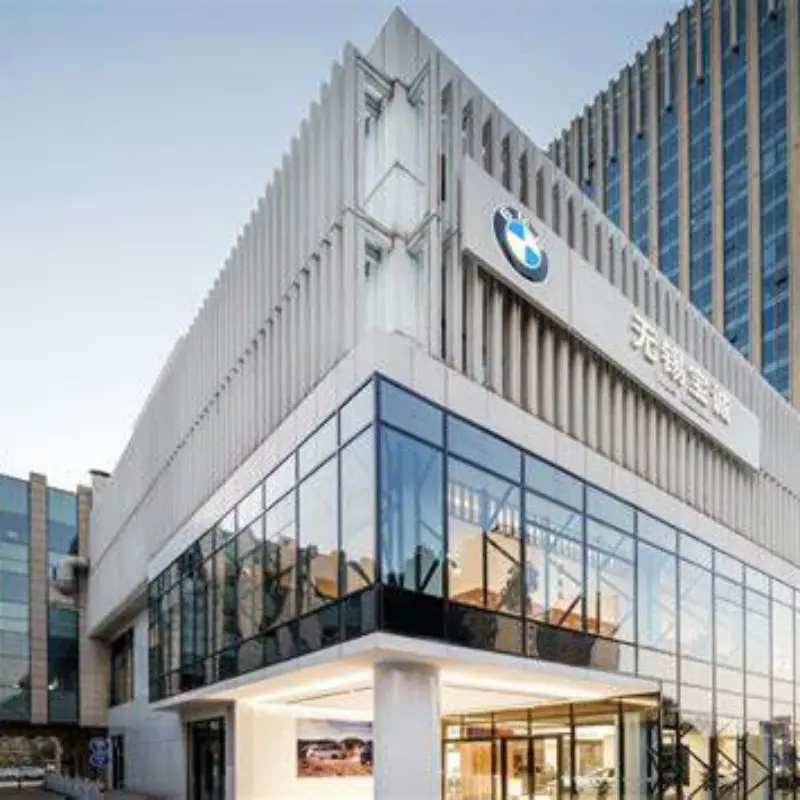
BMW 4S Shop: High-transparency reflective glass integrates the building with its premium environment.
Research into quaternary metallic oxides for next-gen Low-E coatings that block 99% of UV while maintaining 85% visible light.
Implementing machine vision on the float glass lines to detect micro-imperfections invisible to the human eye, ensuring zero-defect delivery.
Developing 100% recyclable frame systems and glass-to-glass bonding techniques that allow for easy disassembly and reuse.
Global enterprises require more than just a product; they require a compliant partner. Guoxin Glass provides localized support for certifications across various regions, including CE (Europe), SGCC/IGCC (USA), and AS/NZS (Australia). Our engineering team assists in wind-load calculations and thermal modeling specific to your local building codes, ensuring that "Windows and Doors Limited" means "Unlimited Possibilities" for your project.
Experience the precision of our OEM & ODM production lines.
To help you pick compliant, cost-effective and safe glass for your projects, we break down the differences: Fireproof glass undergoes specialized heat treatment and chemical strengthening to withstand extreme temperatures without shattering, maintaining structural integrity for 30 to 120 minutes depending on the rating (E, EW, or EI classes).
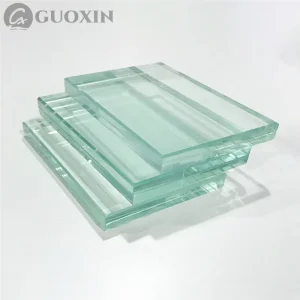
Laminated glass is the gold standard for safety. Even when broken, the glass fragments adhere to the internal PVB or SGP interlayer, preventing dangerous shards from falling. It also provides superior acoustic insulation and UV protection.
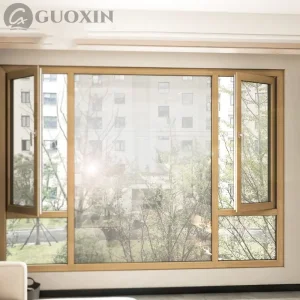
Broken bridge aluminum offers significantly better long-term value. While the initial investment is higher, its thermal insulation, structural strength, and resistance to deformation in extreme climates make it the superior choice for high-end residential and commercial developments.
Matching thickness depends on the wind pressure of your geographic location and the total pane area. For large floor-to-ceiling applications, we typically recommend a minimum of 6mm+12A+6mm tempered glass, increasing to 8mm or 10mm for high-rise coastal installations to resist wind-load vibration.
 Guoxin