Explore our core selection of certified security glass, awning profiles, and structural products optimized for performance under high load pressures.
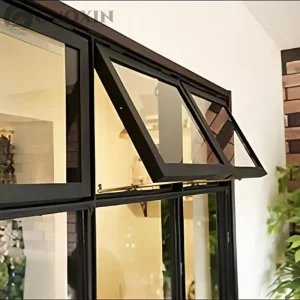
Top-quality ventilation systems utilizing robust seals and durable structural designs tailored for residential and corporate structures.
Learn More & Request Quote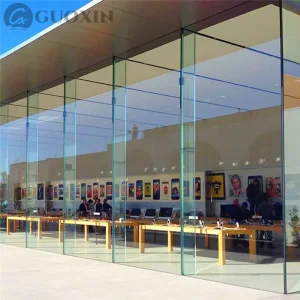
Oversized monolithic and laminated glass panels engineered for expansive storefronts, tall structural partitions, and modern skylights.
Learn More & Request Quote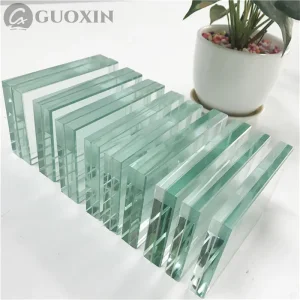
High-performance ionoplast structural interlayers providing five times the tear strength of traditional PVB under maximum wind pressure loads.
Learn More & Request Quote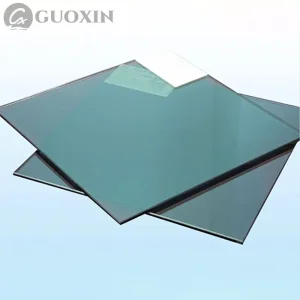
High-efficiency solar control coatings applied to glass surfaces to lower heat transmission and keep buildings cool in harsh environments.
Learn More & Request Quote
Cost-effective heat reflective glass sheets optimized for modern structural cladding and window installations.
Learn More & Request Quote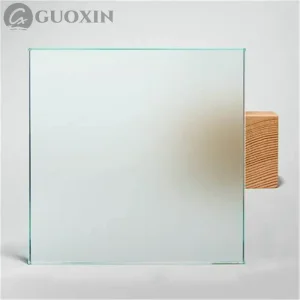
Acid-etched or sandblasted security glass options providing superior privacy while transmitting soft diffused natural light.
Learn More & Request Quote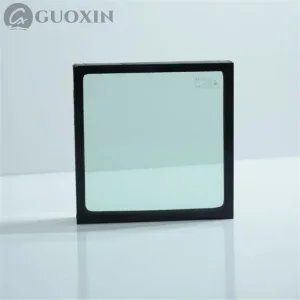
Multi-layered fire-rated glass configurations engineered to withstand high thermal shock and contain smoke, flame, and heat radiation.
Learn More & Request Quote
High-strength fire protection glass certified for rigorous structural safety specifications and temperature stability tests.
Learn More & Request QuoteIn contemporary architecture, structural safety, environmental sustainability, and aesthetic clarity have transitioned from separate design constraints into a single, unified priority. Tempered laminated safety glass sits at the center of this transition. Globally, the glass manufacturing market is experiencing rapid shifts driven by building code updates, urbanization, and the demands of high-performance architectural glazing. By sandwiching a polymer or ionoplast interlayer—primarily Polyvinyl Butyral (PVB) or SentryGlas® (SGP)—between two sheets of high-strength tempered glass, manufacturers produce a composite material capable of carrying significant mechanical loads, absorbing impact energy, and remaining structurally sound even after breakage.
From commercial skyscrapers in Western Europe to hurricane-prone coastlines in the Americas, regional building standards (such as EN 14449 in Europe and ANSI Z97.1 in the United States) mandate the use of high-quality laminated glass in overhead glazing, handrails, stair balustrades, and structural curtain walls. The commercial imperative centers on safety liability mitigation, low-maintenance longevity, and energy performance optimization, allowing buildings to harvest natural light without compromising thermal envelope efficiencies or occupant safety.
A closer look at how heat treatment, chemical composition, and polymer bonding define structural performance.
Glass undergoes thermal tempering when raw float glass is heated to approximately 620°C inside a convective furnace and then rapidly quenched with high-pressure air streams. This thermal shock cooling process freezes the exterior surfaces while the core cools more slowly, introducing high compressive stresses on the surface (minimum 69 MPa/10,000 psi for tempered glass, and up to 100+ MPa for fully tempered variants) and balancing tensile stress at the core. In the event of an impact, the glass breaks into tiny, blunt, relatively harmless fragments instead of sharp shards.
Polyvinyl Butyral (PVB) is the industry workhorse for acoustic insulation, UV filtering, and general safety glazing, demonstrating high ductility and elongation. However, SentryGlas® (SGP), an ionoplast interlayer, offers structural benefits by providing five times the tear strength and one hundred times the stiffness of PVB. Even if both tempered glass lites break, SGP remains standing, preventing the entire assembly from collapsing out of the structural framework.
Perfect lamination requires a cleanroom environment with controlled temperature and humidity to prevent air bubbles, dust, or moisture. The glass-polymeric sandwich is run through pre-pressing rollers to expel air, then transferred to an industrial autoclave. Here, it is subjected to high heat (~135°C to 145°C) and pressure (approx. 13 bar) to melt the polymer and form a chemically stable, crystal-clear molecular bond.
| Interlayer Type | Elastic Modulus (MPa) | Shear Modulus at 20°C | UV Transmission | Primary Industrial Use Case |
|---|---|---|---|---|
| Standard PVB | 1.2 - 2.5 | ~ 1.1 MPa | < 1% | Residential windows, noise-dampening glass, basic safety partitions. | Acoustic PVB | 0.5 - 1.0 | ~ 0.4 MPa | < 0.5% | Soundproof facades, interior meeting rooms, urban railway windows. |
| SGP (Ionoplast) | 100 - 150 | ~ 90 MPa | < 0.1% | Structural balustrades, overhead skylights, storm-resistant structures. |
Jiangsu Guoxin Glass Co., Ltd. (founded in 2006) demonstrates the operational scale and manufacturing efficiency of modern Chinese glass plants. A competitive supply chain is more than just access to raw materials; it is about vertical integration, automation, and geographic proximity to logistics hubs.
Chinese safety glass manufacturers maintain a strong position in the global market through:
Our production facility operates advanced production lines equipped with modern processing technology to meet diverse architectural and structural specifications.

Precision-engineered structural profiles designed for thermal efficiency and durability.
Specially treated fire-rated glass configurations for high-heat isolation.
High-durability laminated panels with PVB/SGP interlayers for security.
Double and triple-glazed units optimizing acoustics and thermal retention.
Multi-layered composite structures certified to resist impact energy.
From deep-sea pressures to high-altitude seismic zones, modern architecture utilizes safety glass to secure building envelopes.
In public infrastructure, balustrades require high resistance against lateral pressure loads. Standard glass systems risk failing under crowds, but SGP-tempered laminates maintain structural stability even when broken. For overhead skylights, laminated glass prevents shards from falling in the event of an impact.
High-traffic zones near airports, highways, and rail lines require enhanced noise mitigation. Acoustic PVB laminates combine materials with different acoustic properties, dampening sound waves between 100 Hz and 4000 Hz. This design helps modern commercial developments meet strict internal noise specifications.
Coastal regions experience high wind loads and windborne debris. Laminated glass systems undergo pressure cycle testing to verify performance. If the glass breaks during a storm, the elastic interlayer holds the shards together, maintaining the building envelope and preventing wind from entering and pressurizing the interior.
We offer diverse frame profiles, including Casement Windows, Sliding Windows, Sliding Doors, Hinged Doors, and Folding Doors, configured to meet specific architectural requirements:
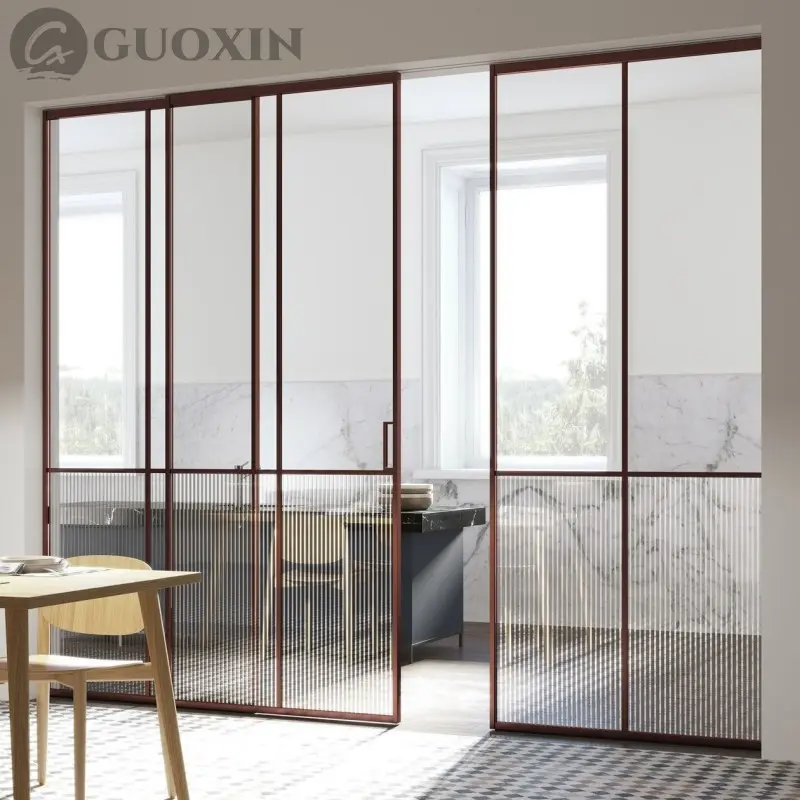
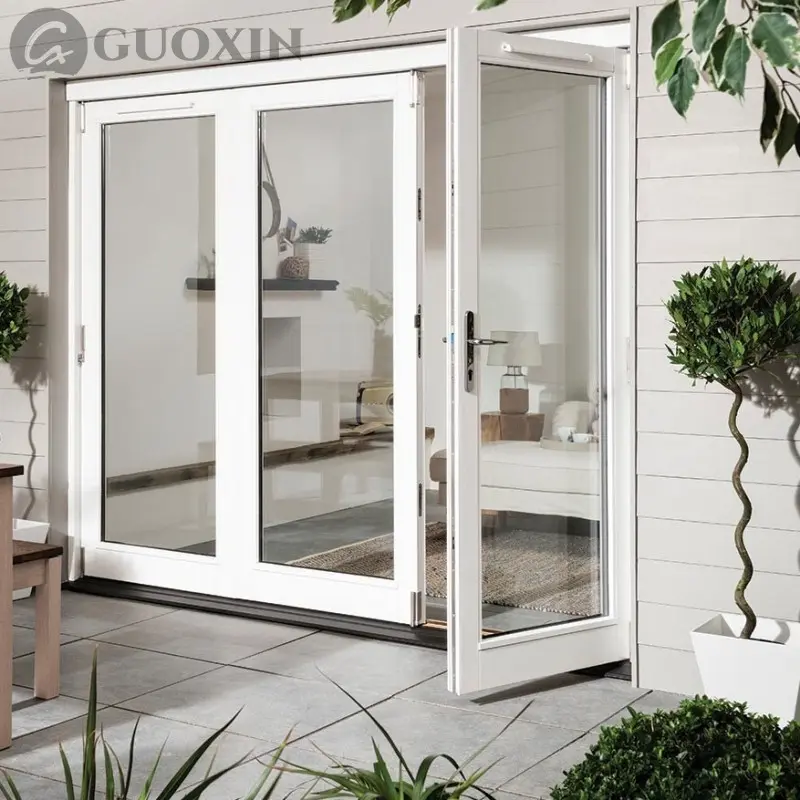
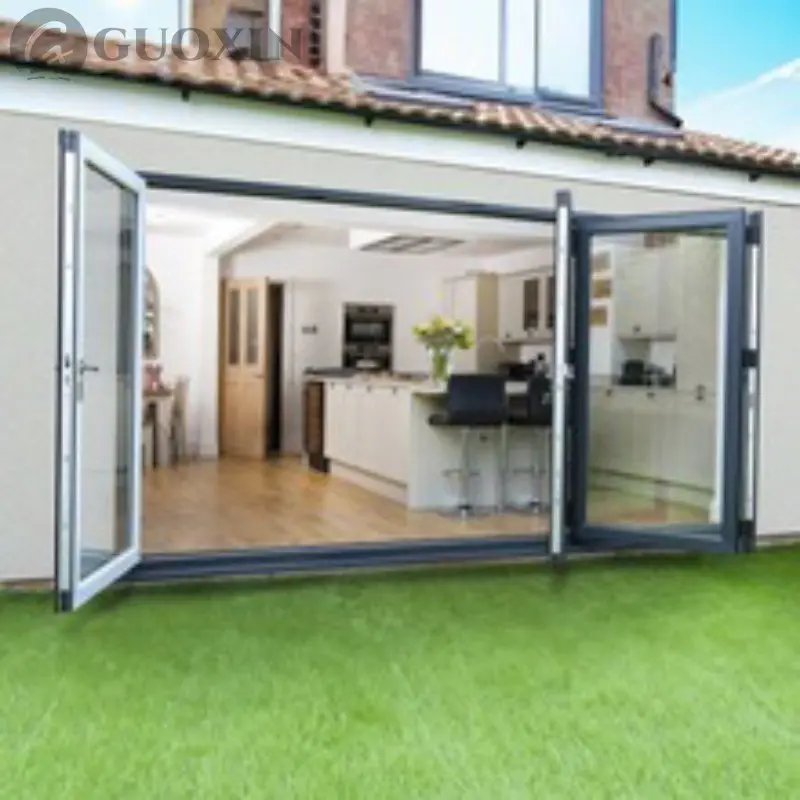
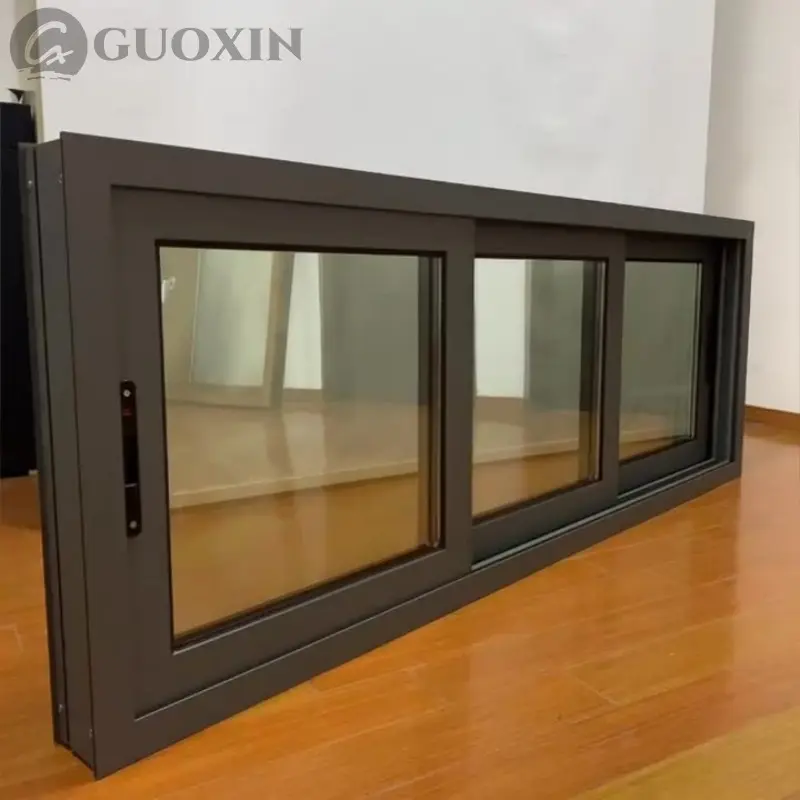
Real-world applications of our structural glass products in high-exposure architectural environments.
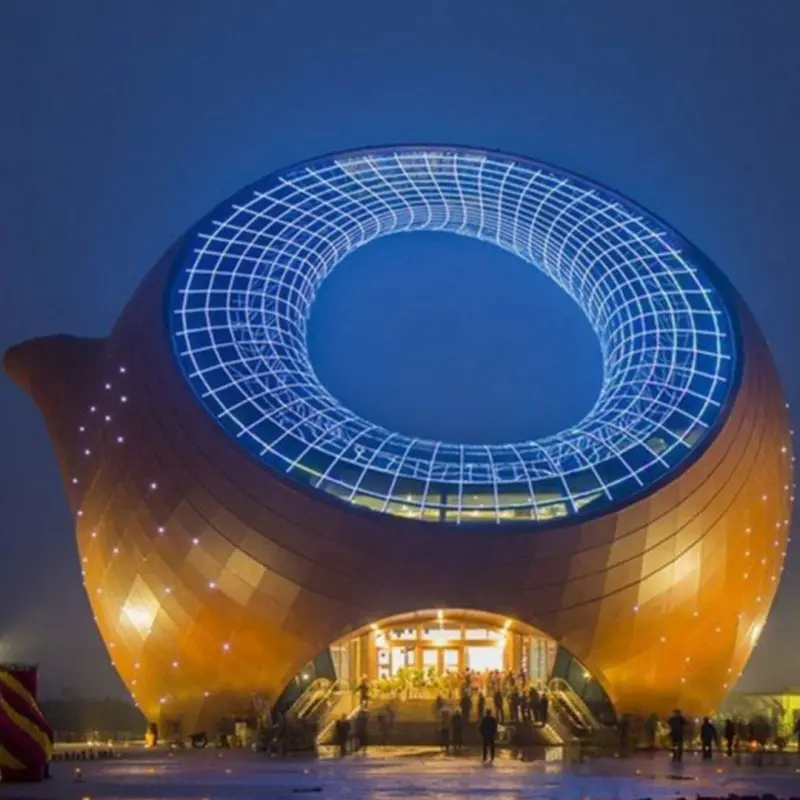
Standing 38.8 meters high, this project features complex geometric framing made of aluminum and glass, with a dome clad in artistic stained glass panels.
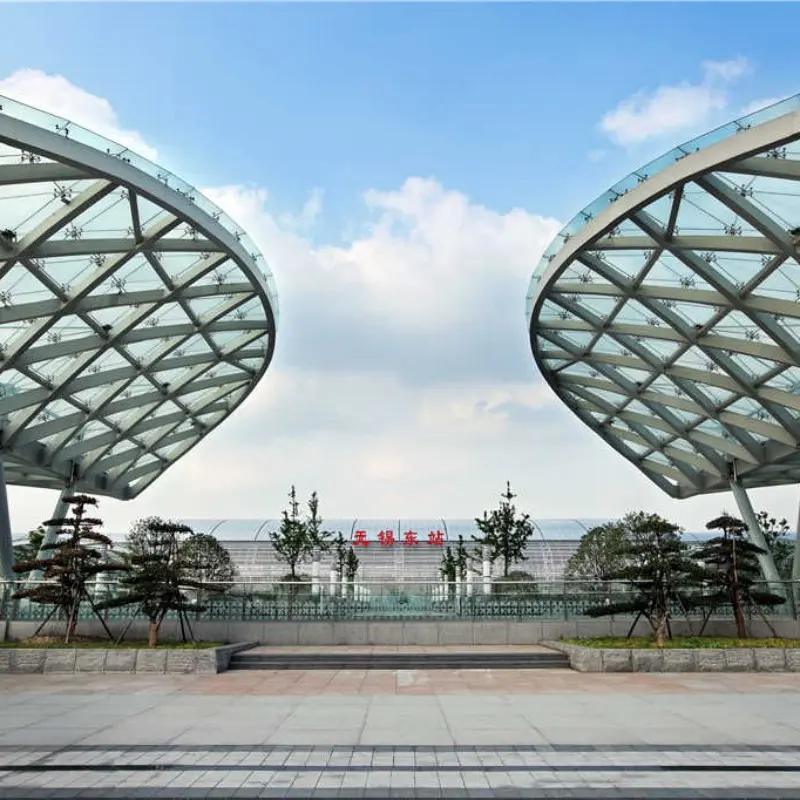
Renovated with thousands of laminated safety glass panels to handle high traffic, optimizing natural light transmission while ensuring passenger safety.

A 450-meter skyscraper utilizing triple-insulated solar control glass units to balance wind resistance and energy performance across 89 stories.
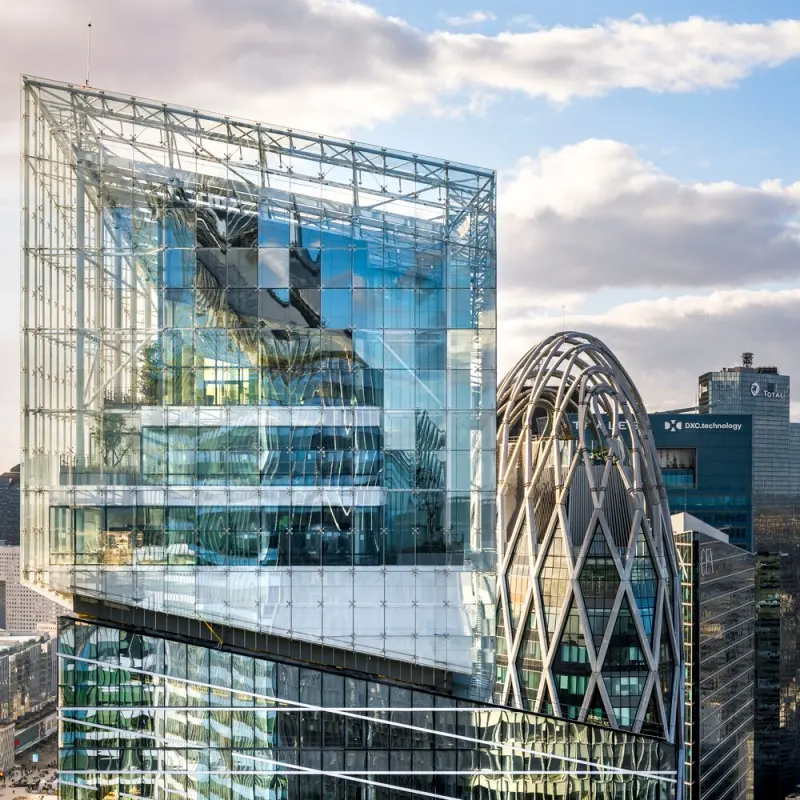
Engineered using advanced daylighting control systems to adjust light levels and minimize interior glare without external shutters.
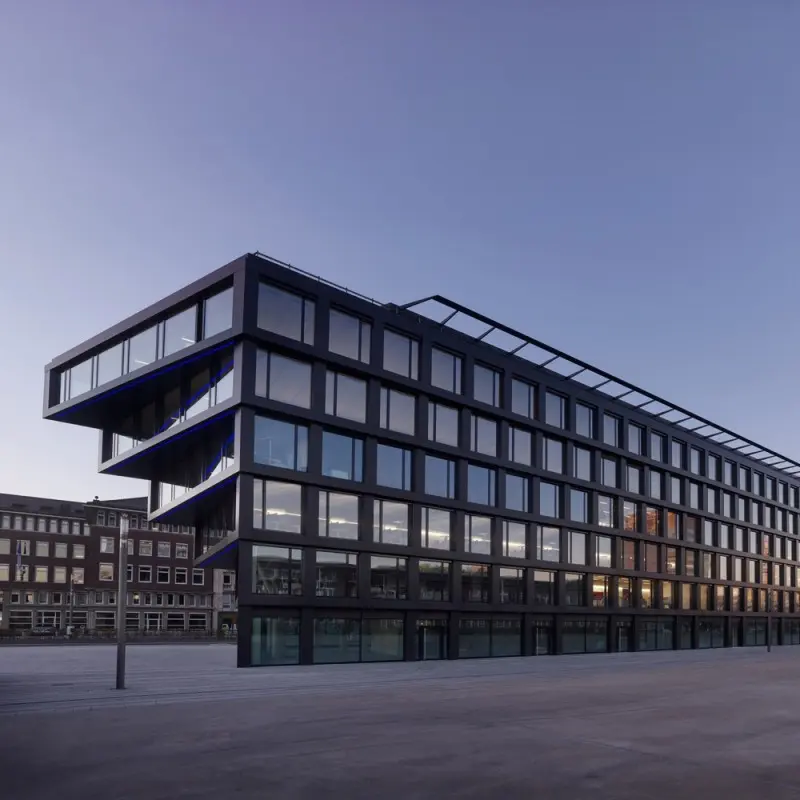
Integrated triple-insulated glass facades and customized solar shading systems to achieve heat recovery rates over 80% across the building envelope.
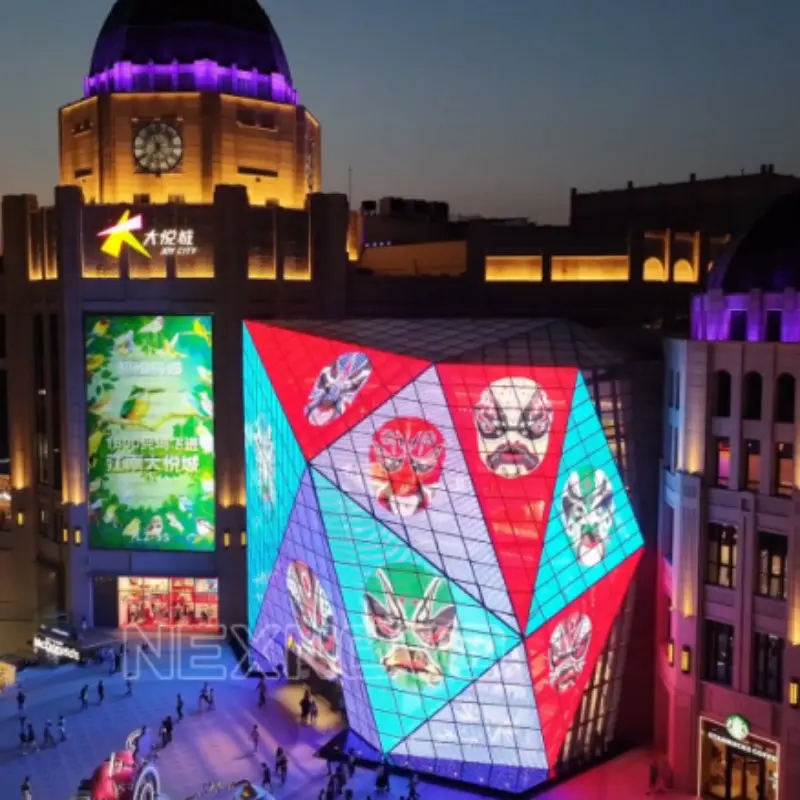
A retail development utilizing dynamic smart glass technologies to create visual displays and interactive exterior storefront facades.
As a source manufacturer, we provide tailored OEM and ODM services to meet complex project specifications. Our custom fabrication capabilities include precise CNC shape cutting, multi-radius profile drilling, complex waterjet cutouts, variable flat-to-curve temper cycles, and custom-tinted interlayers.
We manage custom parameters including structural glass sizing, thermal insulating properties (U-value, SHGC, and LT), and specific security classifications (including ballistic, impact, and blast resistance).
Guoxinglass maintains quality management standards across all production stages, from initial raw material selection to secure final delivery.
A review of emerging technologies, performance materials, and design regulations defining the future of glass manufacturing.
Manufacturers are transitioning to low-carbon float glass solutions by using recycled cullet and integrating electric heating into raw melting tanks to lower total embodied carbon emissions.
The integration of Electrochromic (EC) layers and Suspended Particle Device (SPD) systems directly inside laminated glass units allows for real-time, automated control of thermal transmission and light transmission levels.
Advancements in chemical tempering techniques allow for thinner glass substrates (less than 2mm) to be laminated together. This reduces weight while maintaining safety and wind resistance.
Laminating transparent and semi-transparent solar cells into building facades allows window surfaces to generate electricity, supporting energy-neutral design strategies.
Review engineering briefs, glass comparison articles, and design updates from our technical team.
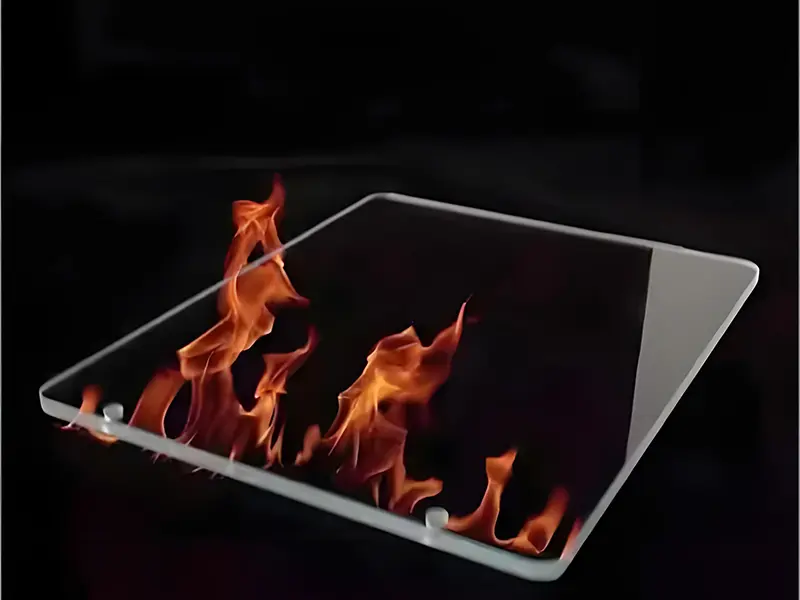
A breakdown of the differences between standard float glass, fireproof coated glass, and ceramic-glass products when exposed to high temperatures.
Read Full Article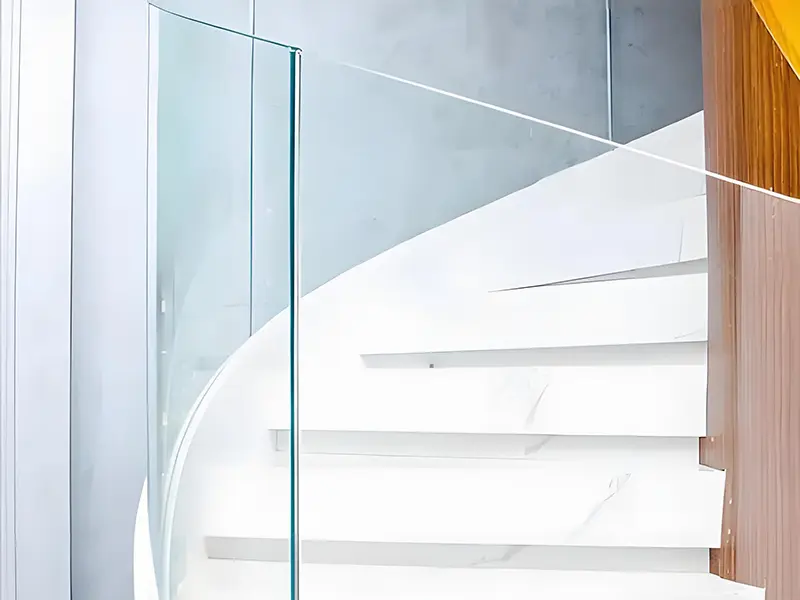
Analyzing structural safety configurations, shard-retention performance, and why engineering codes specify laminated options for public spaces.
Read Full Article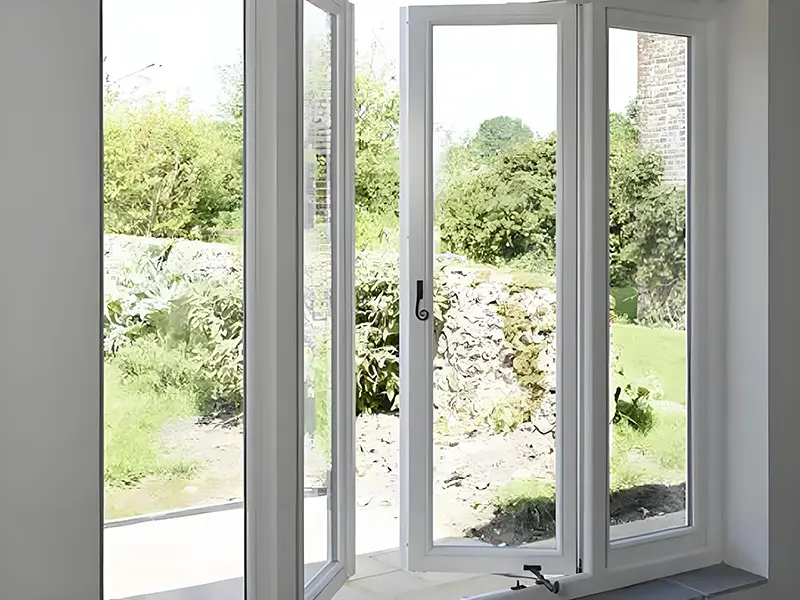
Evaluating energy savings, thermal bridging, and structural longevity between different window frame profiles for architectural projects.
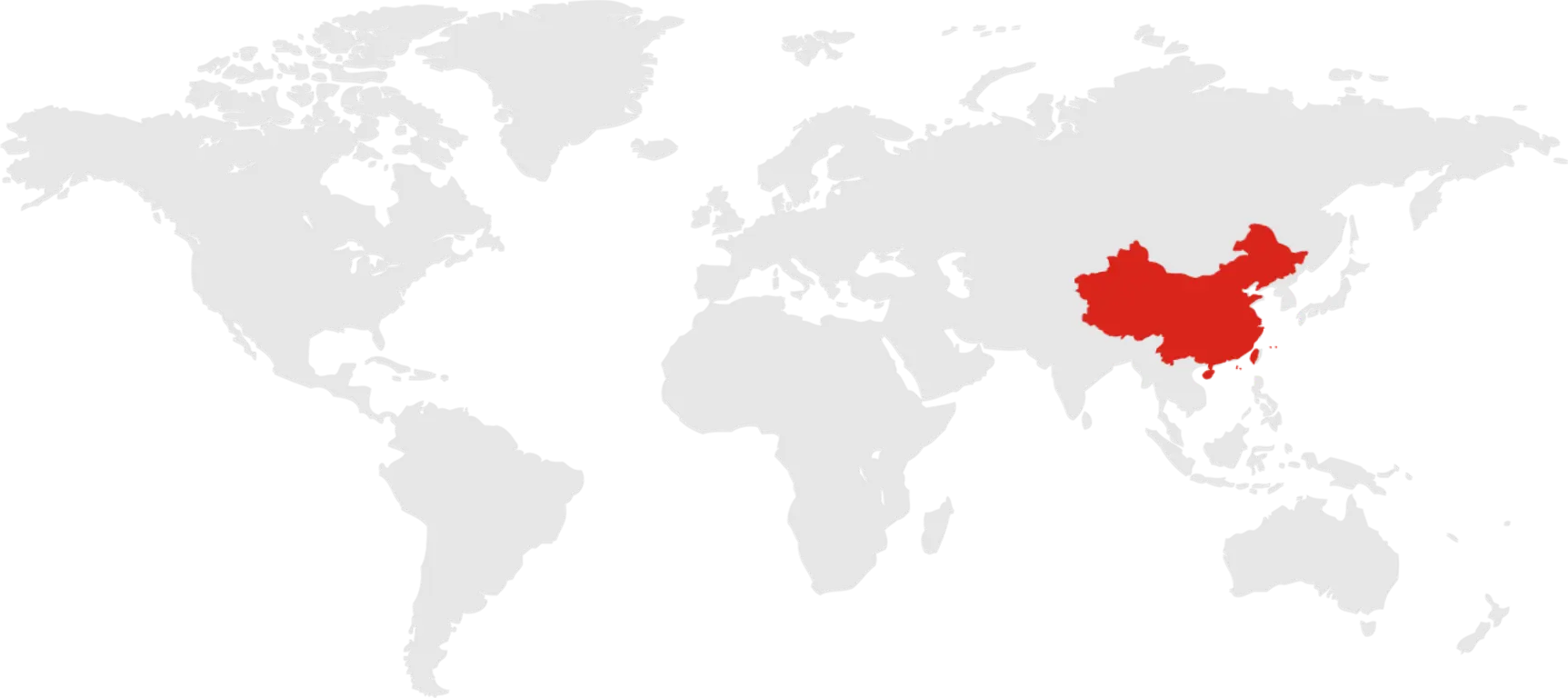
Read Full ArticleOur safety glass products and structural window units are exported to key international markets, meeting regional building regulations and certifications.
Technical answers to common engineering, purchasing, and installation questions about laminated safety glass products.
Tempered laminated glass consists of glass panels that undergo thermal tempering, heating to ~620°C followed by rapid cooling. This introduces high compressive stress on the exterior surfaces, making it up to four to five times stronger than annealed glass. If impacted, the tempered sheets break into small, blunt particles that adhere to the PVB or SGP interlayer. Annealed laminated glass, on the other hand, consists of standard glass panels. If it breaks, it forms large, sharp shards that stay bound to the interlayer, making it suitable for security windows but less optimal for high-exposure structural load-bearing components like stairs or glass balustrades.
SGP (ionoplast) should be specified for high-performance applications including open-edged glass balustrades, glass stair treads, structural floors, overhead canopies, and high-impact hurricane-resistant glazing. SGP is 100 times stiffer and has 5 times the tear strength of standard PVB. In the event of fracture, SGP maintains its structural integrity and remains standing within the frame, whereas PVB is more flexible and can sag or fall out of the system if both glass sheets fail.
Spontaneous glass breakage is primarily caused by Nickel Sulfide (NiS) inclusions. During the tempering process, NiS particles shift into a high-temperature crystalline state. Over time, when exposed to outdoor temperature fluctuations, these particles can expand and cause the glass to crack without external impact. To mitigate this risk, manufacturers run the glass through a Heat Soak Test (HST) according to EN 14179. During HST, the tempered glass is heated to ~290°C and held for several hours, causing panels with NiS inclusions to break safely inside the testing chamber before shipment.
Insulated units use spacer bars to separate multiple glass layers, creating sealed chambers filled with dry air or inert gases like Argon. Combining insulated designs with low-E coatings and laminated safety glass minimizes heat transfer through conduction and radiation. This configuration lowers the solar heat gain coefficient (SHGC) and U-value, reducing energy use for heating and cooling in commercial and residential developments.
To export safety glass to the United States, products must carry Safety Glazing Certification Council (SGCC) certification conforming to ANSI Z97.1 and CPSC 16 CFR 1201 standards. For the European Union, products must carry CE marking conforming to EN 14449 (laminated safety glass requirements) and EN 12150 (tempered glass requirements). These certifications require regular third-party inspections and impact tests.
Laminated glass made with tempered sheets cannot be cut or drilled after tempering and lamination. Any attempt to modify the glass will release the surface compression stresses, causing the entire sheet to break into small pieces. All cutting, hole-drilling, and edge polishing must occur on the raw glass sheets before they enter the tempering furnace and the laminating cleanroom.
Acoustic laminated glass uses a specialized acoustic PVB interlayer that features a thin, soft core layer between two standard PVB layers. This configuration creates a physical barrier that dampens sound wave energy through shear deformation, reducing noise levels in the 1000 Hz to 3000 Hz range. It is commonly specified for interior partitions, high-density residential properties, and office facades near high-traffic areas.
To prevent damage during international shipping, glass panels are packed in heavy-duty wooden crates or steel A-frames, with cork pads, paper, or plastic powder sheets separating individual glass surfaces. The crates are tightly secured inside shipping containers using steel wires and wood blocking to prevent movement during transport, ensuring safe delivery to the job site.
Review our specialized glass products, including customized curved lamination, high-durability mirrors, and patterned glass options.
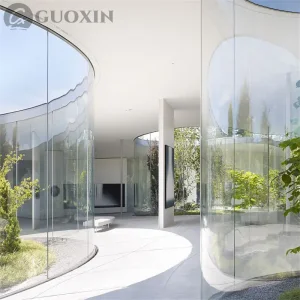
Bent tempered safety glass units designed for curved storefronts, rotating doors, and specialized structural designs.
Learn More & Request Quote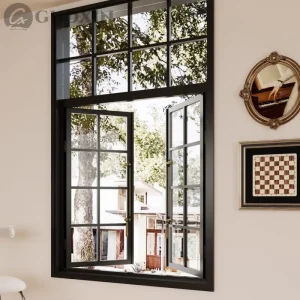
Thermally broken casement window profiles designed for high wind load performance and weather resistance.
Learn More & Request Quote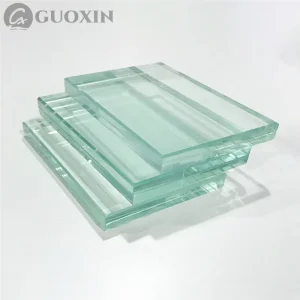
PVB laminated glass panels configured to meet high safety, UV protection, and sound insulation requirements.
Learn More & Request Quote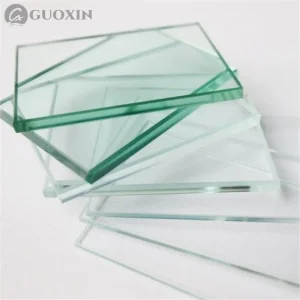
Fully tempered glass sheets designed for high impact resistance and safe breakage characteristics.
Learn More & Request Quote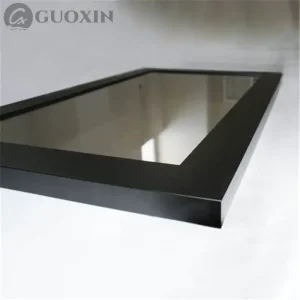
Silver and aluminum mirrors featuring protective back coatings for enhanced humidity and oxidation resistance.
Learn More & Request Quote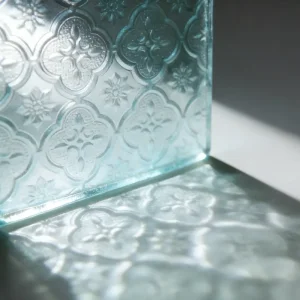
Rolled textured glass options that obscure visibility while maintaining natural light levels in interior spaces.
Learn More & Request Quote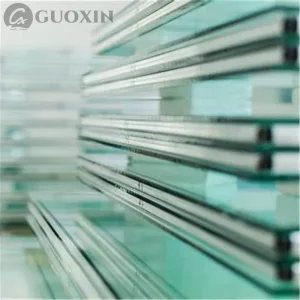
Custom fabricated glass units featuring precise grinding, drilling, waterjet cutouts, and specialized finish requirements.
Learn More & Request Quote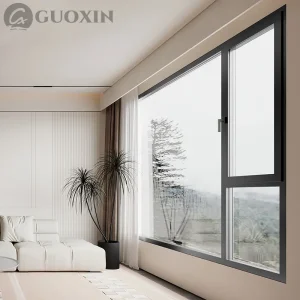
High-efficiency window systems with integrated thermal break profiles and safety glass options.
Learn More & Request QuoteGet in touch with our engineering team for customized sizing, wind load calculations, and certification documentation.
 Guoxin