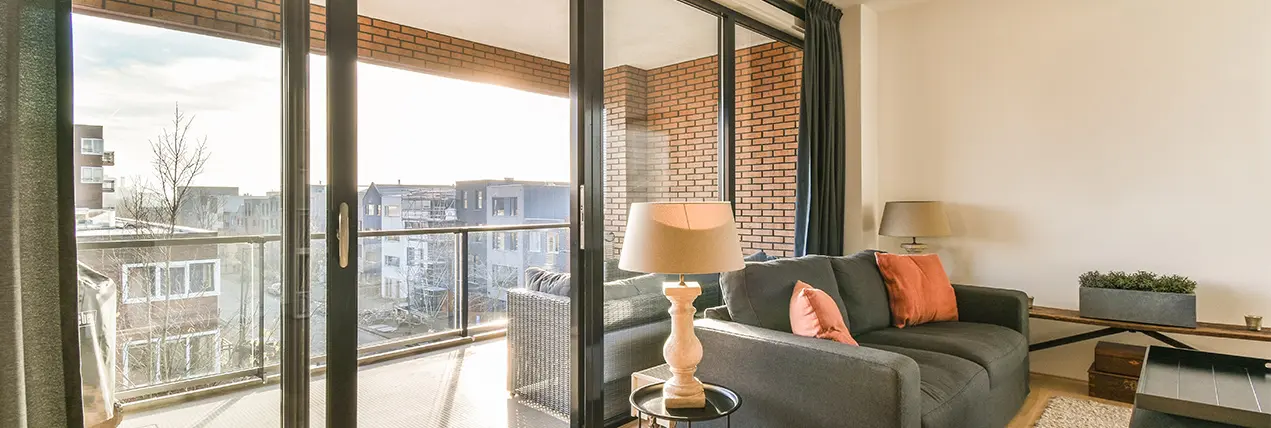
Engineered for extreme performance, security compliance, and thermodynamic efficiency. Explore our top architectural solutions below.
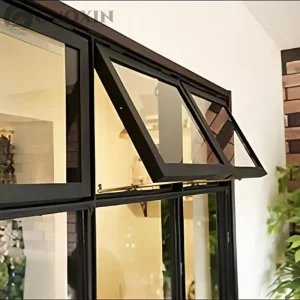
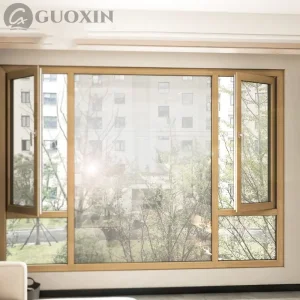
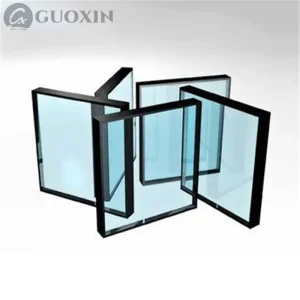
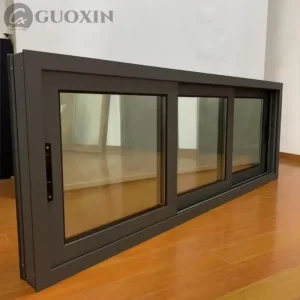
In modern architectural design, the envelope of a building is no longer viewed merely as an aesthetic partition. Instead, it serves as the primary line of defense against catastrophic environmental forces. High-Quality Impact Resistant Doors And Windows are highly engineered composite assemblies that prevent structural breach during category 5 hurricanes, typhoons, wind-borne debris impact, and seismic events. When high-speed wind strikes a standard glazing system, the glass fractures immediately. The resulting structural opening allows air to rush into the building, causing a rapid pressurization that often detaches the roof and collapses internal support walls. By implementing specialized architectural glazing, this catastrophic failure chain is successfully mitigated.
At the center of this engineering feat is laminated security glass. Unlike traditional float glass or single-pane tempered glass, impact-resistant glass integrates heavy-duty interlayers—primarily polyvinyl butyral (PVB) or ionoplast polymer (such as SentryGlas Plus or SGP)—sandwiched between layers of heat-strengthened glass. Under intense kinetic forces, such as the standard missile testing specified by ASTM E1886 and E1996, the exterior glass sheets may crack, but the polymeric interlayer absorbs the kinetic energy and keeps the unit intact. This retains the structural barrier, sealing the building envelope even when subject to sustained cyclonic pressure cycles.
| Interlayer Type | Tear Strength (PSI) | Relative Stiffness | Primary Use Cases | Debris Rating |
|---|---|---|---|---|
| Standard PVB | ~3,000 | 1x (Standard Baseline) | Residential, light commercial, sound dampening | Level C (Small Missile) |
| Architectural Grade SGP | ~5,000+ | 100x stiffer than PVB | High-rise facades, structural glass walls, coastal regions | Level D & E (Large Missile) |
| Multi-layered Polycarbonate | Variable | Extremely High Impact Resistance | Bulletproof, forced-entry protection, heavy industrial | Custom Ballistic Ratings |
Global architectural firms, real estate developers, and large-scale industrial builders increasingly source their fenestration products from premier Chinese manufacturing clusters. The structural advantages offered by advanced factories like Jiangsu Guoxin Glass Co., Ltd. stem from massive supply chain consolidation, proprietary tempering technologies, and direct access to high-purity raw materials. Our factory, established in 2006, possesses over 20 years of specialized manufacturing experience, leading the market with robust R&D cycles and comprehensive structural certification processes.
Modern Chinese factories have evolved past basic assembly lines. By incorporating automated CNC machining centers, high-pressure autoclaves, and intelligent triple-insulated glass production systems, these facilities ensure that structural dimensions remain consistent down to a fraction of a millimeter. Furthermore, this vertical integration allows us to refine every variable of the process: from original float glass formulations and Low-E sputtering coatings to double-action hardware engineering. This degree of control yields architectural components that balance extreme durability with highly competitive price-to-performance ratios.
A snapshot of our scale, history, and international capability. Decades of engineering excellence translated into numbers.
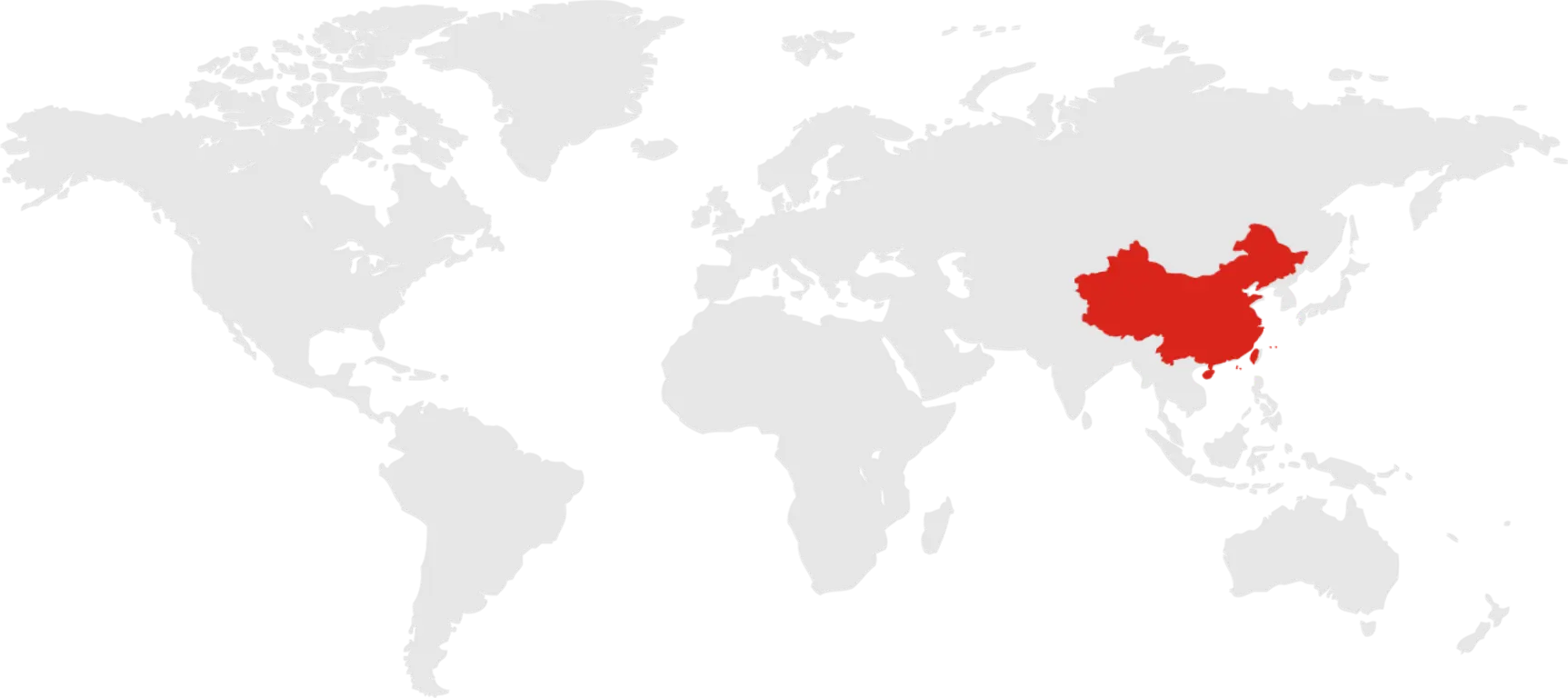
We recognize the unique regional and localized structural needs of customers worldwide. Our products are engineered to comply with the exact wind-load and environmental building codes across multiple continents.
Our state-of-the-art production facility houses multiple advanced production lines, each equipped with cutting-edge technology.
Fabricated using structural-grade 6063-T6 aluminum extrusions, incorporating advanced thermal barriers to prevent energy transfer while offering robust structural rigidity.
Specially tempered silicate and borosilicate assemblies capable of withstanding intense thermal shock and preventing fire propagation for up to 120 minutes.
Dual or triple glazed units constructed using Argon fill gas and low-emissivity coatings to limit solar heat gains while assuring high impact mitigation.
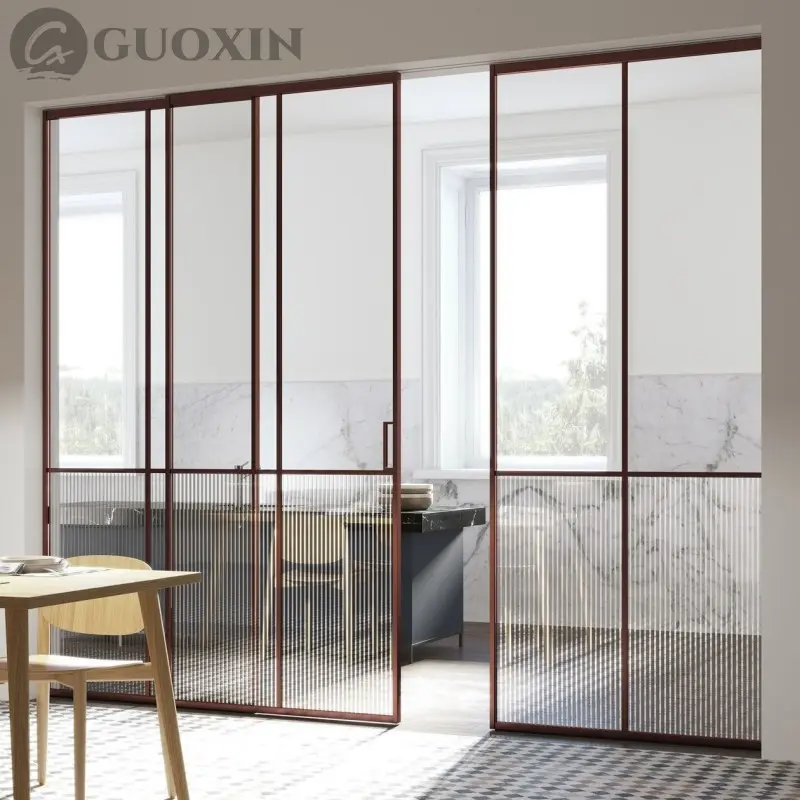
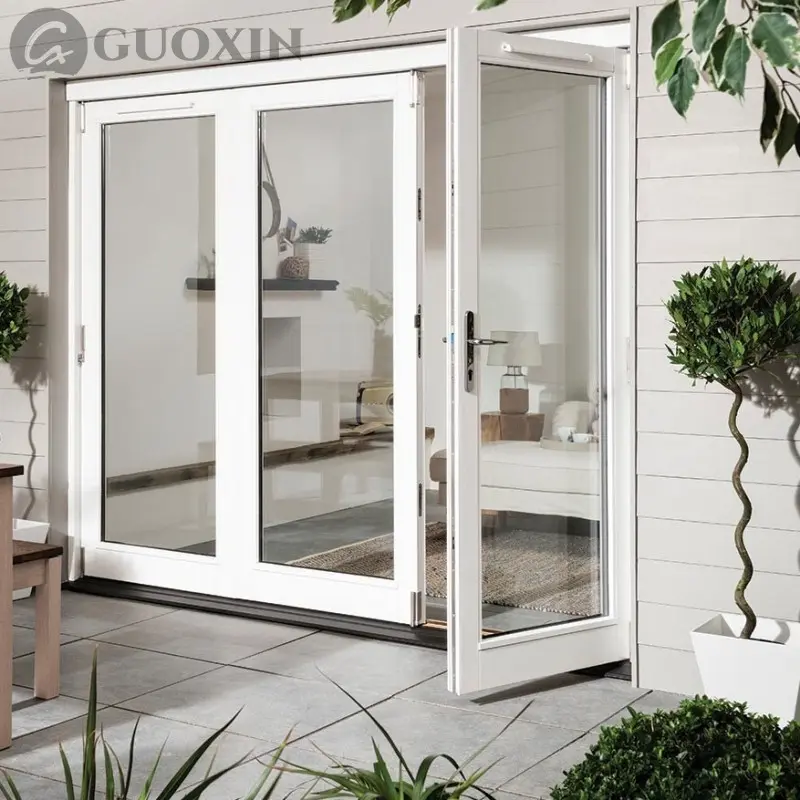
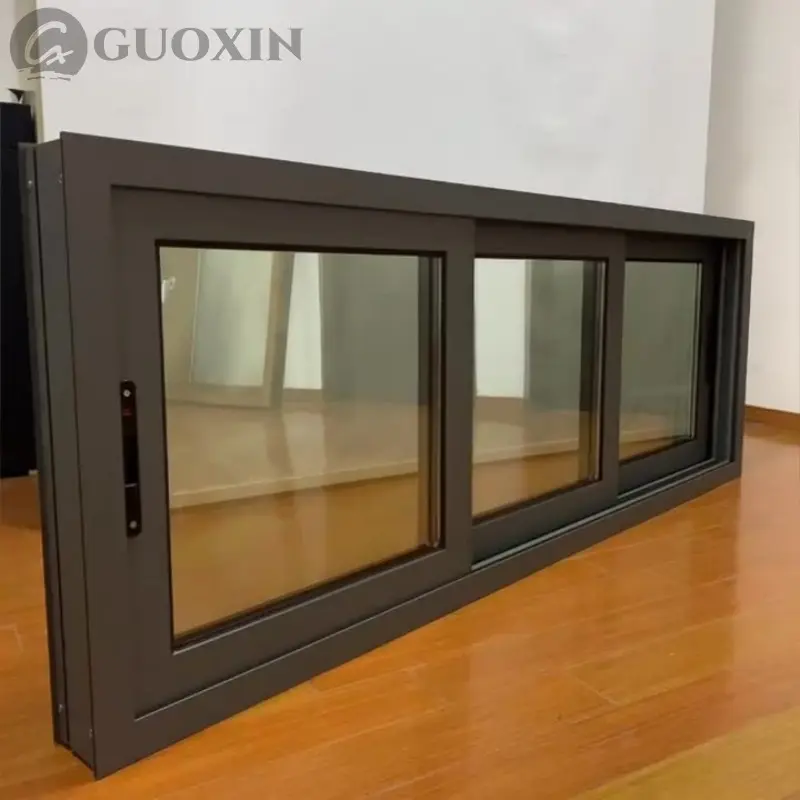
Guoxin Glass operates on a strict Quality First, Customer First, and Credit-Based methodology. With our highly specialized design team, we accommodate challenging structural glazing specifications, delivering optimized safety parameters for architectural landmarks, high-rise office towers, and sensitive municipal facilities worldwide.
Our facility provides custom glass engraving, triple-glazing, curved profiles, color tints, smart privacy control films, and ballistic structural reinforcements. Contact our engineering team today to review your project blueprints and design requirements.
Consult with a Structural Engineer →The global construction sector is shifting rapidly toward carbon neutrality and severe weather resiliency. As a result, impact-resistant windows and doors are no longer selected solely for structural defense; they are also evaluated based on their thermodynamic efficiency. Low-E coatings, double or triple chamber thermal breaks, and integrated inert gas fills (such as Argon or Krypton) are combined with heavy laminated configurations to minimize building operating costs.
Another major trend is the integration of intelligent electronics into building facades. Smart glass, or electrochromic switchable glass, enables building operators to dynamically adjust glass opacity depending on external solar levels. Utilizing advanced daylight prediction algorithms, these systems respond to ambient temperatures, seasonal cycles, and sky conditions to optimize light penetration, eliminating the need for external shutters while reducing energy consumption by up to 20%.
Large infrastructure projects require customized architectural solutions tailored to specific environmental parameters. High-rise office towers, commercial transport hubs, and landmark public buildings represent diverse engineering challenges:
Sourcing structural glass products for international construction projects requires careful evaluation of safety certifications and quality control protocols. To safeguard project timelines and structural integrity, procurement officers must verify several key parameters:
Our engineering solutions deployed across major architectural landmarks, public infrastructure projects, and corporate commercial developments.
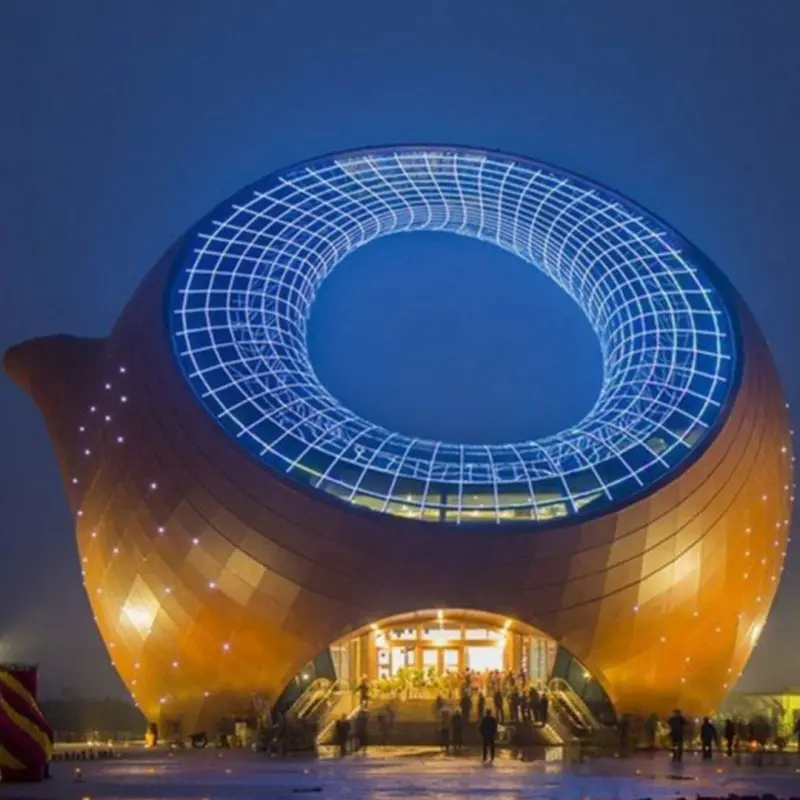
Guinness-certified world's largest teapot-shaped structure. Constructed utilizing custom-bent aluminum and stained artistic structural glass panels.
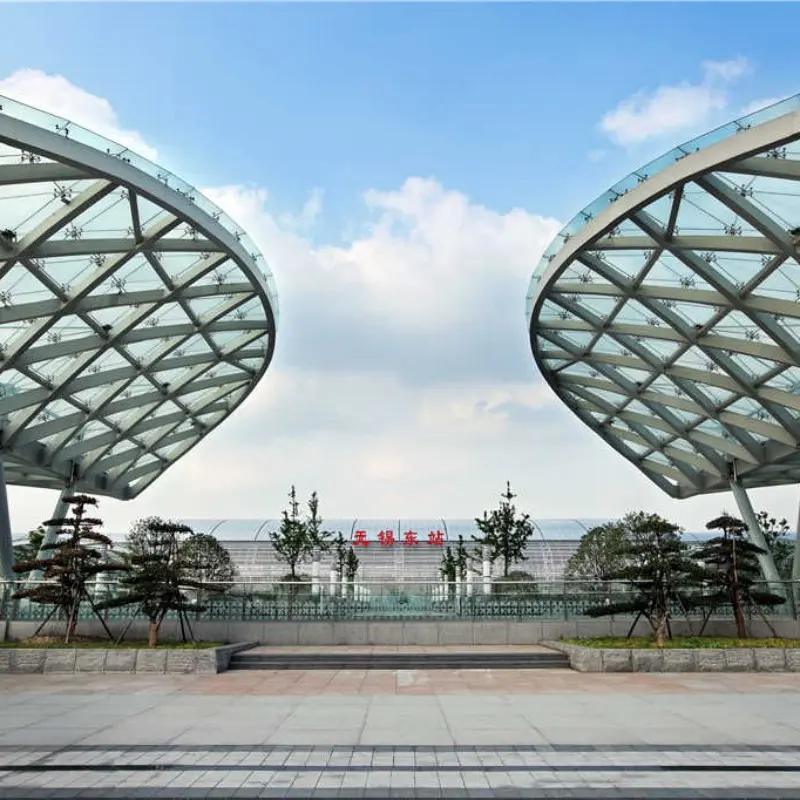
High-density regional transit hub configured with high-strength laminated security glass panels, engineered for noise insulation and high-volume pedestrian safety.

One of the world's tallest skyscrapers, using high-performance insulated glass panels for the building's envelope to ensure thermal efficiency and resistance to wind load pressures.
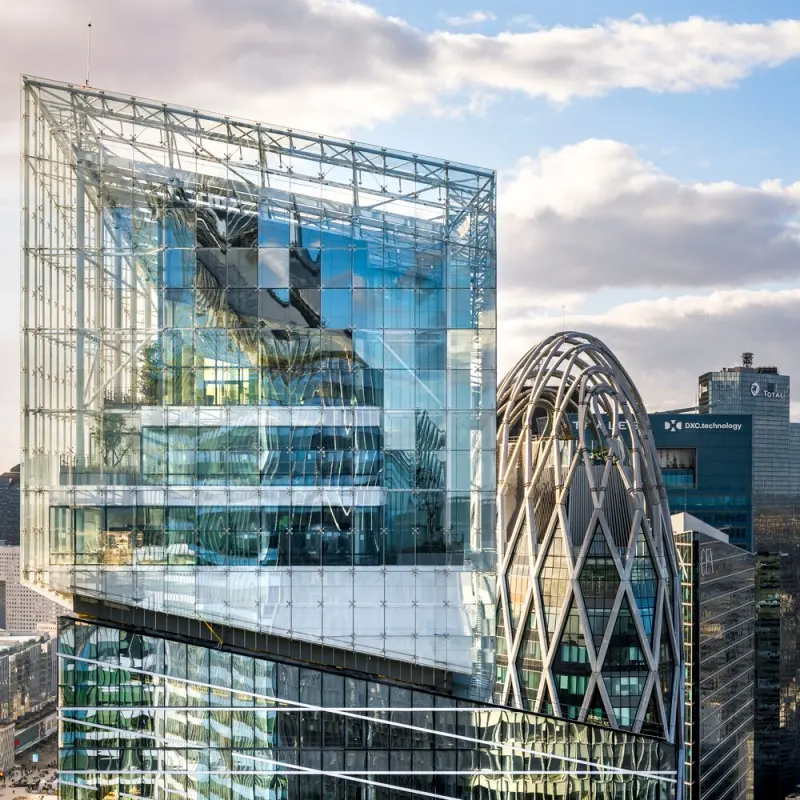
Architectural facade utilizing double-glazed, solar-control insulated panels to balance interior lighting demands with heat recovery optimization.
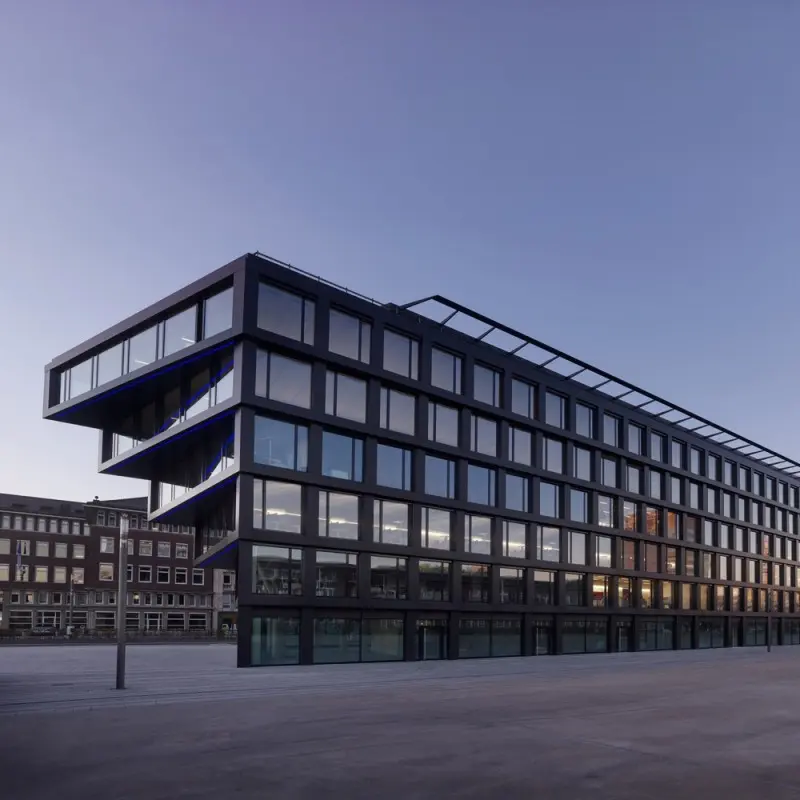
Modern commercial infrastructure featuring triple-insulated solar glass with solar control layers to optimize energy efficiency and indoor acoustics.
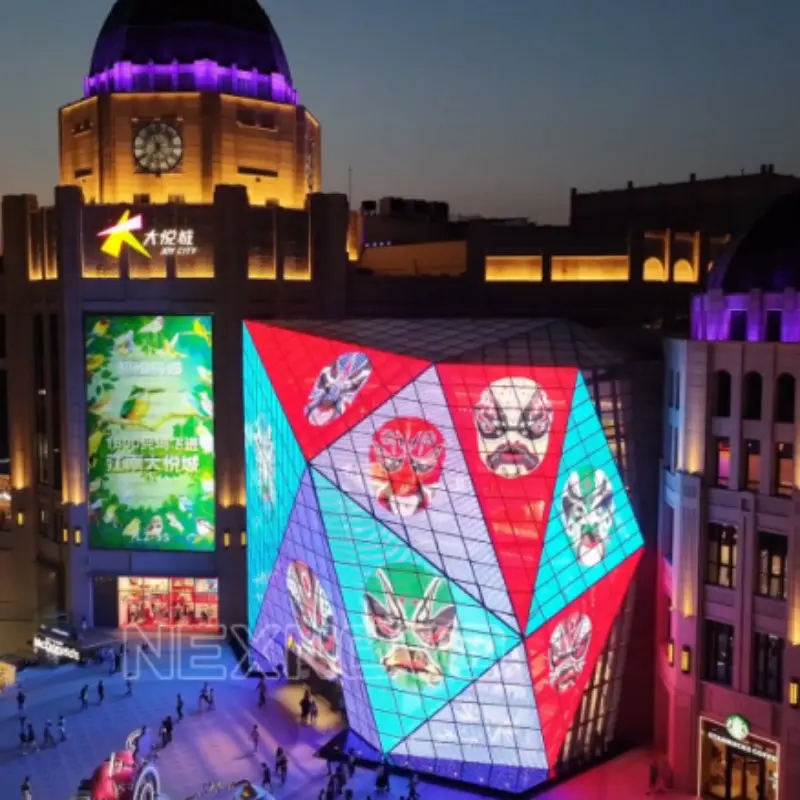
Commercial shopping complex utilizing smart electrochromic glass installations, which dynamically adjust glass hue to manage glare and solar heat gains.
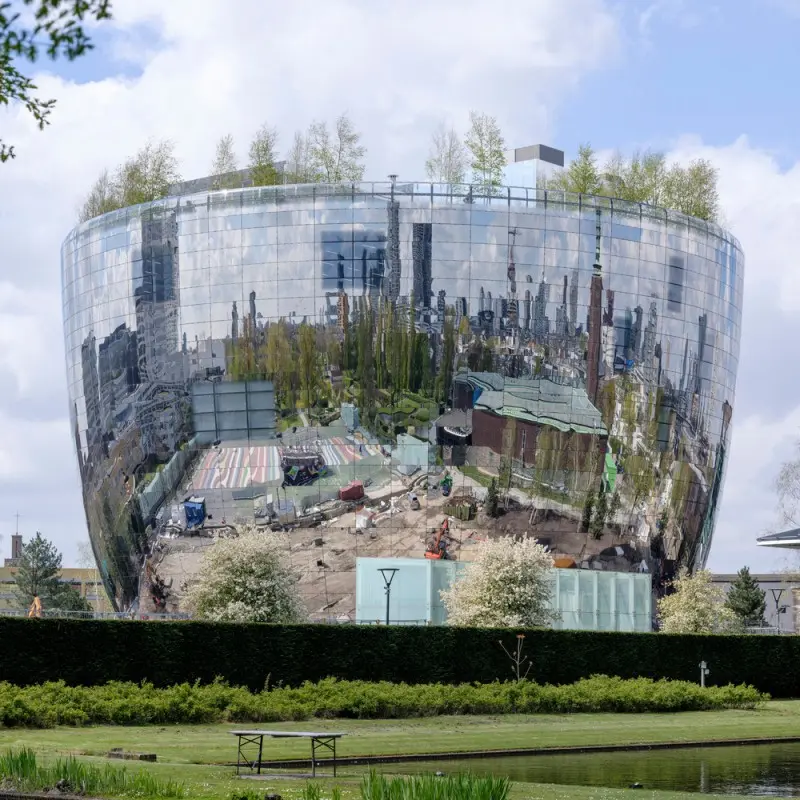
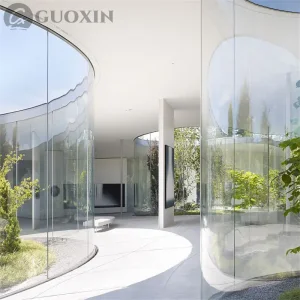
Designed with curved reflective glazing panels, creating a seamless visual integration with the surrounding park environment while meeting strict safety standards.
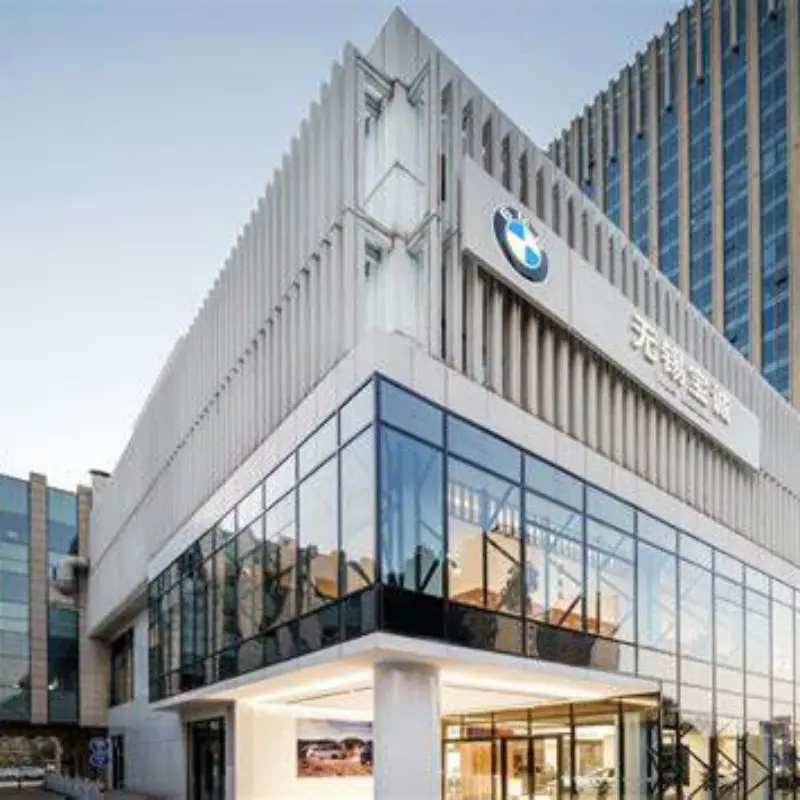
High-transmittance insulated safety glass showcases designed to provide maximum architectural transparency alongside robust impact resistance.
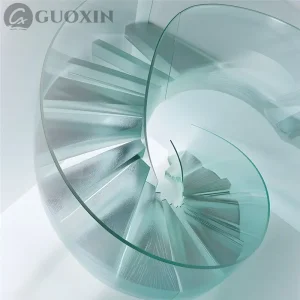
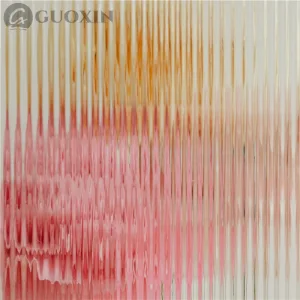
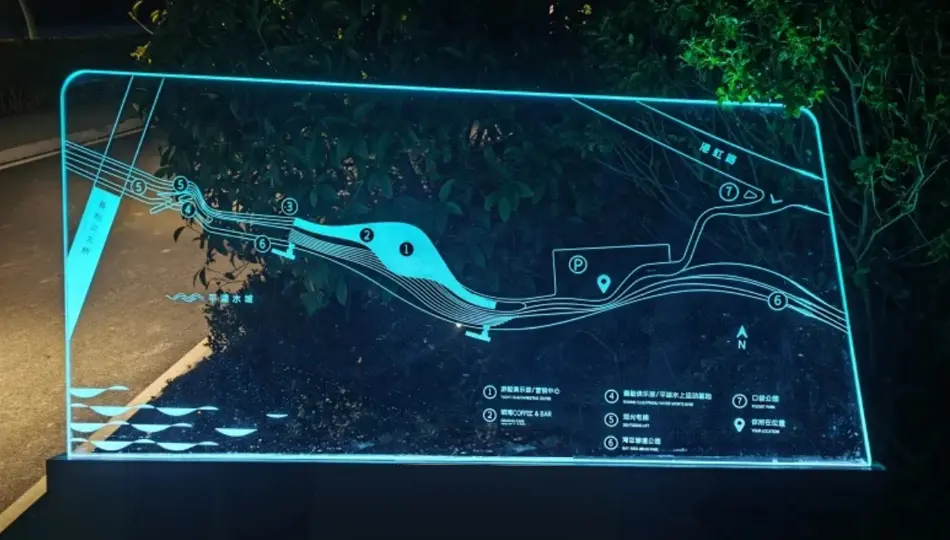
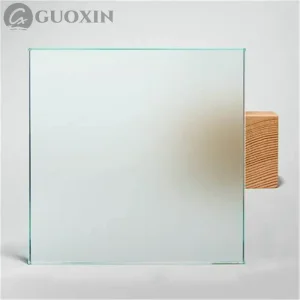
Innovative interior and exterior structural glass featuring internal subsurface designs and specialized patterns.

Deep technical knowledge directly from our engineers to help you make informed specification choices.
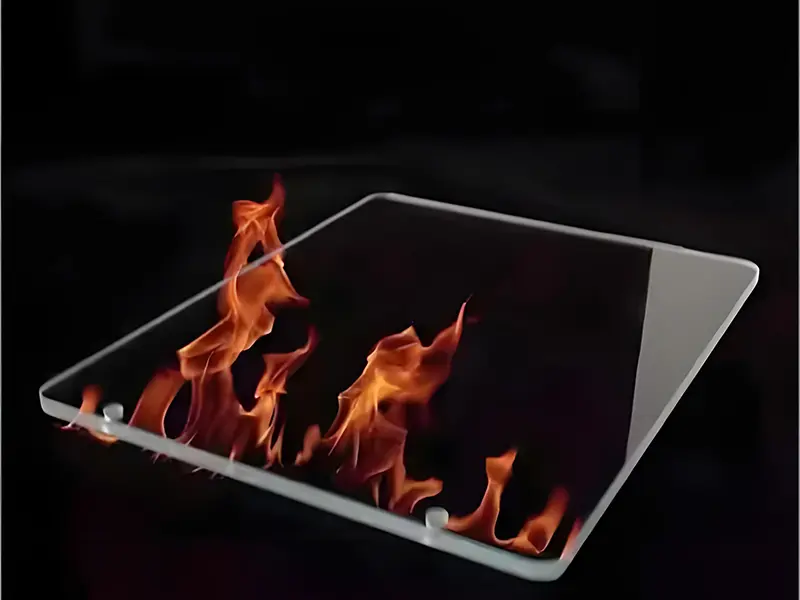
Ordinary glass fractures within minutes of thermal exposure. Fire-rated glass utilizes a specialized borosilicate glass composition or multi-layered gel interlayers that react to heat, forming a reliable thermal barrier to delay heat transmission.
Laminated safety glass prevents shattering and maintains structural integrity. It is widely used in high-rise window systems, glass balustrades, and overhead roofs, ensuring protection against falling debris and forced entry.
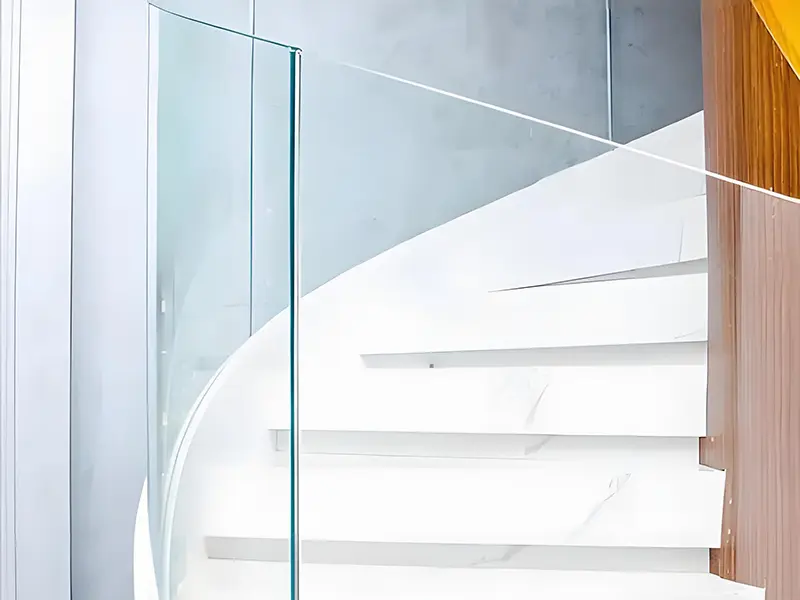
Choosing between thermally-broken aluminum and steel profiles depends on your load requirements. Structural-grade aluminum offers better cost-efficiency and corrosion resistance, while steel profiles provide higher rigidity for large-scale glazing.
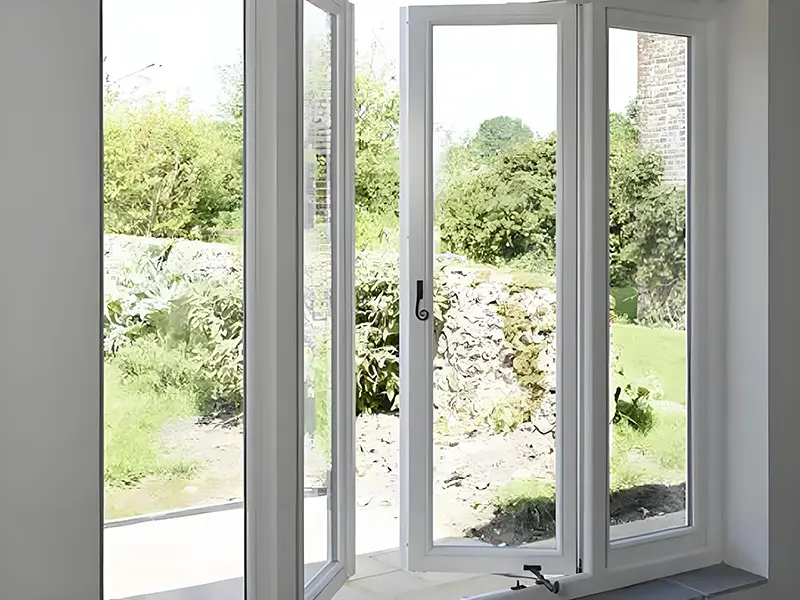
Deep technical answers to high-intent questions raised by architects, façade engineers, and global procurement managers.
Polyvinyl Butyral (PVB) is an elastomeric polymer that provides excellent impact absorption and sound dampening under standard wind loads. Ionoplast interlayers, such as SentryGlas Plus (SGP), are approximately 100 times stiffer and offer 5 times the tear strength of traditional PVB. This added stiffness makes SGP ideal for high-pressure installations, structural glass balustrades, and regions prone to severe windstorms or hurricanes, as it remains upright and stable even if the glass panels fracture.
Wind pressure capability is calculated using structural engineering simulations that analyze design wind load parameters (following codes like ASCE 7-16) alongside the thickness and span of the glass panel. We perform structural physical tests using chamber equipment to apply positive and negative design pressures, verifying compliance with ASTM, EN, and AS/NZS testing guidelines before shipping.
Low-Emissivity (Low-E) coatings utilize microscopically thin metal layers to reflect long-wave infrared heat while letting visible light pass through. In tropical or coastal zones subject to intense solar radiation, integrating Low-E coatings within laminated and insulated glass units reduces solar heat gains, lowering cooling costs without compromising structural safety.
Fireproof glass assemblies undergo rigorous vertical furnace tests where they are exposed to temperature curves exceeding 1,000°C. Systems are certified based on their integrity (preventing the passage of flames and hot gases) and insulation performance (limiting the temperature rise on the unexposed side of the glass panel).
Guoxin Glass operates a comprehensive quality management system certified to ISO 9001:2015 standards, ensuring traceablity and consistent performance metrics across all production batches.
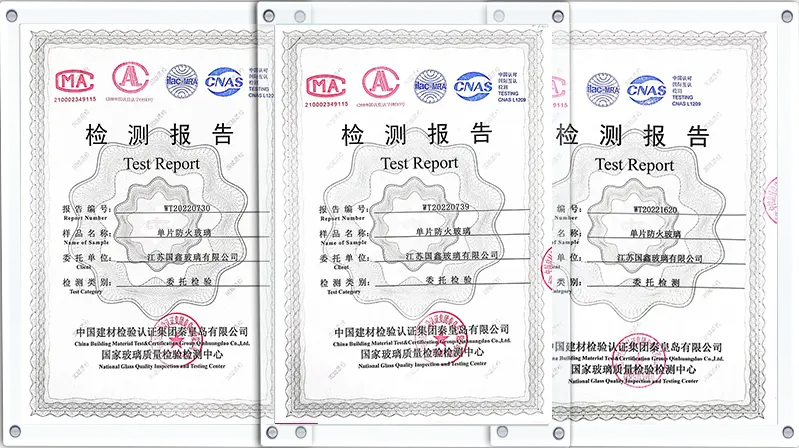
All manufacturing batches undergo structural load testing, thermal cycle evaluations, and glass fragmentation analysis before leaving the factory.
Explore our custom fabrication options, specialized glass processing, and heavy-duty sliding systems.
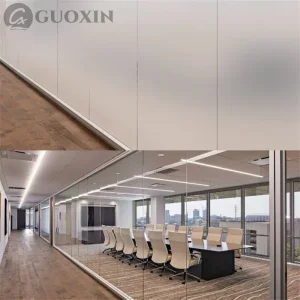
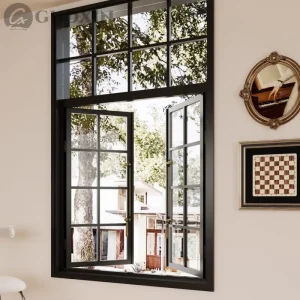
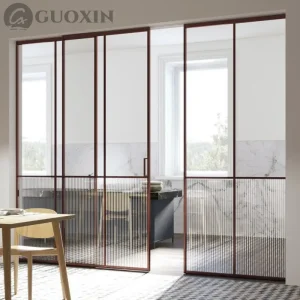
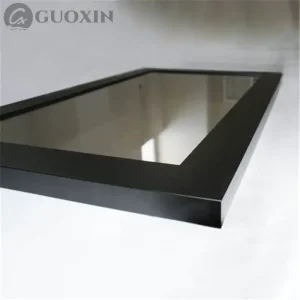
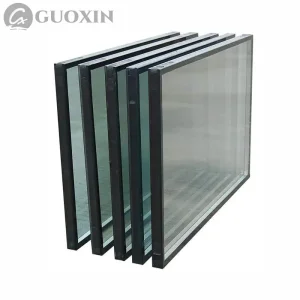
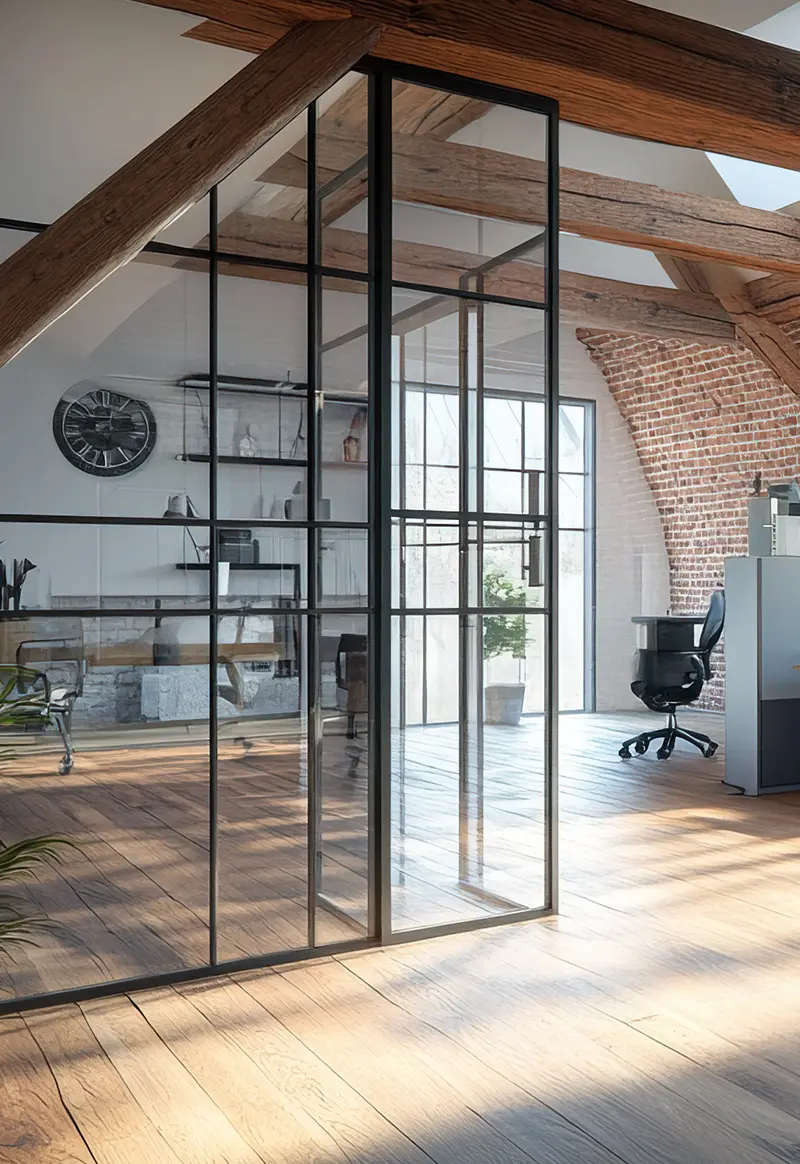
Real-world deployment scenarios including high-rise glass configurations, structural glass framing, and safety barrier systems.
 Guoxin