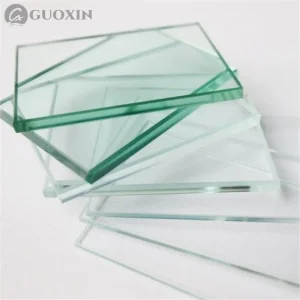
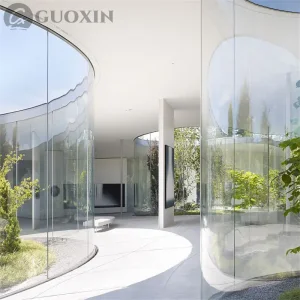
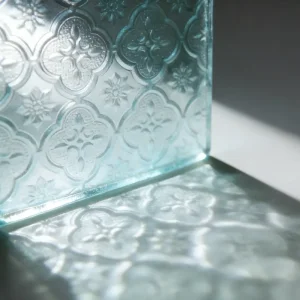
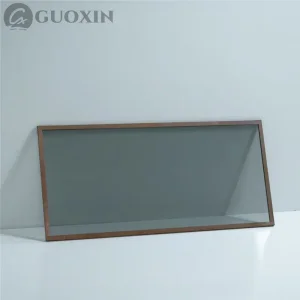
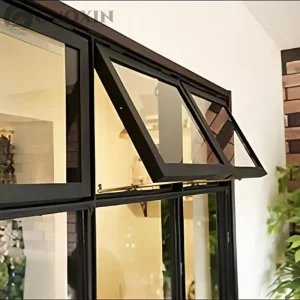
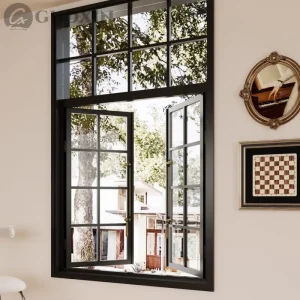
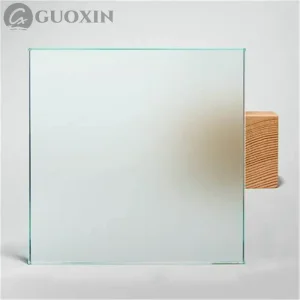
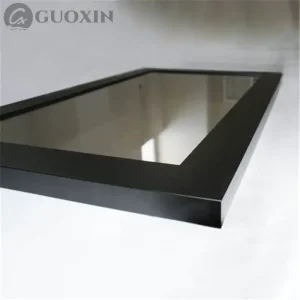
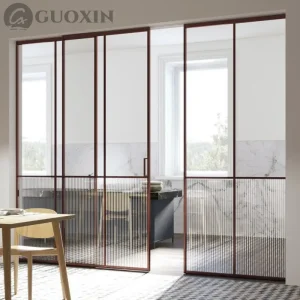
The global landscape for high-quality aluminium windows and glass facades has undergone a seismic shift toward energy efficiency, structural integrity, and aesthetic minimalism. As urbanization accelerates, the demand for high-performance building envelopes has surged. Architects and developers are no longer merely looking for "windows"; they are seeking integrated thermal and acoustic solutions that meet stringent international certifications like LEED, BREEAM, and various seismic resistance standards.
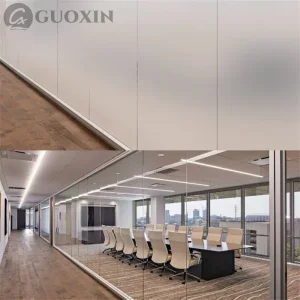
The core of this evolution lies in the synergy between advanced glass processing and high-precision aluminium extrusion. From residential high-rises in the Middle East to commercial complexes in North America, the shift toward "smart" building materials—including switchable privacy glass and solar-control coatings—has redefined the procurement roadmap for major global enterprises.
Why do industry leaders prioritize Chinese factories for their glazing requirements? It is not just about cost-competitiveness. China has established a robust, vertically integrated supply chain for architectural glass and aluminium profiles. This ecosystem allows for rapid prototyping, lower lead times, and the ability to handle large-scale, complex orders that require strict quality control protocols consistent with ISO 9001 standards.
Different geographies demand different solutions. A project in Northern Europe requires ultra-low U-values for triple-insulated glass to prevent thermal bridging, while tropical climates prioritize SHGC (Solar Heat Gain Coefficient) to reduce cooling loads. Our expert factory production lines are calibrated to handle diverse requirements:
Procuring glass and aluminium windows at scale involves more than checking a price list. It requires a deep dive into the manufacturer's operational maturity. Global enterprises look for three critical markers of authority:
By bridging the gap between raw material sourcing and finished product assembly, we provide a streamlined solution that mitigates supply chain risk. Our facility combines over two decades of production heritage with state-of-the-art automation.
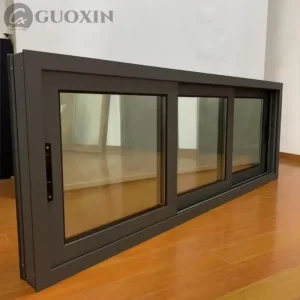
Standard aluminium conducts heat/cold, leading to condensation. Thermally broken windows feature a polyamide or polyurethane strip between the inner and outer frames, acting as a thermal barrier. This significantly enhances energy efficiency and comfort in extreme weather conditions.
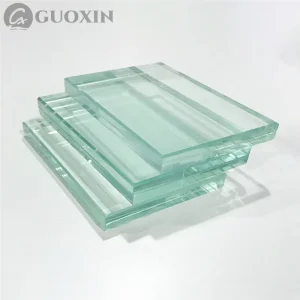
High-quality tempered glass is verified through standardized surface stress testing, impact testing (using drop balls or soft impactors), and fragmentation pattern analysis to ensure it breaks into safe, small, granular pieces rather than dangerous shards.
Absolutely. We specialize in OEM and ODM services. From initial concept drawings to CAD modeling and final mass production, our engineering team works directly with architects to ensure design intent meets manufacturing reality.
 Guoxin