Explore our core engineering glass systems manufactured for modern living room bi-fold and sliding systems.
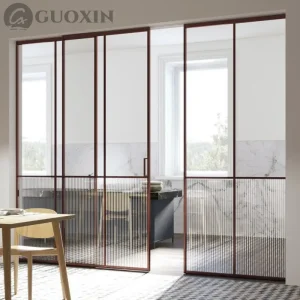
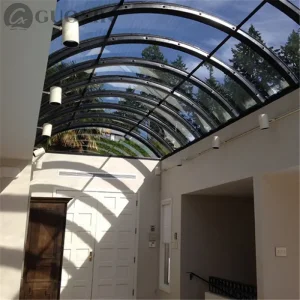
In contemporary spatial design, the living room is no longer defined by rigid boundaries. The architectural transition toward indoor-outdoor fluid layouts has prioritized the integration of systems like high-performance bi-folding doors. By consolidating physical boundaries into a series of structural glass panes that fold flat against perimeter walls, bi-folding assemblies maximize visual clarity and spatial volume.
From an engineering perspective, a living room bi-folding system must address dual requirements: acting as a highly transparent, aesthetic facade while delivering the structural resilience of a load-bearing exterior wall. When closed, it must shield the home from thermal dissipation, atmospheric humidity, and acoustic pollution. When opened, it must glide smoothly with minimal friction. This optimization guide explores the material science, supply chain dynamics, and technical specifications that premium manufacturers integrate into high-quality bi-folding door assemblies.
The primary structure of premium bi-fold doors relies on extruded aluminum alloy profiles (commonly grade 6063-T5 or T6). Aluminum offers structural rigidity, allowing slim profiles that maximize the glazed surface area. However, because raw aluminum has high thermal conductivity, modern configurations must feature a structural thermal break.
Thermal breaks utilize low-conductivity polyamide struts reinforced with glass fiber, inserted between the interior and exterior aluminum profiles. This creates a thermal barrier that reduces heat conduction (U-value) and prevents condensation in cold climates. High-end manufacturers design profiles with multi-cavity insulation zones, achieving overall thermal transmittances (U-factor) of less than 1.4 W/m²K, which meets strict global energy efficiency standards.
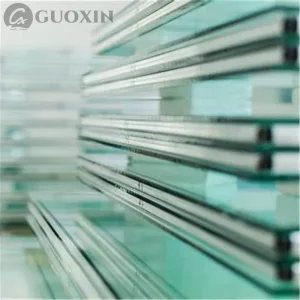
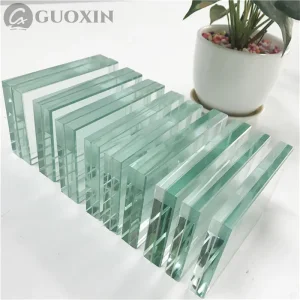
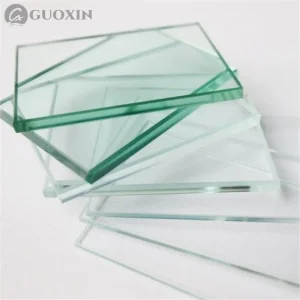
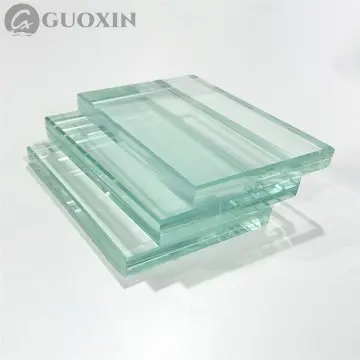
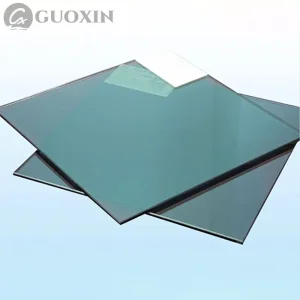
As the primary component of a bi-folding door's surface area, glass selection is critical for safety, acoustics, and solar control. Standard glass is insufficient for wide-span architectural applications. Advanced bi-fold assemblies incorporate several high-performance glass types:
Jiangsu Guoxin Glass Co., Ltd. operates state-of-the-art production lines equipped with glass and metal fabrication technologies to serve diverse architectural needs.

Thermal break aluminum frame integration with multi-point sealing mechanisms.
Explore Systems ➔
High-integrity fire-resistant glass certified for public safety barriers.
Explore Systems ➔
Multi-layer safety configurations utilizing PVB and SGP interlayers.
Explore Systems ➔
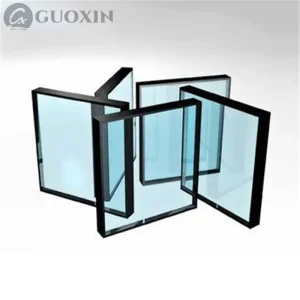
Dual & triple glazed systems utilizing advanced low-E coatings and argon filling.
Explore Systems ➔
Reinforced structural security glass engineered for banks, high-risk assets, and secure properties.
Explore Systems ➔A trusted name in architectural glass fabrication and aluminum integration systems since 2006.
Founded in 2006, Jiangsu Guoxin Glass Co., Ltd. has established a stable and successful track record spanning two decades in the structural glass and window/door industry. The company has accumulated extensive experience in the research, development, production, and marketing of high-end aluminum windows, fireproof glass, laminated glass, and insulated glass units.
Our modern industrial facility integrates glass processing machinery with automated aluminum assembly operations. This vertical integration allows us to monitor quality control from raw materials to the final shipment. By sourcing premium float glass, implementing precise tempering cycles, and assembling custom-designed thermal profiles, Guoxin Glass delivers international-grade products to commercial and residential projects worldwide.
Operating conditions vary significantly by region. Bi-folding doors must be engineered to handle localized wind loads, seasonal temperature swings, and architectural requirements:
Coastal environments require structures that resist wind pressures and salt corrosion. Bi-folding systems in these areas feature 6063-T6 marine-grade aluminum profiles treated with PVDF coatings to resist oxidation. Structurally, these systems use SGP laminated glass to handle wind-borne debris and negative wind pressures up to 5000 Pa. Gasket systems utilize continuous EPDM seals to prevent rainwater ingress under high wind conditions.
In cold regions, thermal retention is the primary design requirement. Standard double glazing is often replaced by triple-glazed insulated units (Argon-filled) with dual Low-E coatings. Polyamide thermal breaks must be wider (up to 34mm) to isolate external cold. Multi-point locking mechanisms pull the door panels tight against continuous compression seals, eliminating draft entry and preventing structural thermal bridges that lead to frost build-up.
Urban living demands noise isolation and security. City apartment living rooms rely on acoustic laminated glass panels to dampen low-frequency traffic noise (STC 40+). To address security concerns, systems feature multi-point hook locks, anti-lift pins, and internal glazing beads that prevent the glass from being removed from the exterior.
Precision glass doors and windows engineered to balance durability with architectural elegance.
Space-saving configurations engineered with heavy-duty rollers and precision tracks for effortless operation.
Classic profiles optimized with thermal break technology, suitable for heavy-traffic entryways and transitions.
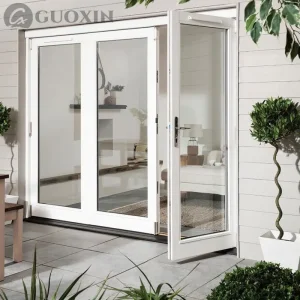
Multi-panel folding designs that open up entire wall spaces for seamless indoor-outdoor living room environments.
Slim-profile sliding windows designed to maximize visible glass area and deliver dependable weather sealing.
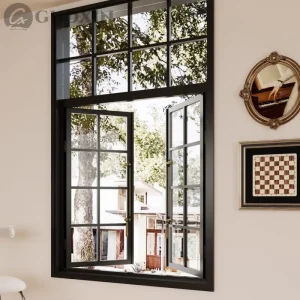
Side-hinged windows featuring compression gaskets that provide excellent wind resistance and thermal insulation.
The architectural glazing industry is adapting to meet stricter sustainability mandates and integrate smart building technology. Leading suppliers are centering their R&D efforts around key innovations:
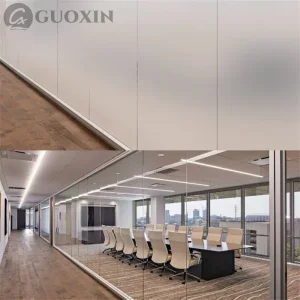
Dynamic shading is replacing traditional curtains and exterior shutters. By integrating liquid crystal or electrochromic coatings inside the insulated units, bi-folding door glass can transition from transparent to translucent via a wall switch or smart home system. This controls solar heat gain dynamically, reducing cooling loads during peak sunlight hours.
Vacuum Insulating Glass is emerging as an alternative to traditional double or triple glazing. By creating a vacuum zone between two glass panes, VIG eliminates conductive and convective heat transfer. This achieves U-values comparable to solid insulated walls (down to 0.6 W/m²K) in a profile thin enough to reduce the overall weight of folding doors, lowering the structural load on tracking systems.
Eco-friendly manufacturing has driven a shift toward low-carbon aluminum smelted using renewable energy (such as hydro-electricity). Gasket and thermal separator materials are moving toward bio-based EPDM and recyclable thermoplastic elastomers (TPE), helping developers meet LEED and BREEAM certifications.
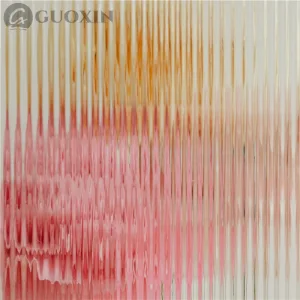
Explore our decorative glass capabilities, designed for internal partitions, landscape accents, and architectural design features.
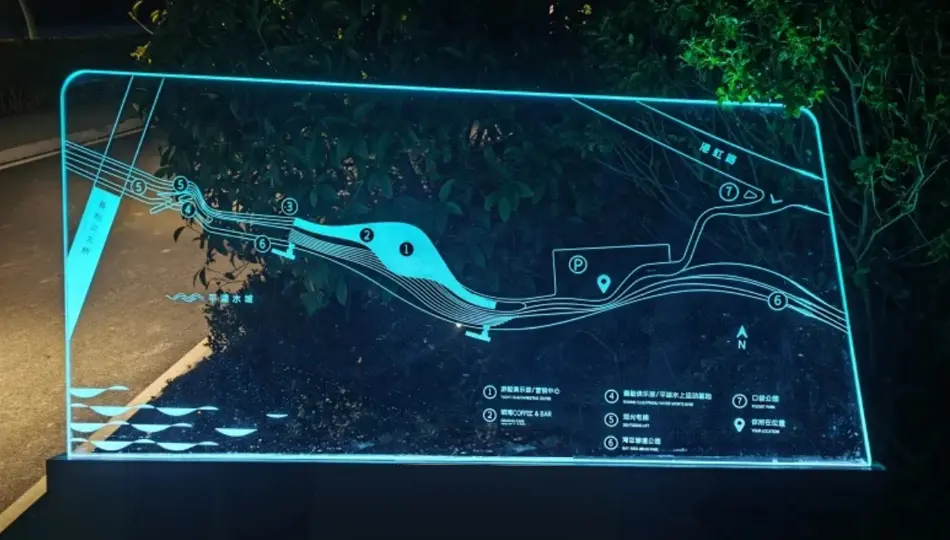
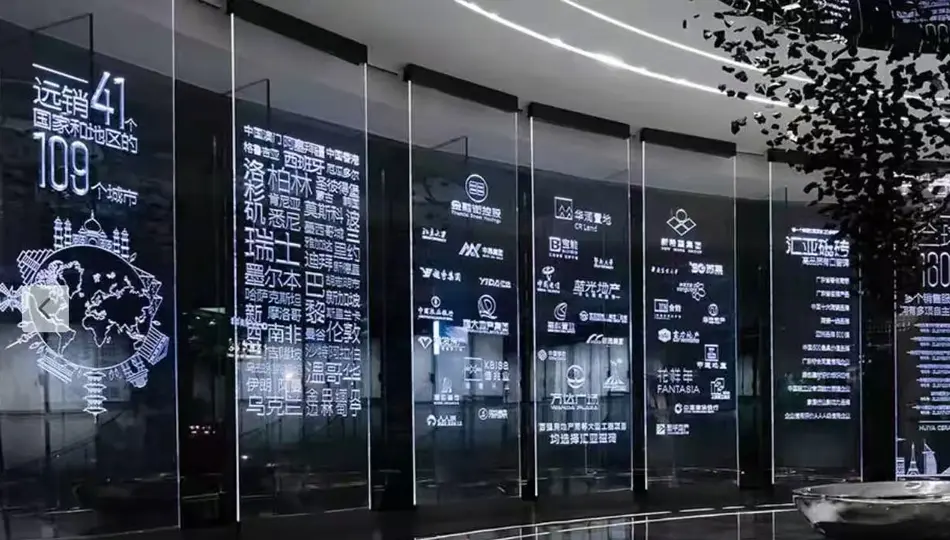

A key advantage of sourcing bi-folding doors and architectural glass from China is the concentration of manufacturing ecosystems. Jiangsu Guoxin Glass Co., Ltd. leverages this localized supply network to provide end-to-end production advantages:
Many overseas suppliers source glass and aluminum profiles from separate vendors, which can introduce assembly tolerance issues. Jiangsu Guoxin manages both glass processing and aluminum framing in-house. This structural integration ensures that laminated or insulated glass units fit precisely into their aluminum pockets, preventing frame distortion and seal failures.
Our facility houses multiple automated production lines, including Lisec cutting tables, Bottero grinding machines, and high-convection tempering furnaces. Laser-guided alignment and automated sealant application ensure consistent glass unit depth and argon gas retention, reducing seal failure rates to less than 0.1% over a 10-year operating cycle.
Transporting heavy glass systems internationally requires specialized protective packaging. Products are secured in heavy-duty, moisture-sealed plywood crates with cork separation pads. Desiccant packs prevent moisture build-up inside the ocean container, ensuring the metal finishes and glass coatings arrive in pristine condition.
Our globally demanded architectural glass and glazing components, manufactured under ISO 9001:2015 standards.
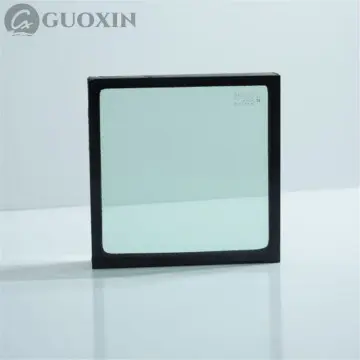

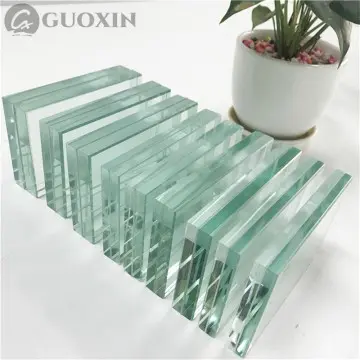
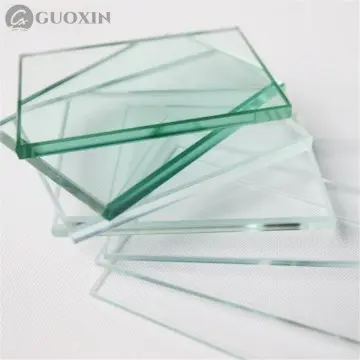
Our structural glass and framing systems are integrated into landmarks and commercial projects globally.
Known as the "world's largest purple clay pot shaped building". This 38.8-meter-high dome structure features custom artistic stained glass and aluminum frames fabricated to precise shapes and sizes.
A double-sided elevated station utilizing thousands of custom laminated glass panes. Engineered to handle high passenger wait capacities while maximizing natural daylight harvesting.
Standing at 450 meters tall (world's 7th tallest completed building). The retail and office zones are enveloped in high-performance insulated solar control glass engineered to handle extreme wind shear pressures.
Designed with triple-insulated solar control glass panels. The facade system integrates heating, cooling, ventilation, and acoustics, achieving a heat recovery rate of over 80%.
This design utilizes day-light predictive algorithms and automated smart glass to adjust tints dynamically, reducing glare and lowering building cooling load demands.
Wuxi Joy City features integrated smart glass systems on its facade, providing high-definition digital display capabilities while maintaining solar control performance.
Featuring a reflective glass facade that integrates the building into its park surroundings, balancing aesthetic reflection with solar heat control.
Large structural glass units designed to showcase vehicles in natural daylight while meeting regional thermal and wind load specifications.
We work closely with project developers, architects, and wholesalers to customize frames, tracks, and glazing configurations. "Quality First, Customer First, and Credit-Based."
A visual look at our quality assurance testing, production floor, and completed projects.
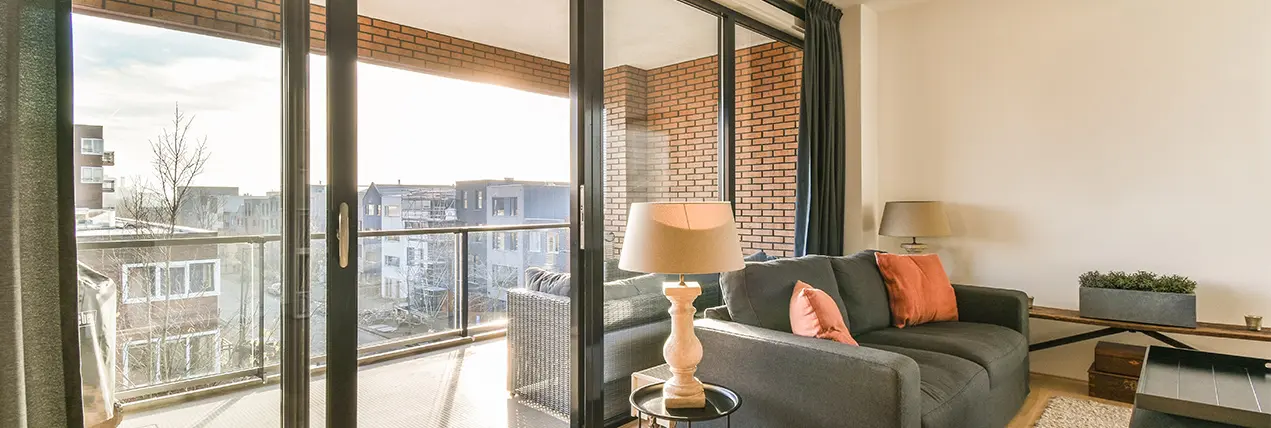


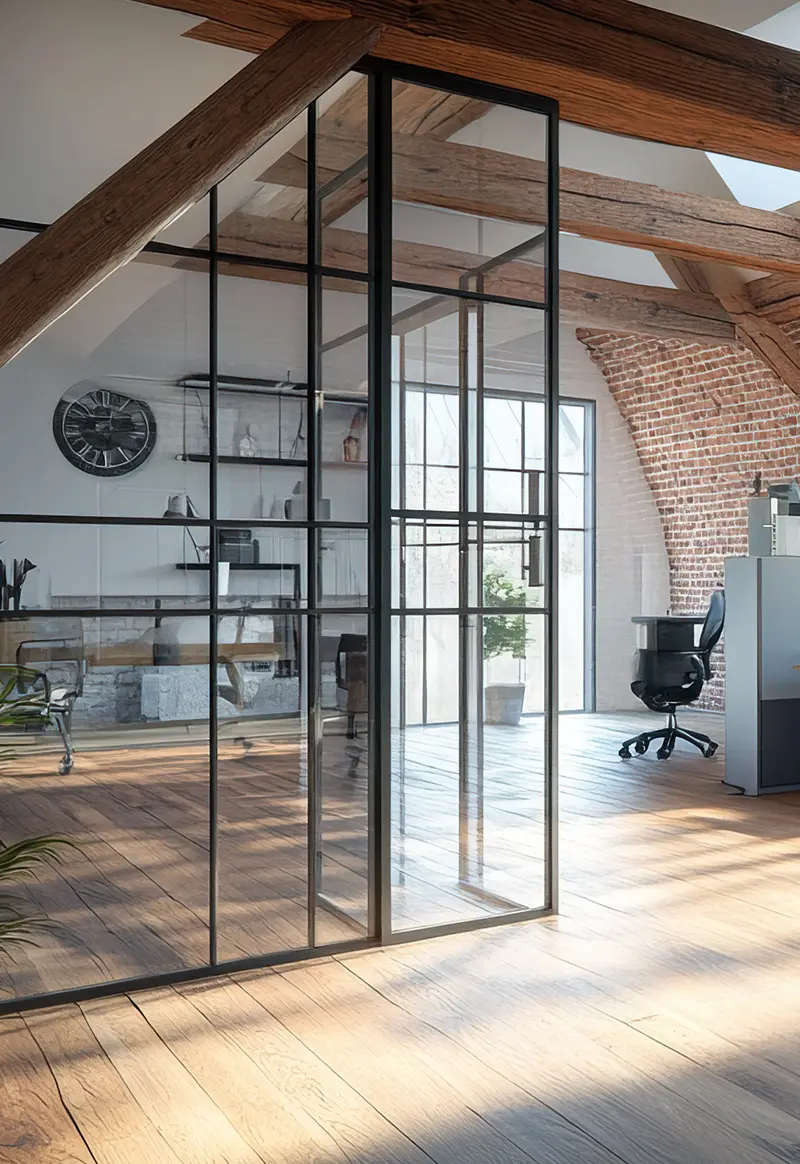
Building codes regulate structural glazing elements like bi-folding doors. Sourcing from Jiangsu Guoxin Glass ensures compliance with key international standards:
For European Union markets, bi-folding door assemblies must carry the CE mark. This confirms that air permeability, water tightness, wind resistance, and thermal transmittance values comply with EN 14351-1. Our double and triple glazed window units meet EN 1279 standards for gas retention and seal durability.
In North America, door glass must be safety-rated. Our tempered and laminated glass options are tested to meet ANSI Z97.1 and SGCC (Safety Glass Certification Council) requirements. Frame systems are tested under ASTM E330 to verify performance under regional wind and structural design pressures.
In Oceania, glass must comply with AS/NZS 2208 safety standards. Complete bi-folding systems are certified under AS 2047, which specifies mechanical and water-penetration performance for residential and commercial installations.
Detailed engineering answers to key technical questions about modern bi-folding systems.
Depending on the choice of structural hardware, individual door panels can reach up to 1.2 meters in width and 3.5 meters in height, with a maximum weight capacity of 120 kg per panel. We utilize top-hung stainless-steel roller assemblies to ensure smooth operation, transferring the main load to the structural lintel above.
Without a structural thermal break, the high thermal conductivity of aluminum allows indoor heat to escape, which increases heating bills and causes condensation to form on the interior frame. Incorporating a fiberglass-reinforced polyamide thermal break separates the interior and exterior metal profiles, keeping the inner frame warm and dry.
Top-hung systems carry the door panel weight along the header track, protecting the rollers from dirt and debris for a smoother glide. However, they require a heavy, load-bearing lintel. Bottom-rolling systems transfer the load downward, making them easier to install when overhead structural support is limited.
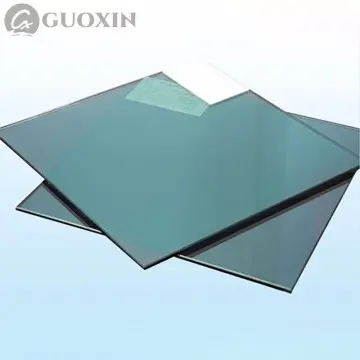
Low-E coatings consist of microscopically thin, transparent metal layers applied directly to the glass. They reflect long-wave infrared heat back into the living room during winter while blocking solar heat during summer, which reduces energy usage for both heating and air conditioning.
Insights from our engineering department regarding safety glass selection, fire resistance, and window performance.
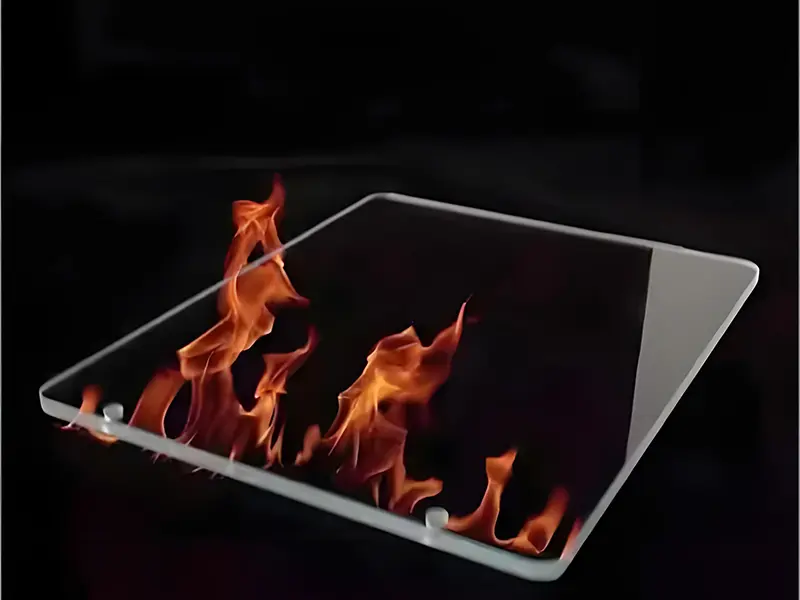
To help you pick compliant, cost-effective, and safe glass for your projects, we break down the structural differences between fireproof glass, fireproof coated glass, and traditional glass...
Read Full Article ➔
We address customer inquiries on selecting safety-compliant architectural glass. Learn how laminated glass prevents injury and enhances security in residential installations...
Read Full Article ➔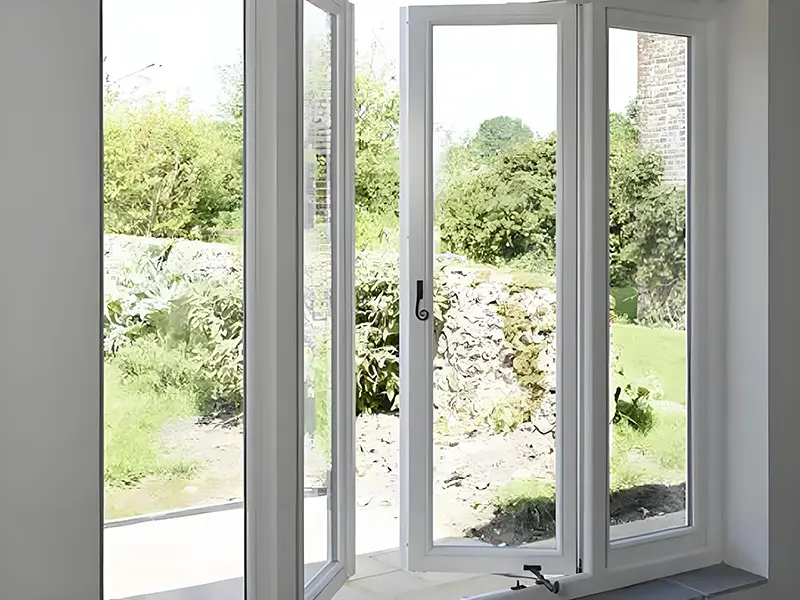
Most builders face a choice between thermal-break (broken bridge) aluminum and plastic steel for casement windows. We compare the mechanical strength and durability of both...
Read Full Article ➔Explore our full range of custom glass and framing systems, manufactured to meet global project requirements.
 Guoxin