 Guoxin
High-Performance Aluminium Window Systems in Modern Architecture
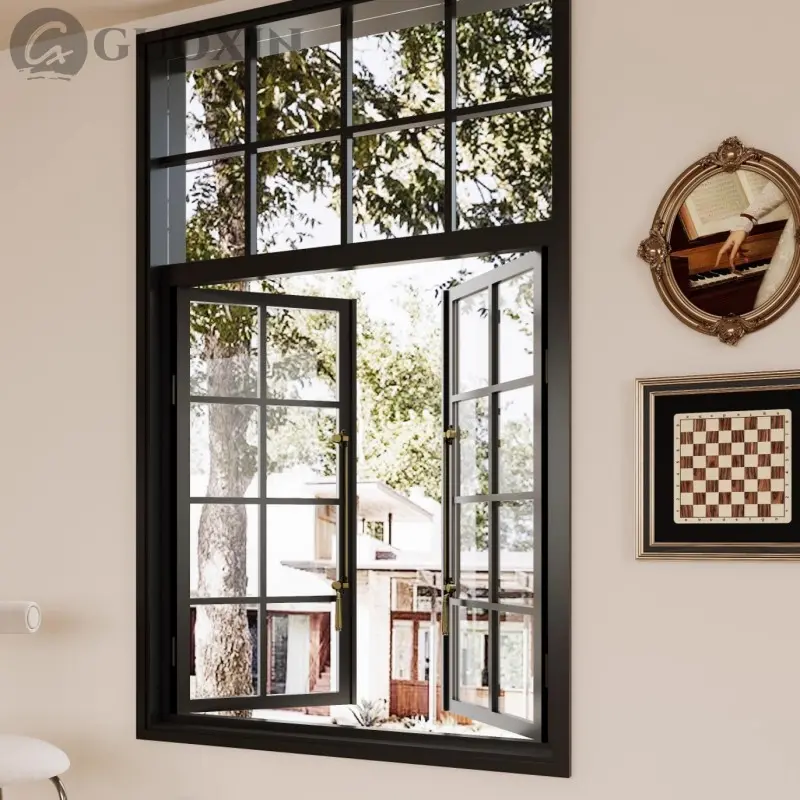
Modern architectural design requires building envelopes that deliver superior structural resilience, aesthetic excellence, and environmental efficiency. High-performance aluminium windows have emerged as the standard for commercial, institutional, and high-end residential projects. This whitepaper analyzes the engineering standards, technology roadmap, and macroeconomic manufacturing processes that govern high-quality aluminium window fabrication.
Section 1: The Technology Roadmap & Future Outlook of Window Fabrication
PA66 GF25 Polyamide Thermal Barriers
Traditional solid aluminium frames suffer from high thermal conductivity. Our technology integrates multi-cavity polyamide PA66 GF25 thermal breaks. This configuration isolates internal and external profiles to prevent thermal bridging, lower U-values, and minimize condensation risks in cold climates.
Smart Glass & Electrochromic Layers
Smart glass configurations utilize active PDLC (Polymer Dispersed Liquid Crystal) and electrochromic coatings. By applying a low-voltage electrical field, the glass transitions from opaque to transparent, allowing real-time solar heat gain and daylighting control without physical shading devices.
BIPV Integration & Structural Glazing
Building-Integrated Photovoltaics (BIPV) represent the next phase of sustainable envelopes. By embedding thin-film solar cells in non-vision spandrel glass and vision zones, windows transition from passive insulators to active energy-generating building components.
Beyond thermal breaks, the structural configuration of profiles has progressed. Finite Element Analysis (FEA) allows engineers to refine wall thicknesses and profile geometry to maximize moment of inertia with minimal raw material. Consequently, ultra-slim sightlines can support heavy triple-glazed insulated units, matching the modern architectural demand for transparent elevations without compromising structural load resistance.
Section 2: Macro-Industry Solutions & Architectural Specifications
Industrial fenestration systems must resolve distinct regional environmental challenges. Architects and developers require structural products customized for specific performance parameters:
- Seismic Movement & Inter-story Drift: Unitized curtain walls and window-wall interfaces are engineered with expansion joints and flexible EPDM gaskets to absorb seismic shocks and wind loads without glass breakage or frame failure.
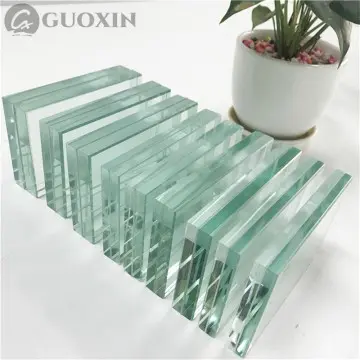
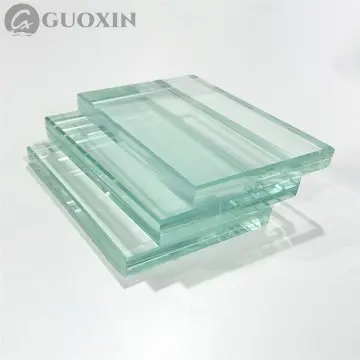
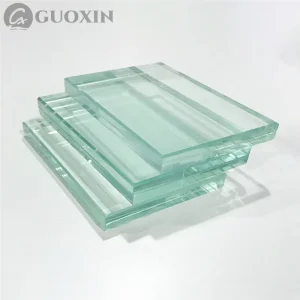
- Wind Load Resistance: In coastal regions prone to typhoons and hurricanes, profiles must resist dynamic pressure. We utilize tempered, heat-strengthened laminated glass configurations featuring high-tear-strength PVB or structural SentryGlas Plus (SGP) interlayers.
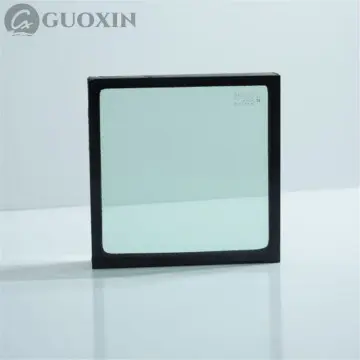
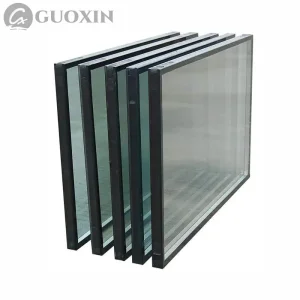
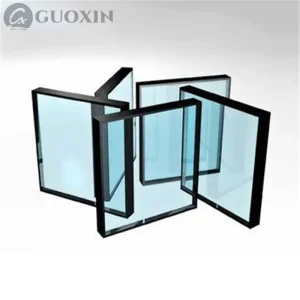
- Passive House Standards: Achieving certified performance requires total window U-values below 0.8 W/(m²K). This target is met by combining multi-cavity thermally broken frames with triple-pane double-Low-E argon-filled IGUs featuring warm-edge warm spacers.
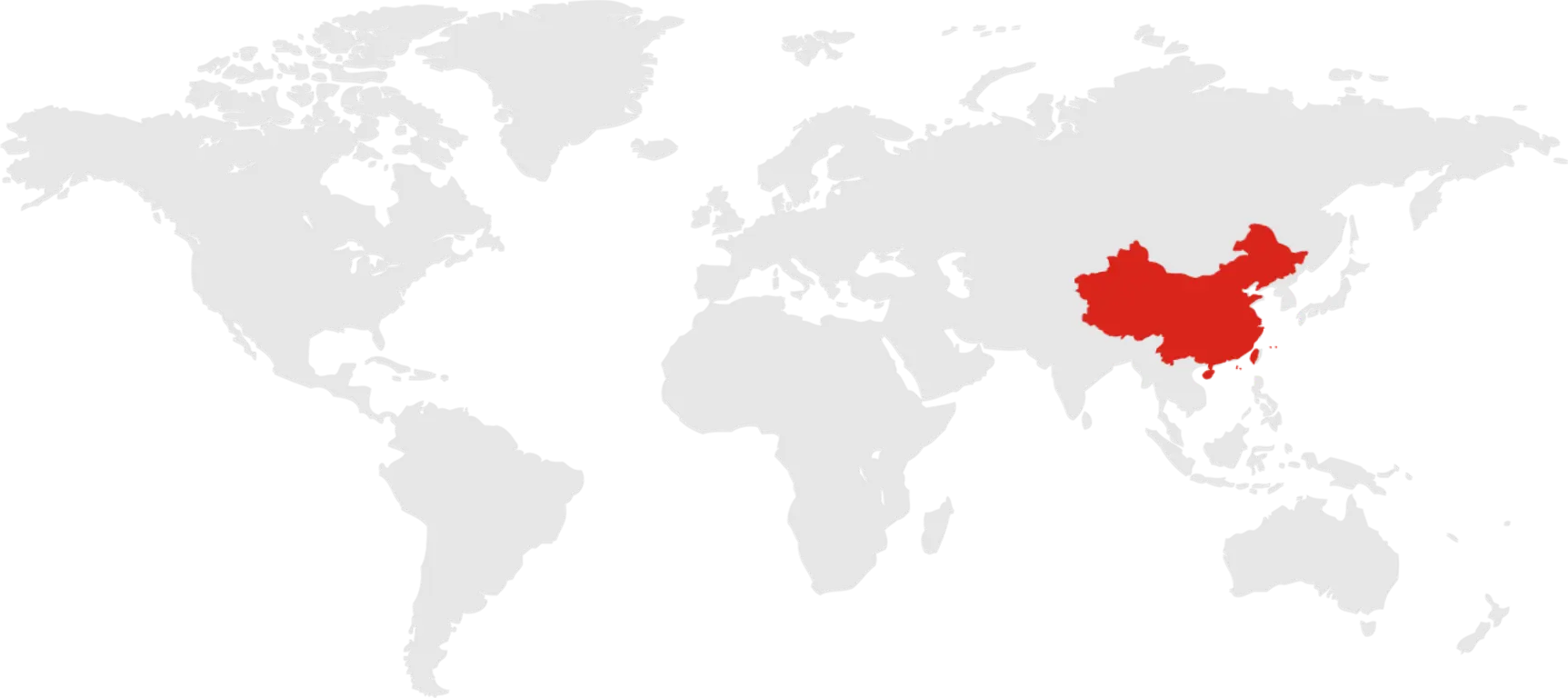
Section 3: China Industry 4.0: Supply Chain Resilience & Manufacturing Precision
At Jiangsu Guoxin Glass, we operate automated manufacturing facilities that synchronize raw aluminium extrusion with glass processing. This vertically integrated manufacturing model reduces processing lag, eliminates transit damage between processing facilities, and maintains strict quality control.
Our manufacturing centers feature high-precision multi-axis CNC machines that perform drilling, milling, and cutting operations with sub-millimeter tolerances. In the glass division, tempering furnaces equipped with advanced convection systems handle high-performance low-emissivity (Low-E) coatings without surface haze or distortion. In-line scanning systems verify optical quality and tempering stresses, ensuring compliance with global safety standards.
Section 4: Global Sourcing, Logistics Security, and Quality Audits
Managing international supply lines requires strict documentation and secure packaging protocols. Our export division oversees transit risks from our factory floor to final project delivery. Products undergo strict quality control testing (QCT) protocols:
Deflection & Structural Testing
Verifies displacement limits of mullions and transoms under positive and negative load patterns to meet regional building codes.
Water & Air Infiltration
Testing chamber checks frame seals and perimeter gaskets under dynamic air pressure to prevent leaks.
Seaworthy Packing Systems
Custom heavy-duty A-frame steel crates with desiccants and moisture-barrier vacuum seals protect surfaces from salt spray damage during ocean freight.
Section 5: Local Compliance, Certifications, and Engineering Integration
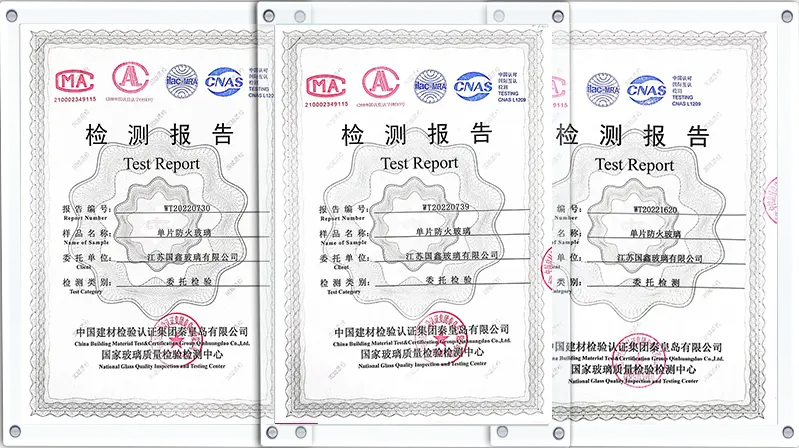
We maintain compliance with major global construction and window safety standards. Our manufacturing lines run in accordance with ISO 9001:2015 quality guidelines. Individual products carry international certifications:
- North America: SGCC (Safety Glazing Certification Council) certification for laminated and tempered glass products; thermal properties verified in accordance with NFRC testing.
- Europe: CE mark conformity, meeting EN 12150 (safety glass) and EN 14351-1 (windows and doors performance standards).
- Oceania: AS/NZS 2208 certification for safety glazing materials in buildings and compliance with AS 2047 fenestration guidelines.