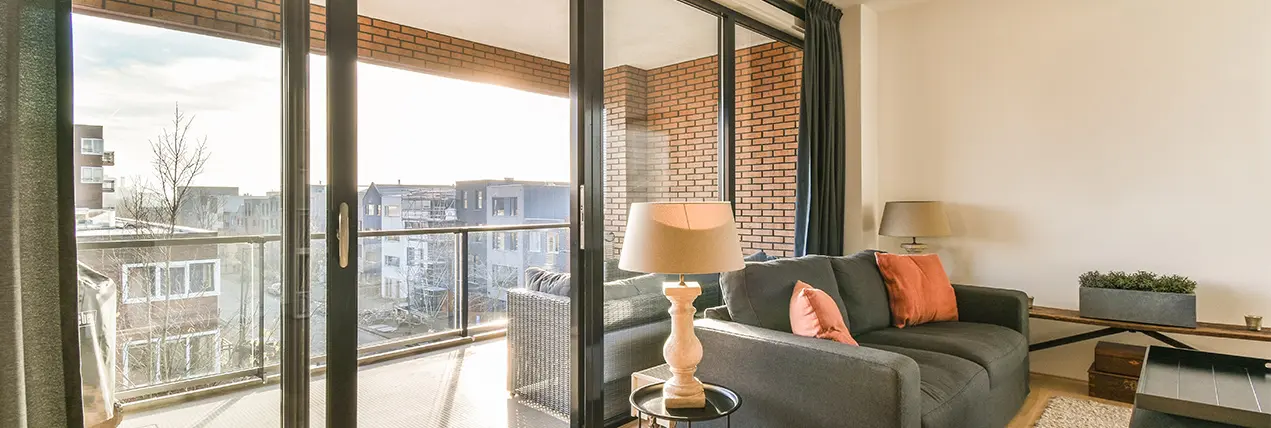
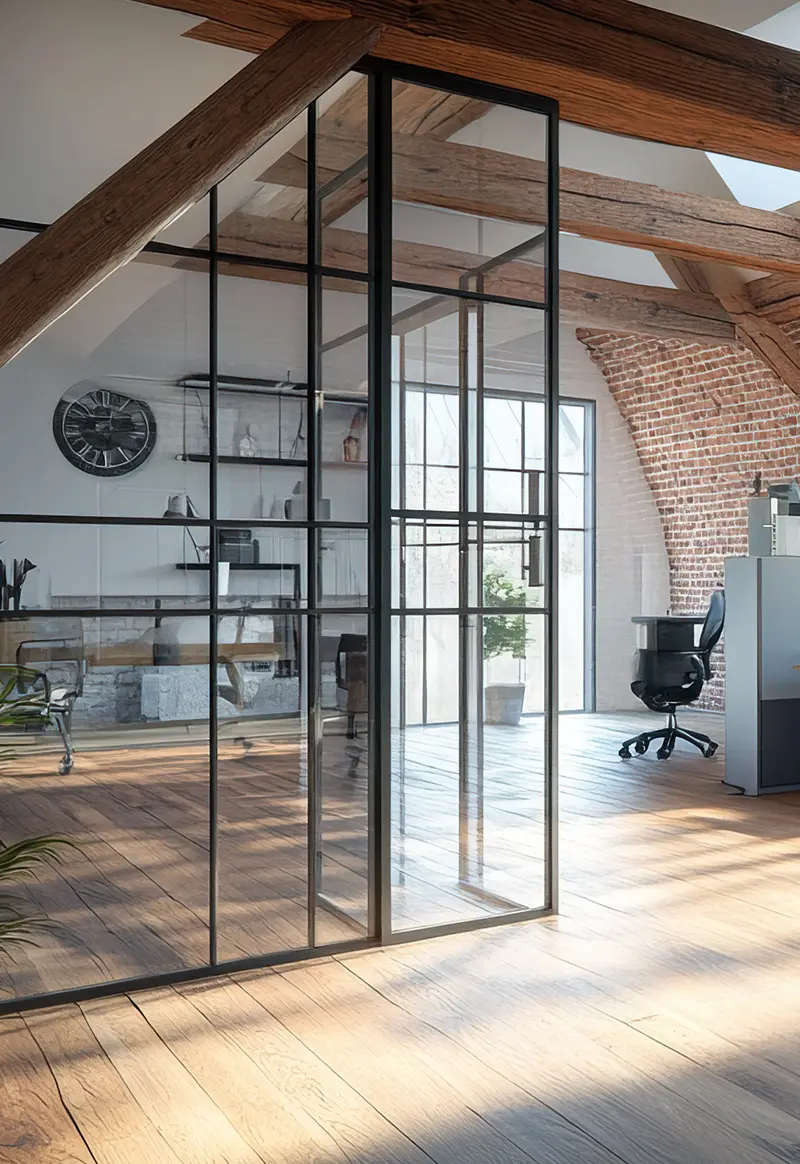
Explore our premium factory-direct architectural glass products, engineered to meet rigorous international standards for thermal efficiency, safety, and acoustic attenuation.
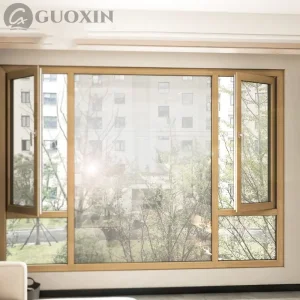
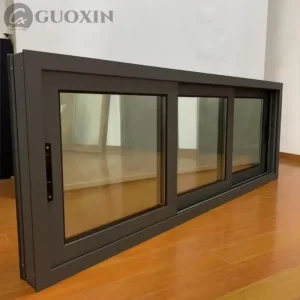
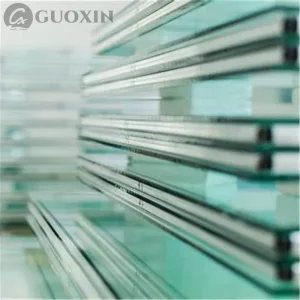
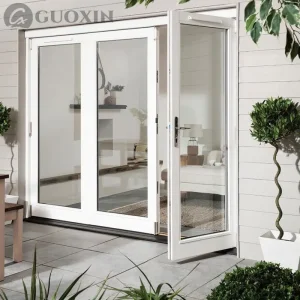
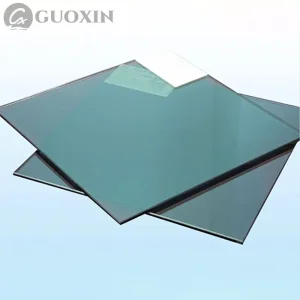
Founded in 2006, Jiangsu Guoxin Glass Co., Ltd. has established itself as an authoritative leader in the architectural glass manufacturing industry. Over a stable and successful track record spanning two decades, we have dedicated ourselves to the research and development, high-precision manufacturing, and global marketing of advanced aluminium windows, fireproof glass, laminated safety glass, and custom insulated double glazing units.
Our company leverages cutting-edge CNC processing centers, automated tempering lines, and state-of-the-art dual-seal insulating glass assembly systems. By combining deep engineering expertise with responsive customer service, we design and manufacture high-efficiency glazed solutions that conform to stringent international building codes, serving structural engineers, facade contractors, and project developers globally.
Our state-of-the-art production facility houses multiple advanced production lines, each equipped with cutting-edge technology to manufacture diverse high-performance glass classifications.
 Aluminium Window & Door
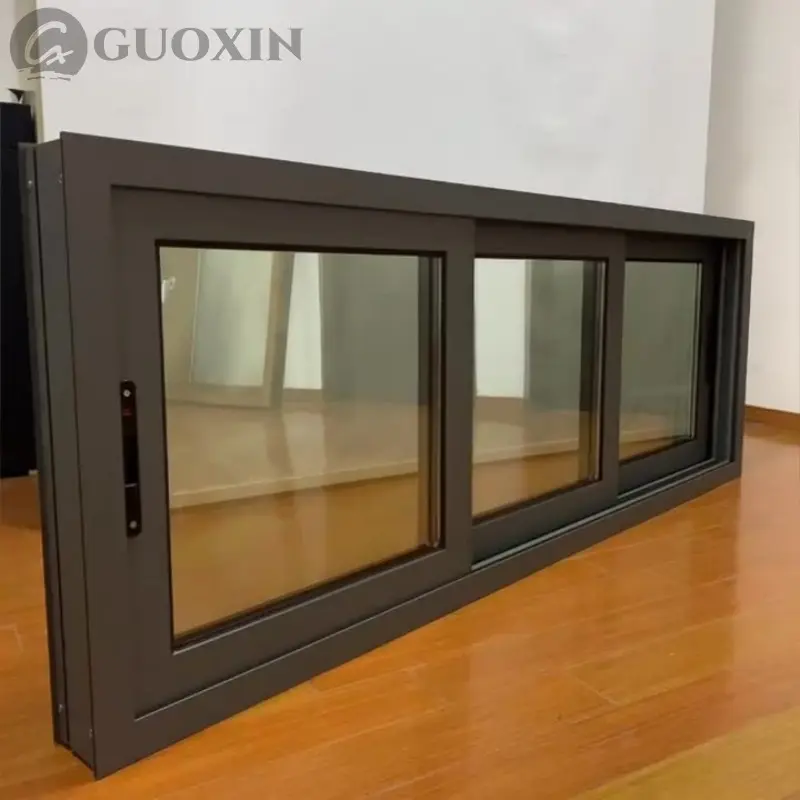
Thermal-break aluminium frames designed for structural integrity, offering seamless integration with double and triple glazing options to optimize energy values and aesthetics.
High-strength, heat-resistant safety barrier glass designed to withstand integrity and thermal insulation parameters under standard fire testing curves.
Tough PVB or SGP interlayer sheets bonded between layers of glass, offering superior structural safety, impact resistance, and sound dampening.
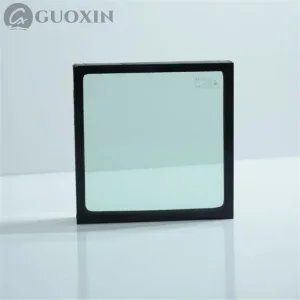
Dual-sealed double or triple glazing window assemblies filled with noble gases (Argon) to dramatically lower heat transfer coefficient (U-value).
Multi-layered polycarbonate and high-performance laminated sheets engineered to resist ballistic impact and high-energy intrusion attempts.
A comprehensive study on heat transfer mechanisms, regulatory updates, and structural engineering in custom insulated architectural glass envelopes.
Double glazing, fundamentally defined as an Insulating Glass Unit (IGU), utilizes two panes of glass separated by a hermetically sealed gas space. The core objective is simple: reduce thermal conductivity (conduction, convection, and radiation) between internal and external building environments. The choice of spacer bar technology dictates the physical boundary performance of this assembly. Modern warm-edge spacers manufactured from structural thermoplastic composites replace traditional aluminum spacers to effectively eliminate thermal bridging at the glass perimeter.
U-Value (W/m²K) Metric: Standard single-pane glass exhibits a high U-value of approximately 5.8 W/m²K. Incorporating a 12mm Argon-filled space with a single low-emissivity (Low-E) coating reduces the U-value down to 1.6 W/m²K, which translates to a reduction of over 70% in thermal energy loss.
Radiation control is managed through magnetron sputtered vacuum deposition (MSVD) coatings, commonly known as Low-E coatings. These micro-thin metallic layers reflect long-wave infrared energy back to its source, trapping ambient heat during winter while reflecting solar heat radiation during peak summer months. Maximizing the Solar Heat Gain Coefficient (SHGC) alongside optimal Visible Light Transmission (VLT) is a crucial step in engineering the performance balance of modern commercial envelopes.
Global architectural standards are pivoting aggressively toward carbon neutrality, driving the demand for high-performance double and triple glazing systems. Structures like the Nanjing Zifeng Tower (450 meters tall) and the Teapot Tower showcase how high-rise commercial structures depend on insulated solar control glass to minimize HVAC heating and cooling loads. By utilizing advanced predictive solar control algorithms and intelligent glass compositions, modern structures achieve substantial energy reductions.
From a macro-perspective, structural double glazing serves as the primary system to meet LEED, BREEAM, and DGNB building certifications. High-performance facades optimize energy budgets and actively reduce carbon footprints. Advanced glazing works in tandem with building envelope designs, creating active, self-regulating boundaries that reduce dependencies on artificial heating, cooling, and mechanical ventilation.
Sourcing commercial double glazing requires navigating complex logistics, strict lead times, and structural safety variables. As a primary source manufacturer, Jiangsu Guoxin Glass Co., Ltd. resolves supply-chain bottlenecks by maintaining centralized production pipelines. This vertical integration allows for complete control over tempering, laminating, and IGU assembly lines, eliminating the markups and delays associated with multi-tiered outsourcing.
| Performance Factor | Standard Single Glazing | Argon-Filled IGU (6+12A+6) | Triple Glazing with Low-E (6+9A+6+9A+6) | |
|---|---|---|---|---|
| U-Value (W/m²K) | ~5.8 | ~1.6 - 1.8 | ~0.8 - 1.1 | Allows lower thermal transmittance |
| Sound Attenuation (dB) | ~25-28 dB | ~35-38 dB | ~40-44 dB | Mitigates high-frequency noise pollution |
| SHGC Range | 0.82 | 0.40 - 0.65 | 0.30 - 0.50 | Customizable through Low-E coatings |
To assure procurement officers, global logistics must be accompanied by robust packaging methods. We employ heavy-duty sea-worthy plywood crates lined with foam protection and desiccant bags to prevent moisture infiltration and physical cracking during transit. Sourcing direct from certified manufacturers ensures high product quality and reliable timelines for major real estate development developments.
Compliance with structural safety and thermal integrity standards is mandatory. Products from Jiangsu Guoxin Glass are engineered and tested to satisfy international regulations:
Architectural glass must be customized to meet localized climatic conditions. One-size-fits-all glazing systems often lead to premature unit failures, high energy consumption, or safety hazards:
Coastal Marine Zones: Glass installations require structural wind-load designs and corrosion-resistant profiles. High-strength tempered double glazing combined with SGP (SentryGlas Plus) structural interlayers prevents structural failure during typhoons, while resisting saltwater corrosion of the frames.
Cold Northern Climates: Focus shifts to maximizing passive solar gain and preventing thermal loss. IGUs are configured with high-performance double-silver Low-E coatings on surface #3, coupled with warm-edge spacers and 90%+ Argon gas fill, maintaining warmth and comfort inside the building envelope.
High-Acoustic Urban Zones: Commercial offices and residential high-rises adjacent to airports, highways, or metro tracks utilize asymmetric glass thicknesses (e.g., 8mm outer pane + 12mm spacer + 6mm inner pane) paired with acoustic PVB interlayers. This configuration breaks down sound wave frequencies and reduces external decibels by up to 45dB.
As smart building integration progresses, the technology roadmap for double glazing involves dynamic, active features. The integration of Electrochromic (smart tinting) glass allows automated control over solar transmission based on real-time solar intensity. Vacuum Insulated Glazing (VIG) technology, utilizing a micro-space vacuum instead of gas, achieves triple-glazing thermal performance within the thickness profile of a single pane. Furthermore, Building Integrated Photovoltaics (BIPV) will transform glass facades from passive structural shields into active, clean-energy generators.
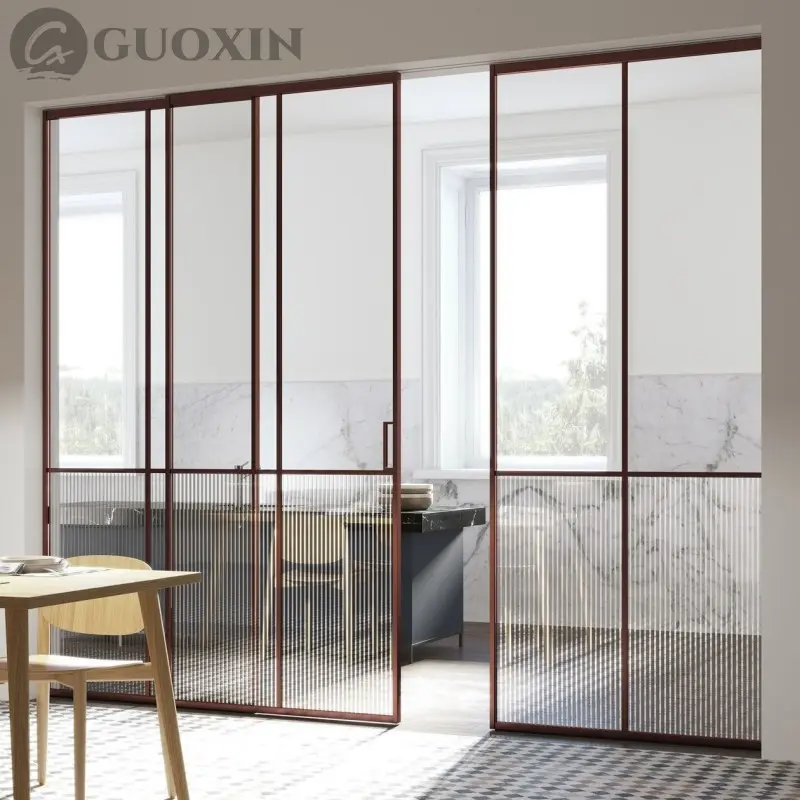
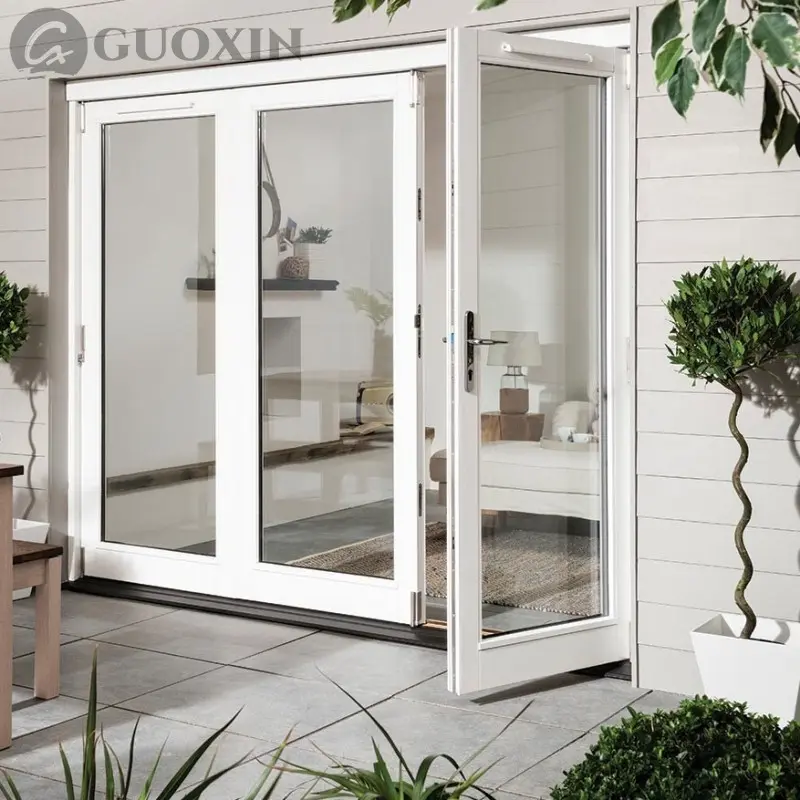
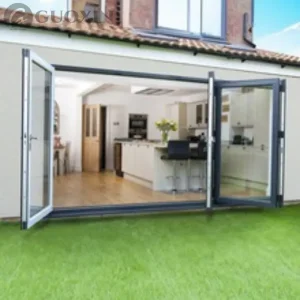
Discover our engineered sliding, casement, folding, and hinged products constructed with thermal-break aluminium profiles and high-performance double glazing.
Innovative sub-surface laser engraving within structural and decorative safety glass for architectural accents, brand signaling, and high-end interiors.
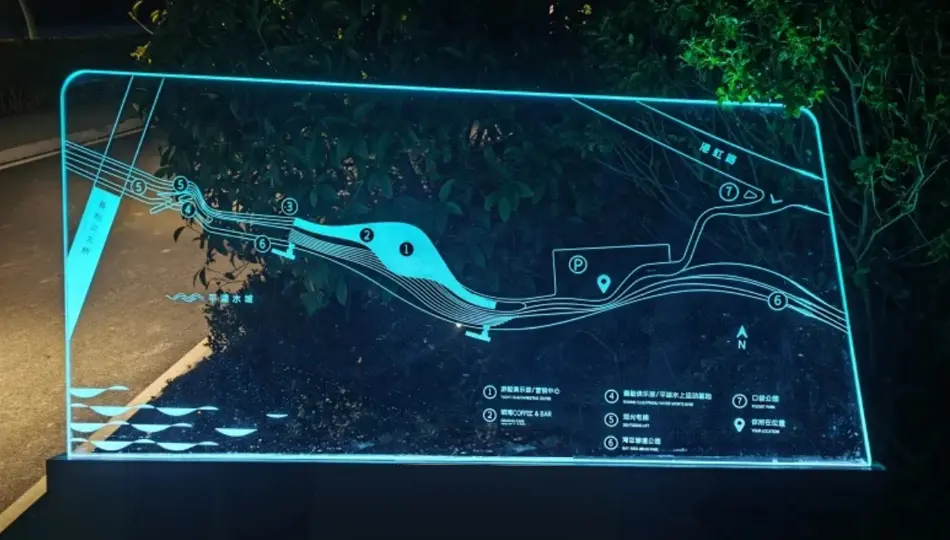
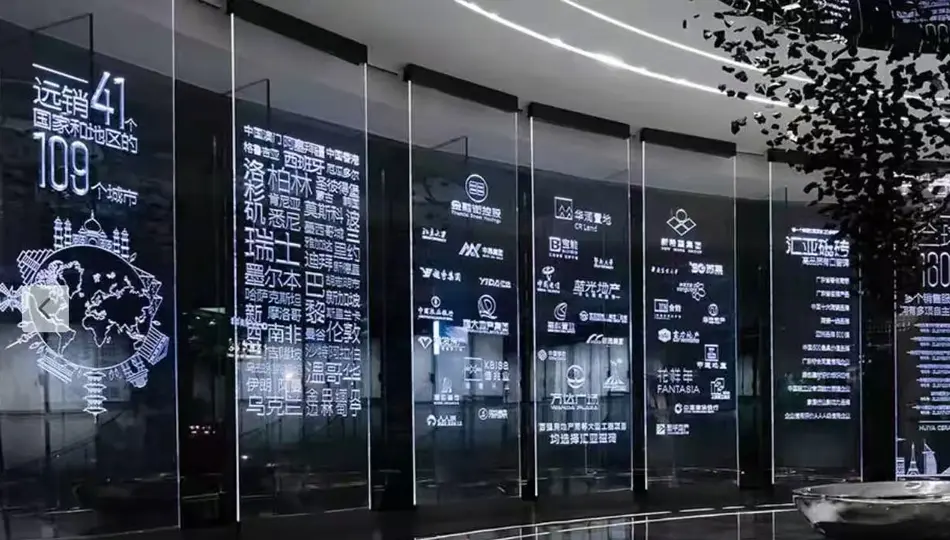
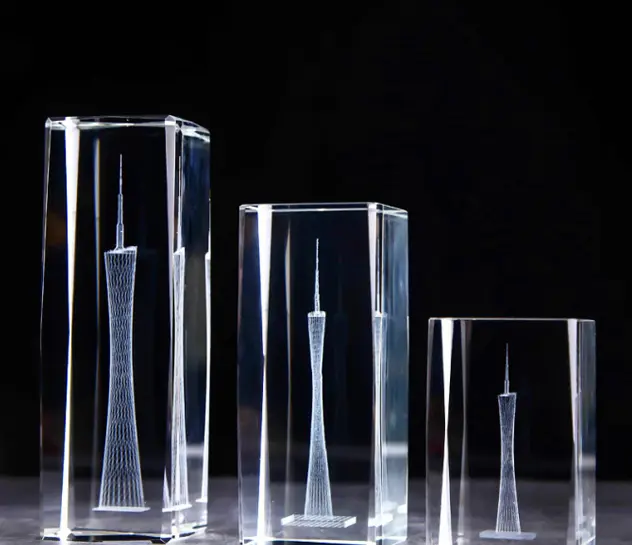
Jiangsu Guoxin Glass Co., Ltd. operates with a core philosophy of "Quality First, Customer First, and Credit-Based". We provide architects, builders, and developers with custom glass processing solutions tailored to exact dimensional, mechanical, and architectural parameters.
Our engineering support ranges from early-stage drawings and building envelope calculations to sample fabrication and laboratory testing. We ensure smooth delivery of heavy bulk container glass shipments to major construction projects worldwide.
Contact Our Engineering TeamDiscover our range of custom engineered glass installations deployed on landmarks, railway stations, and high-rise facades across the globe.
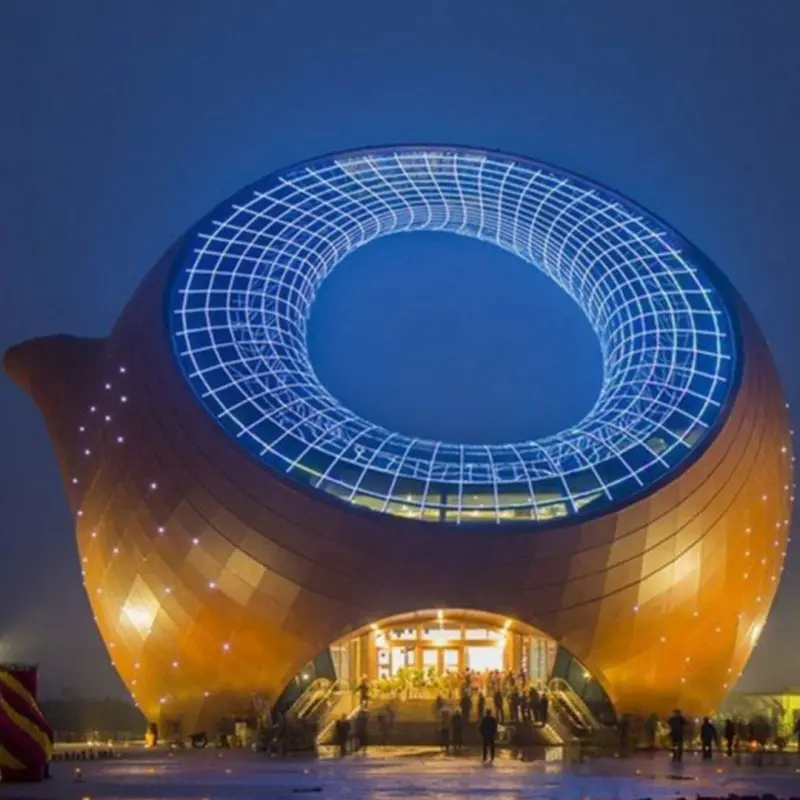
Recognized as the "World's largest purple clay pot shaped building". Standing 38.8 meters high, the outer envelope is formed from custom-engineered aluminum frames and multi-curvature custom art glass panels.
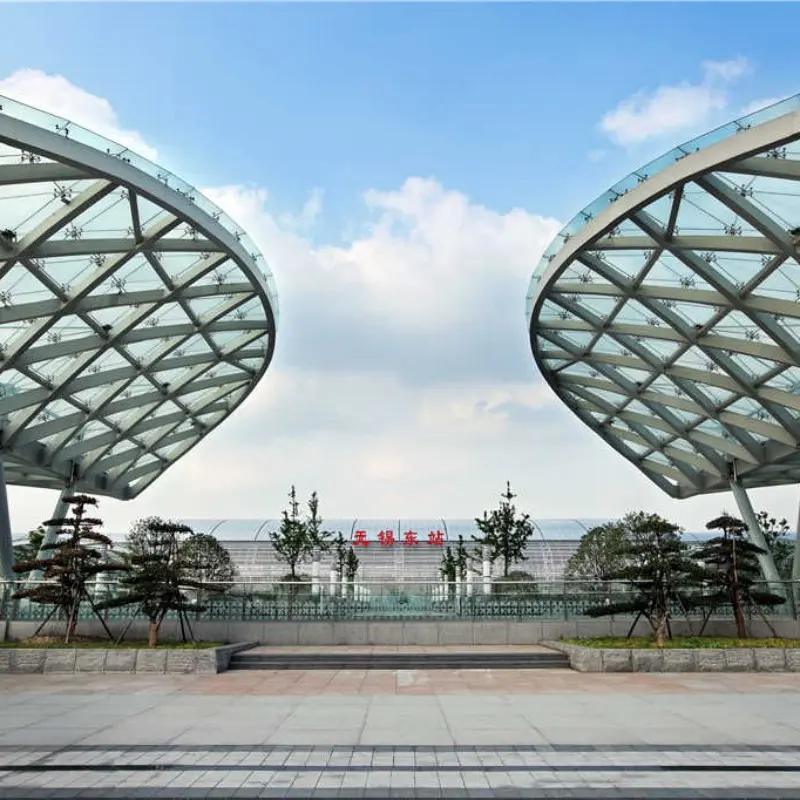
Our structural laminated glass panels are deployed across the massive dual-sided waiting halls of Wuxi Station, supporting a daily waiting passenger capacity exceeding 120,000.

At 450 meters, Zifeng Tower is a landmark high-rise structure. Its thermal and wind-load performance is reinforced with our custom double-glazed insulated units.
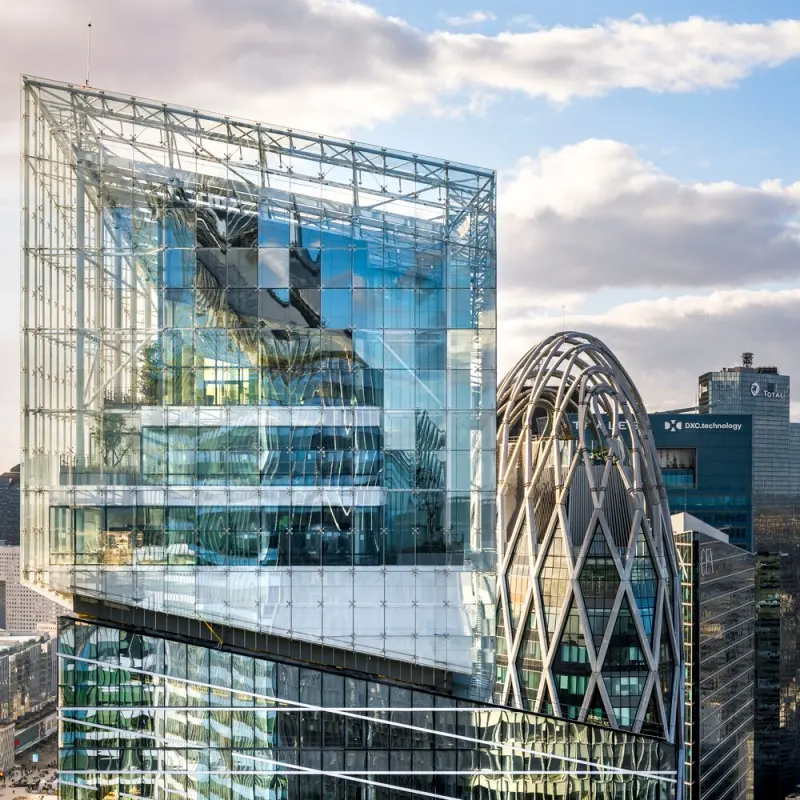
Deploying advanced predictive daylight algorithms to control glare and thermal radiation, eliminating mechanical shading devices through high-performance double-glazed facades.
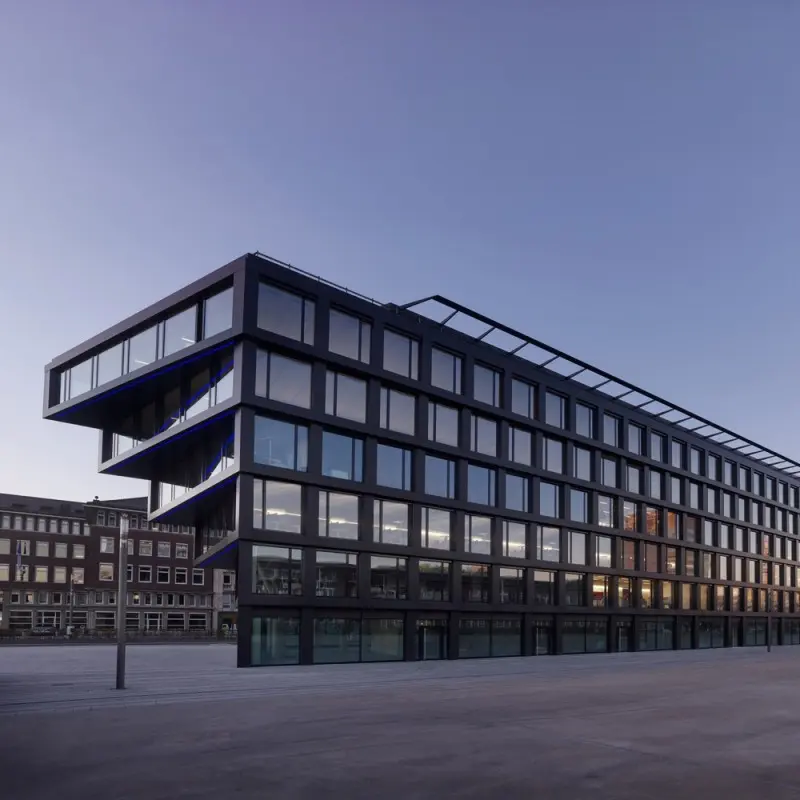
Equipped with triple-insulated solar control glass systems, achieving a high heat recovery rate and optimizing acoustics under severe environmental conditions.
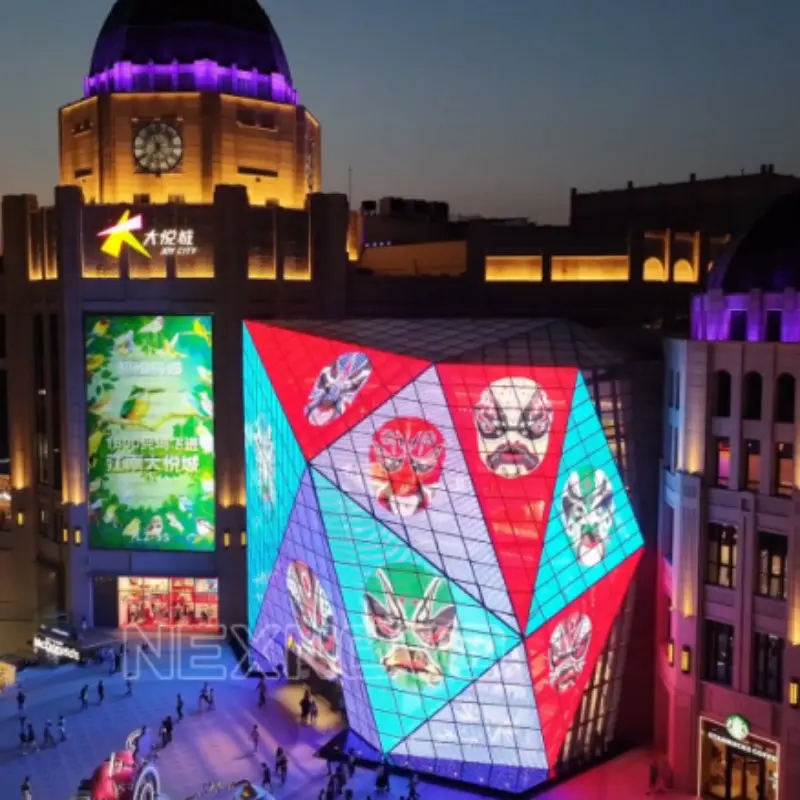
A major commercial landmark integration using smart reflective glass systems to control heat gain and enhance architectural aesthetics.
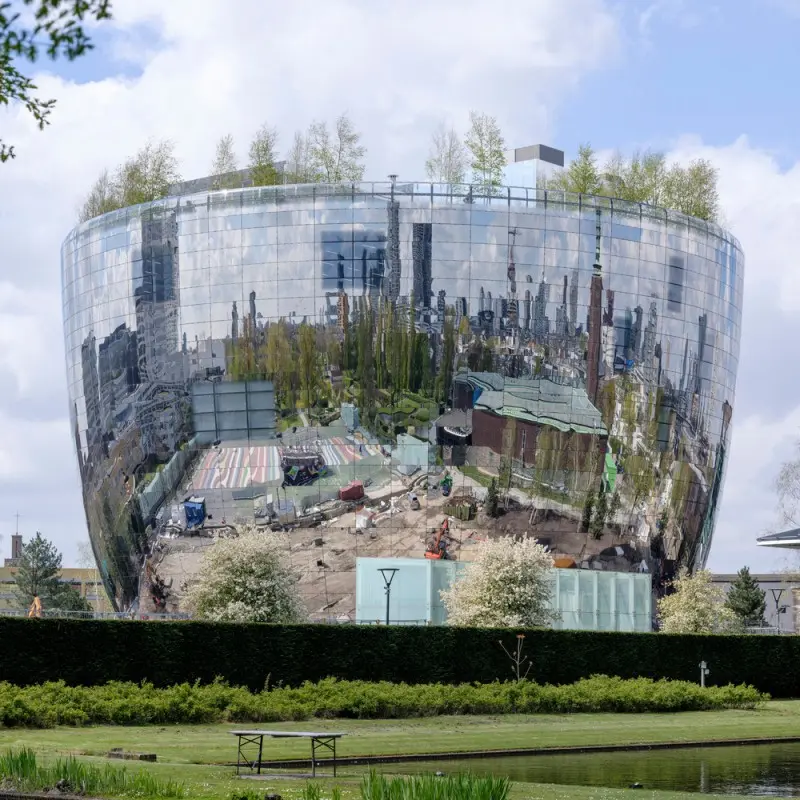
Our custom-engineered mirror reflective glass panels seamlessly integrate the 15,000 square meter structure into its surrounding park and historic context.
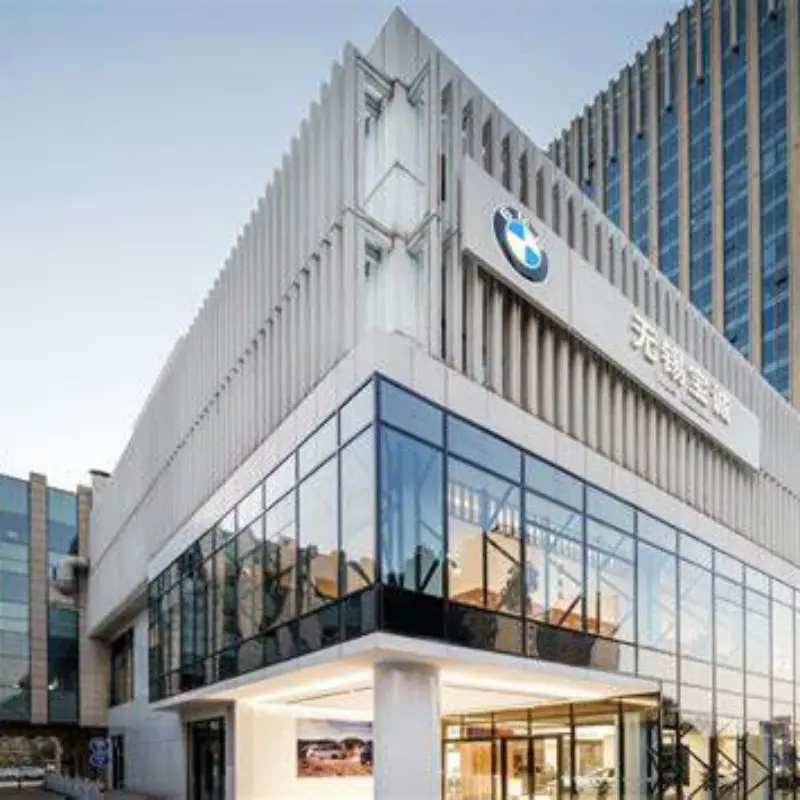
Using large-format structural float panels, this showroom achieves optimal visible light transmission, solar control, and structural stability.
Our quality verification processes and structural standards comply with regional building departments across key global markets.
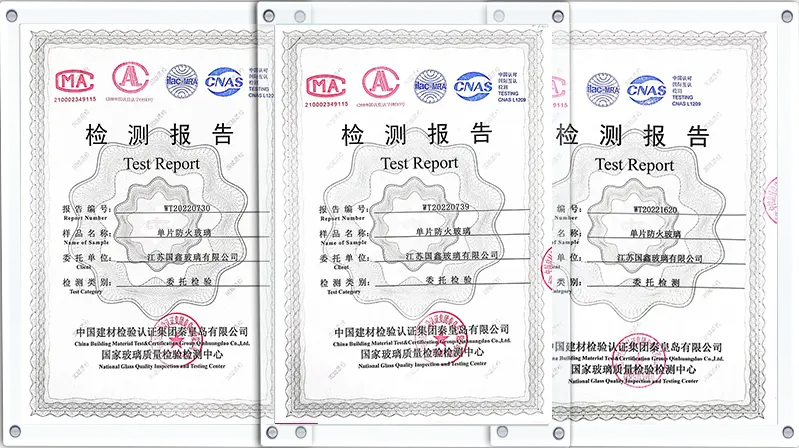
Our raw material tracing, processing tolerances, thermal performance verification, and sealing processes are certified to meet international standards.
Verify Credentials
Guarantees that all tempered safety panels, laminated interlayers, and insulated double glazing units meet safety criteria for mechanical impact and fragmentation.
Download CertificatesWe work in coordination with developers, commercial contractors, and fabricators across key global markets.
Examine how our structural safety glazing, acoustic barrier double glass, and custom window profiles solve design challenges.
Access our technical articles written by our engineering team to help you make informed specification choices.
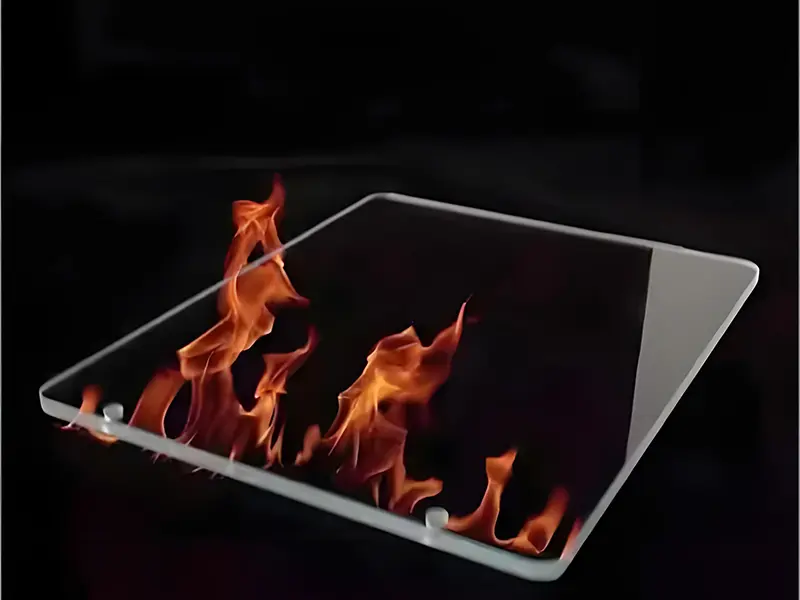
To help you pick compliant, cost-effective and safe glass for your projects, we’ll break down the differences between fireproof glass, fireproof materials glass, fireproof coating glass and...
Learn More →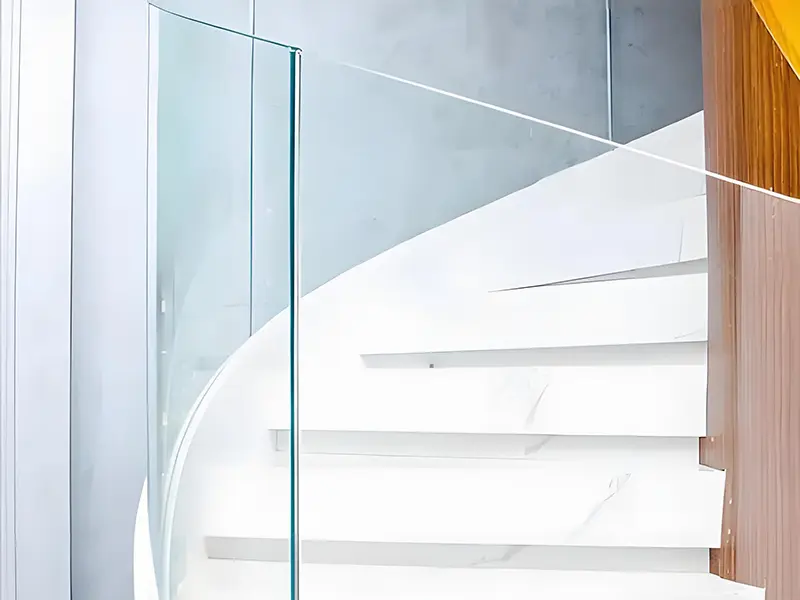
I receive many customer inquiries every day - which type of construction glass is both practical and safe? In fact, glass has long been indispensable in modern buildings.
Learn More →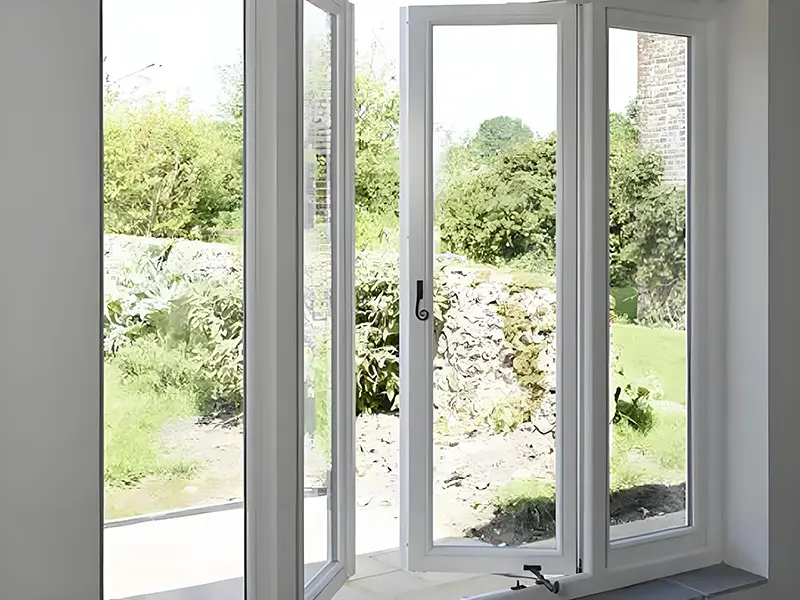
Most homeowners struggle with a common question when purchasing casement windows: should they choose broken bridge aluminum or plastic steel materials?
Learn More →Find authoritative answers regarding the thermal physics, safety certifications, and customization parameters of our architectural double glazing units.
The lifetime of a double glazing unit depends primarily on its edge sealing system. A high-performance seal uses a dual-seal layout consisting of a primary Polyisobutylene (PIB) seal to block moisture migration, and a secondary silicone or polyurethane structural seal to ensure mechanical stability. Jiangsu Guoxin Glass uses automated butyl extruders and dual-seal lines to prevent gas loss, ensuring the unit holds its Argon gas concentration for decades.
Low-E (low-emissivity) coatings consist of microscopically thin silver layers deposited within a vacuum chamber (sputtered coat). This layer acts as a selective filter: it allows visible light to pass while reflecting infrared heat energy. By keeping indoor heating from radiating outward during winter and blocking external solar heat during summer, it reduces the workload on HVAC systems, lowering commercial building energy costs.
Thermal-break aluminium frames utilize a polyamide insulating strip placed between the interior and exterior aluminum sections. This strip acts as a barrier, preventing heat transfer through the metal. While plastic steel is affordable, thermal break aluminium offers much higher structural strength, resists wind loads in high-rise applications, and prevents warping under intense UV exposure.
Standard toughened glass breaks when exposed to extreme thermal gradients. High-strength fireproof glass is formulated or treated to withstand the heat of a fire for specified periods (e.g., 30, 60, or 120 minutes). It acts as a safety barrier to prevent the spread of flames, smoke, and hot gases, keeping escape routes clear during emergencies.
Condensation occurs inside a unit if its hermetic seal fails. To prevent this, our manufacturing process uses a warm-edge spacer filled with specialized molecular sieve desiccants. The desiccant absorbs any trace moisture inside the cavity, keeping the dew point of the internal air space below -40°C.
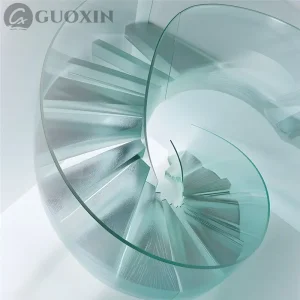
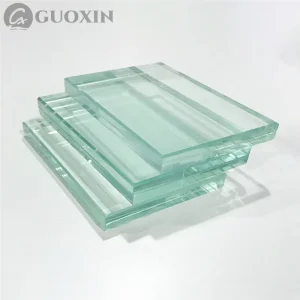
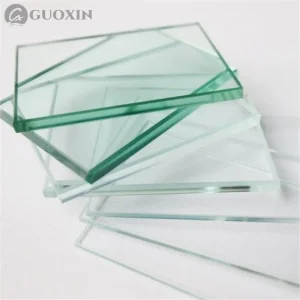
Browse our additional range of tempered, laminated, and curved architectural glass configurations engineered for commercial facades.
 Guoxin