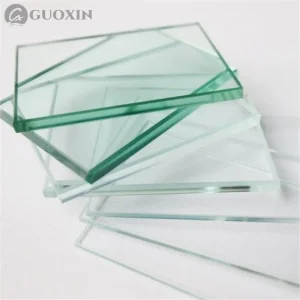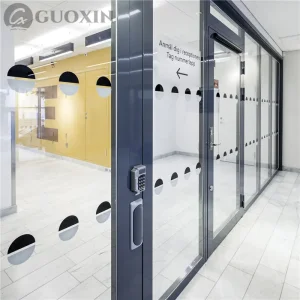
Cheap Laminated Glass And Tempered Glass Manufacturer & Factory

Your Premier Global Partner for High-Performance Structural Safety Glass, Dynamic Architectural Solutions, and Custom-Tailored Processing Solutions

Strategic Architectural Glass Portfolio - Batch I

Premium architectural and safety solutions optimized for durability, thermal performance, and dynamic aesthetic value.

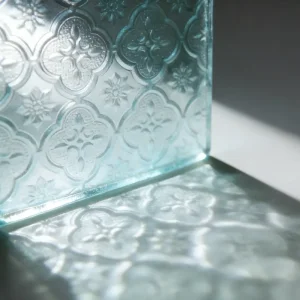
Decorative Patterned Glass

Wholesale Decorative Patterned Glass Supplier in China - Quality Factory Manufacturing

Explore Product Solutions
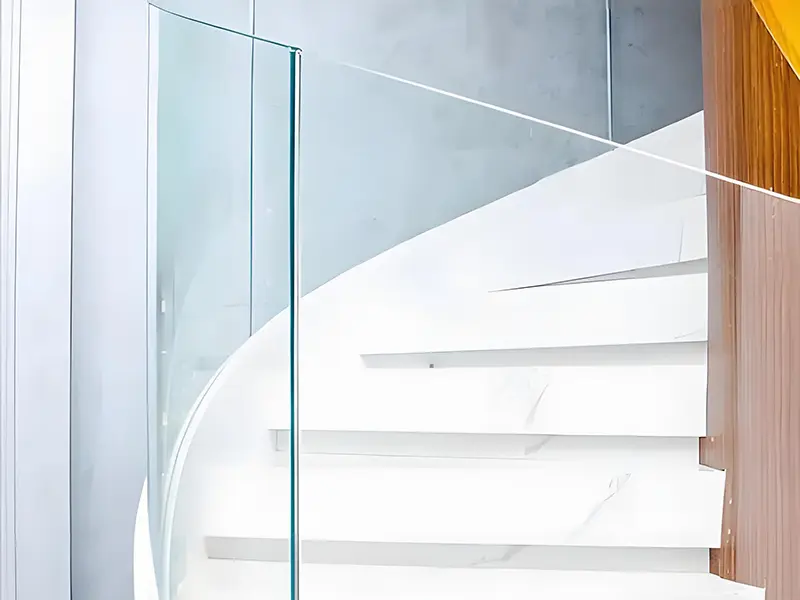
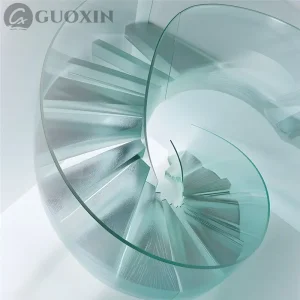
Curved Tempered Glass

Cheap Curved Tempered Glass Manufacturers, Factory

Explore Product Solutions
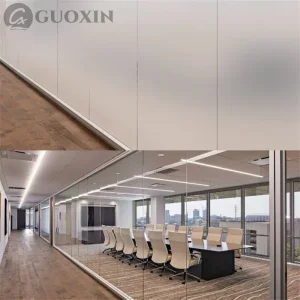
Smart Glass

High-Quality Smart Glass Manufacturer, Factory

Explore Product Solutions
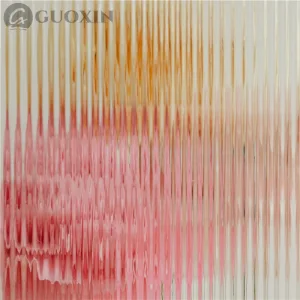
Fluted Glass

Custom China Fluted Glass Suppliers - Premium Textured Glass for Windows & Doors

Explore Product Solutions
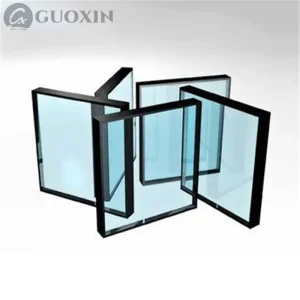
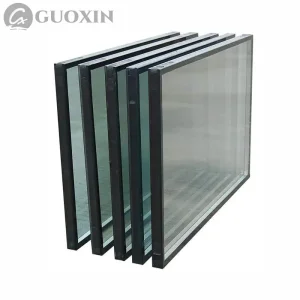
Insulated Glass

Discount China Insulated Glass: Top Suppliers & Factory for Thermal Insulation

Explore Product Solutions
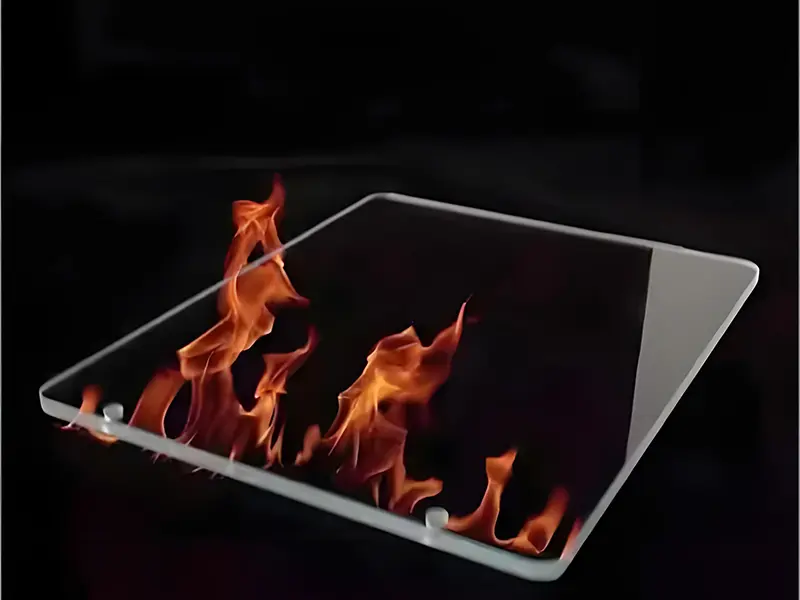
Fire Resistance Glass

Cheap China Fire Resistance Glass Suppliers - High Strength Fire Rated Glass

Explore Product Solutions
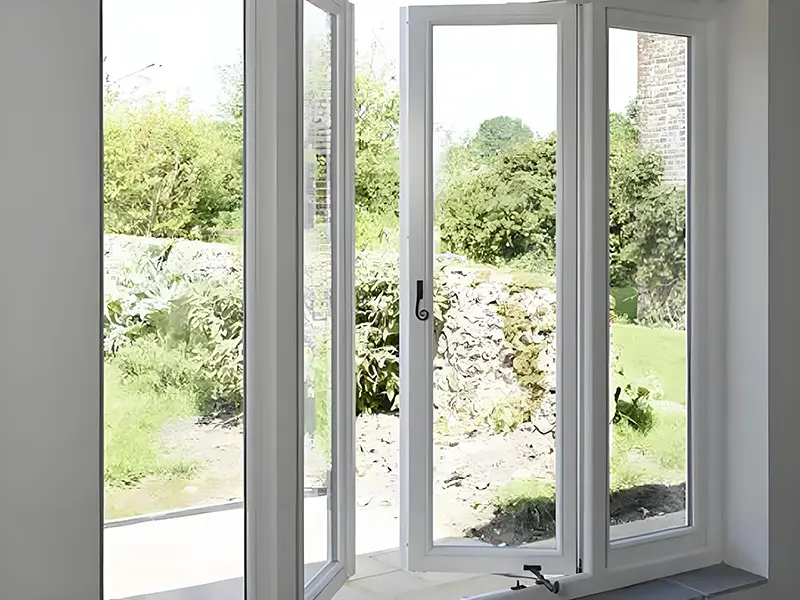
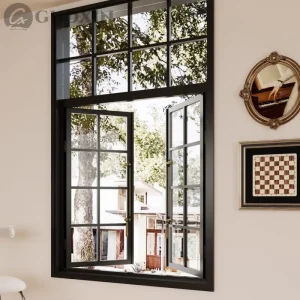
Aluminium Casement Window

Discount Aluminium Casement Window Manufacturers, Suppliers

Explore Product Solutions
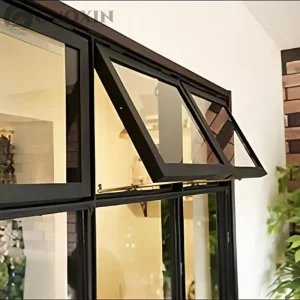
Awning Windows

Cheap China Awning Windows - Durable and Stylish Ventilation Solutions

Explore Product Solutions

About Jiangsu Guoxin Glass Co., Ltd.

Founded in 2006, Jiangsu Guoxin Glass Co., Ltd. has established itself as a leading enterprise in the deep-processed glass industry. With a stable and successful track record spanning over two decades, our factory is engineered to supply high-end, cost-effective safety glass solutions for international projects. We specialize in researching, developing, manufacturing, and marketing high-durability Laminated Glass, structurally robust Tempered Glass, fire-resistant variants, low-emissivity insulated units, and custom high-strength aluminum window and door systems.

2006
20+
10+

Watch our state-of-the-art production lines, featuring automated float cutting, precision CNC edge processing, and high-convection tempering furnaces.

Industrial Whitepaper: The Evolution of Laminated & Tempered Safety Glass

An Engineering & Procurement Guide for Modern Architectural Specifications

1. Technical Processing & Architectural Safety Mechanisms

In structural engineering, glass must do more than allow natural light transmission; it must perform as a key component of the structural envelope under severe physical stressors. Tempered glass and laminated glass represent the two primary pillars of structural safety glazing, each engineered through distinct physical and chemical processes.

Tempered Glass (Toughened Glass) is manufactured by heating high-quality float glass to its softening point (approximately 620°C to 650°C) inside a high-convection furnace and then rapidly quenching it with high-pressure air streams. This rapid cooling process freezes the outer surfaces of the glass in a state of high compressive stress, while the interior core remains in tensile stress. This stress distribution increases the mechanical strength of tempered glass by four to five times compared to standard annealed glass of equivalent thickness. Upon structural failure, the stored energy is released, causing the glass to shatter into small, relatively harmless, blunt fragments rather than sharp shards. This behavior significantly reduces the risk of laceration injuries, classifying tempered glass as safety glazing under ANSI Z97.1 and EN 12150 protocols.

Laminated Safety Glass consists of two or more layers of glass permanently bonded together under heat and pressure using one or more polymer interlayers, typically Polyvinyl Butyral (PVB) or SentryGlas Plus (SGP). During the autoclaving process, the air is evacuated, and the composite is heated to form a perfectly transparent, unified structure. If laminated glass sustains an impact, the glass layers crack but remain adhered to the resilient interlayer, preventing structural collapse. The interlayer retains the fragments, maintaining the integrity of the building envelope, preventing falls, and offering security against unauthorized entry.

Tempered Glass Key Features

  • Flexural Strength: Resists up to 120-200 N/mm² of bending stress.
  • Thermal Tolerance: Withstands temperature differentials up to 250°C.
  • Fracture Safety: Breaks into small, blunt particles preventing serious injury.
  • Usage: Ideal for interior partitions, frameless doors, shower enclosures, and windows.

Laminated Glass Key Features

  • Structural Integrity: Remains in place post-fracture due to PVB/SGP interlayers.
  • Acoustic Performance: Viscoelastic interlayers reduce sound transmission (STC ratings up to 45dB).
  • UV Degradation Resistance: Filters out over 99% of harmful ultraviolet radiation.
  • Security: Resists forced entry, ballistic penetration, and windborne debris.

2. Global Sourcing Demands & Procurement Considerations

For international glazing contractors, real estate developers, and industrial procurement managers, sourcing safety glass directly from Chinese manufacturers like Jiangsu Guoxin Glass Co., Ltd. requires evaluating three key operational factors: total cost of ownership (TCO), regulatory compliance, and supply chain resilience.

Sourcing safety glass involves optimizing shipping volume and protective packing configurations to minimize logistics costs. Safety glass is heavy and fragile; hence, custom-engineered A-frame timber crates with anti-fungal treatment and moisture-absorbent desiccant packs are essential for long sea transits. Additionally, verifying certifications like SGCC (North America), CE EN 12150/14449 (Europe), and AS/NZS 2208 (Oceania) is critical. Guoxin Glass provides fully documented quality assurance records for each batch, ensuring seamless import customs clearance and code compliance on-site.

3. Localization, Compliance, & Quality Control Protocols

To maintain high reliability, Guoxin Glass implements a multi-phase quality control framework aligned with ISO 9001:2015. Raw float glass is sourced from Tier-1 suppliers (such as Jinjing, XYG, and CSG) to ensure low nickel sulfide (NiS) inclusion rates. This step reduces the risk of spontaneous tempered glass breakage. In our laminating cleanrooms, temperature and humidity are continuously monitored to prevent contamination and delamination.

Each production run undergoes rigorous tests, including surface compressive stress measurement, fragmentation counts, impact testing, and boil testing for laminated panels to ensure interlayers do not separate under thermal stress.
Global Project Case Studies & Engineering Applications

Discover how Jiangsu Guoxin Glass Co., Ltd. supplies high-performance glazing solutions for iconic architectural landmarks.

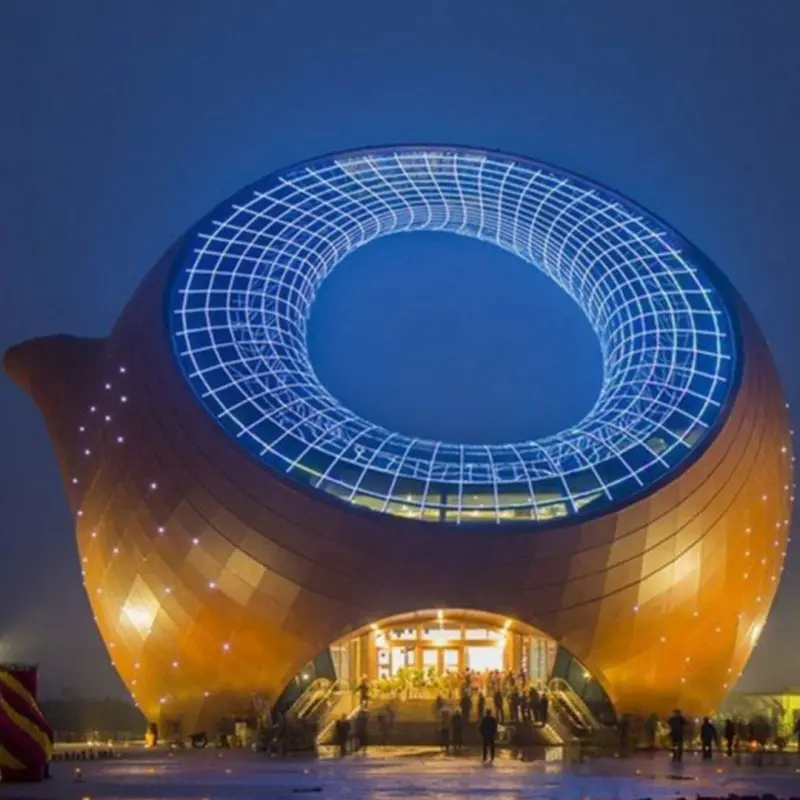
Teapot Tower

Teapot Tower

As the world's "largest purple clay pot shaped building", it was awarded the "World's largest Guinness" certificate on the 16th. The building is 38.8 meters high and mainly made of aluminum and glass, each of which has different shapes and sizes, and the dome is made of artistic stained glass.

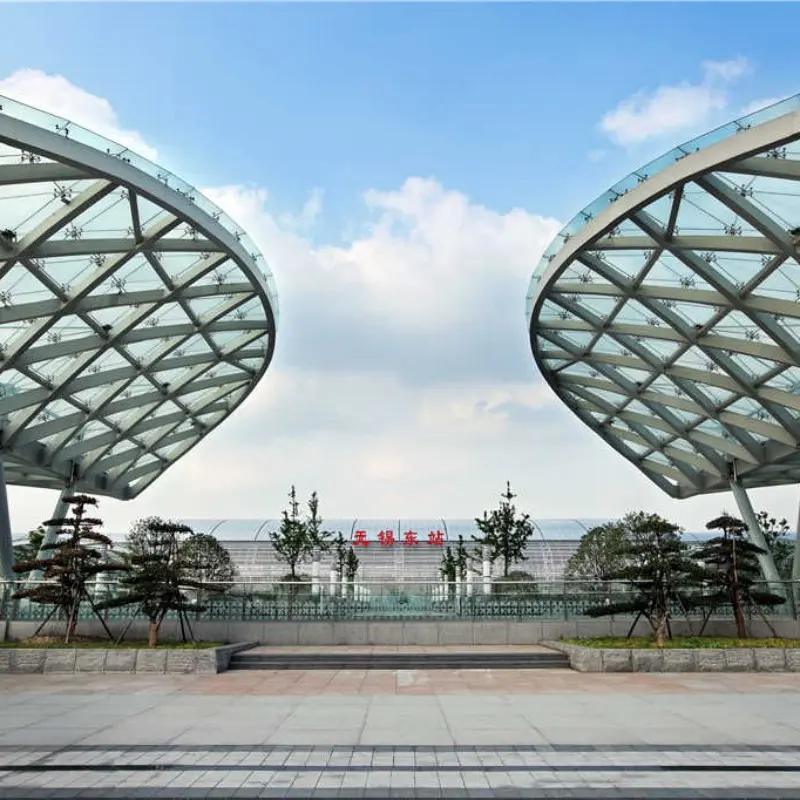
Wuxi Railway Station

Wuxi Railway Station

Wuxi Railway Station is located on Station Road, Liangxi District. In 2005 and 2018, Wuxi Station once again completed the renovation project with thousands of laminated glasses and put into use, becoming the fourth double-sided elevated station on the Shanghai-Nanjing railway line.

Nanjing Zifeng Tower

Nanjing Zifeng Tower

Zifeng Tower, a 450-metre (1,480 ft) skyscraper completed in 2009 in Nanjing, China, stands as the 7th tallest building in the world. The 89-story edifice features retail and office space in its lower section, while the upper levels house restaurants and a hotel. Its curtain wall glass is using our Insulated glass.

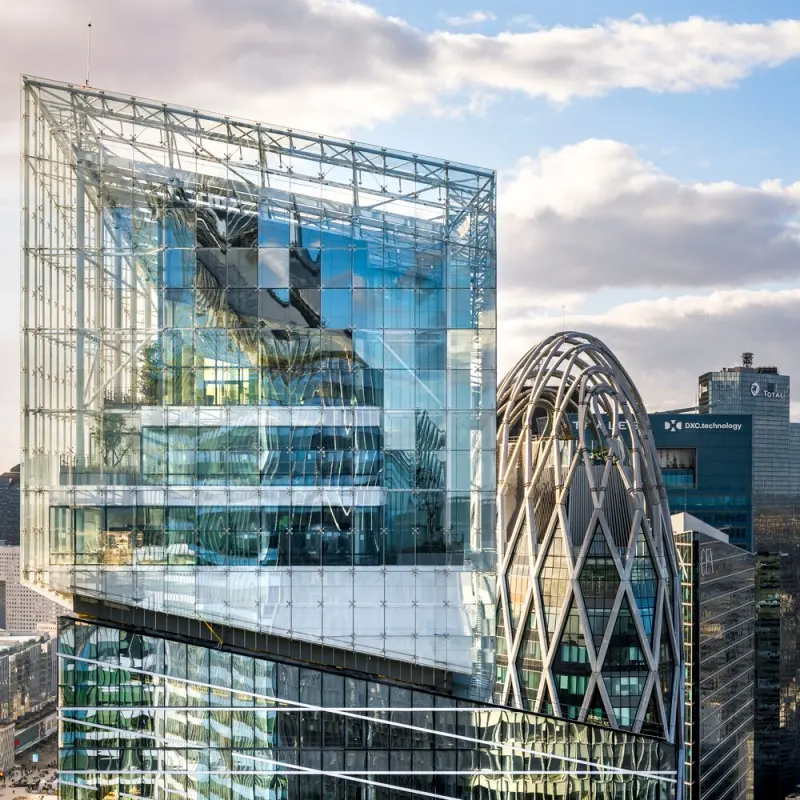
Valode & Pistre Project

Valode & Pistre

Using large pieces of reflective glass, this building integrates into its environment, despite its size of 15,000 square meters. It fosters connections with the adjacent park and neighboring structures while optimizing natural light to reduce energy consumption.

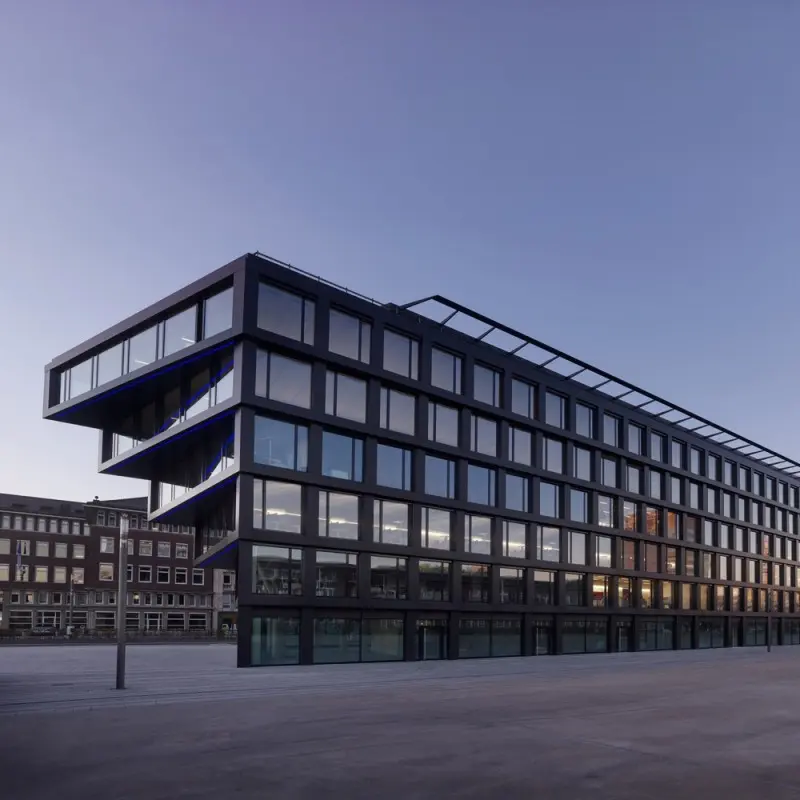
Hadi Teherani Architects Project

Hadi Teherani Architects

Equipped with triple-insulated solar control glass, so that the facade glass plate also becomes a sunshade facility. The front ceiling system with integrated lighting combines heating, cooling, ventilation, and optimized acoustics, resulting in a heat recovery rate of more than 80%.

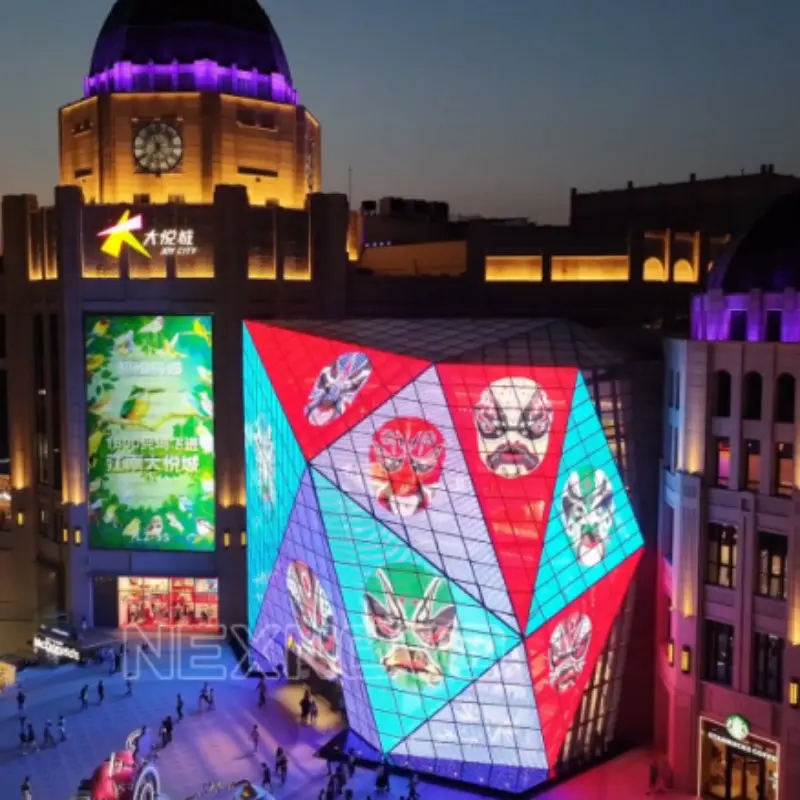
Joy City

Wuxi Jiangnan Joy City

Wuxi Jiangnan Joy City is a new landmark of Wuxi trend business, which utilizes smart glass technology to show its modern architectural charm and functional dynamics.

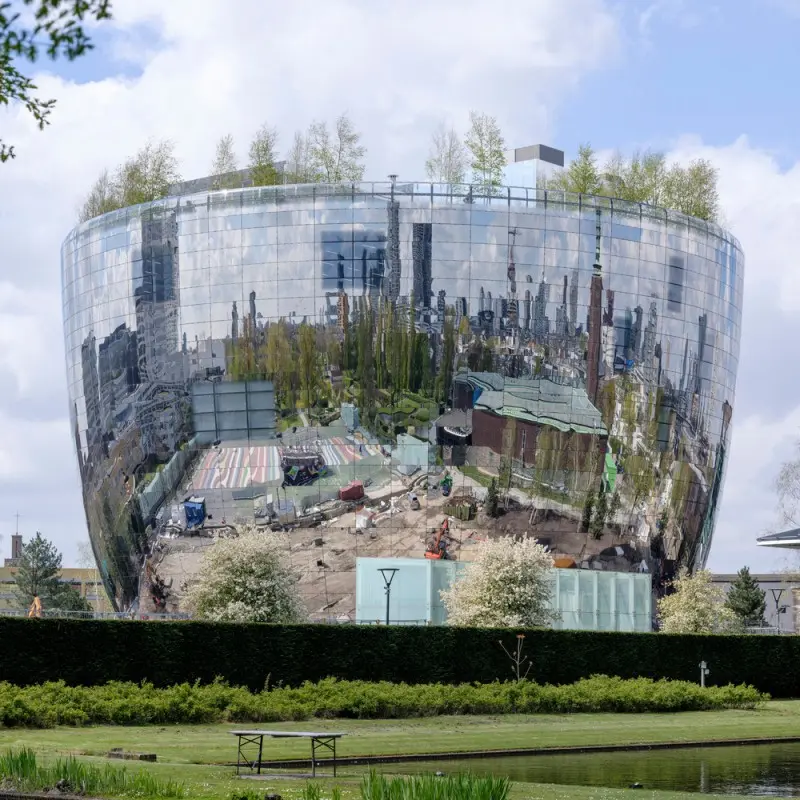
Depot Boijmans Van Beuningen Museum

Depot Boijmans Van Beuningen Museum

A sustainable and aesthetic solution where Guoxin Glass's adaptability to external conditions eliminates the need for shutters, utilizing advanced daylighting algorithms to adjust reflectance and transparency dynamically.

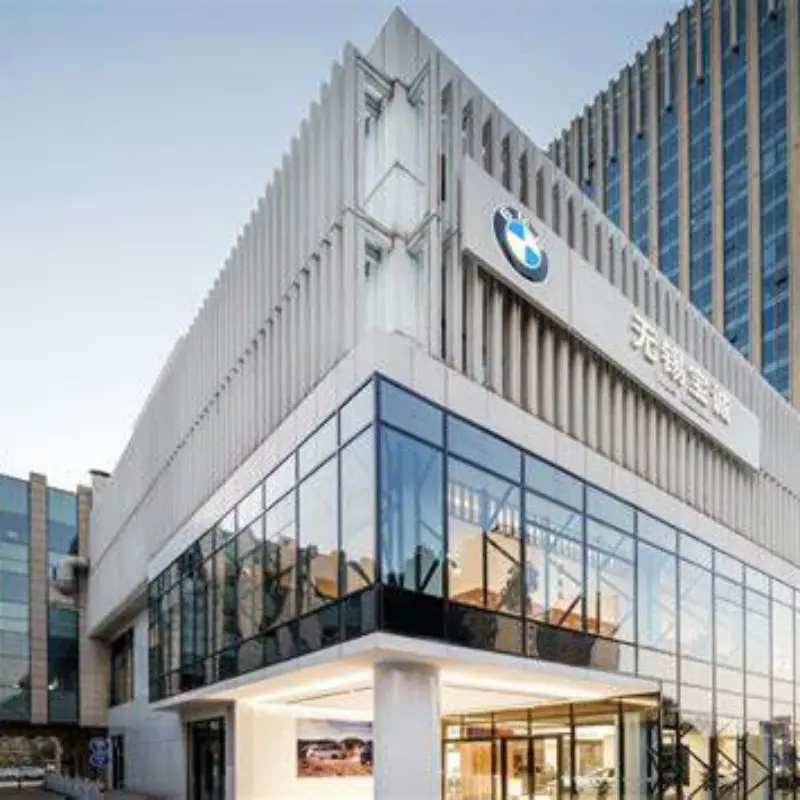
BMW 4S SHOP

BMW 4S SHOP

Optimized double-glazed units and structural tempered safety panels showcase the latest automotive designs, providing thermal comfort, wind-load resistance, and maximum visibility.

Looking for Custom Engineered Glass Solutions?

Our structural engineering team is ready to assist you with wind-load calculations, thermal analysis, and custom sizing.

Contact Our Engineers

4. Optimizing Total Cost of Ownership (TCO) in Architectural Projects

When procuring safety glass for large-scale development projects, purchase price is only one component of Total Cost of Ownership (TCO). Procurement managers must balance initial material costs against structural lifespan, thermal performance (energy savings), safety compliance, and potential replacements due to breakage.

Selecting low-emissivity (Low-E) double or triple insulated glazing units can lead to energy cost reductions of up to 30-40% over the building’s life cycle. Low-E coatings selectively reflect infrared thermal energy while letting visible light pass through, decreasing the load on HVAC systems. Furthermore, using laminated safety glass in vulnerable positions reduces the risk of accidental breakage, weathering delamination, and vandalism, keeping maintenance costs low.

5. Technical Roadmap & Future Architectural Frontiers

The architectural glass industry is undergoing rapid technological shifts driven by sustainability targets and the rise of smart city infrastructure. Jiangsu Guoxin Glass Co., Ltd. actively invests in four future-focused product areas:

  • Building Integrated Photovoltaics (BIPV): Integrating thin-film solar technology into laminated structural glass facades to generate clean, renewable electricity.
  • Electrochromic and Smart PDLC Glass: Electrically switchable interlayers that allow users to transition glass from clear to opaque instantly, optimizing privacy and shading.
  • Ultra-Clear Low-Iron Safety Glass: Reducing iron content in raw glass batches to eliminate the natural greenish tint of standard float glass. This ensures over 91% light transmission for high-end storefronts and skylights.
  • Carbon-Neutral Manufacturing: Implementing cleaner furnace operations and closed-loop water systems to minimize the environmental footprint of our glass production.

Knowledge Hub: Industry Insights & News

Keep up with the latest architectural engineering trends, regulatory shifts, and technical comparisons.

Fireproof glass testing

What is the difference between fireproof glass and ordinary glass?

To help you pick compliant, cost-effective and safe glass for your projects, we’ll break down the differences between fireproof glass, fireproof materials glass, fireproof coating glass and ordinary float glass...

Read Full Article
Laminated glass manufacturing

What safety advantages does Laminated Glass have in building use?

I receive many customer inquiries every day - which type of construction glass is both practical and safe? In fact, glass has long been indispensable in modern buildings due to its structural benefits...

Read Full Article
Casement window comparison

Which has better cost performance between broken bridge aluminum and plastic steel for Casement Window?

Most homeowners struggle with a common question when purchasing casement windows: should they choose broken bridge aluminum or plastic steel materials? Let's analyze the thermal differences...

Read Full Article

Customer Evaluation & Global Reach

We effectively recognize the needs of customers across diverse regulatory environments and geographic regions.

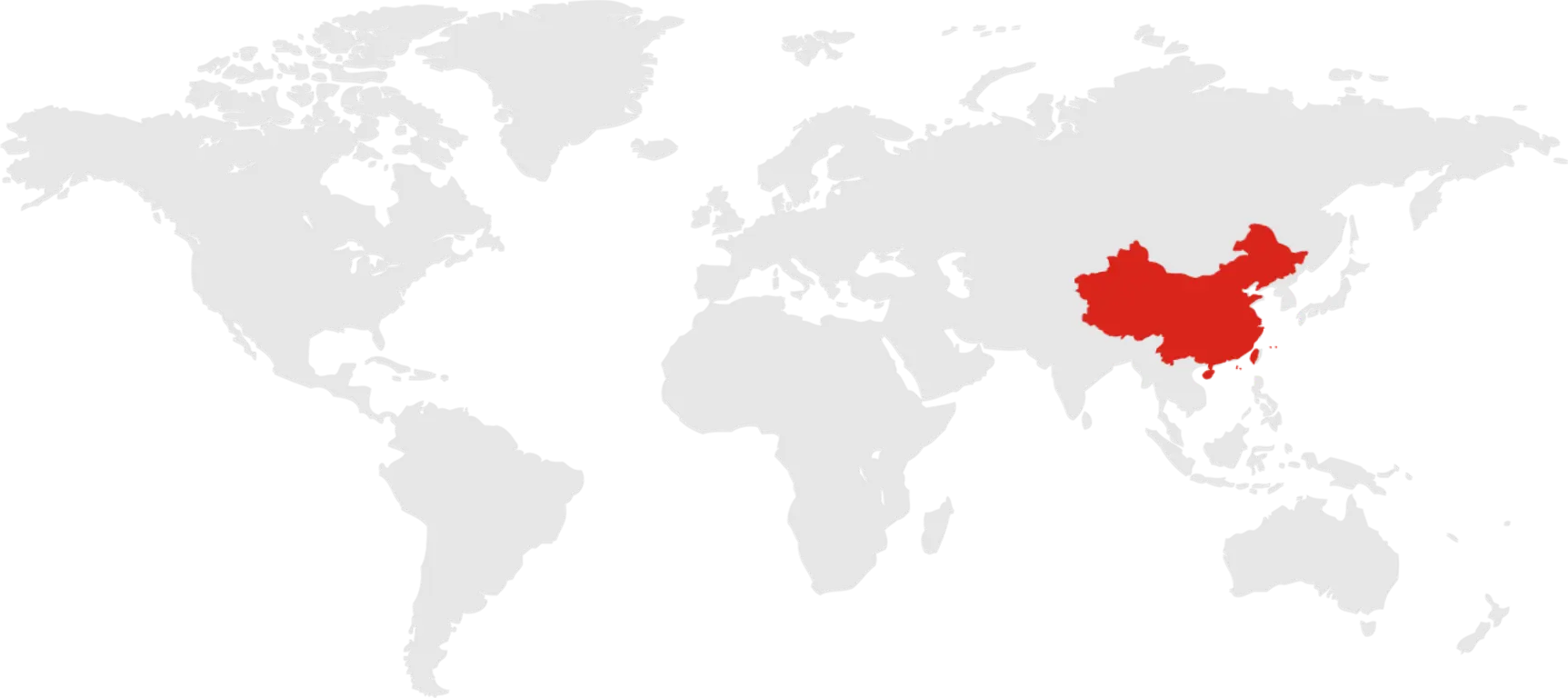
Guoxin Glass Global Footprint
The United States Canada Mexico Peru Japan Italy Spain Portugal Britain France Germany Finland Sweden Norway Australia New Zealand

Expert Q&A: Safety Glass Specifications & Procurement

Technical answers to common questions from structural engineers, architects, and procurement managers.

Q1: What causes spontaneous tempered glass breakage, and how can it be mitigated?
Spontaneous breakage in tempered glass is primarily caused by microscopic Nickel Sulfide (NiS) inclusions present in raw float glass. Over time, these inclusions undergo a phase change that expands their volume, inducing localized stresses that can cause the glass to fracture without external force. To mitigate this risk, Jiangsu Guoxin Glass conducts Heat Soak Testing (HST). In this destructive testing process, tempered panels are exposed to temperatures of around 290°C for several hours, causing panels with NiS inclusions to break safely in the chamber rather than on-site.
Q2: When should SGP interlayers be specified instead of standard PVB interlayers?
SGP (SentryGlas Plus) interlayers are five times stronger and up to one hundred times stiffer than standard PVB interlayers. SGP should be specified in structural applications where the glass must bear loads even after breaking, such as glass balustrades, glass stairs, overhead canopies, and areas prone to hurricanes or high-velocity wind loads. PVB is suitable for standard safety glazing, acoustic isolation, and UV-protection windows.
Q3: How does Guoxin Glass ensure compliance with international building regulations?
We hold certifications including ISO 9001:2015, CE (European Union EN 12150/EN 14449), SGCC (Safety Glazing Certification Council for North America), and AS/NZS 2208 (Australia and New Zealand). Each batch of tempered and laminated safety glass is stamped with its respective certification code, and we provide raw material traceability documents alongside quality inspection certificates for all shipments.
Q4: What is the optimal glass configuration for thermal insulation in high-rise facades?
For high-rise facades, we recommend double or triple Insulated Glass Units (IGUs) incorporating at least one layer of low-emissivity (Low-E) glass. Filling the cavity between the glass panes with an inert gas like Argon rather than dry air further reduces thermal conductivity, lowering the U-value. For solar control, combining reflective or tinted outer glass with laminated inner safety glass provides security and thermal efficiency.

Strategic Architectural Glass Portfolio - Batch II

Advanced architectural safety, specialized coatings, and customizable security glass solutions direct from our manufacturing facility.

Fire Resistance Glass

Discount Fire Resistance Glass Manufacturers, Factories

Explore Product Solutions
Low-E Glass

Custom Low-E Glass Suppliers in China - High-Performance Insulated Glass

Explore Product Solutions
Radiation Shielding Glass

Cheap Radiation Shielding Glass from China Suppliers | High-Quality Protection

Explore Product Solutions
Two-Way Mirror

Wholesale China Suppliers Factory Two-Way Mirror - Partially Reflective & Transparent

Explore Product Solutions
Aluminium Casement Windows

Cheap China Aluminium Casement Windows - Quality Suppliers & Factory Direct

Explore Product Solutions
Toughened Safety Glass

Wholesale China Tempered Glass Suppliers - High-Quality Toughened Safety Glass

Explore Product Solutions
Fluted Glass

Wholesale Fluted Glass Supplier, Factories

Explore Product Solutions
Bulletproof Glass

Discount China Bulletproof Glass Suppliers - High-Quality Multi-Purpose Security Glass

Explore Product Solutions