Choosing the best aluminum windows for your home can be overwhelming. With so many styles, brands, and features available, making the right choice requires careful consideration. Aluminum windows offer durability and modern aesthetics, but not every option is suitable for every home. Understanding your specific needs is crucial.
Start by assessing the climate in your area. Aluminum windows can be less efficient in extreme temperatures if not properly insulated. You may also want to consider their maintenance needs. While aluminum frames require less upkeep than wood, they can still show wear over time. This aspect can influence your long-term satisfaction.
Think about the design and style as well. Aluminum windows are available in various shapes and finishes, allowing for a customizable look. However, not all finishes are created equal. It's essential to research the quality of powder coating or anodizing to ensure lasting beauty. In the end, the right aluminum windows not only enhance your home’s appearance but also its value.
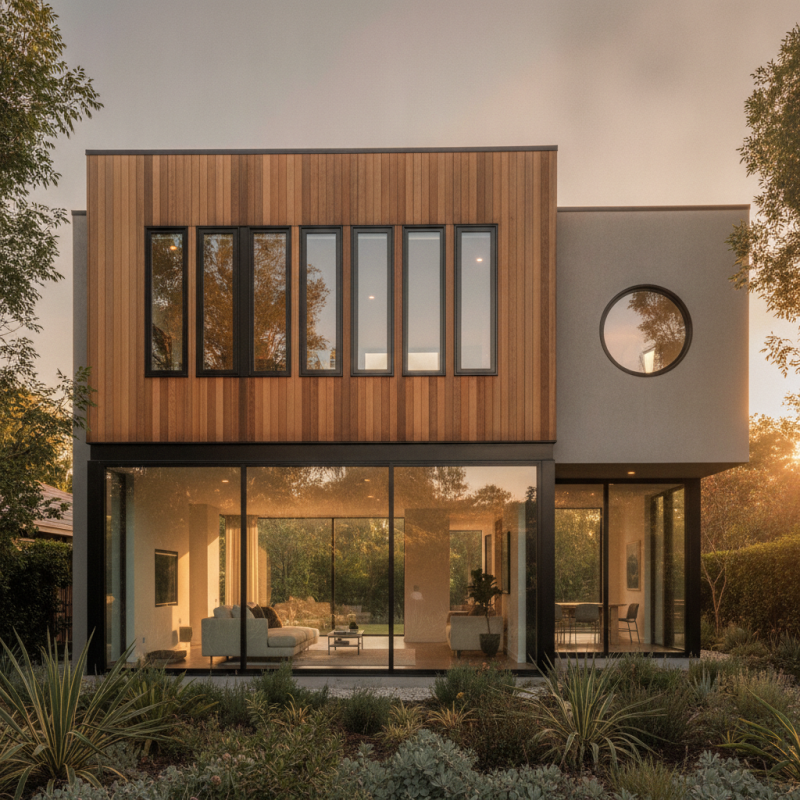
Understanding aluminum windows can help you make a better choice for your home. They offer exceptional strength and durability. Many homeowners appreciate their resistance to corrosion and weathering. This means less maintenance over time. The seamless aesthetic of aluminum frames can enhance any architectural style.
Energy efficiency is another significant benefit. Modern aluminum windows often come with thermal breaks. This helps keep your home warm in winter and cool in summer. Consider the insulation properties carefully. Some products might not be as effective as advertised. It’s crucial to assess your climate needs before deciding.
Style variety is also appealing. Aluminum windows are available in many finishes and colors. Customization options can complement your home’s design. But, realizing the weight of the frames is essential. Heavier frames might require sturdier wall structures. This is an important detail often overlooked. Balancing aesthetics with practical considerations is key.
Choosing aluminum windows for your home involves several key considerations. Start with durability. Aluminum frames resist warping and corrosion, making them a reliable option. They typically require less maintenance compared to other materials. However, their thermal performance can sometimes fall short if not adequately insulated.
Next, consider design flexibility. Aluminum windows can be customized to fit various home styles. They come in multiple colors and finishes. This versatility can enhance your home's aesthetic appeal. However, while they look sleek, the initial cost may be higher than vinyl or wood options.
Energy efficiency is another crucial factor. Look for windows with thermal breaks to improve insulation. Proper sealing is also essential to prevent drafts. Insufficient insulation can lead to higher energy bills over time. Pay attention to your local climate and choose windows that meet those needs.
| Consideration | Details |
|---|---|
| Energy Efficiency | Look for windows with a high Energy Rating to reduce heating and cooling costs. |
| Durability | Aluminum frames are typically resistant to corrosion and weathering, making them long-lasting. |
| Design Options | Aluminum windows come in various styles and finishes, allowing for aesthetic customization. |
| Maintenance | Minimal maintenance required; occasional cleaning is sufficient to maintain appearance. |
| Cost | Consider your budget; aluminum windows can range from moderate to high price points depending on features. |
| Security Features | Check for multi-point locking systems for improved security performance. |
| Installation | Ensure professional installation to avoid issues with fit and sealing, enhancing performance. |
| Warranty | Look for products with a good warranty that covers defects and performance over time. |
When choosing aluminum windows, style plays a crucial role. The two most popular styles are casement and slider windows. Casement windows open outward, offering excellent ventilation. They are easy to clean and have a wide viewing area. In contrast, slider windows glide horizontally. They are suitable for spaces where width is essential, allowing for a seamless transition between indoors and outdoors.
A study by the American Architectural Manufacturers Association reveals that about 28% of homes now prefer aluminum windows. These statistics indicate a growing trend towards modern aesthetics and energy efficiency. Among different styles, bi-fold windows are gaining traction. They provide a panoramic view and can open up large spaces, creating a more inviting atmosphere. However, installation can be complicated and may require significant planning.
Homeowners may overlook the importance of thermal efficiency. Not all aluminum windows are equally energy-efficient. Research indicates that up to 30% of energy loss in a home can occur through windows. Thus, selecting windows with thermal breaks is essential for enhancing energy performance. Balancing style, function, and efficiency can lead to long-term satisfaction, yet it demands careful consideration and sometimes compromises.
When selecting aluminum windows for your home, energy efficiency is crucial. Look for the energy efficiency ratings of the windows you are considering. These ratings are often labeled, showing how well a window can insulate. Windows with a high Energy Star rating typically provide better insulation, reducing your heating and cooling costs. However, it is essential to understand that just because a product has high ratings does not guarantee performance in every home. Local climates can greatly affect efficiency.
Another important factor to consider is the thermal break in aluminum frames. This feature helps prevent heat transfer, making windows more energy-efficient. Poorly designed frames may lead to higher energy bills despite high ratings. Reflect on your home's specific needs. If you live in an area with extreme temperatures, prioritize windows that offer superior insulation.
While looking at energy efficiency ratings, consider the U-factor and Solar Heat Gain Coefficient (SHGC). The U-factor measures insulation effectiveness, while SHGC indicates the amount of heat transmitted through the window. These measures provide a clearer view of a window's performance. However, what's efficient for one home might not work in another. Evaluate these factors thoughtfully based on your unique situation.
When choosing aluminum windows, installation and maintenance are crucial for ensuring longevity. Proper installation is the first step toward achieving durable performance. Industry experts report that improper installation can lead to energy losses of up to 30%. This underlines the importance of hiring qualified professionals who know how to handle aluminum structures. Ensure that your windows are fixed according to the manufacturer's specifications to avoid issues like air leaks or water ingress.
Maintenance also plays a vital role. Aluminum windows are known for their low maintenance, but they still require attention. Regular cleaning is essential to prevent dirt buildup, which can lead to corrosion. A biannual inspection is advisable. Experts recommend checking for any cracks or signs of wear. Furthermore, applying a protective sealant every few years can help extend the life of your windows. While aluminum itself is resistant to rust, elements like dust and moisture can lead to deterioration if ignored.
Reflecting on common mistakes, many homeowners overlook the importance of weatherstripping. A recent survey indicated that 40% of homeowners do not replace worn weatherstripping. This oversight can lead to drafts and increased energy costs. Taking a proactive approach to both installation and maintenance is key for maximizing the investment in aluminum windows.
: Aluminum windows offer strength, durability, and corrosion resistance. They require less maintenance over time.
Many aluminum windows have thermal breaks. They keep homes warm in winter and cool in summer.
Yes, they come in various colors and finishes. Customization can enhance the design of your home.
Heavier frames may need sturdier wall structures. This is a crucial detail often overlooked by homeowners.
Proper installation is essential. Improper installation can lead to energy losses of up to 30%.
Yes, regular cleaning is necessary. Inspections every six months can help spot issues early.
Many forget to replace worn weatherstripping. This can cause drafts and higher energy costs.
Applying a protective sealant every few years is advisable. It helps guard against dust and moisture.
Not always. Insulation properties vary. Assess your climate needs before making a decision.
The initial cost may be higher than other materials. Balancing aesthetics with practical needs is essential.
When selecting the best aluminum windows for your home, it's essential to understand their numerous benefits and features. Aluminum windows are known for their durability, low maintenance, and versatility in design, making them an excellent choice for various architectural styles. Key considerations include factors like frame thickness, design options, and color finishes, which can significantly impact both aesthetics and performance.
Energy efficiency ratings are another critical aspect to assess, as they can help lower energy costs and enhance comfort within your living space. Additionally, knowing how to properly install and maintain aluminum windows ensures long-lasting performance. By evaluating different styles and staying informed about energy efficiency, homeowners can make well-informed decisions that align with their needs and preferences when it comes to aluminum windows.

Guoxin